Ghost Investigation Comparison: Teams, Methods, Equipment, And Evidence
A strange sound in an empty room can feel like proof of something beyond the ordinary, but a careful ghost investigation comparison asks what the equipment actually recorded. Audio recorders, cameras, EMF meters, temperature sensors, and thermal devices can document unusual conditions, yet none has been scientifically proven to detect spirits. The real value lies in comparing what each method reveals, which ordinary causes it can rule out, and where human assumptions may fill in the gaps.
From whispered recordings and sudden cold spots to spirit boxes and ghost-detection apps, paranormal tools vary widely in reliability. Recent research and improved field practices favor continuous recording, calibrated sensors, time-stamped notes, and repeatable tests over dramatic readings or unclear images. This approach leaves room for mystery while helping investigators separate compelling evidence from coincidence, error, and expectation.
Key Takeaways
- No ghost-detection device has been scientifically proven to detect spirits. Audio recorders, cameras, EMF meters, temperature sensors, and thermal tools are most useful for documenting conditions and testing ordinary explanations.
- Reliable investigations prioritize continuous recordings, calibrated equipment, time-stamped notes, preserved original files, controlled comparisons, and independent review over dramatic readings or subjective interpretations.
- Remote reviews are affordable and useful for analyzing existing evidence, while onsite investigations can directly assess building conditions, environmental changes, and possible causes such as wiring, drafts, reflections, and plumbing.
- Choose investigators based on transparency, evidence standards, privacy practices, pricing, follow-up support, and willingness to acknowledge natural explanations; avoid anyone promising guaranteed proof of a haunting.
Ghost Investigation Comparison Introduction
A property owner hears a late-night knock from an empty hallway and begins weighing three choices: a local paranormal team, an independent investigator, or a remote case review based on photographs, recordings, and written accounts. A ghost investigation comparison helps clarify what each option can realistically provide before time or money is committed. Cost may depend on travel, hours on site, equipment, and the depth of the final report. The right choice also depends on whether the owner needs an in-person assessment, a second opinion, or a practical review of evidence already collected.
The investigation process can vary widely, from a structured walk-through with interviews and time-stamped notes to a solo review of audio, video, floor plans, and environmental details. Local teams may be useful when a property needs multiple investigators and continuous monitoring, while an independent investigator may offer a more personal approach or specialize in a particular type of case. Remote reviews can be a convenient starting point when travel is difficult or the available evidence is already substantial. In every format, clear records matter because ordinary causes, such as wiring problems, plumbing sounds, drafts, reflections, and changing temperatures, should be considered before unusual explanations.
Equipment can support careful documentation, but no device has been scientifically validated as a ghost detector or as a proven way to communicate with the dead. Audio recorders, continuous video, temperature sensors, air-quality monitors, and EMF meters can help document conditions and rule out possible environmental causes. Spirit boxes, phone apps, random flashlight responses, and unblinded EVP interpretations require much greater caution. Stronger evidence standards include repeated observations, accurate timestamps, controlled comparisons, and independent review rather than a compelling impression alone. Comparing cost, process, equipment, evidence standards, and the needs of the property can help an owner choose an approach that remains open to the unexplained without overlooking what can be tested.
Independent And Local Investigator Comparison
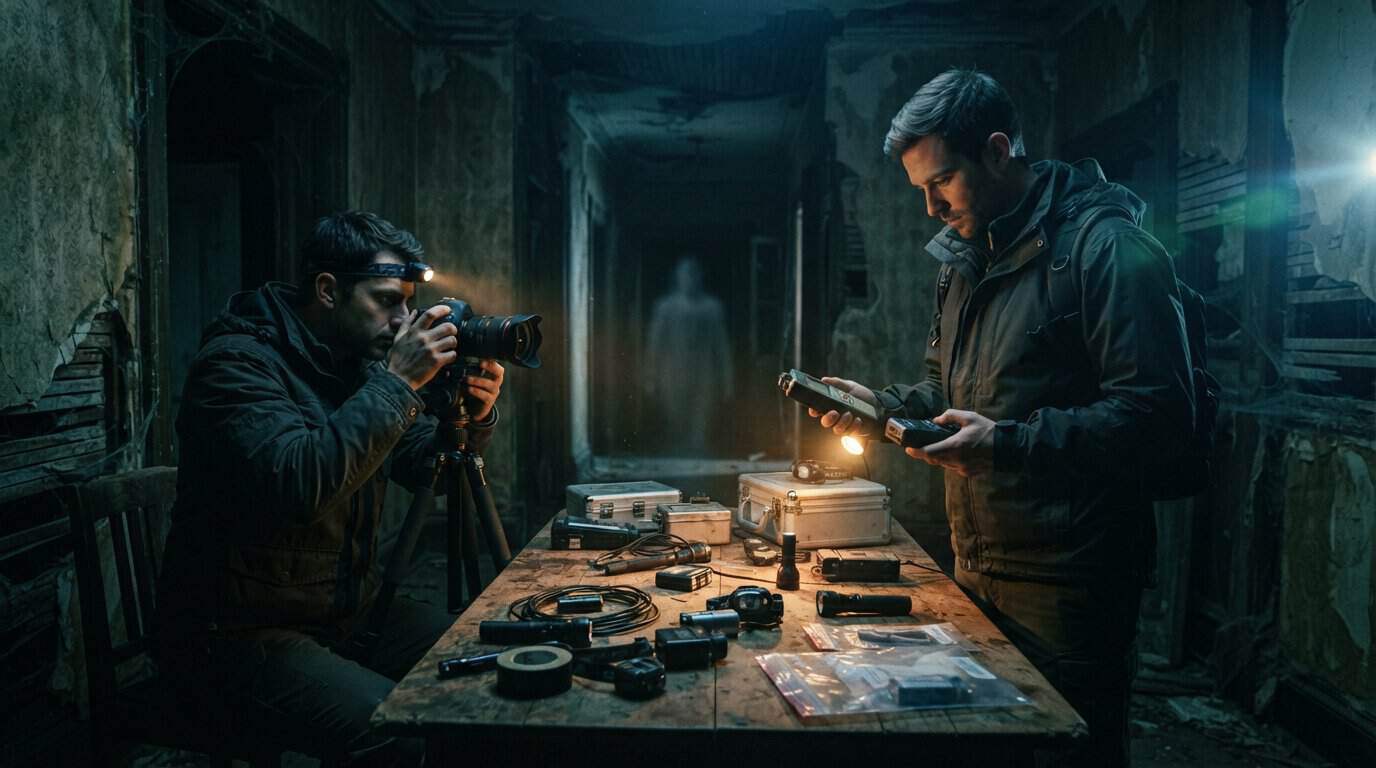
An independent investigator may offer flexible scheduling and personal attention, especially when a client wants a private review of unusual sounds, photographs, or activity at home. A local paranormal team can bring several investigators, shared equipment, and knowledge of nearby buildings, legends, weather patterns, and common environmental causes. Team size also affects the experience. A larger group can cover more rooms at once, while a solo investigator may create less disruption and provide one consistent point of contact. Some teams charge a flat visit fee, while independent investigators may use hourly rates or offer remote case reviews at a lower cost. Readers can compare these options through the site’s guide to paranormal investigation pricing before making a decision.
The right choice depends on what the client hopes to learn and how carefully the case will be documented. A responsible investigator should explain whether the visit includes time-stamped notes, audio or video recording, environmental readings, and a review of ordinary explanations, since no device has been scientifically proven to detect ghosts. Before booking, readers should ask for written service details, preparation requirements, travel charges, cancellation terms, and an estimate of when follow-up findings will arrive. Privacy policies matter as well, particularly if investigators will record inside a private home or publish images from the case. Claims of guaranteed paranormal results should prompt caution. A careful investigation can document conditions and evidence, but it cannot promise proof of a haunting.
Follow-up support often separates a thoughtful investigation from a quick visit that ends when the equipment is packed away. An independent investigator may provide a detailed personal debrief, while a local team may offer group analysis or return visits when several witnesses need to compare accounts. Readers should confirm who owns the recordings, whether raw files will be shared, how personal information is protected, and whether additional review fees apply. They may also ask how the investigator handles evidence that has a natural explanation, since open-minded analysis should leave room for both genuine mystery and overlooked causes. Comparing these details in advance helps each client choose a service that feels transparent, respectful, and suited to the case.
Remote Case Review Versus Onsite Investigation
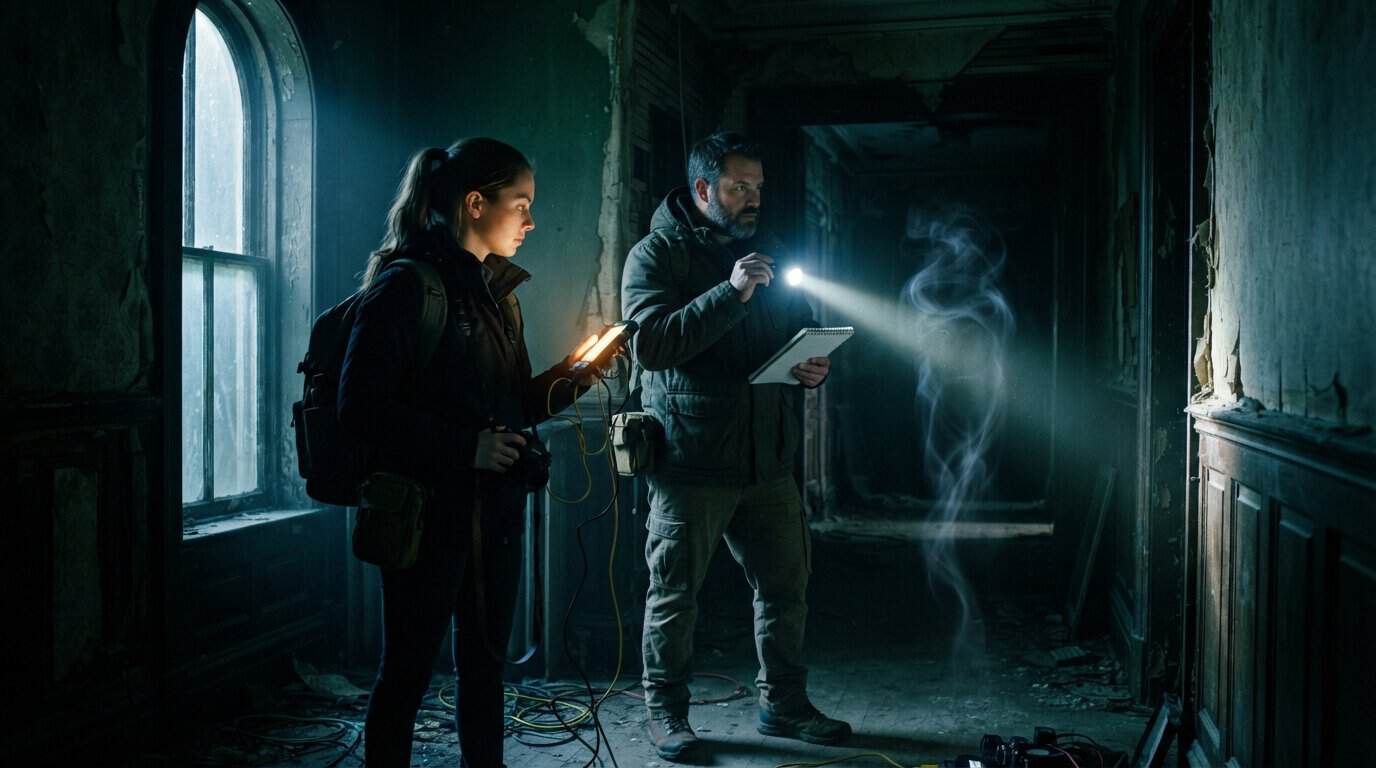
A remote case review can begin at the kitchen table, where an investigator studies photographs, videos, audio files, floor plans, witness accounts, and historical records instead of visiting the location. This approach often costs less and works well when a site is distant, private, or difficult to access. It also gives the reviewer time to pause recordings, compare timestamps, check room layouts, and look for ordinary causes such as plumbing sounds, wiring issues, reflections, or temperature changes. A careful ghost investigation comparison should treat unusual recordings as clues rather than proof, since no device has been scientifically confirmed to detect a ghost. Remote analysis may still reveal patterns that help determine whether an onsite visit is worthwhile.
An onsite investigation adds information that files cannot fully capture, including live temperature, electromagnetic, air-quality, light, and sound readings. A local team can also notice changing conditions, building vibrations, nearby traffic, airflow, and the way a room feels at different times of day. These observations can strengthen or weaken a witness account, although equipment such as spirit boxes, detector apps, and unblinded audio interpretation can create misleading results. The main tradeoff is cost and convenience, since travel, access, scheduling, and equipment time can make an onsite review more expensive. Remote reviewers, independent investigators, and local teams may each fit a different case, depending on the available evidence and the need for direct environmental testing.
A clear chronology helps either option begin with what happened, when it happened, and who was present before theories shape the review. The case file should also identify the exact room, weather and lighting conditions, recording devices, unexplained events, and any changes made to the property. An evidence checklist can include original files, time-stamped copies, floor plans, witness notes, maintenance records, and a list of known electrical or structural problems. With those details organized, a remote review can remain focused, while an onsite investigation can test specific questions instead of searching blindly. Readers comparing services may find that the strongest choice is not the most dramatic method, but the one that preserves reliable evidence and leaves room for further investigation.
Equipment Evidence And Scientific Limits
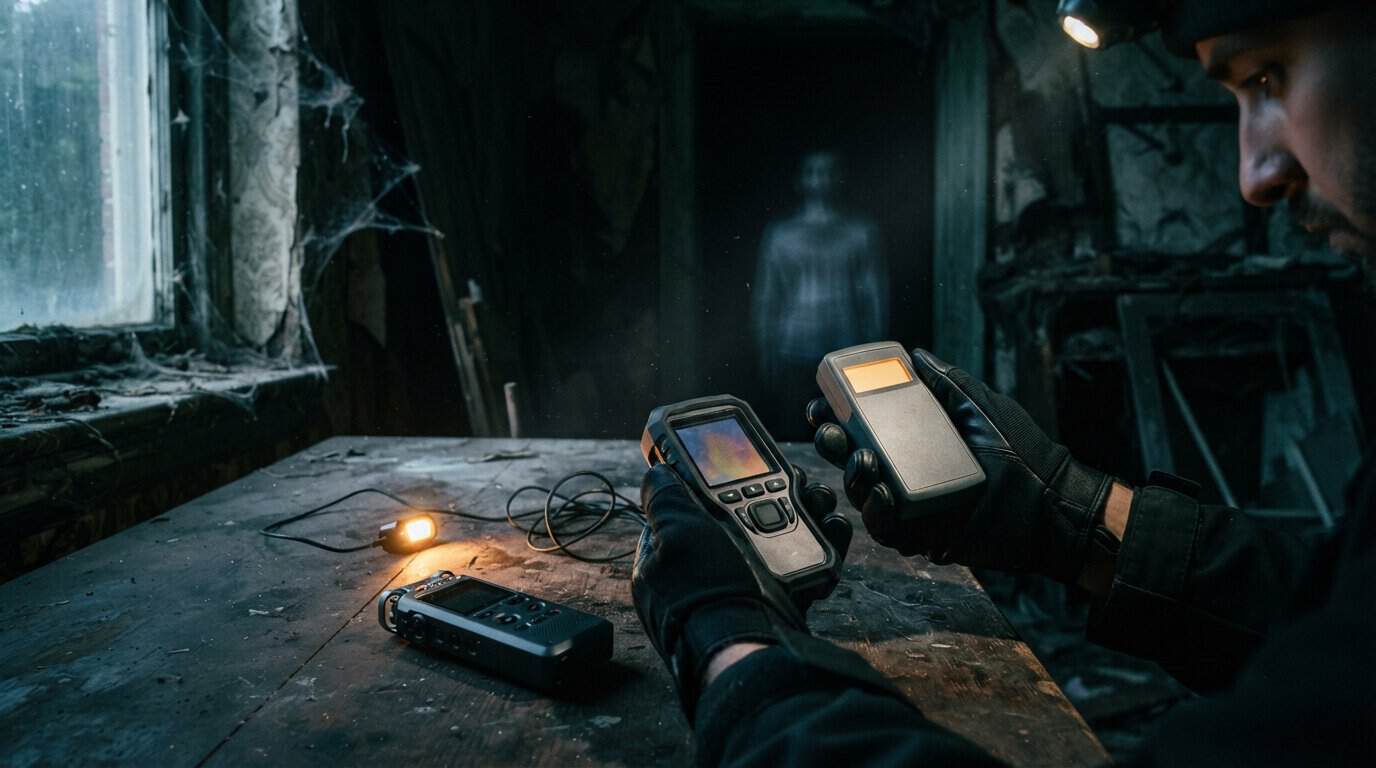
A useful ghost investigation comparison starts with a simple question: what can each device actually measure? Calibrated audio recorders, continuous video, EMF meters, temperature sensors, air-quality monitors, light meters, and thermal cameras can document sound, movement, electricity, heat, infrared patterns, or changes in the surrounding air. These records may help investigators find ordinary causes, such as wiring, drafts, equipment noise, pests, or changing humidity. They have not, however, been scientifically validated as detectors of ghosts or as proof of communication with the dead. For that reason, the strongest investigations preserve raw files, use time-stamped logs, and compare unusual readings with conditions in nearby control areas.
| Tool | What it can document | Main limitation |
|---|---|---|
| Calibrated audio recorder | Sound and frequency patterns | Noise can be mistaken for speech, especially when listeners expect a message |
| Continuous video | Movement, light, and timing | Cannot show that an unseen cause is supernatural |
| EMF meter | Electric and magnetic fields | Readings may come from wiring, appliances, or radio sources |
| Temperature sensor | Changes in air temperature | Drafts, heating systems, and sensor placement can create false anomalies |
| Air-quality monitor | Carbon dioxide, particles, humidity, or gases | Environmental changes do not identify a spirit |
| Light meter or thermal camera | Visible light or infrared heat patterns | Reflections, hot objects, and image-processing artifacts can appear unusual |
| Spirit box, REM pod, app, SLS, or flashlight | Radio sweeps, proximity alerts, app outputs, figures, or responses | Signals and results are easily affected by noise, chance, user input, or software limits |
Spirit boxes, REM pods, phone ghost detector apps, SLS figures, and random flashlight responses are weaker forms of evidence because their outputs can occur without a ghost being present. A spirit box rapidly scans radio frequencies, while an app may turn ordinary phone-sensor data into a dramatic label. SLS-style systems can interpret furniture, shadows, or camera noise as human shapes. Research on expectation and perception, including work by Richard Wiseman and colleagues at reportedly haunted locations, suggests that suggestion, setting, and environmental features can influence what people notice and report. Studies by James Houran and Lance Lange have also explored how unusual experiences may relate to environmental conditions and individual perception rather than a confirmed haunting. These findings do not settle every case, but they show why a compelling experience should be tested against controls, repeated observations, and alternative explanations.
When comparing an independent investigator, a local team, or a remote case review, readers can ask whether the process prioritizes continuous recording and environmental data or dramatic device reactions. A careful investigator should explain calibration, sensor placement, baseline readings, lighting, weather, and who reviewed the files before conclusions were made. Remote reviewers can still assess audio, video, floor plans, and time-stamped logs, but they cannot independently verify conditions that were never recorded. The most intriguing cases may still leave room for theories about hauntings, yet responsible evidence should make clear what was measured, what remains unexplained, and what the equipment cannot prove. Which approach seems most convincing when unusual experiences are compared with the quality of the evidence behind them?
Choosing A Responsible Investigation Option
A useful ghost investigation comparison begins with the question being asked. A remote case review suits an uncertain recording, photograph, or unusual event because an investigator can examine the material without disturbing the location. The reviewer can also explain how audio glitches, reflections, background voices, and editing may create convincing results. A local team is usually better for a full property survey involving repeated observations, environmental readings, and continuous video. For someone seeking a focused and private assessment, an independent investigator may offer a narrower review with fewer people involved, provided the scope, privacy terms, and expected costs are clear in advance.
Whatever option is chosen, responsible work should leave a clear trail. Investigators should preserve original files, record when and where each item was collected, and use time-stamped logs to connect sounds or images with environmental readings and witness reports. Equipment such as audio recorders, cameras, temperature sensors, and EMF meters can document conditions or help rule out ordinary causes, but no device has been scientifically proven to detect ghosts. Readers can review the investigation preparation guide before sharing files, granting access, or arranging an onsite visit.
Consent and communication matter as much as equipment. A trustworthy investigator explains what will happen, obtains permission from property owners and participants, protects private recordings, and avoids promising proof, contact with the dead, or guaranteed answers. Warning signs include pressure to pay for dramatic results, unexplained editing, missing timestamps, refusal to provide original evidence, trespassing, or claims based only on spirit-box phrases and random device responses. The service process overview can help readers compare these details and choose an option that is curious, careful, and honest about what the evidence can and cannot show.
Ghost Investigation Comparison Conclusion
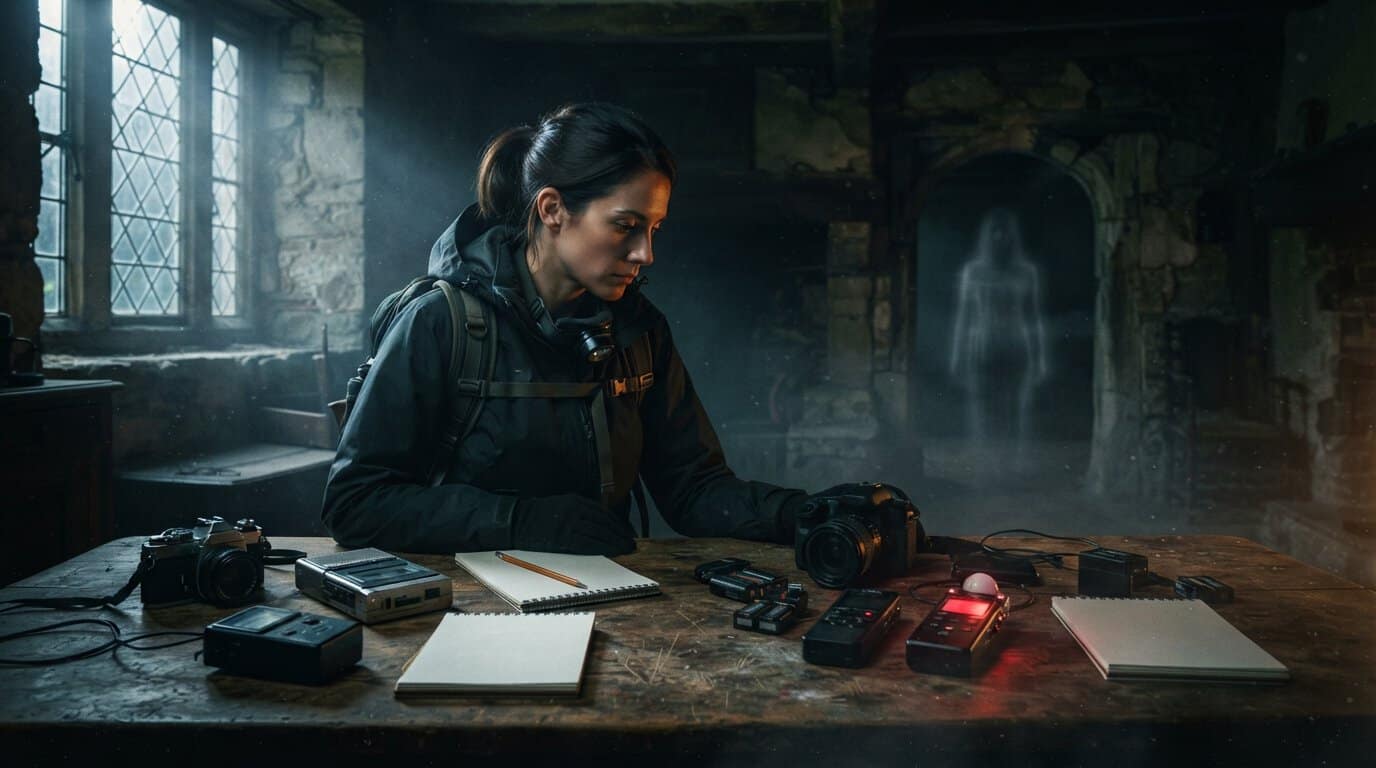
Independent investigators often offer a flexible option for a reported haunting, especially when a property owner wants a focused visit and direct communication. Costs may vary with travel, equipment, time on site, and the level of documentation provided afterward. Local teams can usually respond more quickly and understand nearby history, building styles, and common environmental causes. Their shorter travel distance may also keep expenses lower. Both approaches allow investigators to inspect the setting in person, record audio and video, check temperature or air quality, and compare unusual events with ordinary explanations.
Remote case reviews are usually the most affordable and accessible choice because they rely on photographs, recordings, floor plans, witness accounts, and time-stamped notes supplied by others. They can help identify background noise, reflections, wiring issues, camera artifacts, or patterns that were missed during an emotional experience. However, a reviewer cannot test the location directly, repeat the event under controlled conditions, or confirm whether evidence was altered or misunderstood. For that reason, onsite teams may provide stronger documentation, but remote reviews can still be valuable as an early, practical second look.
No approach has been scientifically validated as a way to detect ghosts, and tools such as calibrated recorders, continuous video, and environmental sensors are better at documenting conditions than proving a supernatural cause. Readers comparing services should weigh cost, access, investigator transparency, the quality of time-stamped records, and whether ordinary explanations are tested before dramatic claims are made. An unexplained sound, image, or temperature change may deserve further study, but it is not automatically proof of ghosts. Which approach would readers trust most for a reported haunting: an independent investigator, a local team, or a careful remote review?
Which Ghost Investigation Approach Fits the Case?
A careful ghost investigation comparison begins with the question each case needs answered. Independent investigators may offer personal attention and flexible methods, while local teams can inspect a site directly, review possible environmental causes, and document conditions in real time. Remote case reviews can be useful when travel is difficult, especially for examining photographs, recordings, floor plans, timelines, and witness accounts. Calibrated audio, continuous video, temperature readings, air-quality checks, and time-stamped notes provide stronger documentation than apps, spirit boxes, or unblinded interpretations of unusual sounds. Current research has not validated any device as a reliable detector of ghosts, so the most credible approach remains curious, organized, and willing to test ordinary explanations first.
The best choice depends on the location, the available evidence, and the level of personal support a case requires. A local investigation may reveal wiring, drafts, lighting, building sounds, or other factors that a remote review cannot assess, while a remote assessment can help separate meaningful details from assumptions before an onsite visit. Comparing methods, equipment, evidence standards, communication, pricing, and client experiences gives each case a clearer path forward without dismissing the possibility that something remains unexplained. Readers ready to make that comparison can explore Paranormal Investigator Reviews: How To Compare Services, Evidence, And Client Experiences to learn how to evaluate an investigation with greater confidence. The search for answers is most rewarding when open-minded curiosity is matched with careful evidence.
Frequently Asked Questions
1. What does a ghost investigation comparison involve?
A ghost investigation comparison examines how different investigators, tools, and methods perform under similar conditions. It compares the quality of the evidence, the ability to rule out ordinary causes, the cost, and whether the findings can be repeated or independently reviewed.
2. Which tools are most useful during a ghost investigation?
Audio recorders, cameras, EMF meters, temperature sensors, and thermal devices can document unusual sounds, images, electrical readings, or environmental changes. Their value depends on proper calibration, continuous recording, time-stamped notes, and careful checks for normal explanations, since no tool has been scientifically proven to detect spirits.
3. Are spirit boxes and ghost-detection apps reliable?
Spirit boxes and ghost-detection apps can create interesting experiences, but they are vulnerable to radio fragments, software design, random results, and human interpretation. They should be treated as exploratory devices rather than proof, especially when a dramatic word or response cannot be repeated under controlled conditions.
4. How can investigators tell whether a cold spot is paranormal?
A cold spot should first be checked with calibrated temperature sensors placed at several nearby points and monitored over time. Investigators should also look for drafts, open windows, heating problems, moisture, airflow, and differences in building materials before considering an unexplained cause.
5. Is a strange voice on an audio recording evidence of a ghost?
A strange voice is a lead for further investigation, not immediate proof of a spirit. Background conversations, radio signals, building sounds, electrical interference, and the brain’s tendency to find familiar words in noise can all create or influence an apparent voice. The original recording should be preserved and reviewed by more than one person.
6. Should a property owner hire a paranormal team or an independent investigator?
A local paranormal team may be the better choice when a property needs several people, long monitoring sessions, and a broad equipment setup. An independent investigator may suit an owner who wants a more personal review, a specialist opinion, or a second look at existing photographs, recordings, floor plans, and written accounts.
7. What makes a ghost investigation report credible?
A credible report records the date, time, location, equipment, weather, building conditions, witness accounts, and every unusual event in clear chronological order. It also separates direct observations from interpretation, includes possible ordinary explanations, and provides original files so another person can review the evidence.
8. Can a ghost investigation prove that spirits exist?
A single photograph, recording, EMF spike, or cold spot cannot prove that spirits exist, because each may have several ordinary explanations. Repeated results gathered with controlled tests and independent review would be far more meaningful, while unexplained findings can remain intriguing without being presented as certainty.