Operation Paperclip History: Scientists, Secrecy, And Cold War Ethics
At the end of World War II, a secret U.S. program moved German scientists and engineers across the Atlantic. They brought knowledge that helped propel the United States into the Space Age. The history of Operation Paperclip began with Project Overcast in 1945, during a race with the Soviet Union for control of advanced rockets, aircraft, and weapons research. Wernher von Braun and other members of Germany’s rocket program stood at the center of this effort, which later influenced American space missions.
The story, however, is not only about scientific achievement. Some recruits had ties to Nazi organizations, while officials sometimes softened or concealed troubling parts of their pasts. These decisions created a lasting conflict between national security, justice, and accountability. The records show both a major technological advance and an unsettling question: how much should a government compromise to gain an advantage in a dangerous new world?
Key Takeaways
- Operation Paperclip began as Project Overcast in 1945 and brought roughly 1,600 German and Austrian specialists to the United States to strengthen American research in rockets, aviation, medicine, and weapons during the early Cold War.
- Wernher von Braun and his rocket team transferred expertise from Germany’s V-2 program into U.S. missile development, helping lay the groundwork for NASA’s Saturn rockets and the Apollo Moon missions.
- The program involved serious ethical compromises: some recruits had Nazi affiliations or connections to forced labor, while U.S. officials sometimes softened or concealed their wartime records to secure their participation.
- Declassified records confirm Paperclip’s secrecy and record manipulation, but they do not substantiate broader claims about hidden superweapons or coordinated conspiracies; the documented history is already a troubling conflict between technological progress, national security, and accountability.
Project Overcast Becomes Paperclip
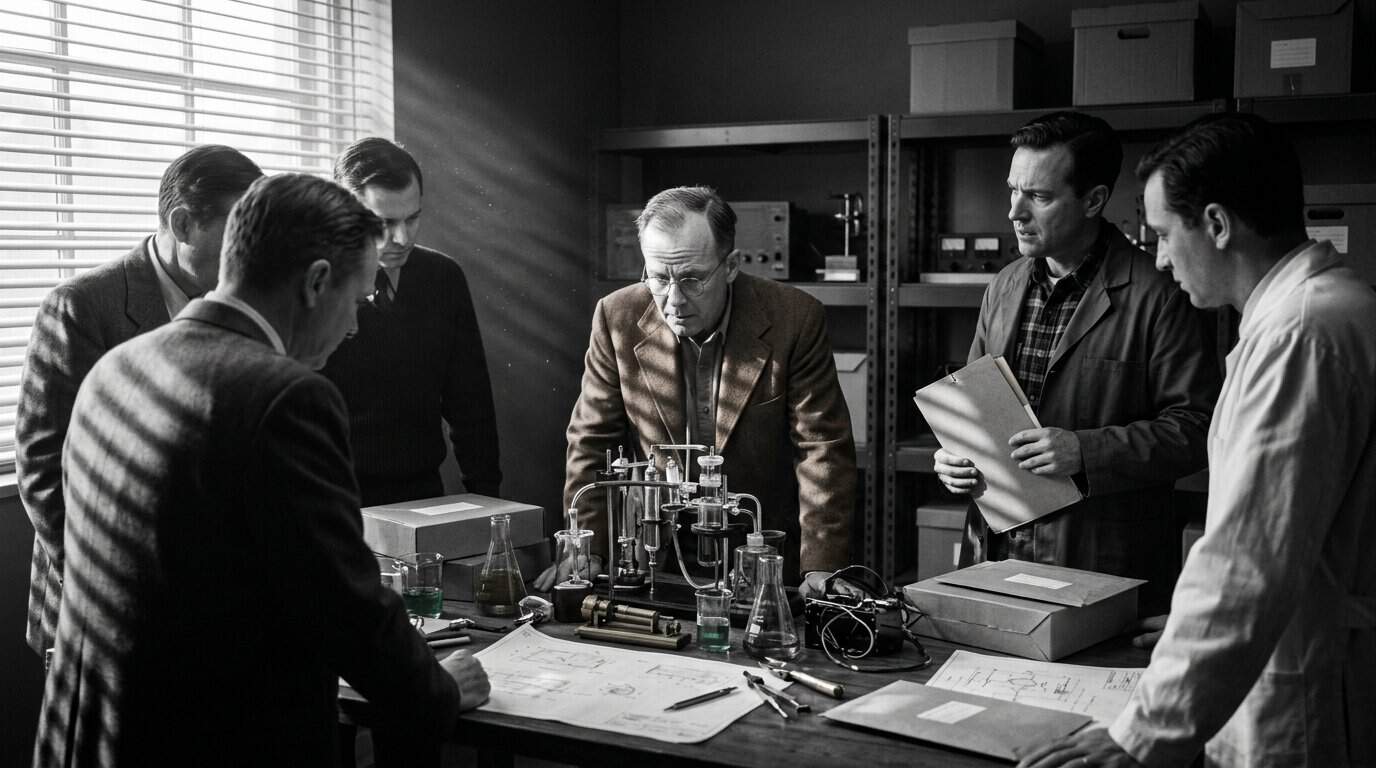
In July 1945, only months after Germany’s defeat, U.S. officials created Project Overcast to bring selected German scientists and engineers to the United States for questioning and work. Their knowledge covered rockets, aviation, guided missiles, medicine, and chemical warfare, fields that had advanced rapidly during the war. American planners feared that the Soviet Union, Britain, or other rival powers might recruit the same experts and gain valuable military secrets. What began as a temporary intelligence effort soon became a broader search for specialists who could strengthen U.S. defense and scientific research.
By 1946, the program had been renamed Project Paperclip, reportedly because paperclips marked the files of candidates selected for transfer. The name helped conceal the operation’s purpose as officials arranged immigration, security reviews, and new positions for German specialists. The most famous recruit was rocket engineer Wernher von Braun, whose team later helped build the rockets that carried the United States into the Space Age. Other recruits worked on aircraft, missiles, medical research, and chemical weapons, making Paperclip a broad postwar effort rather than a single rocket program.
The program also revealed a difficult compromise between national security and justice. Records examined by the National Archives show that some recruits had belonged to Nazi organizations or had worked within systems that used forced labor. Officials sometimes softened or withheld troubling details during their reviews. Supporters argued that gathering this expertise was necessary during the emerging Cold War, but critics questioned whether scientific gains could justify giving former Nazi personnel new lives without full accountability. These documented gaps later fueled conspiracy claims, although the surviving evidence points to a secretive and morally compromised government program rather than proof of every story associated with it.
Von Braun And The V-2 Legacy
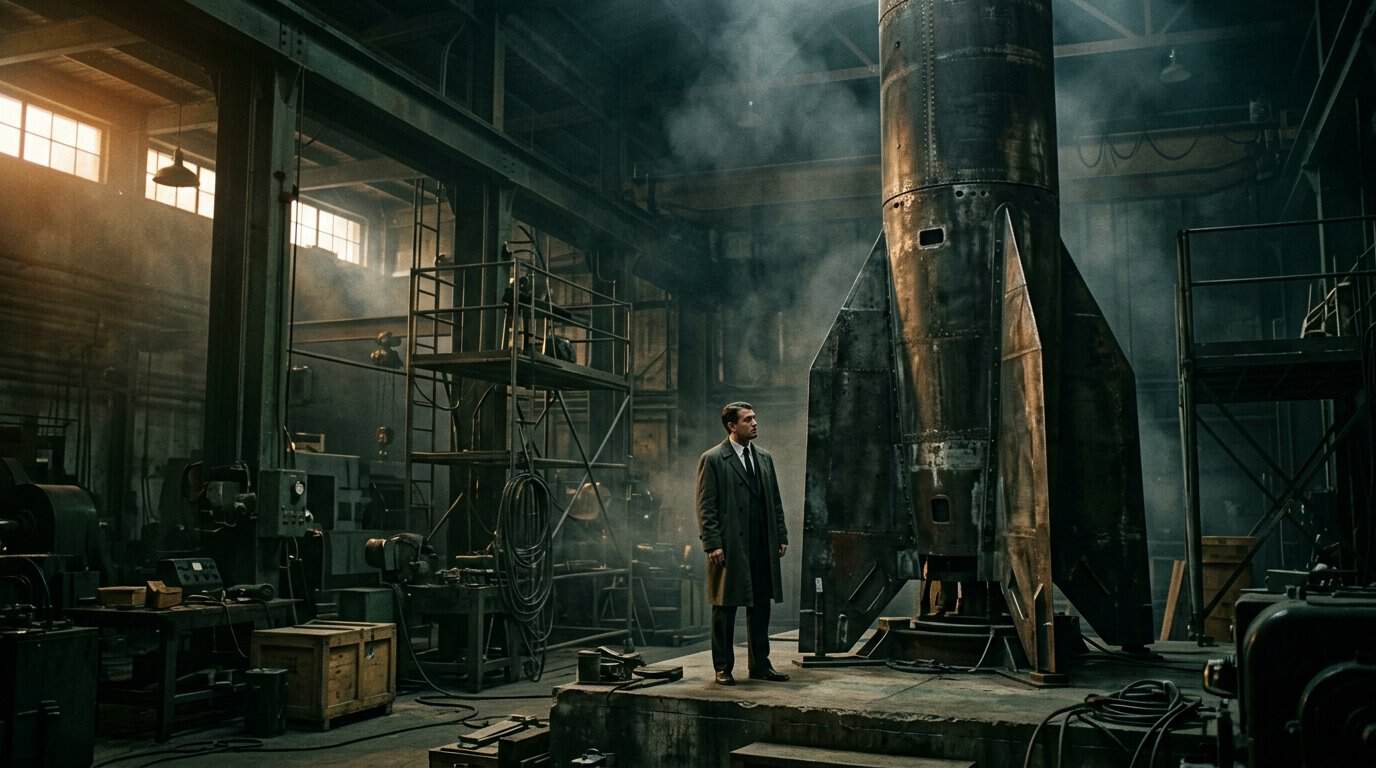
In 1945, the United States brought Wernher von Braun and other German rocket specialists into the country through Project Overcast, later renamed Operation Paperclip. Their expertise came from the V-2, the world’s first long-range guided missile, developed for Nazi Germany during World War II. The team first worked at Fort Bliss, Texas, where it tested and improved captured rockets for the U.S. Army. Their arrival reflected the early Cold War, as American officials wanted to keep German knowledge away from the Soviet Union. Records describe a race for technology, but they also raise difficult questions about how much officials knew about each recruit’s wartime activities.
The V-2’s achievements cannot be separated from the suffering behind them. Production took place largely at Mittelwerk, an underground factory where prisoners from the Mittelbau-Dora camp were forced to build missiles under brutal conditions. Thousands died from exhaustion, disease, starvation, executions, and the dangers of the factory environment. Although von Braun later became the public face of American rocketry, historians and government records continue to examine what he knew about forced labor and the camp system. This legacy makes the story more complicated than a simple account of scientific progress.
At Redstone Arsenal in Alabama, von Braun’s group helped develop the Jupiter and Redstone missiles, strengthening America’s early missile program. In 1960, the team moved to NASA, where its Saturn rockets carried astronauts toward the Moon during the Apollo missions. The same research path therefore ran from a wartime weapon to space exploration, creating both a remarkable engineering legacy and a lasting moral debate. Later claims about hidden files and secret agreements draw some support from documented efforts to soften or alter parts of recruits’ records, but that evidence does not prove every broader conspiracy. The central question remains: how should history weigh Apollo’s achievements against the human cost and political choices that helped make them possible?
Nazi Records And Ethical Conflicts
In July 1945, the U.S. Army began Project Overcast, later renamed Operation Paperclip, to bring German scientists and engineers into American research programs. Officials wanted knowledge of rockets, aviation, medicine, and weapons before the Soviet Union could obtain it. National Archives records show that security reviews did not always follow ordinary immigration rules, especially when officials considered a recruit’s technical value urgent. In some cases, negative details about Nazi Party membership or wartime work were softened, removed, or treated as exceptions. The result was a program that advanced American missile and space research while placing scientific gains ahead of a full accounting of the past.
Later investigations under the Nazi War Crimes Disclosure Act brought many of these choices back into public view. Reports from the Interagency Working Group, held with related records at the National Archives, documented how agencies handled files involving former Nazi officials, military researchers, and suspected war criminals. The records do not show that every recruit shared the same level of responsibility, but they reveal an uneven process in which political urgency could outweigh legal and moral concerns. Survivors’ testimony from forced-labor sites, including the underground rocket works at Mittelwerk, added a human dimension often missing from official résumés. Their accounts challenged the idea that technical achievement could be separated neatly from the suffering that made some wartime projects possible.
Wernher von Braun and his rocket team later helped shape the U.S. space program, making Paperclip a powerful example of how former enemies could contribute to national scientific goals. Yet the program’s success did not erase questions about who knew what, who edited the records, and why some people received protection from consequences that others did not. National Archives material suggests less a single hidden plot than a series of documented compromises made during the early Cold War. Those compromises continue to fuel debate about accountability, justice, and whether national security can justify silence when survivors are still waiting to be heard.
Declassified Files And Conspiracy Claims
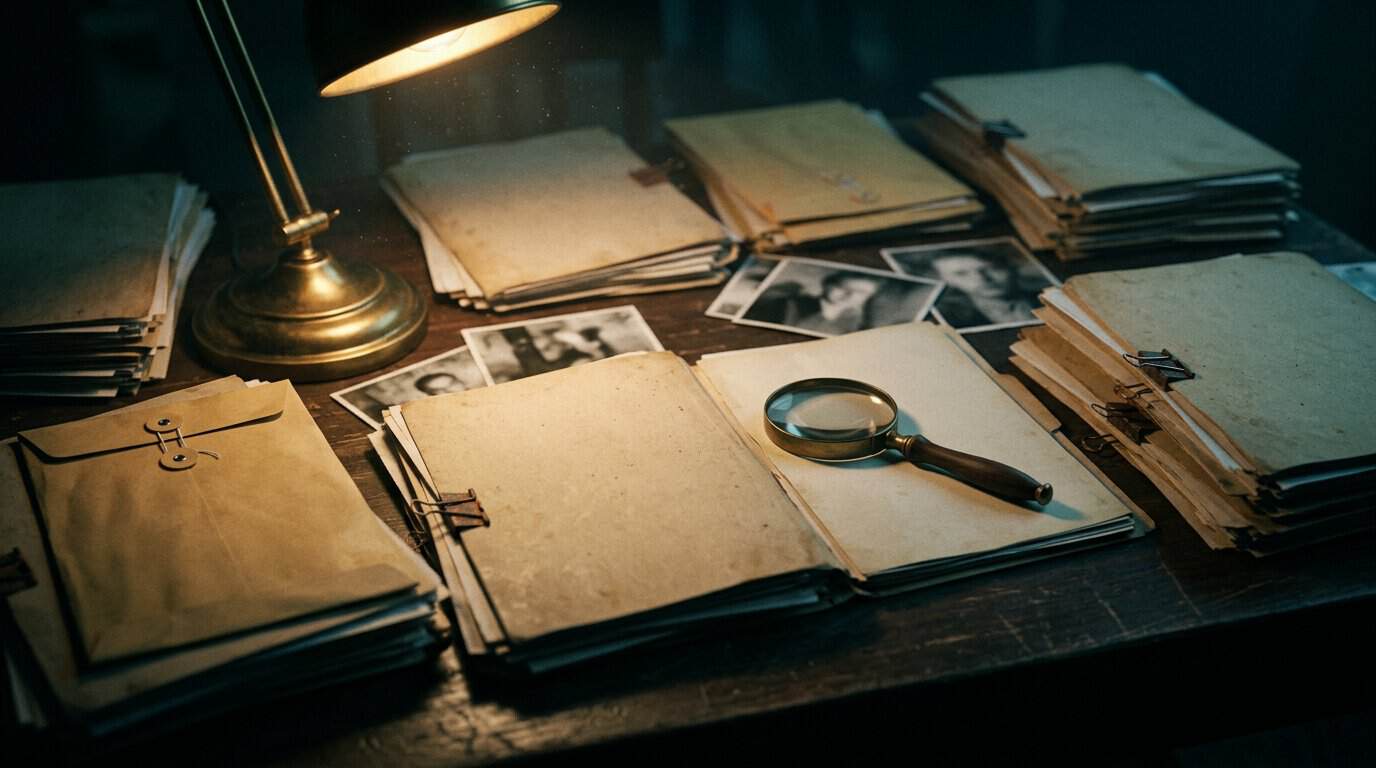
Declassified records confirmed that Operation Paperclip was more secretive than officials first admitted. The program began as Project Overcast in July 1945 and was renamed Project Paperclip in 1946, as U.S. agencies brought roughly 1,600 German and Austrian specialists into American military and research work. Files reviewed by the National Archives and later investigations showed that officials sometimes removed or softened evidence of Nazi Party membership, wartime service, and possible involvement in forced labor. Those actions helped selected recruits enter the United States despite rules meant to exclude serious Nazi offenders. The secrecy was real, but the records also show a messy bureaucracy driven by the early Cold War race for rockets, missiles, aviation knowledge, and medical research.
What the documents verify is troubling enough without adding unsupported details. Wernher von Braun and members of his rocket team helped advance the U.S. missile and space programs, while other recruits worked in fields connected to aircraft, chemical warfare, and military medicine. The evidence does not, however, prove every later claim that Paperclip scientists delivered hidden energy devices, perfected flying saucers, or took part in a single coordinated program of covert human experiments. Some theories draw strength from genuine secrecy and documented misconduct, but they often combine separate projects, rumors, and classified Cold War programs without a clear paper trail. A careful account should distinguish confirmed recruitment and record manipulation from speculation about technologies or experiments that remain unverified.
A timeline graphic could follow the path from Project Overcast in 1945 to Paperclip’s expansion in 1946, the arrival of key rocket teams, and the later release of investigative files. A recruitment map showing German research centers, transfer routes, and U.S. military facilities would make the program’s reach easier to understand. Internal links to related mysteries involving Nazi technology, Cold War intelligence, and classified government programs could show how real history became the foundation for wider conspiracy claims. The most revealing question may not be whether every rumor is true, but how much secrecy and compromise a government will accept when it uses national security to justify its choices.
How Operation Paperclip Shaped the Space Age
Operation Paperclip began as Project Overcast in July 1945, when U.S. officials quietly recruited German and Austrian scientists after World War II. Renamed Project Paperclip in 1946, the effort aimed to secure knowledge in rocketry, aviation, medicine, and weapons before it reached the Soviet Union. The work of Wernher von Braun and his rocket team later helped build the missiles and launch vehicles that carried the United States into the Space Age. What started as a secret postwar operation became a foundation of American aerospace power.
That success, however, came with a troubling cost. Some recruits had belonged to Nazi organizations, and records show that officials sometimes softened or concealed parts of their backgrounds to keep them eligible for employment. Documents preserved by the National Archives support the central history of the program, while later claims about hidden technologies and broader conspiracies often mix real secrecy with speculation. The evidence does not erase the program’s achievements, but it makes clear that scientific progress was sometimes placed ahead of justice for victims of persecution and forced labor.
Operation Paperclip therefore remains more than a story about rockets and national competition. It is also a reminder that governments may treat knowledge as a strategic resource, even when the people who possess it are tied to grave crimes. The unresolved question is whether the benefits of scientific progress can ever justify cooperation with specialists connected to persecution and forced labor. Readers can consider where that line should be drawn and whether achievement is enough to redeem the choices made in its pursuit.
Frequently Asked Questions
1. What was Operation Paperclip?
Operation Paperclip was a U.S. program that brought selected German scientists and engineers to the United States after World War II. Their expertise supported American work in rockets, aviation, guided missiles, medicine, and chemical research during the early Cold War.
2. When did Operation Paperclip begin?
The effort began as Project Overcast in July 1945, only months after Germany surrendered. By 1946, officials renamed it Project Paperclip and expanded the program from questioning German specialists to arranging their immigration and employment in the United States.
3. Why did the United States recruit German scientists?
American officials feared that the Soviet Union and other rival powers would gain Germany’s advanced military knowledge first. Records from the National Archives show that the program focused on fields that could strengthen U.S. defense, especially rocket and missile development.
4. Who was the most famous person connected to Operation Paperclip?
Wernher von Braun was the program’s best-known recruit and later became a leading figure in the American space program. His team helped develop the rockets that supported the Mercury and Apollo programs, including the Saturn V rocket that carried astronauts to the Moon.
5. Did Operation Paperclip recruit Nazis?
Some recruits had ties to Nazi organizations, and several worked on wartime projects connected to forced labor. Von Braun, for example, joined the Nazi Party and held an honorary SS rank, while research at the Mittelwerk rocket facility relied on prisoners from the Mittelbau-Dora camp.
6. Did U.S. officials hide or soften the scientists’ pasts?
In some cases, officials changed or withheld information during security reviews and immigration proceedings. Declassified files from the National Archives and investigations by the U.S. Department of Justice show that national security goals sometimes took priority over a complete public accounting of an applicant’s wartime record.
7. How did Operation Paperclip influence the Space Age?
The recruited engineers brought experience from Germany’s V-2 rocket program, giving the United States a valuable starting point for missile and space research. Their knowledge did not create the American space program alone, but it accelerated work at facilities such as the Army Ballistic Missile Agency and NASA’s Marshall Space Flight Center.
8. Why does Operation Paperclip remain controversial?
The program produced major scientific and military gains, but it also raised a lasting question about whether strategic advantage can justify overlooking suspected war crimes or political involvement. Its history remains important because it places American technological achievements beside the human cost and moral compromises that helped make them possible.