
The Isdal Woman Mystery: Timeline, Evidence, And Unanswered Questions
The Isdal Woman mystery began on November 29, 1970, when a family found the badly burned body of an unidentified woman in Norway’s Ice Valley. She carried no identification. Investigators found labels cut from her clothing, false names in hotel records, and a trail of unexplained movements across Europe. More than five decades later, no official identification or definitive explanation for her death has been confirmed.
The surviving evidence offers clues, but no clear answer. Was she a spy, a traveler hiding from someone, or a woman whose final days were misunderstood? By separating documented facts from later theories, the case shows why the Isdal Woman remains one of the world’s most haunting unsolved mysteries.
Key Takeaways
- The Isdal Woman was found badly burned in Norway’s Ice Valley on November 29, 1970, with no reliable identification. More than five decades later, her identity remains officially unconfirmed.
- False names, removed clothing labels, wigs, coded-looking notes, and extensive travel records show that she deliberately concealed her identity, but they do not prove she was a spy.
- The circumstances of her death remain unresolved. Evidence involving burns, sedatives or barbiturates, and possible smoke inhalation has not definitively established whether she died by suicide, accident, or foul play.
- Espionage and recent identification claims remain unverified. The documented evidence supports multiple possibilities, so speculation must be kept separate from proven facts.
Why The Isdal Woman Mystery Endures
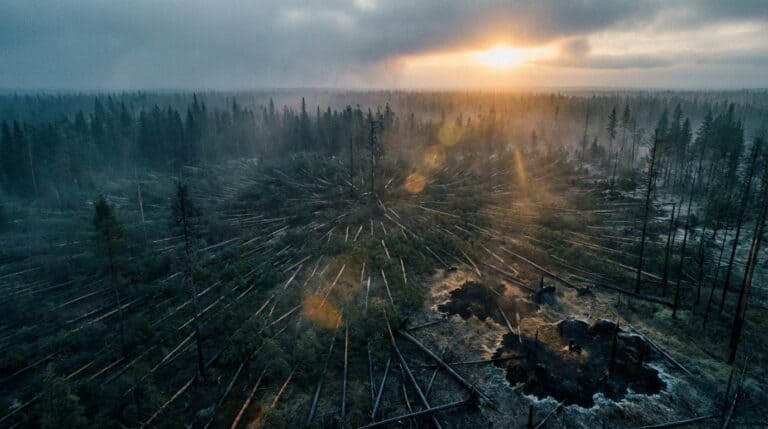
On November 29, 1970, a man and his two daughters discovered the badly burned body of an unidentified woman in Isdalen, known as Ice Valley, near Bergen, Norway. Bergen police opened case 134/70, but the woman carried no reliable identification, and labels had been removed from much of her clothing. Her movements soon became as puzzling as her death. Hotel records, false names, wigs, and several passports pointed to a carefully concealed past. Investigators were left asking who she was, why she traveled through Norway, and what brought her to the remote valley.
The evidence created a trail that seemed deliberate but never formed a complete explanation. Notes found among her belongings included strings of numbers that some researchers believe may have recorded coded travel information. Others caution that their meaning cannot be proven. Her stays in different hotels and use of aliases fueled theories that she may have worked for an intelligence service during the Cold War, although no public evidence has established that connection. Police records and later reporting have kept those theories alive, but they have not confirmed whether she died by suicide, was murdered, or became the victim of another event.
More than five decades later, the Isdal Woman mystery endures because each clue raises another question instead of closing the case. She was buried in an unmarked grave at Møllendal Cemetery, and no credible official announcement has identified her or named a killer. Online claims that she has been identified remain unsupported, making careful comparison of forensic evidence, travel records, and historical documents especially important. Until a verified identity or definitive account of her death emerges, the case remains an unsettling reminder that even a heavily investigated mystery can leave behind more possibilities than answers.
The 1970 Isdalen Discovery

On November 29, 1970, a man and his two daughters came across a burned body in Isdalen, a remote valley outside Bergen known as “Ice Valley.” The discovery led Bergen police to open case 134/70, beginning one of Norway’s longest-running unidentified-person investigations. The woman had been badly burned, and the scene offered few clear clues about who she was or how she had died. Her position and the condition of the surrounding area made it difficult to explain the death with certainty.
Early police descriptions estimated that the woman was between 25 and 30 years old and about 164 centimeters tall. She had dark hair and several distinctive dental fillings, but investigators found no identity document containing her name or home address. They also noted that labels had been removed from her clothing and belongings. This added to the mystery while leaving room for more than one interpretation. Despite searches, interviews, and efforts to trace missing women, the investigation did not produce a confirmed identity.
With no family coming forward and no reliable name attached to the case, the woman was eventually buried in an unmarked grave at Møllendal Cemetery in Bergen. Her burial closed the first chapter of the investigation, but it did not resolve the central questions surrounding her death. The official record still leaves her identity, the exact circumstances of the fire, and any possible motive uncertain. Decades later, the Isdal Woman remains a case in which physical evidence, police records, and speculation must be carefully separated.
Clues From Luggage And Aliases
The suitcases linked to the Isdal Woman offered some of the clearest clues, but they also raised new questions. Police found clothing with labels removed or cut out, along with wigs, glasses, cosmetics, and other personal items that made her appearance difficult to trace. Notes containing groups of numbers were also discovered, and investigators believed some may have recorded hotel stays or travel details. Those findings are documented in the case files. Claims that the numbers formed a spy code remain interpretations rather than proven facts.
Hotel registers and travel records placed the woman under several names as she moved through Norway and other parts of Europe. She reportedly used different identities from one stay to another, and her appearance sometimes changed with her clothing, hair, or accessories. This pattern supports the view that she took deliberate steps to hide her identity, although it does not by itself prove that she worked for an intelligence service or was being pursued. A useful timeline graphic could place her reported movements in date order, showing each alias, hotel, railway journey, and gap in the record. It could also distinguish details drawn from police documents from those that remain uncertain.
The clothing and luggage therefore point to careful planning, but not to one clear explanation for her death. Some researchers see the removed labels, coded notes, and false names as signs of espionage. Others suggest they could reflect an attempt to escape an abusive past, financial trouble, or fear of discovery. No publicly confirmed identification has resolved these questions, and later claims about her name should be treated cautiously unless supported by an official announcement and independent evidence. When reviewing the case, readers can compare this evidence with other unresolved identity mysteries on the site and ask which clues are strongest and which may have gained meaning only after the story became famous.
The Death Evidence And Disputed Findings
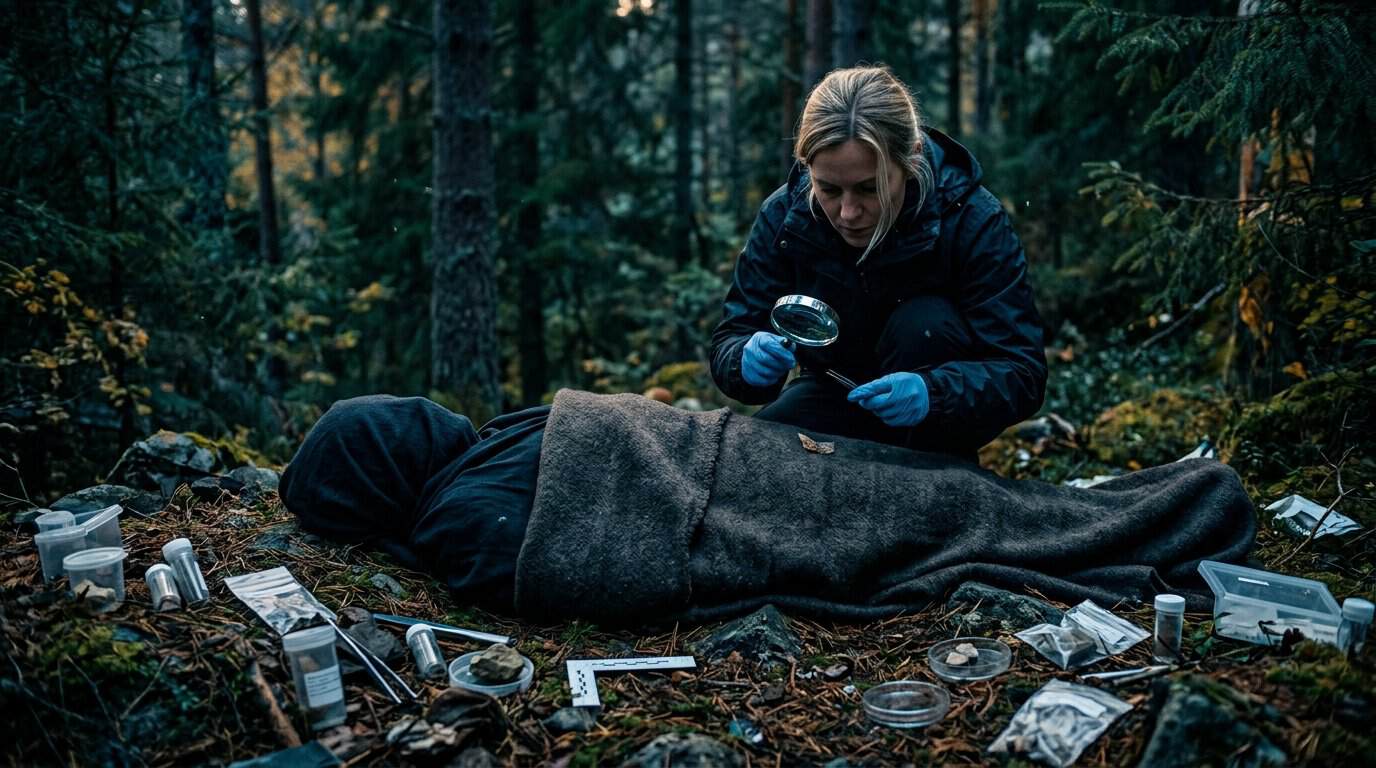
The Isdal Woman’s death was investigated as a fire scene from the moment her burned body was found in Isdalen on November 29, 1970. Records from the Bergen police investigation, case 134/70, and later summaries of the autopsy describe severe burns, along with evidence associated with sedatives or barbiturates. Some accounts also refer to carbon monoxide in her blood, which raised the possibility that she inhaled smoke while the fire was burning. Yet the damage to her body made it difficult to establish what happened first or whether the fire itself caused her death.
The toxicology findings remain open to interpretation because testing methods in 1970 were less precise than those used today. Barbiturates may have caused heavy sedation or contributed to her death, but the surviving public record does not clearly establish the exact drug, dose, or timing. Carbon monoxide can point to smoke inhalation, although its presence does not by itself show whether she was alive when the fire began. Severe burns could also have destroyed or obscured evidence of injuries, making it difficult to distinguish an accident, suicide, or possible foul play.
Police ultimately treated the case in a way that was consistent with suicide, but no publicly verified finding has resolved the cause and manner of death beyond dispute. The lack of a confirmed identity, the incomplete surviving records, and the limits of forensic science at the time leave room for competing interpretations, including theories that she may have been connected to intelligence work. Those theories remain possibilities rather than proof, and no independently verified evidence has established that another person killed her. Which detail seems most important to the case: the toxicology, the fire scene, or the unanswered question of her identity?
Espionage Theories And Unverified Claims
Cold War espionage theories grew from the Isdal Woman’s use of aliases, coded notes, altered labels, and a travel trail that crossed several Norwegian towns in 1970. Those details may suggest a trained intelligence officer, especially when viewed against the secrecy and rivalry of the era. Yet the surviving police records do not publicly establish a link to any intelligence service. Her hotel registrations and travel documents show concealment, but they do not prove espionage. The case file, opened by Bergen police as 134/70, supports a mystery, but it does not confirm the dramatic story often built around it.
Other explanations remain possible, including an attempt to hide her identity for personal reasons or involvement in an unknown criminal network. Investigators found clues that appeared deliberate, but clues are not the same as a verified message. No public record has shown who wrote them or what they meant. Modern claims have also circulated online, including the name “Margot Elise Hoffman,” but no credible police announcement or independent confirmation has established that identity. Readers comparing this case with other unidentified deaths should treat confident online conclusions carefully, especially when they rely on repeated speculation rather than records.
As of August 3, 2026, the Isdal Woman has not been officially identified, and no killer or definitive cause and manner of death has been publicly established. The combination of coded clues, uncertain travel history, and a Cold War setting keeps the espionage theory alive, but the available evidence still leaves several ordinary and extraordinary possibilities open. Her story also belongs beside other Cold War mysteries, where real intelligence activity can be difficult to separate from later folklore. The central question remains unchanged: did the evidence point to a hidden mission, or did a desperate private life simply look like espionage after her death?
What The Isdal Woman Mystery Still Reveals

The strongest evidence begins with the scene itself. On November 29, 1970, a man and his two daughters found the badly burned body of an unidentified woman in Isdalen, near Bergen, and Bergen police opened case 134/70. Investigators also traced a trail of hotel stays made under several names, while labels had been cut from clothing and belongings had been altered or removed. Notes containing numbers and coded writing, along with wigs, disguises, and travel records, suggest that she took unusual care to hide her identity. They do not prove that she worked for an intelligence service.
Important uncertainties remain at nearly every stage of the investigation. The woman’s exact movements, nationality, occupation, and reason for being in Norway have never been firmly established, and the public record does not settle whether her death was suicide, an accident, or a deliberate killing. The condition of the body and the limits of forensic methods in 1970 made it difficult to recover clear answers. Later efforts to use dental information, photographs, records, and modern DNA research have not produced an official identification. Claims that she has recently been identified, including claims using names such as “Margot Elise Hoffman,” have not been supported by a credible police announcement or independent verification as of August 3, 2026.
That gap between a detailed paper trail and a missing name explains why the Isdal Woman mystery endures. The evidence supports the existence of a real woman who traveled under false identities and took deliberate steps to conceal her past, but it does not by itself establish espionage, organized crime, or murder. Readers can weigh whether the documented record best fits a frightened traveler, a person living under an assumed identity, an intelligence connection, or another explanation. Those theories should remain separate from what investigators actually proved. Which possibility best matches the known facts, and which parts remain speculation?
The Isdal Woman’s Unanswered Questions
The Isdal Woman mystery remains unresolved more than five decades after her burned body was found in Isdalen, near Bergen, on November 29, 1970. Police records describe a woman who traveled under several names, carried coded notes, and had removed labels from much of her clothing and luggage. These details created a picture of careful concealment, while the conditions surrounding her death raised questions about whether her death was suicide, an accident, or something more deliberate. Yet no theory has been proven, and the available evidence does not establish who she was or how she died.
Modern interest in the case has brought renewed attention to forensic testing, archived police files, and possible links to Cold War intelligence activity. Those theories are intriguing, but they remain theories. Recent claims that the woman has been officially identified are not supported by a credible police announcement or independently verified reporting. For now, the Isdal Woman is remembered through fragments of travel records, witness accounts, coded clues, and unanswered questions. Her identity may still be uncovered, leaving readers to consider which explanation best fits the evidence and what overlooked record could finally solve the mystery.
Frequently Asked Questions
1. What is the Isdal Woman mystery?
The Isdal Woman mystery concerns the unidentified woman whose badly burned body was found in Norway’s Ice Valley on November 29, 1970. She carried no reliable identification, and investigators discovered removed clothing labels, false hotel names, wigs, and unusual travel records. More than five decades later, her identity and the full circumstances of her death remain unconfirmed.
2. Where and when was the Isdal Woman found?
A man and his two daughters found the woman in Isdalen, known as Ice Valley, near Bergen, Norway. The discovery took place on November 29, 1970, and Bergen police opened the investigation under case number 134/70. The remote location and condition of the body immediately made the case difficult to solve.
3. What clues did investigators find with the Isdal Woman?
Investigators found clothing with its labels removed, several wigs, false names in hotel records, and belongings that suggested she had traveled through different parts of Europe. Notes containing strings of numbers were also recovered, although their meaning has never been proven. These details show that her identity was concealed, but they do not establish why.
4. Did the Isdal Woman use multiple identities?
Yes. Hotel records showed that she registered under several names while moving between locations in Norway and elsewhere in Europe. The use of aliases, wigs, and altered clothing may indicate deliberate secrecy, but it could also reflect a person trying to protect a private life. No confirmed identity has been connected to those names.
5. Was the Isdal Woman a spy?
The spy theory grew from her aliases, coded-looking notes, international travel, and the Cold War setting. Some researchers believe those details may point to intelligence work, but Bergen police records and later investigations have not produced public proof that she worked for a government agency. The theory remains possible, not established fact.
6. How did the Isdal Woman die?
Her body was badly burned, and the evidence surrounding her final moments has never produced a universally accepted explanation. Authorities treated the death as likely suicide, but questions about the remote location, missing identification, and unusual belongings have kept other possibilities alive. No definitive public finding has explained every detail.
7. Has the Isdal Woman ever been identified?
No official identification has been confirmed. Investigators examined her belongings, dental information, hotel records, and travel history, but none produced a conclusive name. Later research has offered clues about her background and movements, yet those clues have not closed the case.
8. Why does the Isdal Woman mystery still matter?
The case endures because it combines a documented travel trail with a missing personal history and an unexplained death. Police records provide real evidence, while theories about espionage, a hidden identity, or a misunderstood traveler attempt to connect the fragments. The strongest conclusion is still a careful one: the woman’s movements are partly known, but her identity, motives, and final story remain open questions.