Jersey Devil Legend: History, Sightings, And Evidence
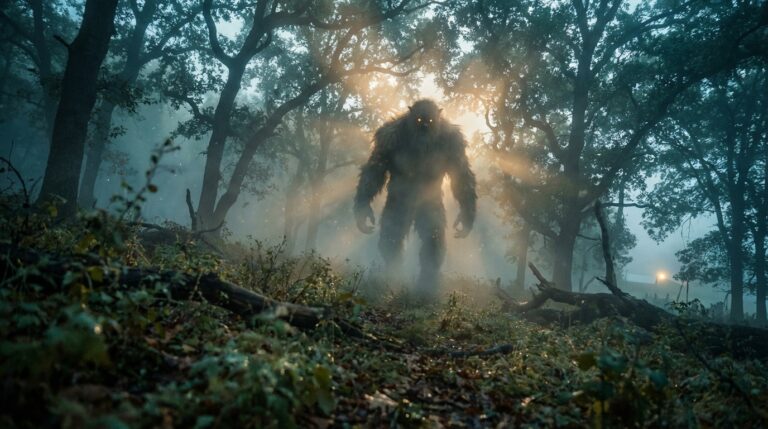
For centuries, the Jersey Devil legend has haunted the dark forests and lonely roads of South Jersey’s Pine Barrens. Witnesses describe a strange creature with wings, hooves, glowing eyes, and a terrifying scream. Yet the story’s roots may be as revealing as the monster itself. Its history reaches back to the Leeds family, colonial disputes, and a dramatic wave of reported sightings in January 1909.
No verified specimen, DNA, remains, or photograph has confirmed that the Jersey Devil is a real animal. Yet the legend continues to raise compelling questions about folklore, fear, mistaken sightings, and the possibility that something unusual inspired the tale. Separating documented history from enduring mystery makes the story no less fascinating. It makes the search for answers even more intriguing.
Key Takeaways
- The Jersey Devil’s traditional origin dates to the 1735 Mother Leeds story, but no colonial record confirms the birth or transformation. The legend likely combines Leeds family conflicts, older folklore, and later retellings.
- The January 1909 sighting wave transformed the Jersey Devil into a widely known regional phenomenon through newspaper reports of tracks, cries, attacks, and winged figures. Inconsistent accounts and the lack of verified physical evidence make the reports evidence of public belief, not proof of a creature.
- No authenticated specimen, remains, DNA, or independently verified photograph confirms the Jersey Devil as a distinct animal. Misidentified wildlife, poor visibility, hoaxes, fear, and changing retellings may explain individual encounters, although no single theory resolves every report.
- The legend endures because it connects South Jersey identity, the mysterious Pine Barrens, colonial history, and unresolved eyewitness accounts. Modern media, tourism, folklore, and popular culture continue to reshape and preserve the creature’s image.
Mother Leeds And The 1735 Origin
The best-known origin story begins in 1735, when Mother Leeds reportedly gave birth to her thirteenth child near Leeds Point in the Pine Barrens. According to the tale, she cursed the baby during a difficult night, and the child soon changed into a winged creature with hooves, a long tail, and a frightening cry before flying into the woods. No surviving colonial record confirms that this birth or transformation occurred, so 1735 is best treated as the traditional date of the legend rather than a documented event. A timeline graphic or map of Leeds Point could help readers separate the claimed origin from the later history of the story.
The Leeds family may have provided real names and local tensions that gave the tale its shape. Daniel Leeds, a prominent colonial figure, faced criticism from some Quaker communities. His religious views, astrological writings, and political disputes made the family a target for satire. Later storytellers may have blended those conflicts with older tales of cursed births, strange animals, and wilderness spirits, turning a family controversy into the story of the Leeds Devil. In this version, the Jersey Devil reflects not only fear of the Pine Barrens, but also the way colonial rivalries could survive through rumor.
Much of the familiar imagery appears to have grown stronger through later retellings, newspaper coverage, and regional storytelling rather than through evidence from 1735. Reports from the major January 1909 sighting wave helped establish the modern creature’s common features, although witnesses described different shapes and behaviors. No authenticated remains, DNA, or independently verified photograph has identified the Jersey Devil as a new animal. Known wildlife, poor visibility, and frightened witnesses may explain some encounters. Even so, the persistence of the story keeps an important question alive: does the legend preserve a misunderstood event, or does it show how history and imagination can create a creature that feels real?
The 1909 Jersey Devil Sightings
January 1909 brought the Jersey Devil legend into the headlines during a sudden wave of reports across South Jersey and nearby parts of Pennsylvania. Between roughly January 16 and 23, newspapers described alleged encounters in towns including Camden, Haddon Heights, and other communities near the Pine Barrens, with some accounts spreading into Philadelphia. Witnesses reported a strange animal, unusual cries, and, in some cases, a creature with wings or clawed feet. The descriptions were far from consistent. These newspaper stories are important evidence of public belief and media interest, not proof that a single unknown animal was present.
Footprints became one of the most repeated details in the 1909 reports, especially after tracks appeared in snow and were said to cross yards, roads, and rooftops. Some residents called police, searched surrounding woods, or compared the marks with familiar animals, while newspapers helped turn local rumors into a regional panic. The reaction included neighborhood watches, armed patrols, and widespread speculation about what could have made the tracks. No authenticated specimen, photograph, or independently verified investigation established that the prints belonged to a supernatural creature. Later retellings often presented uncertain reports as settled facts.
The January wave also helped shape the familiar modern image of the Jersey Devil, including its horse-like head, wings, hooves, tail, and frightening scream. Those features drew on older Leeds family folklore and colonial-era storytelling, then became more fixed as newspapers, books, and popular culture repeated the 1909 accounts. Possible explanations range from misidentified wildlife and ordinary tracks to hoaxes, group excitement, and stories altered through retelling, although unanswered details continue to fuel interest. Readers who enjoy comparing patterns across mysterious outbreaks can explore the site’s articles about famous cryptid sighting waves, where documented reports and later embellishments are examined side by side.
Pine Barrens Evidence And Explanations
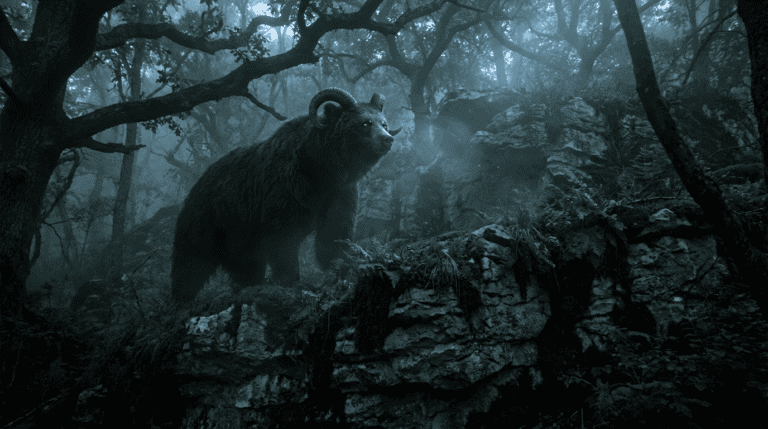
The Jersey Devil’s appearance has changed as the story moved through South Jersey folklore, newspapers, and popular culture. Early accounts connected to the Leeds family did not always describe the full modern creature, while later reports added a horse-like head, bat-like wings, hooves, a long tail, glowing eyes, and clawed limbs. The frightening scream became one of the legend’s most repeated details, especially during the large wave of reports in January 1909. Newspapers helped spread these dramatic features, making it difficult to separate firsthand observations from later embellishments. That changing description is important evidence about the legend’s development, even if it does not prove that a single animal was seen.
Several ordinary explanations could account for parts of the reports, particularly at night in the dense Pine Barrens. An owl or another large bird might appear to have wings and glowing eyes, while a deer or horse could explain hooves, a long shape, or movement glimpsed along a dark road. Strange cries from foxes, birds, or other wildlife may also have inspired stories about the Devil’s scream. Hoaxes, mistaken identities, shadows, and community excitement are possible explanations for some incidents, especially when reports spread quickly through newspapers. Yet no single theory accounts for every detail, including sightings that describe unusual combinations of wings, limbs, tail, and sound.
For now, the strongest evidence supports the Jersey Devil as a long-running cultural tradition rather than a scientifically confirmed animal. No authenticated body, remains, DNA sample, or independently verified photograph has established the creature’s existence, but that absence does not explain every witness account. The legend may preserve a mixture of real wildlife encounters, unusual sounds, pranks, and stories reshaped by colonial conflict and later publicity. Its mystery survives because the reports are inconsistent, yet often share a distinctly frightening atmosphere. Readers can weigh the evidence for themselves by asking which details seem most likely to reflect an observed animal and which may have emerged as the tale traveled.
Why The Jersey Devil Endures
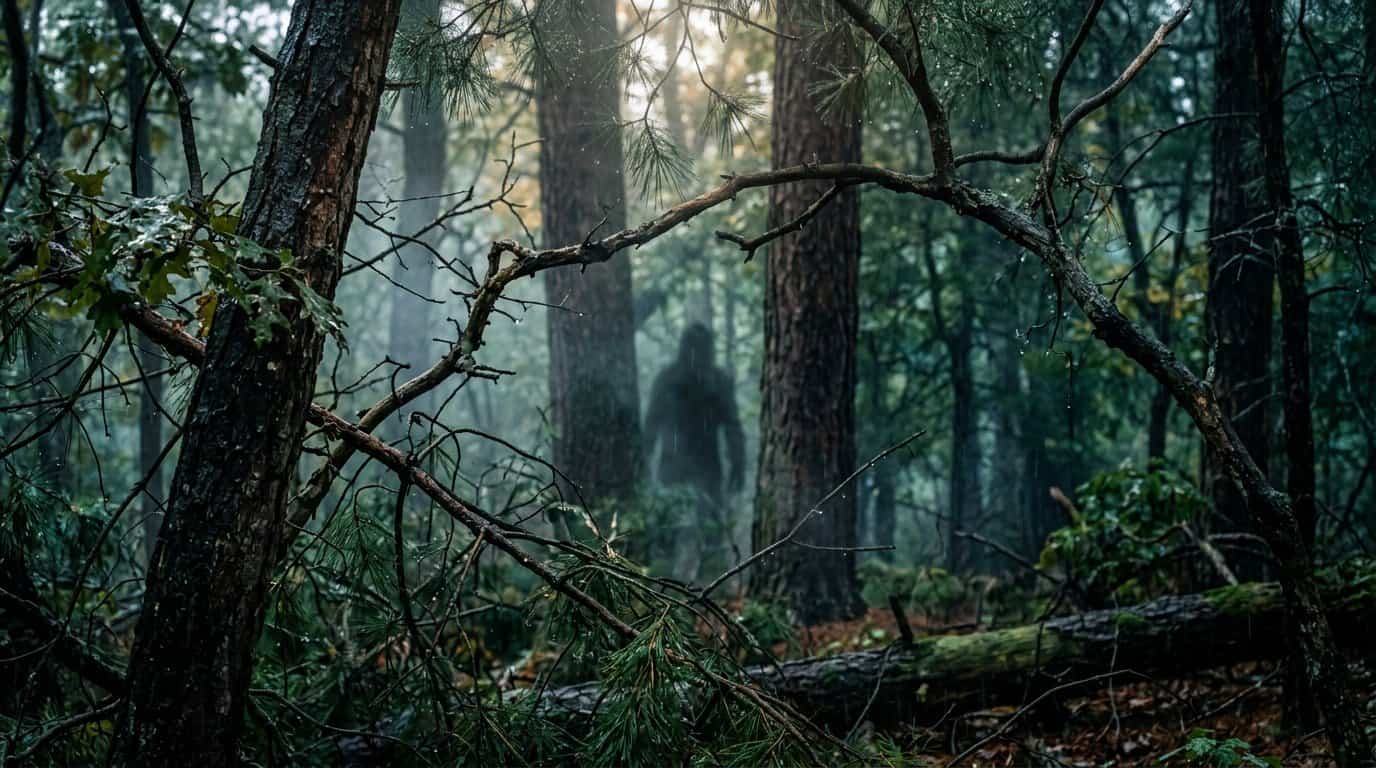
South Jersey identity gives the Jersey Devil legend a home as much as the Pine Barrens give it a setting. The story is often linked to the Leeds family and to colonial religious and political disputes, but the earliest details are difficult to separate from later retellings. Over time, a local tale about a strange birth and a cursed child grew into the familiar image of a winged, hoofed creature with a horse-like head and a frightening cry. That changing description places the Jersey Devil within a wider tradition of American folklore, where stories preserve community history even when the evidence remains uncertain. The legend’s endurance comes partly from that tension between documented history and the possibility that some reports began with an unusual animal or unexplained event.
A major turning point came during the sighting wave of January 1909, when newspapers reported frightened witnesses, tracks, attacks, and sightings across South Jersey and nearby communities. Those reports helped move the Jersey Devil from a regional story into a widely recognized American cryptid, while books, local traditions, roadside stories, and tourism kept the name in public memory. Schools, festivals, and sports imagery have also treated the creature as a symbol of toughness, mystery, and South Jersey pride. Modern television, websites, podcasts, and social media continue to reshape the legend, often adding details that cannot be traced to the earliest accounts. The timeline below separates the story’s documented growth from the later popular image.
| Period | What changed | Evidence and context |
|---|---|---|
| Colonial era | Leeds family stories take shape | Family tradition and political-religious conflict form the oldest commonly cited layer. |
| 1800s | Local Pine Barrens tales spread | Oral storytelling and regional reports build the creature’s reputation. |
| January 1909 | A concentrated wave of sightings makes headlines | Newspaper coverage provides the strongest record of the legend’s public expansion. |
| 20th century | Books, tourism, and sports imagery popularize the figure | The modern winged, hoofed design becomes a cultural symbol. |
| Today | Digital media keeps sightings and theories in circulation | No authenticated specimen, remains, DNA, or independently verified photograph has emerged. |
No scientific evidence confirms the Jersey Devil as a distinct animal, yet that conclusion does not explain every reported encounter. Misidentified owls, cranes, large birds, deer, and other wildlife could account for some sightings, while darkness, fear, distance, and changing retellings may explain others. Readers exploring regional monsters and unexplained animal sightings will find the same pattern: real observations can become larger stories as communities repeat them. The Jersey Devil remains compelling because its history is well documented even though the creature itself is not. Which part of the timeline seems most important in shaping the legend: colonial storytelling, the 1909 reports, or modern media?
How the Jersey Devil Legend Took Shape
The strongest evidence for the Jersey Devil points to a story that developed over time rather than to a confirmed animal. Its roots reach back to colonial South Jersey, where tales about the Leeds family became tangled with religious and political disputes before later newspapers helped spread the legend. The large wave of reports in January 1909 shows how quickly shared attention could turn local stories, unusual sounds, and uncertain sightings into a regional mystery. Yet no authenticated specimen, remains, DNA, or independently verified photograph has established the Jersey Devil as a real species.
That absence does not erase the experiences that kept the legend alive across generations. Some reports may reflect misidentified wildlife, strange shadows, or ordinary animals seen under poor conditions, while others could have been pranks or deliberate hoaxes shaped by the publicity of the time. Still, the repeated details, changing descriptions, and enduring place in Pine Barrens culture leave room for questions that simple explanations do not fully settle. Is the Jersey Devil best understood as a cultural story, a collection of mistaken sightings, a long-running hoax, or an enduring mystery with details still unexplained?
Frequently Asked Questions
1. What is the Jersey Devil legend?
The Jersey Devil legend describes a strange creature said to roam the Pine Barrens of South Jersey. Witnesses have reported a horse-like or animal-shaped figure with wings, hooves, glowing eyes, a long tail, and a terrifying cry. The legend blends local history, folklore, reported sightings, and unanswered questions about what people may have encountered.
2. Where did the Jersey Devil legend begin?
The traditional origin of the legend is placed near Leeds Point in 1735. The story says that Mother Leeds gave birth to her thirteenth child, cursed it during a difficult night, and watched it transform into a winged creature before escaping into the woods. No surviving colonial record confirms the birth or transformation, so 1735 remains a traditional date rather than a documented event.
3. Who was Mother Leeds?
Mother Leeds is the central figure in the best-known origin story of the Jersey Devil. Her identity may be connected to the real Leeds family, but the details of the birth and transformation appear in folklore rather than verified historical records. Over time, the story may have combined family tensions, older tales of cursed children, and fears surrounding the Pine Barrens.
4. How is Daniel Leeds connected to the Jersey Devil?
Daniel Leeds was a real colonial figure whose religious views, astrological writings, and political disputes drew criticism from some Quaker communities. Those conflicts may have made the Leeds family a target for satire and helped shape later stories about a monstrous child. Historical references support Daniel Leeds’s existence and public controversies, but they do not prove that he or his family had any connection to a supernatural creature.
5. What happened during the famous Jersey Devil sightings of 1909?
A dramatic wave of reported sightings spread through South Jersey and nearby communities in January 1909. Newspapers described strange tracks, animal attacks, flying figures, and frightening cries, creating widespread public alarm. The reports established the Jersey Devil as a modern cultural phenomenon, although no physical evidence from that period confirmed the creature’s identity.
6. Is the Jersey Devil a real animal?
No verified specimen, DNA sample, remains, or photograph has established the Jersey Devil as a known or unknown animal. That absence does not explain every sighting, since witnesses may have encountered unusual animals, misidentified tracks, or shared a story shaped by fear and expectation. Possible explanations include large birds, escaped livestock, hoaxes, and an unidentified creature, but none accounts for every report.
7. Why does the Jersey Devil legend still survive?
The legend endures because it connects a real landscape, old family history, frightening eyewitness accounts, and the possibility of something unexplained. The Pine Barrens offer remote roads and dense forests where unusual sounds and movements can be difficult to identify, giving the story a natural stage. Continued interest in folklore, cryptids, and the 1909 sightings keeps the mystery alive while evidence remains uncertain.
8. Can visitors search for the Jersey Devil in the Pine Barrens?
Visitors can explore public roads, forests, and historic areas associated with the legend, including places near Leeds Point, but they should follow local rules and avoid trespassing. Night travel requires extra care because the Pine Barrens can be isolated, dark, and difficult to navigate. A respectful search is best treated as a journey through local history and folklore, not as proof that an encounter is guaranteed.