The 2009 Panama Creature Discovery: Unraveling The Cerro Azul Mystery
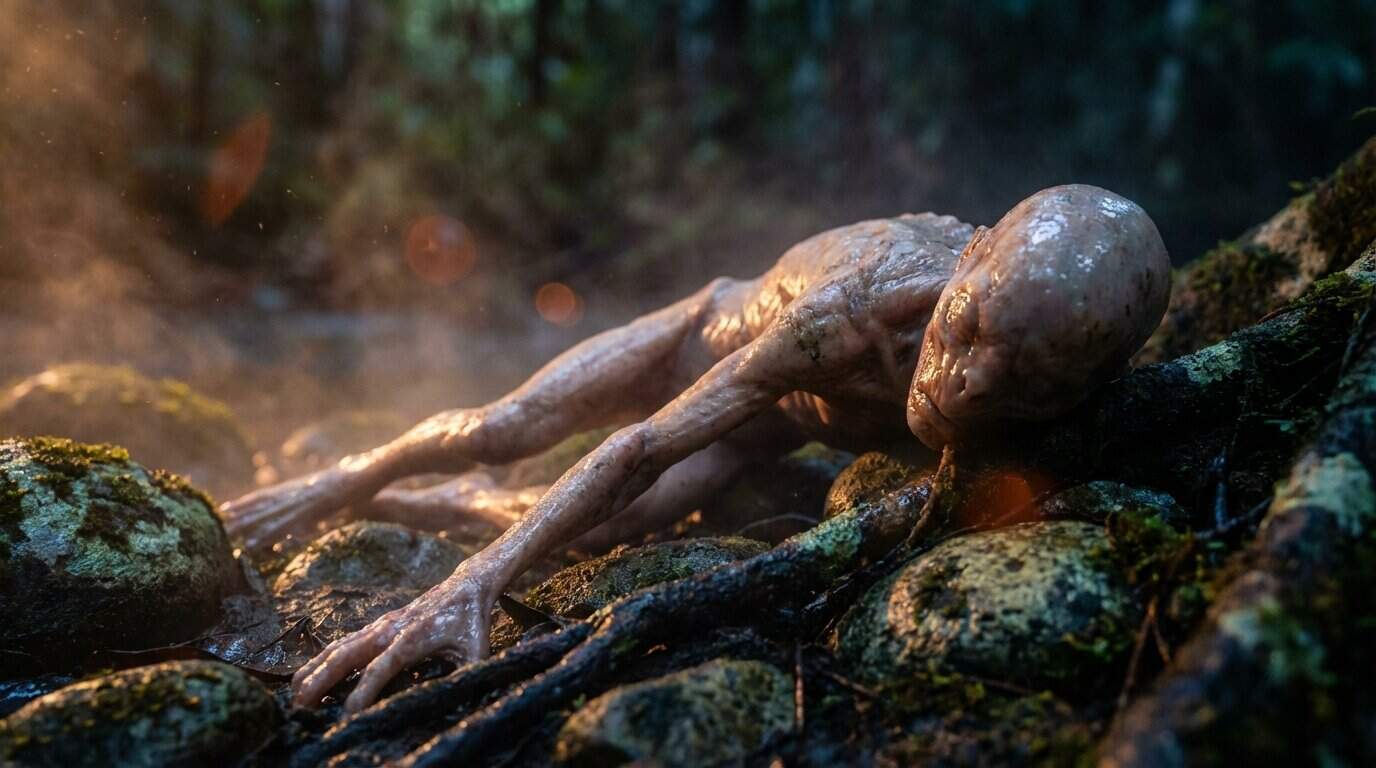
In September 2009, teenagers exploring a cave in Cerro Azul stumbled upon a terrifying, pale entity that looked like it belonged on another planet. Photos of the bizarre, rubbery being quickly circulated the globe, making the Panama creature discovery a highly debated modern mystery. While official reports labeled the strange beast as a decomposing, water-logged animal, the deeply unsettling images left an undeniable mark on the public imagination.
The legend sparked back to life recently with fresh, viral whispers of a new otherworldly being tied to a meteorite crash. Even with experts offering earthly explanations for these strange sightings, the raw panic captured by those original witnesses makes it hard to completely close the case. The deep jungles and hidden caves of Central America might still hide bizarre secrets that science has yet to fully understand.
Key Takeaways
- In September 2009, the discovery of a pale, rubbery entity in Cerro Azul, Panama, ignited a global viral frenzy fueled by theories of extraterrestrial life.
- Scientific biopsies definitively identified the terrifying creature as a common male brown-throated sloth distorted by severe underwater decomposition.
- Despite solid scientific evidence, the original witnesses’ claims that the hairless creature was aggressively crawling toward them continue to cast doubt on the official explanation.
- The viral phenomenon demonstrates how unusual environmental conditions can completely transform ordinary wildlife, blurring the line between biological reality and cryptozoological myth.
The Eerie Encounter At Cerro Azul
A typical afternoon for a group of teenagers playing near a cave in Cerro Azul, Panama, quickly turned into a scene from a science fiction movie. The youths reported that a pale, rubbery creature with a bloated body and long limbs suddenly emerged from the shadows and began crawling toward them. Terrified by the bizarre appearance of the hairless entity, the teens claimed they threw rocks to defend themselves against what they believed was an alien threat. After the strange beast stopped moving, they pushed its lifeless body into a nearby pool of water and fled the area in a panic. They later returned to snap a few shocking photographs of the pale remains, inadvertently sparking a global mystery that still fascinates cryptozoology enthusiasts.
The story rests on a brief, frightening encounter rather than a long observation. In the confusion, an unfamiliar animal seen from a short distance could appear to move in a way that seemed deliberate or threatening. The teenagers’ account of using sticks and rocks became part of the case’s most repeated details, though the photographs could not show how the creature had moved before it was found in the water. That gap between what witnesses remembered and what a camera recorded would shape the debate that followed.
When the shocking images hit the internet, the strange anomaly was quickly dubbed the Cerro Azul Monster and drew immediate comparisons to the infamous Montauk Monster. The photographs revealed an unsettling, alien-looking figure with smooth skin and an elongated snout, prompting wild theories about extraterrestrial visitors or undiscovered subterranean species. To settle the growing debate, local environmental authorities stepped in to recover the body and perform a detailed biopsy on the mysterious remains. Their official report concluded that the terrifying beast was actually a male brown-throated sloth that had lost its fur due to underwater decomposition. While this scientific explanation makes logical sense, it fails to account for the aggressive, crawling behavior the teenagers originally reported.
The stark contrast between a slow-moving sloth and the frightening creature described by the witnesses leaves room for doubt. Post-mortem bloating certainly creates bizarre visual effects, but photographic evidence alone rarely captures the full reality of such a chaotic encounter. Cases like the Panama creature discovery show that our natural world can produce incredibly alien sights under the right conditions. However, the blending of scientific facts and strange eyewitness testimony keeps the true nature of the event cloaked in shadow. Could there be more to this rubbery anomaly than a simple case of mistaken identity?
Photographic Evidence And Alien Theories
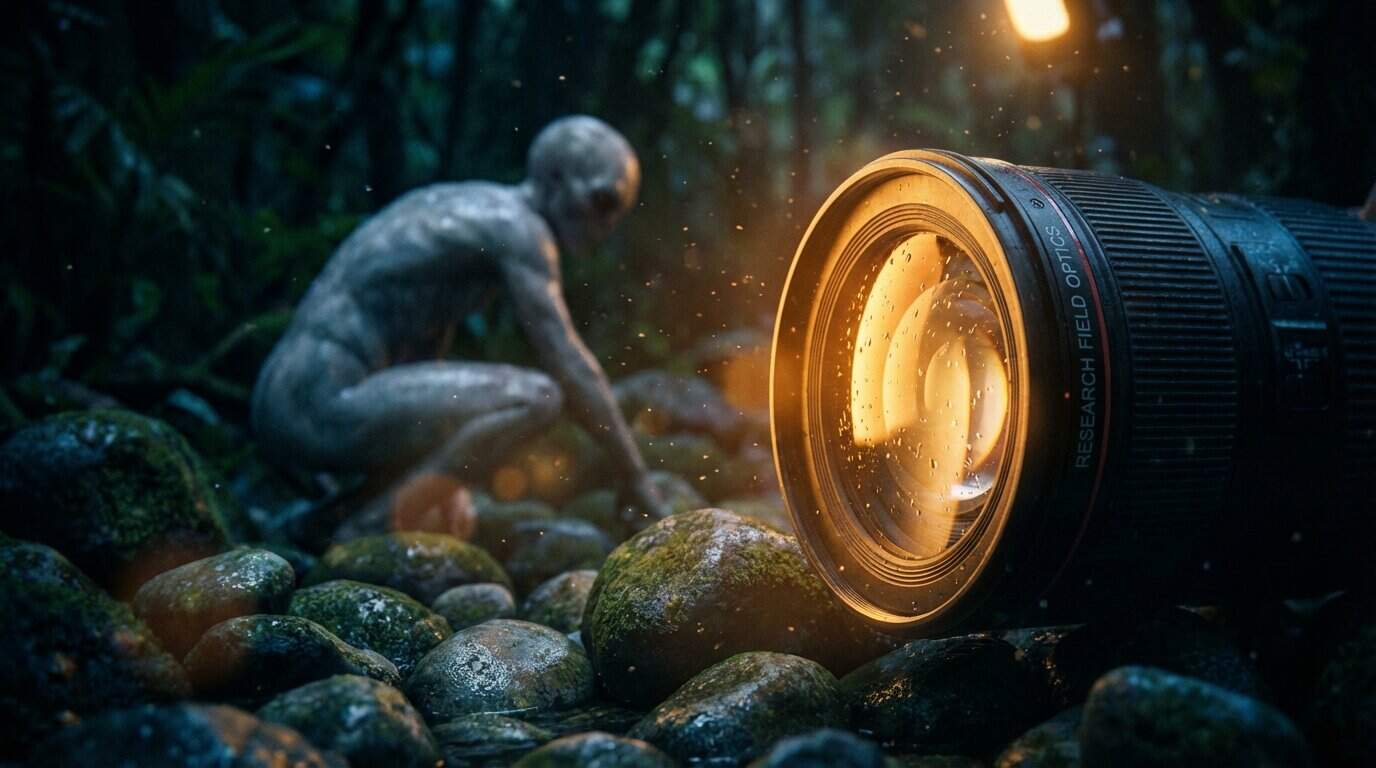
When photographs of the strange beast hit the internet, they sparked a global frenzy of speculation and fear. The images revealed a pale, rubbery entity with a bloated belly and long, hooked claws that looked entirely out of this world. Because the hairless animal possessed such unusual features, countless online forums quickly compared it to the infamous Montauk Monster that had washed ashore in New York just a year earlier. People shared the terrifying pictures, wondering if this bizarre discovery was a secret government experiment gone wrong. The visual evidence was so compelling that it became difficult to dismiss the growing excitement surrounding the mystery.
Some viewers described the long limbs as tentacle-like arms, although the photographs show appendages rather than evidence of tentacles. A dark patch that appears in some views also invited claims of a black growth or unusual skin feature. Images alone cannot establish whether such a mark is tissue, shadow, damage, or an effect of the photograph. That uncertainty helped the pictures travel: each viewer could interpret the same details through a different theory.
As the shocking photos circulated, wild theories about extraterrestrial life began to take root. Enthusiasts pointed out that the creature lacked any visible fur or recognizable facial features, making it look exactly like a classic alien visitor. Some web sleuths even suggested that the teenagers had stumbled upon an interstellar traveler that had crashed near the dark caves of Cerro Azul. While skeptics tried to offer earthly explanations, the sheer strangeness of the body kept the otherworldly rumors alive. It remains entirely possible that dense jungles might actually hide unknown biological anomalies or visitors from beyond the stars.
Online discussion sometimes gave the figure labels such as “Panama ET,” turning an uncertain animal carcass into a character in a larger extraterrestrial story. Yet no reported examination found evidence that it was an alien species, and the images provide no reliable way to identify its origins on their own. The difference matters: a striking resemblance can inspire a theory, but it does not prove one. The mystery grew in the space between what the photographs seemed to show and what a close scientific examination could establish.
To settle the mounting debate, environmental officials performed a biopsy on the mysterious remains. Their scientific analysis concluded that the terrifying monster was simply a male brown-throated sloth that had suffered from severe underwater decomposition. Prolonged submersion in the river had caused the animal to lose its hair and swell up into the rubbery shape seen in the famous photographs. Even with this logical explanation, the remarkable story continues to captivate those who question the strict boundaries of modern biology.
Scientific Biopsy And The Sloth Revelation
When photographs of the pale, rubbery creature went viral, local authorities decided to step in and solve the mystery. Scientists carefully recovered the strange remains from the cave and performed a detailed biopsy to uncover its true origins. Many hoped the results would reveal a brand new species or perhaps something from beyond our world. However, the tissue samples told a much more grounded story about the local wildlife living right there in Cerro Azul. The official tests confirmed that the terrifying monster was actually a normal male brown-throated sloth.
Reports carried by Panamanian media, including Telemetro, helped bring the official identification into the wider conversation. A biopsy can answer questions that a photograph cannot by examining tissue and anatomy, though it cannot recreate every moment of the encounter described by the teenagers. In this case, the identification gave the strange carcass a familiar place in Panama’s wildlife, even as the story of its apparent movement remained part of the legend.
The science of underwater decomposition explains how a common sloth transformed into such an alien-looking entity. When an animal remains submerged in water for an extended period, the currents and moisture cause its hair follicles to loosen and fall away completely. Without its thick coat of fur, the smooth skin of the animal became heavily bleached by the elements. Gases then built up inside the body, causing the creature to swell and distort into the bizarre shape seen in the famous photographs. This natural process created a perfect illusion that fooled millions of curious onlookers around the globe.
This change is why the phrase “hairless sloth” became so central to the explanation. Hair loss after prolonged exposure to water can make a familiar mammal look unfamiliar, while swelling alters the proportions people rely on to recognize an animal. A sloth’s usual coat and posture were missing from the images, so viewers saw a smooth body and long limbs without the clues that might have pointed to a known species. The transformation was disturbing, but it did not require venom, a new organism, or an exotic cause.
Even with this solid scientific explanation, mystery lovers still wonder if there might be more to the story. The teenagers who originally found the creature insisted it was alive and moving when they encountered it near the cave. It is highly unusual for a decomposing animal to crawl across rocks, leaving a lingering question about what the boys actually witnessed that day. Perhaps the jungle holds other strange secrets that science has yet to fully classify.
When the Story Returned
Years after the Cerro Azul photographs first spread, social media gave the story new life whenever a strange image or rumor appeared online. Recent whispers linked another supposed being to a meteorite crash, encouraging some posts to connect the new claim with the old Panama monster. The meteorite claim belongs to a newer online story, while the 2009 Cerro Azul creature was identified as a sloth after examination.
That distinction does not make the newer claims uninteresting. A meteorite can attract attention because it offers a dramatic explanation for an unusual sighting, while a viral post can travel far before anyone checks when or where an image was taken. Comparing original photographs, dates, witness accounts, and official findings helps readers see which parts are documented and which belong to speculation. The Cerro Azul case remains compelling precisely because its known explanation and its unsettling eyewitness account do not tell quite the same story.
Unraveling the Mystery of the Panama Creature
The strange case of the Panama Creature stands as a fascinating intersection where wild imagination meets the grounded world of biological science. When those teenagers first stumbled upon the pale, rubbery figure in the caves of Cerro Azul, it was easy to believe they had found proof of extraterrestrial life or an unknown monster. The bizarre photographic evidence captured the attention of the globe, challenging everyday observers to question what might actually be lurking in unexplored environments. Even after scientific analysis pointed to a decomposing sloth, the initial shock of the discovery reminds the public that the natural world still holds the power to surprise and terrify. This viral event proves that the boundary between an everyday animal and a legendary cryptozoological beast is sometimes just a matter of unusual environmental conditions.
Mysteries like this one encourage people to look closer at the world around them and embrace a healthy mix of curiosity and critical thinking. While experts provided a logical explanation for this specific sighting, the rapid spread of the story highlights a deep human desire to uncover the unknown. It is entirely possible that the next strange photograph to surface online could be the one that finally defies all conventional scientific explanation. Analyzing these unusual images allows both amateur sleuths and seasoned researchers to explore the edges of what is considered normal. What do you think about the bizarre viral creature photos that occasionally take the internet by storm, and have you ever seen an image that made you question the official scientific explanation? Share your thoughts and favorite modern mysteries in the comments below.
Frequently Asked Questions
1. What exactly is the Panama creature discovery?
The Panama creature discovery refers to a bizarre, pale entity found by teenagers near a cave in Cerro Azul. Photos of the rubbery beast went viral, sparking global debates about whether it was a known animal or something from another world. The eerie images continue to capture the imaginations of curious minds everywhere.
2. When and where did the Cerro Azul encounter happen?
In September 2009, a group of youths stumbled upon the terrifying being while exploring a cave in Cerro Azul, Panama. The teens claimed the creature crawled toward them from the shadows, prompting them to throw rocks in a panic to defend themselves. They eventually pushed the lifeless anomaly into a nearby pool of water before snapping the famous photographs.
3. What did the strange beast actually look like?
Witnesses described the entity as a hairless, pale creature with a bloated, rubbery body and unusually long limbs. Its bizarre appearance looked like something straight out of a science fiction movie. The unsettling visual evidence leaves many wondering if it truly belongs to any known earthly species.
4. How did scientific experts explain the Panama creature?
Official reports and wildlife experts quickly labeled the beast as a decomposing, water-logged animal, such as a sloth. However, the raw panic of the teenagers and the truly alien look of the remains make it hard for many to completely close the case. Open-minded skeptics still question if science has fully identified the mysterious anomaly.
5. Why did the legend of the creature spark back to life recently?
The mystery caught fire again recently when fresh whispers tied a new, otherworldly sighting to a meteorite crash. These viral rumors suggest that the original Cerro Azul monster might not have been an isolated event. It raises exciting questions about what else might be hiding in the deep jungles.
6. Could the Cerro Azul monster really be an alien?
While mainstream science points to earthly explanations, the creature’s unearthly features and recent meteorite rumors keep the extraterrestrial theory alive. Cryptozoology enthusiasts argue that our deep jungles still hold bizarre secrets that defy modern understanding. What do you think really emerged from that dark cave in Panama?
7. Are there other hidden secrets in Central American jungles?
The dense rainforests and hidden cave systems of Central America are famous for concealing undiscovered ruins and strange wildlife. Many explorers believe these vast, uncharted areas could easily hide bizarre creatures that have yet to be documented. Exploring these mysteries reminds us just how much of our own planet remains delightfully unknown.