The Mackenzie River Ghost And The Haunting Journey Of Augustus Peers
Deep in the frozen heart of the Canadian North, a chilling tale from the mid-19th century continues to baffle historians and mystery seekers alike. The legend of the Mackenzie River ghost began in 1853 following the sudden death of Augustus Richard Peers, a young fur trader stationed at a remote Arctic outpost. His final wish was to be buried in consecrated ground far to the south, setting the stage for a grueling winter journey that would soon defy rational explanation.
As a small party struggled to transport the frozen body across hundreds of miles of ice, the wilderness seemed to come alive with a phantom presence. Journals from the expedition describe an invisible passenger who followed the dogsled, shouting commands that only the team could hear. This eerie account remains one of the most enduring mysteries of the region, blending the harsh reality of frontier life with a supernatural persistence that refuses to be forgotten.
Key Takeaways
- The 1853 haunting of the Mackenzie River is one of the most well-documented paranormal events in Canadian history, supported by the detailed journals of fur trader Roderick Macfarlane.
- Witnesses and sled dogs on the expedition reported a disembodied voice shouting ‘Marche!’, the specific command Augustus Richard Peers used in life to drive his teams.
- The supernatural activity was driven by Peers’ intense deathbed demand to be moved from the frozen Arctic wilderness to consecrated ground at Fort Simpson.
- The phantom phenomena ceased immediately upon Peers’ burial in the churchyard, suggesting the haunting was a direct result of a restless spirit seeking a specific final resting place.
The Last Wish Of Augustus Richard Peers
Augustus Richard Peers was a well-respected post manager for a prominent fur trading enterprise who oversaw the remote outpost of Fort McPherson in the Northwest Territories. In 1853, the young trader died unexpectedly at only thirty-three years old, leaving his colleagues and family in a state of shock. Before his sudden passing, Peers had expressed a deep and unsettling dread about being buried in the lonely, frozen wilderness of the far north. He made his fellow traders promise that his remains would be transported hundreds of kilometers south to Fort Simpson. He desperately wanted to rest in consecrated ground rather than the harsh, unforgiving soil of the Arctic frontier.
The fulfillment of this deathbed request fell to a fellow trader named Roderick Macfarlane, who documented the strange events that followed in his own journals. Transporting a body through the subarctic winter was a grueling task that required a long journey by dogsled across the ice of the Mackenzie River. Macfarlane and his team secured the frozen remains of Peers and began the trek through the silent, snow-covered landscape. They could not have predicted that the simple act of honoring a friend’s last wish would lead to one of the most famous paranormal encounters in history. The stage was set for a haunting journey where the boundary between the living and the dead seemed to vanish in the cold.
As the party moved further into the wilderness, the atmosphere around the sled grew heavy with an inexplicable tension. Macfarlane recorded that the dogs began to behave erratically, often bristling and whimpering as if they sensed an invisible presence nearby. This was not merely the result of the harsh environment or the stress of the mission, but something far more supernatural. Soon, the silence of the tundra was broken by a mysterious, disembodied voice shouting commands to the team in French. This spectral cry of Marche, which translates to walk or go, signaled that Augustus Richard Peers might have been traveling alongside his own casket to ensure he reached his final destination.
Roderick Macfarlane And The Marche Command
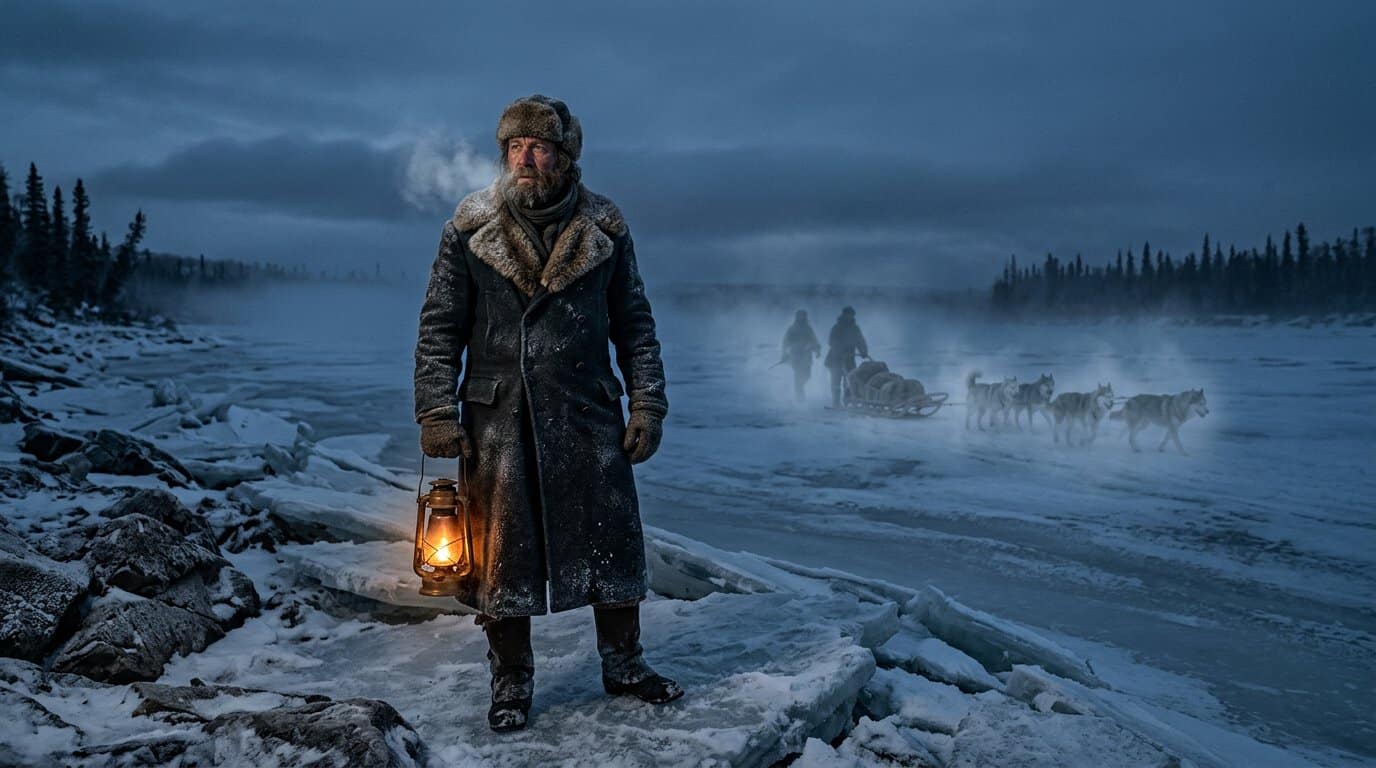
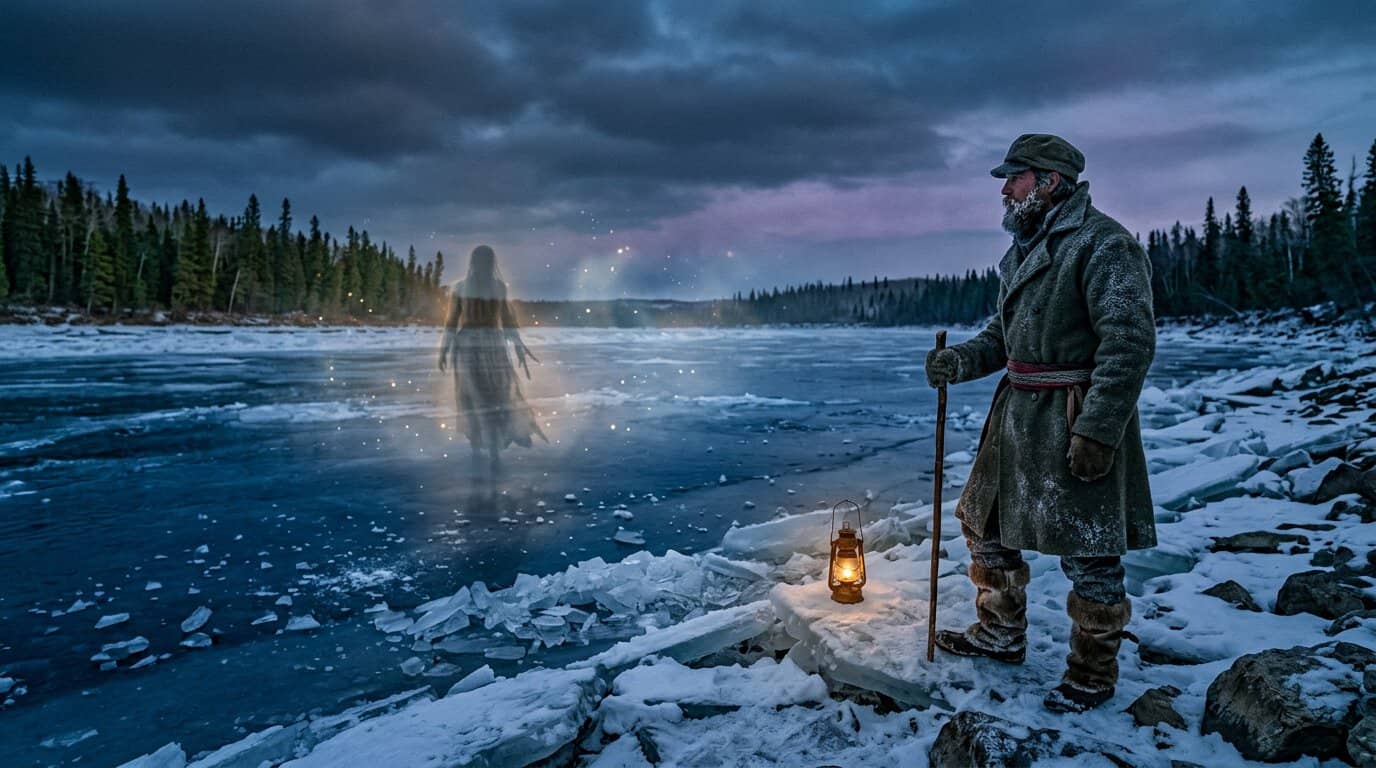
The winter of 1853 turned into a nightmare for Roderick Macfarlane as he led a grim procession across the frozen Mackenzie River. Tasked with fulfilling the dying wish of his friend Augustus Richard Peers, Macfarlane began the long journey to transport the body to consecrated ground. The atmosphere grew heavy as the sled dogs, usually reliable and brave, began to exhibit signs of extreme distress. They whimpered and cringed as if sensing an invisible presence lurking just beyond the campfire light. Macfarlane noted in his journals that the animals seemed more terrified of the empty air than of the wolves howling in the distance.
As the party moved through the desolate wilderness, the silence was shattered by a booming, spectral voice. A phantom command of Marche, the French word for move or go, echoed through the crisp night air with startling clarity. This was the exact phrase Peers had used in life to drive his dog teams during his time as a post manager. Macfarlane and his companions looked around for another traveler, but they found themselves completely alone in the vast expanse. The voice did not sound like a trick of the wind, but rather a firm and authoritative order coming from the very sled carrying the frozen remains.
The haunting persisted throughout the journey, leaving the men shaken and the dogs nearly impossible to control. Every time the team slowed down or the men considered stopping for rest, the ghostly shout would ring out again to push them forward. Macfarlane documented these events with a mix of journalistic detail and genuine wonder, unable to explain how a dead man could still be directing his own funeral procession. This historical account remains one of the most chilling records of the North, blending documented travel logs with the truly paranormal. What do you think forced the spirit of Augustus Peers to keep his companions moving through the bitter cold?
Spectral Sightings And Northern Folklore Traditions
The Mackenzie River Ghost stands as a pillar of regional folklore, rooted deeply in the journals of the fur trading company. In the winter of 1853, Roderick Macfarlane embarked on a somber mission to honor the final wish of his friend, Augustus Richard Peers. Peers had died suddenly at Fort McPherson and requested burial in consecrated ground hundreds of kilometers away at Fort Simpson. As Macfarlane transported the frozen body by dogsled across the desolate arctic tundra, the silence of the North was shattered by something inexplicable. According to Macfarlane’s own written accounts, a disembodied voice repeatedly shouted the command Marche! to the sled dogs.
This spectral phenomenon adds a chilling layer to the broader tradition of northern hauntings and the ancient roots of legends often reported in the region. While the icy winds of the Northwest Territories can play tricks on the ears, Macfarlane was a seasoned trader known for his practical nature and detailed record-keeping. His documentation describes how the dogs would react to these ghostly cries, cowering or bolting as if a physical driver were standing over them. This intersection of historical record and supernatural experience suggests that the vast, frozen wilderness may hold onto the spirits of those who lived and worked along its riverbanks.
Exploring these stories allows us to see how the atmosphere of the North fuels a unique brand of storytelling. The legend of Peers and his vocal spirit remains one of the most documented hauntings in the country, blending the harsh realities of frontier life with the unexplained. Many wonder if the extreme isolation and the magnetic pull of the North create a space where the veil between worlds is thinner. Do you think the voice Macfarlane heard was a product of the grueling environment, or was it a loyal friend making sure he reached his final resting place?
Final Rest At Fort Simpson
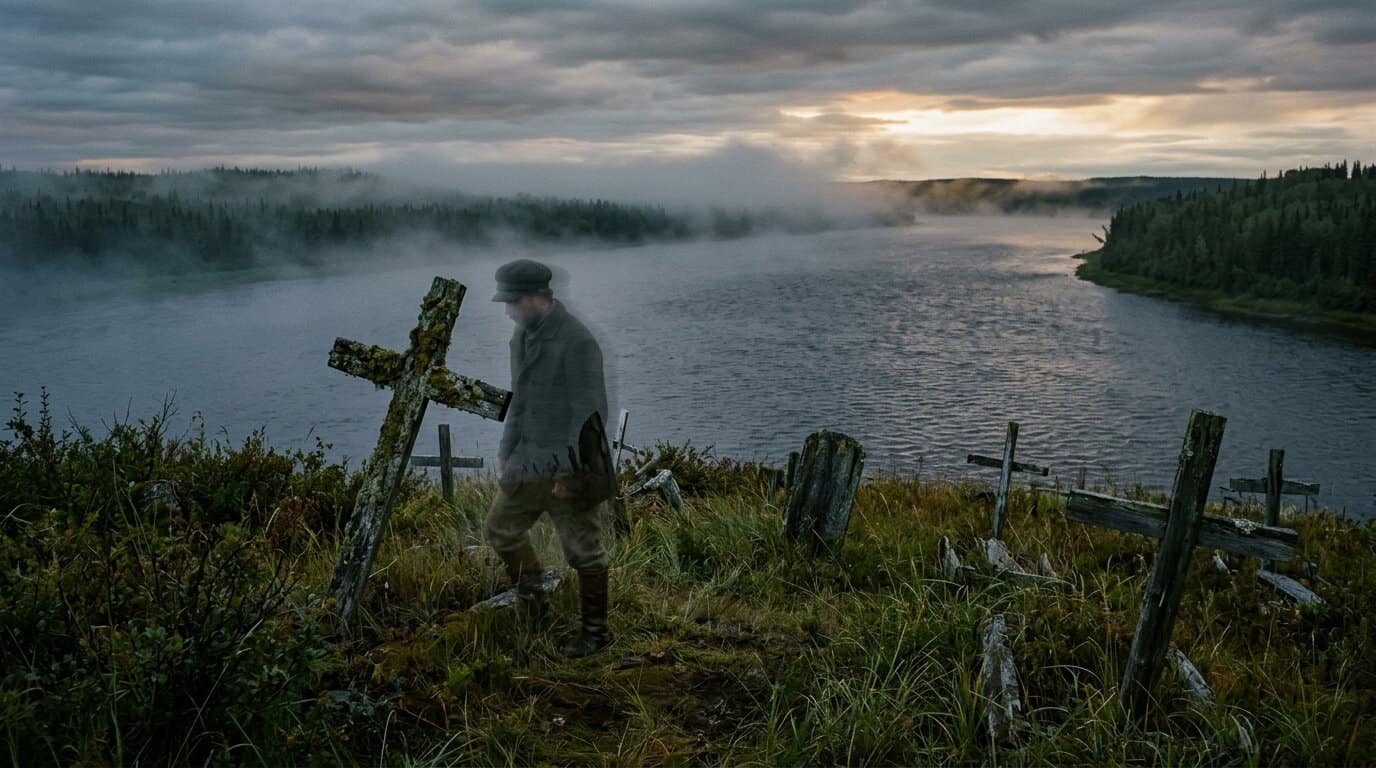
The long and harrowing journey finally reached its end when Roderick Macfarlane and his weary team arrived at Fort Simpson. The frozen remains of Augustus Richard Peers were brought to the local church, where a proper Christian burial could finally take place in consecrated ground as he had requested. As the body was lowered into the earth, a heavy silence fell over the small gathering of fur traders and witnesses. The oppressive feeling that had followed the party across the snowy wilderness seemed to lift the moment the grave was filled. It was as if the restless spirit of the young post manager finally found the peace that had eluded him since his untimely death.
Roderick Macfarlane meticulously documented these events in his journals, noting that the terrifying phenomena ceased completely once the burial was finished. The phantom voices shouting commands to the dogs and the strange, unexplainable noises in the night vanished into the thin northern air. Many who have studied this historical account believe the cessation of the haunting serves as strong evidence that the activity was tied directly to Peers’ unfulfilled final wish. While skeptics might point to the psychological toll of the harsh winter or the effects of extreme exhaustion, the timing of the silence is difficult to ignore. What do you think caused the voices to stop so suddenly upon reaching the fort?
The Haunting Legacy of Augustus Peers
The legend of Augustus Richard Peers remains one of the most chilling chapters in the folklore of the North. For over a century, the story of the frozen body that refused to travel in silence has captivated those who study the unexplained. Roderick Macfarlane’s detailed journals provide a haunting historical foundation that is difficult to dismiss as simple imagination. This tale serves as a reminder that the vast, icy stretches of the Mackenzie River hold secrets that history books cannot always explain. The enduring legacy of this Arctic mystery highlights the deep connection between the land and the spirits of those who lived there.
Whether the phantom shouts of Marche! were a psychological result of extreme isolation or a genuine supernatural event is a question that remains open. The harsh conditions of a subarctic winter can certainly play tricks on the mind, yet the consistency of the witnesses suggests something more profound occurred. It is possible that Peers’ strong desire to reach consecrated ground left a physical imprint on the trail itself. This balance between historical documentation and the eerie unknown is what keeps the story alive in the modern day. Much like Canada’s most credible mystery, the Mackenzie River ghost reminds us that even in the loneliest corners of the world, we are rarely truly alone.
What do you believe happened during that desperate trek across the frozen wilderness so many years ago? Was the stress of the journey enough to make seasoned frontiersmen hear voices in the wind, or did Augustus Peers truly guide his own funeral procession from beyond the grave? The Arctic has a unique way of blurring the lines between the physical world and the spiritual realm. We invite you to share your thoughts on this classic haunting and whether you think some spirits are simply too restless to remain quiet. Your perspective helps keep these fascinating historical mysteries part of our ongoing conversation about the unexplained.
Frequently Asked Questions
1. Who was Augustus Richard Peers?
Augustus Richard Peers was a respected post manager for a major fur trading company who served at Fort McPherson in the Northwest Territories. He was only thirty-three years old when he passed away in 1853, leaving behind a chilling request that would spark one of the most famous ghost stories in the region.
2. What was the final wish that triggered these strange events?
Peers had a deep dread of being buried in the lonely Arctic wilderness and insisted that his remains be transported hundreds of miles south to Fort Simpson. He wanted to rest in consecrated ground rather than the frozen soil of the north, a promise his colleagues felt bound to honor despite the brutal winter conditions.
3. Who witnessed the supernatural activity during the journey?
Roderick Macfarlane, a fellow trader and friend of Peers, was the primary witness who documented the journey in his personal journals. He and his team of travelers were responsible for transporting the body by dogsled across the ice of the Mackenzie River when the hauntings began.
4. What kind of paranormal activity was reported?
The expedition members described an invisible presence that followed their dogsled and shouted commands that only the dogs seemed to understand. These phantom shouts caused the sled team to react as if a real driver were guiding them, even though no one else was visible on the desolate ice.
5. Is there historical documentation for the Mackenzie River ghost?
Yes, the primary evidence for this mystery comes from the detailed journals of Roderick Macfarlane, which are preserved as part of the historical record of the fur trading company. His written accounts provide a rare, first-hand look at the strange events that occurred during that mid-19th century winter trek.
6. Why is this story considered one of the most enduring mysteries?
The legend persists because it blends the harsh, documented realities of frontier life with a supernatural occurrence that has no easy scientific explanation. It remains a classic example of how the vast and silent wilderness of the North can seem to hold onto the spirits of those who lived there.