
The Giza Power Plant Theory And The Secrets Of Ancient Energy
For thousands of years, the Great Pyramid of Giza has been viewed as a silent stone monument to the dead, but a provocative modern perspective suggests it may have once hummed with life. The Giza power plant theory proposes that this ancient wonder was actually a colossal machine designed to harness the natural forces of the Earth. Rather than a static tomb, the structure’s precise geometry and unique materials point toward a sophisticated system for generating and transmitting clean energy.
Recent breakthroughs in scanning technology and electromagnetic studies have breathed new life into this mechanical mystery. By looking at the pyramid through the eyes of an engineer rather than an archaeologist, researchers are uncovering evidence that the inner chambers functioned as chemical reactors and acoustic resonators. This shift in thinking invites a reconsideration of the technological mastery of the ancients and the secrets that might still be vibrating within those massive limestone walls.
Key Takeaways
- The Great Pyramid functioned as a sophisticated machine where the Queen’s Chamber acted as a chemical reactor, mixing hydrated zinc and hydrochloric acid to produce hydrogen gas.
- The Grand Gallery and King’s Chamber utilized acoustic resonance and the piezoelectric properties of quartz-rich granite to convert Earth’s natural vibrations into electromagnetic energy.
- Modern electromagnetic modeling confirms that the pyramid’s specific geometry and materials allow it to concentrate radio waves and energy fields within its internal chambers.
- The structural precision and material selection of the Giza complex indicate that ancient builders possessed an advanced understanding of chemical engineering and physics far beyond traditional historical accounts.
Chemical Reactions Within The Queens Chamber
The Queen’s Chamber serves as one of the most intriguing pieces of the Great Pyramid puzzle because its design differs so significantly from a traditional tomb. According to the research of engineer Christopher Dunn, this room may have functioned as a large scale chemical reactor rather than a final resting place. Proponents of this theory point to the unique shafts leading into the chamber, which do not exit the pyramid but instead stop short. These shafts are thought to have acted as feeding tubes for specific liquids, such as hydrated zinc and dilute hydrochloric acid, to flow into the room. When these two chemicals met in the chamber, a vigorous reaction would have occurred that filled the internal passages of the pyramid with hydrogen gas.
The physical evidence left behind on the chamber walls provides a compelling look into this ancient chemical process. Explorers have noted thick salt deposits on the limestone walls, which some believe are the crystallized remains of the chemical reactions that took place thousands of years ago. Additionally, the presence of a niche in the wall suggests a space where specialized equipment or cooling components could have been housed to manage the energy production. This setup transforms the pyramid from a silent monument into a functional machine capable of harnessing chemistry. It challenges the common understanding of ancient technology by suggesting that people in the distant past were masters of chemical engineering long before the modern era.
While mainstream archaeology often views these features through a symbolic lens, the mechanical precision of the Queen’s Chamber is hard to ignore. The intentional design of the shafts and the specific choice of materials suggest a purpose that goes beyond simple ventilation or religious ritual. If this chamber truly acted as a reactor, it would rewrite the history of human innovation and the origins of power generation. This theory invites us to look at the Great Pyramid not just as a mountain of stone, but as a finely tuned instrument of science. Could the ancient Egyptians have possessed a secret knowledge of chemistry that has been lost to time, or is there another explanation for these strange internal features?
Acoustic Resonance Of The Grand Gallery

The Grand Gallery stands as one of the most puzzling architectural features of the Great Pyramid due to its steep incline and towering, corbelled walls. In his research, Christopher Dunn suggests that this space was not built for a funeral procession but functioned as a massive acoustic resonator. The walls are lined with slots that some theorists believe once held wooden frames equipped with quartz crystals or tuning forks. These devices would have captured the low frequency vibrations traveling through the limestone bedrock of the Giza plateau. By catching these natural seismic hums, the gallery could have acted like a giant musical instrument designed to amplify sound to incredible levels.
The choice of materials within this central hall adds another layer of scientific intrigue to the theory. While much of the pyramid is limestone, the structural components of the upper chambers utilize high density granite, which is rich in quartz crystals. When these crystals are subjected to mechanical stress or intense sound vibrations, they can produce a phenomenon known as the piezoelectric effect. This means the gallery might have been a specialized machine that converted physical sound waves into electrical energy. The precise angles of the corbelled ceiling likely helped to bounce and focus these waves toward the King’s Chamber, creating a concentrated beam of power.
This perspective invites an examination of ancient Egyptian craftsmanship through the lens of advanced physics rather than just symbolic art. If the Grand Gallery was truly a resonator, it represents a level of technological sophistication that challenges current understanding of the Bronze Age. The sheer scale of the granite blocks and the mathematical precision of their placement suggest a purpose rooted in harmony and vibration. It forces a fascinating question about whether the pyramid builders understood the hidden energy of the Earth better than we do today. Do you think the unique shape of the gallery was meant to honor a pharaoh, or could it be the remains of a prehistoric power plant?
Piezoelectric Power And The Kings Chamber
The King’s Chamber stands as a masterclass in ancient engineering, constructed entirely from massive blocks of red Aswan granite. This specific type of stone was not chosen just for its beauty or strength, but for its high concentration of quartz crystals. When quartz is subjected to physical stress or vibration, it produces a small electrical charge through a process known as the piezoelectric effect. Christopher Dunn suggests that the five layers of granite beams above the chamber were designed to vibrate in sympathy with the natural frequencies of the earth. This mechanical movement would have squeezed the quartz within the stones, effectively turning the entire room into a massive electromagnetic generator.
As the acoustic energy from the Grand Gallery poured into the chamber, the granite beams likely acted like a series of tuning forks. This resonance would have been amplified by the precise dimensions of the room, creating a constant state of vibration that kept the piezoelectric reaction going. The theory proposes that this process transformed simple sound waves into a powerful flow of electromagnetic energy. In this view, the chamber was not a quiet place for a pharaoh to rest, but a buzzing hub of high-tech activity. The massive stone ceiling served as a transducer, converting the mechanical energy of the earth into a usable electrical form.
Today, modern researchers continue to study the unique electromagnetic properties of the Great Pyramid with fresh eyes and advanced scanning tools. While traditional archaeology views these chambers as symbolic or funerary, the sheer mathematical precision of the granite placement hints at a deeper, functional purpose. By looking at the King’s Chamber as a power hub, we can begin to bridge the gap between ancient stone masonry and modern electrical theory. This perspective invites us to wonder if the pyramid builders possessed a sophisticated understanding of physics that we are only just beginning to rediscover. What do you think about the idea of a stone structure acting as a wireless power plant?
Modern Science Validates Electromagnetic Concentration
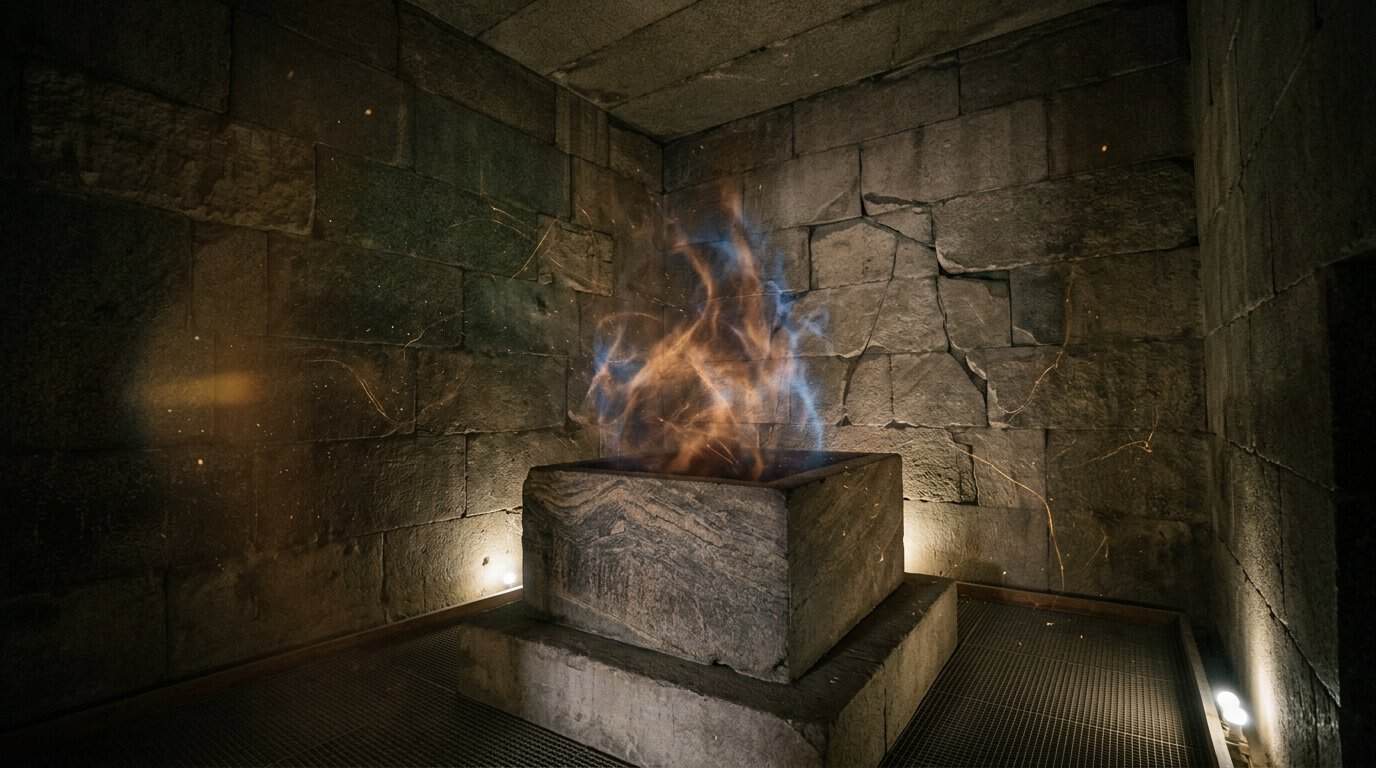
Recent breakthroughs in scientific research have breathed new life into the idea that the Great Pyramid was designed for more than just a silent rest. Researchers from ITMO University and the Laser Zentrum Hannover recently discovered that the internal chambers and base of the pyramid can concentrate electromagnetic energy under specific conditions. By using advanced electromagnetic modeling, these scientists demonstrated that the structure acts like a massive resonator, pulling in radio waves and focusing them into the Queen’s Chamber. This revelation bridges the gap between ancient architecture and modern physics, suggesting that the precise shape of the pyramid might have been chosen for its unique interaction with energy fields.
While mainstream archaeology often views the Giza complex through a historical lens, these new findings provide a technical foundation for the Giza Power Plant theory. The study suggests that the distribution of electromagnetic fields within the pyramid is not random, but rather a result of the building’s specific geometry and material properties. This scientific validation encourages a fresh look at earlier proposals regarding the pyramid as a functional machine. Instead of dismissing the power plant idea as mere fantasy, modern data suggests that the ancient builders possessed a sophisticated understanding of resonance that we are only now beginning to quantify.
The implications of this research are stirring up excitement among both historians and technology enthusiasts alike. If a stone structure from thousands of years ago can naturally focus electromagnetic waves, it raises fascinating questions about the intent of its creators. We are left to wonder if these energy-focusing properties were a happy accident or a deliberate feature of a lost, high-tech civilization. As we continue to scan the Giza plateau with 21st-century tools, the line between ancient legend and modern science continues to blur in unexpected ways. Do you think these energy-focusing properties were intentional, or is it simply a coincidence of the iconic shape of the pyramid?
Reimagining the Great Pyramid as a Machine
The Giza Power Plant Theory offers a fascinating bridge between the ancient world and modern mechanical engineering. By looking at the Great Pyramid as a machine rather than just a monument, researchers have highlighted how the internal chambers could function as a chemical reactor and an acoustic resonator. The precision of the granite beams in the King’s Chamber and the specific placement of the air shafts suggest a level of planning that goes far beyond simple burial rites. While mainstream archaeology focuses on the pyramid as a tomb for Khufu, the structural evidence for hydrogen production and seismic energy conversion continues to spark curiosity. These features provide a compelling argument for the existence of a high-tech civilization that understood the laws of physics long before the modern era.
Modern science is starting to catch up with these bold ideas through new scanning technologies and electromagnetic studies. Recent data suggests that the pyramid can actually concentrate electromagnetic energy within its internal chambers, which adds a layer of scientific weight to the power plant hypothesis. This discovery forces a reconsideration of whether our ancestors possessed a sophisticated understanding of energy that has since been lost to time. It creates a space where historical documentation and speculative engineering meet, allowing for a more balanced view of what humanity was capable of thousands of years ago. The possibility that the Giza plateau once hummed with the sound of a massive, functioning engine remains one of the most intriguing mysteries of the ancient world.
The debate between traditional history and high tech theories ultimately invites every reader to look at the evidence with an open mind. On one hand, there is the cultural and funerary context provided by decades of archaeological work, and on the other, there is a series of mechanical anomalies that are difficult to explain with copper tools alone. Just as the Baghdad Battery challenges our timeline of electricity, these massive stone structures represent a potential leap in ancient capability. Much like the Puma Punku stones, these monuments suggest a level of precision that defies conventional history. Do these massive stone structures represent a spiritual journey to the afterlife, or are they the silent remains of an advanced global energy grid? We encourage you to weigh these perspectives and consider how much of our past might still be hidden in plain sight. What do you believe was the true purpose of the Great Pyramid, and is it possible that ancient Egyptians were more technologically advanced than we ever imagined?
Frequently Asked Questions
1. What exactly is the Giza Power Plant theory?
This theory suggests that the Great Pyramid was not built as a tomb but as a massive machine designed to generate clean energy. It proposes that the structure used precise geometry and specific materials to harness the natural vibrations of the Earth and convert them into power.
2. How did the Queen’s Chamber function as a chemical reactor?
The Queen’s Chamber likely served as a mixing vat for chemicals like hydrated zinc and dilute hydrochloric acid. These liquids flowed through specialized shafts into the room to create a reaction that filled the internal passages of the pyramid with hydrogen gas.
3. Is there physical evidence of chemicals inside the pyramid?
Explorers have discovered thick salt deposits on the walls of the Queen’s Chamber which indicate a past chemical reaction. These mineral remains suggest that the room was subjected to intense processes that are not found in traditional Egyptian burial sites.
4. Why are the materials of the pyramid important to this theory?
The builders chose specific stones like limestone and granite for their unique electrical and acoustic properties. These materials allowed the pyramid to act as a resonator, vibrating in harmony with the Earth to move energy through the structure.
5. Who is the main researcher behind this power plant idea?
Christopher Dunn is the primary engineer who popularized the concept after studying the precise manufacturing standards of the pyramid. His work focuses on the mechanical intent of the layout rather than just its historical or religious significance.
6. Does modern science support these energy claims?
Recent electromagnetic studies have shown that the Great Pyramid can actually concentrate radio waves within its internal chambers. This scientific discovery lends weight to the idea that the ancient architects understood how to manipulate energy fields through architecture.