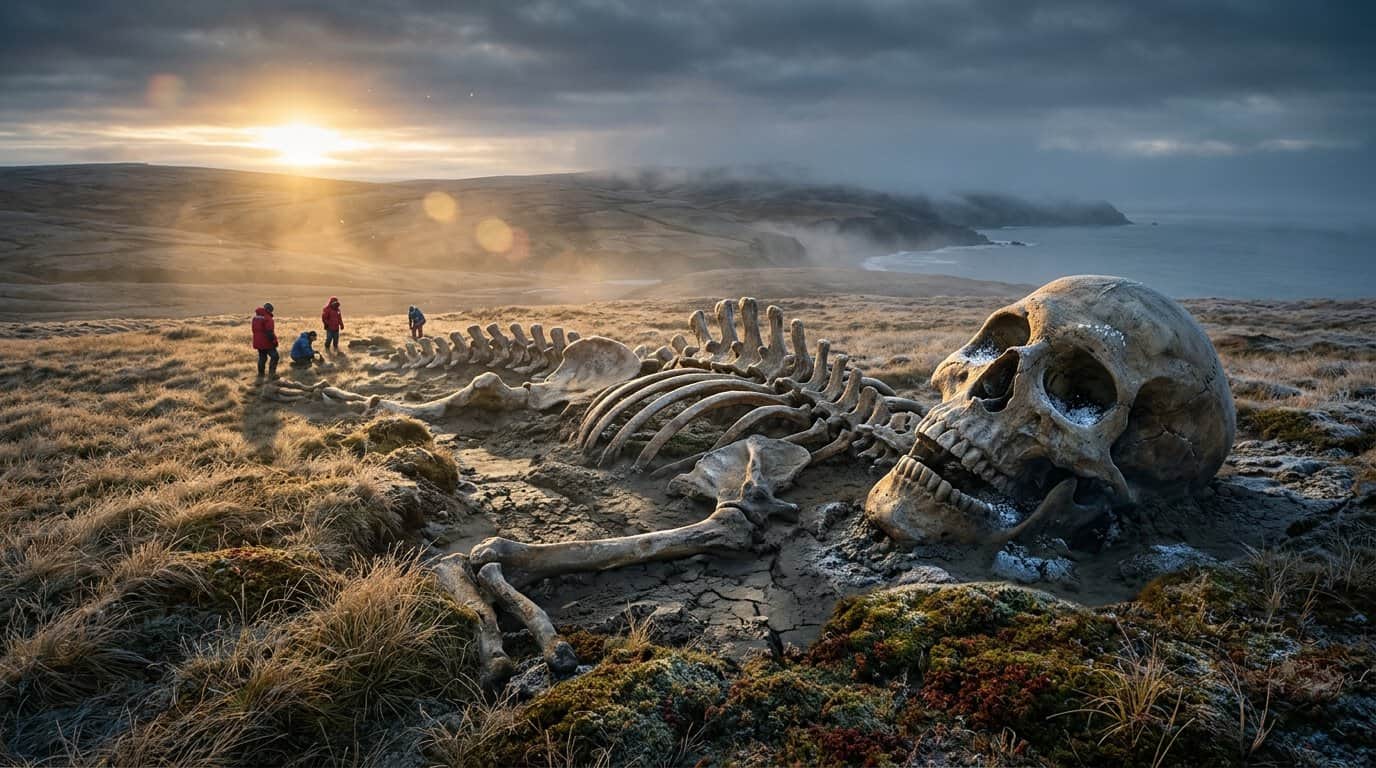
The Lost Giants Of The Bering Land Bridge
Thousands of years ago, a massive strip of land connected Siberia to Alaska, serving as a frozen highway for those brave enough to cross into the unknown. Legends have long whispered that this passage was guarded by the bering land bridge giants, towering figures that loom large in both ancient folklore and modern fringe theories. While mainstream history focuses on the small bands of hunters who made the trek, many wonder if a much larger, more mysterious presence once walked those icy plains.
The mystery deepens when looking at the massive footprints left behind by the prehistoric megafauna of the region, such as the twelve-foot-tall short-faced bear. Some explorers and alternative historians suggest that early accounts of giants were not just tall tales, but rather sightings of a forgotten chapter of human history. By blending archaeological finds with local legends, a fascinating picture emerges of a world where the line between myth and reality was as thin as the Arctic ice.
Key Takeaways
- The Bering Land Bridge served as a prehistoric highway where the migration of early humans intersected with massive megafauna like the twelve-foot-tall short-faced bear and the woolly mammoth.
- Indigenous oral traditions and 19th-century accounts of oversized remains suggest the possibility of a lost lineage of physically formidable humans that may have predated or lived alongside traditional hunter-gatherer groups.
- The discovery of massive prehistoric animal skeletons likely reinforced ancient beliefs in giants, blurring the line between biological reality and cultural myth.
- Persistent reports of anomalous skeletons with unique physical features, such as double rows of teeth, challenge the standard archaeological timeline and invite a more complex view of human migration.
Ancient Legends Of The Beringia Giants
Oral traditions across many Indigenous cultures tell of a time when the earth was shared with beings of immense size and power. These stories often describe ancient travelers who crossed the icy expanse of Beringia, possessing physical statures that far exceeded those of modern humans. While mainstream history focuses on the migration of smaller hunter-gatherer groups, these legends suggest a different timeline where massive figures carved paths through the tundra. These beings are frequently depicted as both protectors and formidable rivals, deeply woven into the cultural memory of the land.
The possibility of these giants is often linked to the discovery of megafauna fossils, such as the towering short faced bear or the woolly mammoth. When early inhabitants encountered these massive skeletons, it likely reinforced the belief in a world once ruled by giants. Some alternative history researchers point to nineteenth century accounts of oversized remains found in North American mounds as potential evidence of this lost race. While many of these reports are viewed with skepticism today, they continue to fuel curiosity about whether an unknown branch of humanity once thrived in the Arctic wilderness.
Exploring these mysteries requires a balance between acknowledging geological facts and respecting the enduring power of oral history. The Bering Land Bridge was a harsh environment that demanded incredible physical resilience, leading some to wonder if environmental factors could have influenced the size of its early inhabitants. Whether these giants were literal physical beings or symbolic representations of the raw power of nature remains a subject of spirited debate. By looking closer at the intersection of myth and archaeology, we can begin to appreciate the complex layers of human history that remain buried beneath the permafrost.
Anomalous Finds And Early American Reports
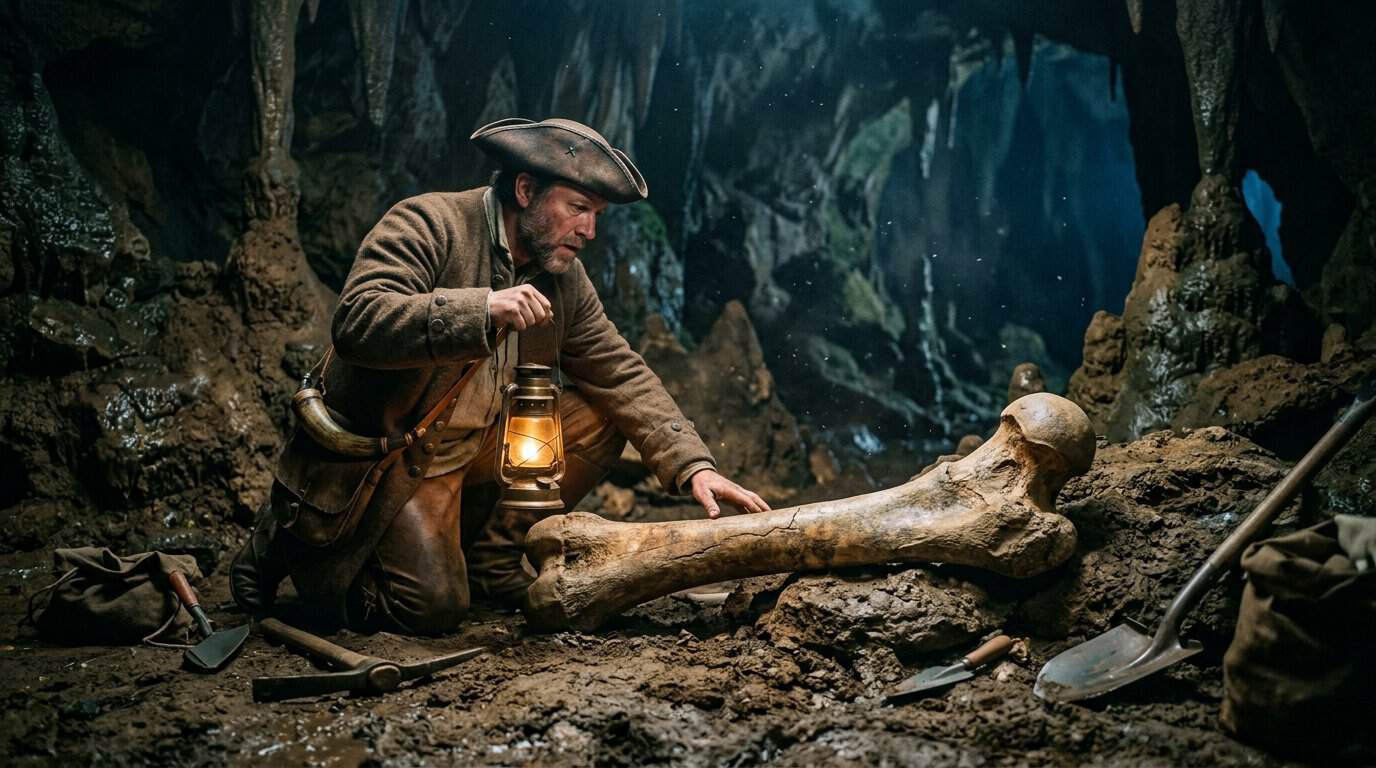
During the 19th century, local newspapers across North America frequently published startling accounts of oversized human remains discovered within ancient earthen mounds. These reports often described skeletons reaching heights of seven to nine feet, adorned with copper jewelry and sophisticated artifacts that seemed to predate known indigenous cultures. Many of these stories suggested that a lost race of giants once crossed the Bering Land Bridge, bringing with them a physical stature and technology that differs from the traditional archaeological timeline. While many of these accounts were later attributed to the misidentification of megafauna bones or simple journalistic exaggeration, the sheer volume of reports from the Ohio Valley to the Pacific Northwest continues to spark curiosity.
The mystery deepens when considering how these massive figures might have navigated the harsh environment of Beringia alongside the woolly mammoth and the giant short faced bear. Some researchers speculate that if these anomalous individuals existed, they may have represented a unique branch of the human family tree that thrived in the high protein environment of the Ice Age. These theories suggest that the standard migration model might be missing a chapter involving a physically formidable group of early pioneers. By looking back at early colonial records and archives from historical institutions, we find a persistent narrative of a world once inhabited by people of extraordinary size.
Exploring these ancient reports allows us to maintain an open mind about the complexities of human history and the secrets still buried beneath the soil. While modern science often leans toward the explanation of misidentified mastodon remains, the specific descriptions of double rows of teeth and distinct cranial features keep the fringe theories alive. It is fascinating to imagine a world where the first people to step onto the continent were giants who mastered a frozen bridge between worlds. What do you think about these historical accounts of oversized skeletons found in the mounds? Could there be a lost lineage of humans that history has simply forgotten, or are these stories just tall tales from a bygone era?
Megafauna And The Real Ice Age Giants
The Bering Land Bridge once served as a frozen highway for some of the most imposing creatures to ever walk the earth. While modern history focuses on the migration of small hunter-gatherer groups, the landscape was actually dominated by true biological titans. The Woolly Mammoth and the Steppe Bison moved in massive herds across the icy plains, dwarfing the humans who followed them. Among these giants was the short-faced bear, a predator that stood nearly twelve feet tall when rising on its hind legs. These documented monsters of the Pleistocene era provide a factual foundation for why the region is so closely associated with the concept of giants.
Beyond the fossil record of animals, a growing curiosity surrounds the physical stature of the ancient people who crossed into North America. Many alternative historians point to nineteenth century accounts and indigenous oral traditions that describe a race of exceptionally tall humans inhabiting the continent in the distant past. These theories suggest that our current understanding of human migration might be incomplete, potentially overlooking a lineage of larger travelers who navigated the land bridge. While mainstream archaeology often attributes these stories to misidentified fossils or exaggerated reports, the sheer number of accounts from various cultures keeps the mystery alive. Exploring these anomalies allows us to imagine a prehistoric world that was much more diverse and imposing than we previously thought.
The intersection of massive megafauna and legends of towering humans creates a compelling narrative about the secrets hidden beneath the Arctic permafrost. It is possible that the sight of a twelve foot bear or a towering mammoth influenced the stories passed down through generations, eventually blending animal reality with human myth. However, some researchers remain open to the idea that physical anomalies in the human record are waiting to be rediscovered, much like the modern mystery of the giant of Kandahar that continues to circulate in military circles. As melting ice reveals more of the ancient past, we are left to wonder if the land bridge held secrets that defy our current timeline. What do you think is more likely, that these legends were inspired by massive Ice Age animals, or that a forgotten group of giant humans truly walked the earth?
Between Ice Age Giants and Ancient Legends
The mystery of the Bering Land Bridge serves as a bridge between the tangible world of Ice Age fossils and the enduring whispers of ancient legends. While modern science identifies the true giants of this era as the massive woolly mammoths and the towering short faced bears, the human imagination continues to search for something more. These stories of oversized beings suggest that our ancestors may have carried memories of impressive physical feats or encountered ancient mystery anomalies that challenged their understanding of the world. By blending the study of megafauna with the persistent folklore of North American pre-history, a richer picture of our past begins to emerge.
Exploring the possibility of ancient giants allows us to look at the migration patterns of early humans through a more curious and open lens. The intersection of archaeological discovery and oral tradition hints at a timeline that might be more complex than the one found in standard textbooks. Even if the physical evidence remains elusive, the cultural impact of these giants suggests that the journey across Beringia was filled with sights that felt larger than life. As we continue to dig into the earth and our own history, we find that the line between myth and reality is often thinner than we once believed. This search for truth often leads researchers back to the giant walls of Siberia, where massive stone structures challenge our understanding of ancient engineering and human capability.
What do you think about the legends of massive beings roaming the ancient land bridge between continents? Is it possible that early explorers encountered things that have been lost to the sands of time, or are these simply stories inspired by the bones of extinct animals? We invite you to share your thoughts and join the conversation about these fascinating archaeological mysteries. The secrets of the ancient world are still waiting to be fully uncovered by those who dare to look closer.
Frequently Asked Questions
1. Who exactly were the Bering Land Bridge giants?
These figures are legendary beings described in the oral traditions of many Indigenous cultures as having immense size and power. While mainstream history focuses on small hunter-gatherer groups, these stories suggest that massive travelers once carved paths through the icy tundra of Beringia.
2. Is there any physical evidence that supports the existence of these giants?
Much of the physical evidence stems from the massive fossils of prehistoric megafauna, like the twelve foot tall short faced bear, which early humans likely encountered. Some alternative history researchers believe that these enormous skeletons, combined with oversized footprints found in the region, point toward a forgotten chapter of human history.
3. How do Indigenous legends describe these massive beings?
Local oral traditions often depict them as both protectors of the land and formidable rivals to the smaller human tribes. These beings are deeply woven into the cultural memory of the Arctic, representing a time when the Earth was shared with creatures of incredible physical stature.
4. Could the giants actually have been prehistoric animals?
It is highly likely that sightings of the short faced bear or the woolly mammoth contributed to these legends. When early travelers discovered the skeletons of these towering beasts, the sheer scale of the bones likely reinforced the belief that giants once ruled the frozen highway.
5. Why does mainstream history focus only on smaller hunter-gatherer groups?
Mainstream archaeology relies on verified tools and small scale campsites that fit the known patterns of human migration. While these records are vital, they often overlook the fringe theories and oral histories that suggest a much more mysterious presence once walked the Bering Land Bridge.
6. What role did the short faced bear play in giant mythology?
Standing at twelve feet tall, the short faced bear was one of the most intimidating predators of the prehistoric world. Its massive footprints and skeletal remains are frequently cited by researchers as a potential source for the sightings of giants reported in ancient accounts.