The Giants In The Clouds And The Panxian Dadong Cave Mystery
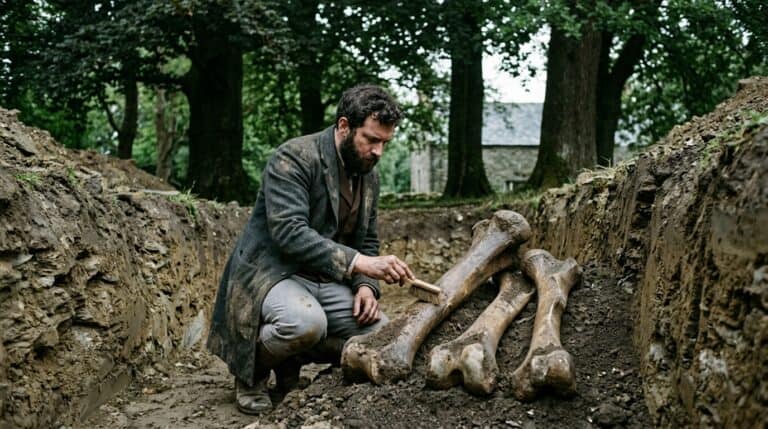
High on a limestone plateau in Guizhou Province, China, a massive cavern holds a secret that continues to baffle scientists and historians alike. The Panxian Dadong cave mystery centers on an impossible collection of fossils found 1,600 meters above sea level and perched high above the valley floor. Researchers have uncovered thousands of remains belonging to Stegodons and rhinoceroses, massive, lumbering creatures that simply should not have been able to climb the steep, rugged cliffs to reach the cave’s entrance.
The sheer volume of these heavy mammals found inside the mountain suggests something far more complex than a few stray animals losing their way. With over thirty percent of the remains consisting of teeth, the evidence points toward a deliberate and mysterious process that brought these giants into the dark. It raises a haunting question about whether ancient humans or a yet to be understood natural force was responsible for hauling tons of prehistoric bone into the clouds.
Key Takeaways
- The discovery of massive Stegodon and rhinoceros fossils 1,600 meters above sea level at Panxian Dadong defies natural logic, as these heavy animals were physically incapable of scaling such steep, rugged terrain.
- Evidence of intentional butchery, burnt bone fragments, and a disproportionate number of animal teeth suggests that early humans systematically processed and transported these large prey items into the cavern.
- The logistical feat of moving multi-ton animals into a high-altitude cave indicates that Middle Pleistocene hominins possessed far more advanced social structures, physical coordination, and strategic planning than previously recognized.
- The presence of precision-crafted stone tools and evidence of fire use within the cave challenges traditional timelines of human evolution and the perceived technological limits of our ancient ancestors.
Massive Fossils In An Impossible Location
Deep within the karst mountains of China’s Guizhou Province lies a cavern that defies geographical logic. Researchers have unearthed a massive collection of fossils belonging to Stegodons and rhinoceroses, animals that typically spent their lives grazing in low, flat valleys. The mystery deepens when you consider that the cave entrance sits over 1,600 meters above sea level and 32 meters above the valley floor. These heavy, lumbering creatures were physically incapable of scaling such steep, rugged terrain to enter the cave on their own. This discovery has left scientists questioning how thousands of remains from such massive beasts ended up in an impossible location.
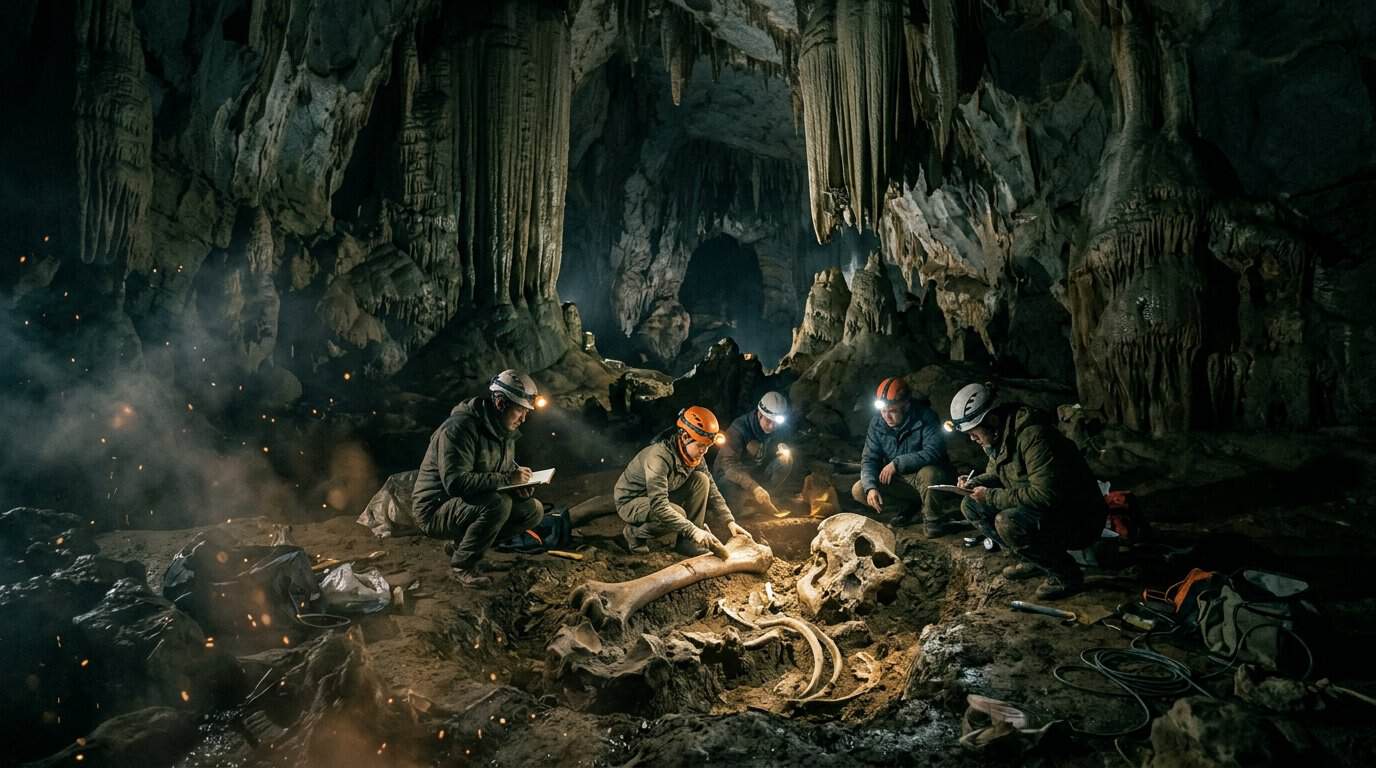
The evidence inside Panxian Dadong only adds to the intrigue of the site. Excavations led by archaeological teams revealed that many of the remains are surprisingly dominated by teeth rather than full skeletons. This pattern suggests that the animals did not simply wander in and die, but were instead brought there by an outside force. While some researchers suggest that natural predators or water flow could be responsible, the sheer volume of bones and the elevation of the cave make those theories difficult to prove. The presence of these fossils serves as a fascinating example of an out of place discovery that challenges our understanding of prehistoric life.
Could these massive animals have been transported by early humans, or is there a more mysterious explanation for their presence high in the mountains? Some experts point to the discovery of stone tools within the same layers of sediment as a sign of ancient human activity. However, the logistical challenge of hauling a multi ton Stegodon up a cliffside remains a staggering thought for any primitive group. This puzzle forces us to look closer at the capabilities of our ancestors and the environment they lived in. What do you think is the most likely way these giants reached their final resting place so far above the clouds?
Evidence Of Ancient Human Ingenuity
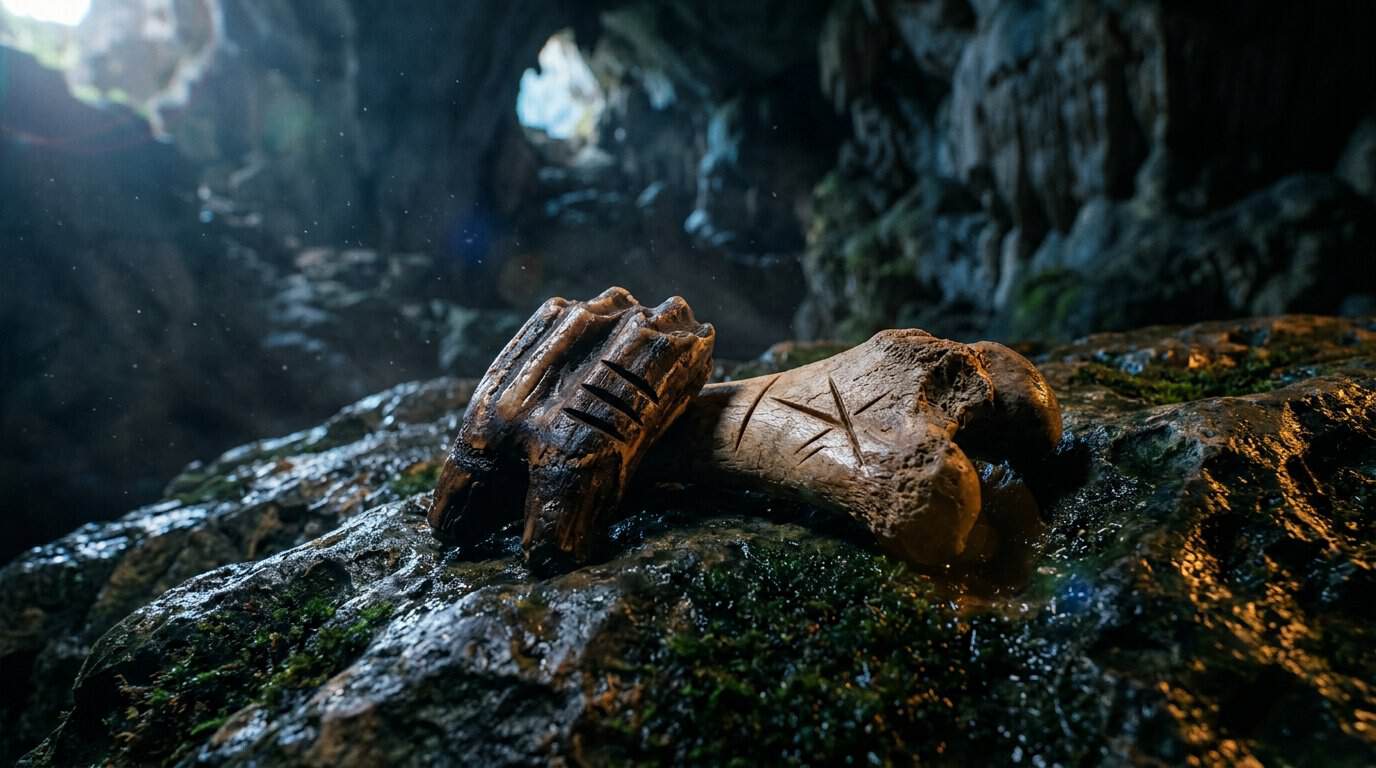
The discovery of burnt bone fragments and distinct stone tool marks provides a compelling look into the lives of the hominins who occupied Panxian Dadong. Archaeological teams have uncovered evidence of intentional butchery on the remains of massive animals. These marks suggest that the inhabitants were not just scavengers, but skilled hunters or processors who understood how to handle large prey. The presence of charred bones indicates that these early humans were also using fire to cook their meals within the cavern. This level of organization shows a level of sophistication that was once thought to be beyond Middle Pleistocene species.
Large rhinoceros and stegodon teeth make up a significant portion of the fossil record found at this high altitude site. Since these heavy creatures could not have climbed the steep terrain themselves, scientists have had to consider the possibility that humans carried parts of the animals up to the cave entrance. The sheer number of fossils suggests this was not a one time event, but a long term practice of transporting resources to a secure location. By moving these massive beasts into the cave, the inhabitants demonstrated a remarkable ability to manipulate their environment. This behavior points toward a strategic mindset and a high degree of physical coordination.
The tools found alongside these fossils further emphasize the ingenuity of the ancient people living in the Guizhou Province. These stone artifacts were crafted with precision, showing that the makers had a clear understanding of the raw materials available to them. While traditional science often looks for simple explanations, the mystery of how such large animals were moved remains a fascinating puzzle. It invites us to rethink the capabilities of our ancestors and how they survived in such challenging environments. Could these early humans have possessed ancient technology or methods that we have yet to fully understand?
Challenging The Timeline Of Human Evolution
The presence of massive stegodon and rhinoceros fossils inside the Panxian Dadong cave presents a puzzling challenge to our understanding of early human history. These enormous herbivores typically roamed open, low lying valleys rather than climbing steep mountain slopes to enter dark caverns. Located over 1,600 meters above sea level, the cave entrance would have been nearly impossible for such heavy creatures to reach on their own. Researchers have found that a staggering percentage of these remains consist of teeth, which suggests the bodies were systematically processed rather than arriving there by a natural accident. This strange collection of bones hints that ancient inhabitants possessed the strength and organization to move large prey into their mountain sanctuary.
If early humans were responsible for bringing these beasts into the cave, it suggests their social structures and hunting capabilities were far more advanced than previously thought. Experts have noted that the sheer volume of large animal remains points toward a coordinated effort to hunt and transport food. This level of planning and physical labor contradicts the traditional view of early humans in Asia as simple scavengers. Instead, it paints a picture of a sophisticated community that could tackle the most dangerous animals in their environment. The mystery forces us to reconsider how these ancient people cooperated to survive in such a rugged environment.
The discovery of these out of place fossils invites us to look at the timeline of human evolution with fresh eyes. We are left to wonder if these early residents used specialized tools or unique strategies to navigate the difficult terrain with such heavy loads. While some skeptics suggest natural flooding might have washed the bones inside, the high elevation and specific patterns of the remains make that theory difficult to support. This leaves the door open to the possibility that our ancestors were much more capable and clever than history books currently suggest. Much like the search for ancient astronauts in other remote regions of China, these findings push the boundaries of conventional archaeology. What do you think motivated these ancient people to haul such massive animals so far up a mountain?
The Unsolved Puzzle of the Mountain Giants
The mystery of Panxian Dadong cave serves as a fascinating bridge between established paleontology and the unexplained wonders of our ancient world. While mainstream science suggests that natural disasters or ancient hunters might have moved these massive beasts, the sheer logistics of transporting heavy rhinoceroses and stegodons up a steep mountain face remains a puzzling feat. This site invites us to look at the past with fresh eyes and consider how much we still have to learn about the capabilities of early inhabitants. By questioning the presence of these out of place fossils, we open a doorway into a deeper understanding of Earth’s hidden history.
These silent stone chambers hold secrets that challenge our standard timelines and the perceived limits of the ancient world. The presence of these massive animals in such an unlikely location reminds us that the line between scientific fact and historical enigma is often thinner than we think. As researchers continue to dig through the layers of sediment and bone, each discovery brings us closer to solving the puzzle while simultaneously deepening the intrigue. This mountain cavern stands as a testament to the idea that some of the most compelling stories of our planet are still waiting to be fully understood.
What do you think is the most likely explanation for how these massive creatures ended up so high above their natural habitat? Could there be an overlooked method used by ancient people, or is there a natural phenomenon we have yet to discover? Much like the mystery of the Lake Tianchi monster sightings, the fossils of Panxian Dadong remind us that curiosity is the first step toward uncovering the truth about our ancestors and the world they inhabited. We invite you to share your thoughts and join the conversation as we explore the many strange anomalies that continue to baffle experts today. This logistical feat of moving heavy materials mirrors ancient engineering found in other parts of the world that still defies our modern understanding of history.
Frequently Asked Questions
1. Where is the Panxian Dadong cave located?
This mysterious cavern is tucked away in the karst mountains of Guizhou Province, China. It sits high on a limestone plateau, perched 1,600 meters above sea level and 32 meters above the valley floor.
2. Why is the location of the fossils considered impossible?
The fossils belong to Stegodons and rhinoceroses, which were massive animals that lived in low, flat valleys. These heavy creatures lacked the physical ability to climb the steep, rugged cliffs required to reach the cave entrance.
3. What kind of animals were found inside the cave?
Researchers discovered thousands of remains belonging to prehistoric giants like Stegodons, which are extinct relatives of elephants, and ancient rhinoceroses. These lumbering mammals dominated the environment during the time they were brought into the cavern.
4. What makes the fossil collection so unusual?
The sheer volume of remains is staggering, but the composition is even more puzzling. Over thirty percent of the find consists of teeth rather than full skeletons, suggesting a very specific and deliberate process of selection.
5. Could ancient humans have been involved in the mystery?
Evidence from scientific research suggests that early humans occupied the cave and may have been responsible for hauling the remains uphill. This theory implies an incredible level of strength and coordination to move tons of bone into such a high location.
6. Is there a natural explanation for how the bones got there?
Some researchers explore the possibility of natural forces or unknown geological shifts that might have moved the remains over time. However, the specific pattern of teeth and the extreme height of the cave make a purely natural cause difficult to prove.
7. What did researchers discover during excavations?
Excavation teams uncovered a massive treasure trove of prehistoric evidence that defies geographical logic. Their work revealed that the cave was not just a random site but a place where massive animal remains were concentrated in a way that suggests intentional activity.