The Bat-Winged Terror Of Zanzibar: Tracking The Popobawa Legend Origins
In the darkened rooms of the Zanzibar Archipelago, a shadow known as the Popobawa has haunted the dreams of locals for decades. Most myths feel ancient and dusty, but the popobawa legend origins are surprisingly modern, first appearing on the island of Pemba following the political chaos of the 1960s. This shapeshifting spirit, whose name translates to “bat-wing,” is famous for its ability to transform from a small animal into a terrifying human-like figure in the blink of an eye.
The mystery deepens when looking at how this legend spread through documented waves of mass hysteria that gripped entire communities. Some believe the entity was a vengeful spirit released by an angry sheikh, while others view it as a physical manifestation of historical trauma. Whether it is a supernatural being or a shared psychological response to stress, the Popobawa remains one of the most chilling and persistent mysteries in East African folklore.
Key Takeaways
- The Popobawa is a modern legend that emerged on Pemba Island in 1965, surfacing as a shapeshifting ‘shetani’ spirit during periods of intense political and social upheaval.
- While folklore attributes the entity to a vengeful sheikh’s released djinni, many researchers view the phenomenon as a physical manifestation of collective historical trauma and the scars of the Arab slave trade.
- Documented outbreaks of mass hysteria, such as the 1995 Zanzibar City event, demonstrate how community-wide stress can trigger synchronized psychological and physical responses.
- Scientific explanations like sleep paralysis often intersect with traditional spiritual beliefs, as the brain’s biological glitches manifest through the specific cultural lens of the bat-winged shadow.
The 1965 Pemba Island Outbreak
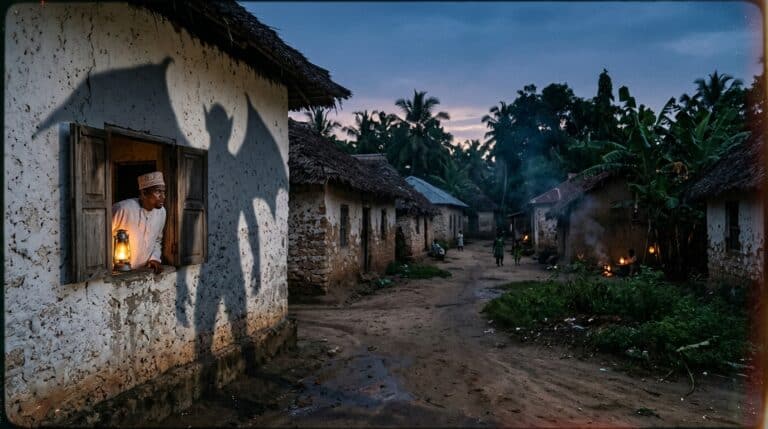
The legend of the Popobawa emerged from the shadows of Pemba Island in 1965, a time when the Zanzibar Archipelago was still reeling from the violent shifts of the Zanzibar Revolution. In the wake of intense political upheaval and social change, residents began reporting terrifying encounters with a shapeshifting spirit that seemed to thrive on chaos. This malevolent entity, known as a shetani in local Swahili culture, was said to cast a massive, bat-like shadow as it terrorized households under the cover of darkness. While some skeptics view these sightings as a manifestation of collective trauma, the sheer number of witnesses suggests a phenomenon that goes beyond simple imagination.
Local historians and folklorists often point to this specific era as the moment a modern African legend was born from the seeds of historical tension. One popular narrative suggests that the spirit was originally a djinni released by a vengeful sheikh who eventually lost control of the powerful being. Others believe the entity serves as a physical representation of the lingering scars left by the Arab slave trade in the region. By blending ancient spiritual beliefs with the very real anxieties of a changing nation, the Popobawa became a unique cultural fixture that continues to haunt the collective memory of the islands.
The 1965 outbreak remains one of the most significant examples of how a community can experience a shared paranormal event during times of crisis. These early reports described a creature that could take many forms, making it nearly impossible to capture or defend against. The sightings were so widespread and consistent that they prompted serious documentation by local authorities and researchers alike. Even today, the mystery of Pemba Island serves as a chilling reminder of the thin line between psychological stress and the potential reality of the unexplained. What do you think causes a community to see the same shadow, and could there be a physical truth behind the bat-winged spirit?
Etymology And The Shetani Spirit World
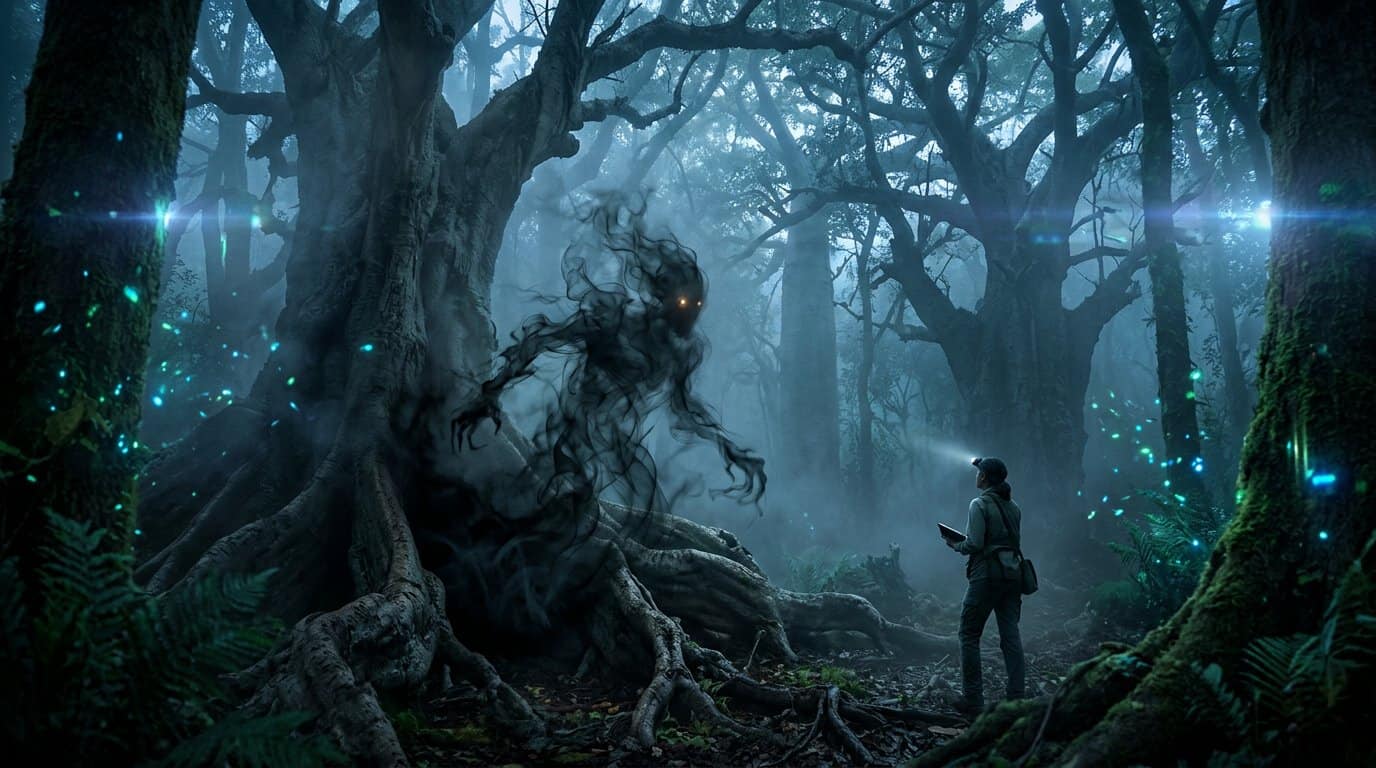
The name Popobawa comes from the Swahili words popo, meaning bat, and bawa, which means wing. This title describes the massive, dark shadow the entity is said to cast when it stalks through the night. While the name creates a specific mental image, local accounts suggest the spirit is a shapeshifter that can take on human or animal forms at will. This linguistic root serves as a warning to residents of the Zanzibar Archipelago, signaling that a malevolent force is hovering nearby. Understanding the name is the first step in recognizing how this entity fits into the broader cultural of East Africa.
In the traditional hierarchy of Tanzanian spirits, the Popobawa is classified as a shetani. Unlike the more common spirits that might be neutral or even helpful, a shetani is typically viewed as a mischievous or outright harmful entity. These beings occupy a complex place in the spirit world, existing alongside humans but possessing supernatural abilities that defy physical laws. Local folklore often describes them as having distinct personalities and motivations, ranging from simple trickery to deep-seated vengeance. This classification places the Popobawa within a long history of African spiritualism that predates modern sightings.
The origins of this specific shetani are often linked to the island of Pemba, where the first recorded encounters began around 1965. Some oral traditions claim the spirit was conjured by an angry sheikh who lost control of his creation, while others view it as a manifestation of historical trauma. Because the legend emerged shortly after the Zanzibar Revolution, many scholars and historians believe the spirit represents a collective response to political and social upheaval. Whether it is a literal shadow or a psychological projection, the Popobawa remains a powerful symbol of the unexplained within the Swahili coast.
Vengeful Djinn And The Angry Sheikh
The most famous origin story of the Popobawa traces back to the island of Pemba during the 1970s. Local legend tells of an embittered sheikh who felt deeply wronged by his neighbors and sought a supernatural solution for his grievances. According to these accounts, the sheikh summoned a powerful djinn and released it into the community to exact his revenge. However, the spiritual force proved too volatile for its master to contain and it eventually broke free of his control. This narrative suggests that the creature is not a natural beast but a hijacked spiritual entity that continues to roam the archipelago long after its summoner has passed.
Beyond the tale of the angry sheikh, many historians and sociologists look toward the island’s turbulent past to explain the spirit’s sudden arrival. The first major wave of sightings occurred in 1965, shortly after the violent Zanzibar Revolution had fundamentally reshaped the social world. Some researchers believe the Popobawa serves as a physical manifestation of historical trauma, particularly the lingering scars left by the Arab slave trade. In this view, the creature represents a psychological shadow cast by centuries of oppression and sudden political upheaval. By taking the form of a terrifying bat-winged shadow, the spirit forces the community to confront fears that are often too painful to discuss openly.
While these theories provide a cultural framework, the physical encounters reported by villagers remain chillingly consistent. Witnesses often describe a heavy pressure on their chests and a sulfurous smell that accompanies the dark, winged silhouette. Much like the what are skinwalkers question in North American lore, the Popobawa is a literal demon born from an ancient grudge or a shared mental response to a difficult history, its impact on Tanzanian life is undeniable. The legend bridges the gap between the unseen spirit world and the tangible reality of human suffering. Today, the story continues to evolve, blending traditional African folklore with the modern anxieties of a changing society.
Mass Hysteria And Modern Documented Sightings
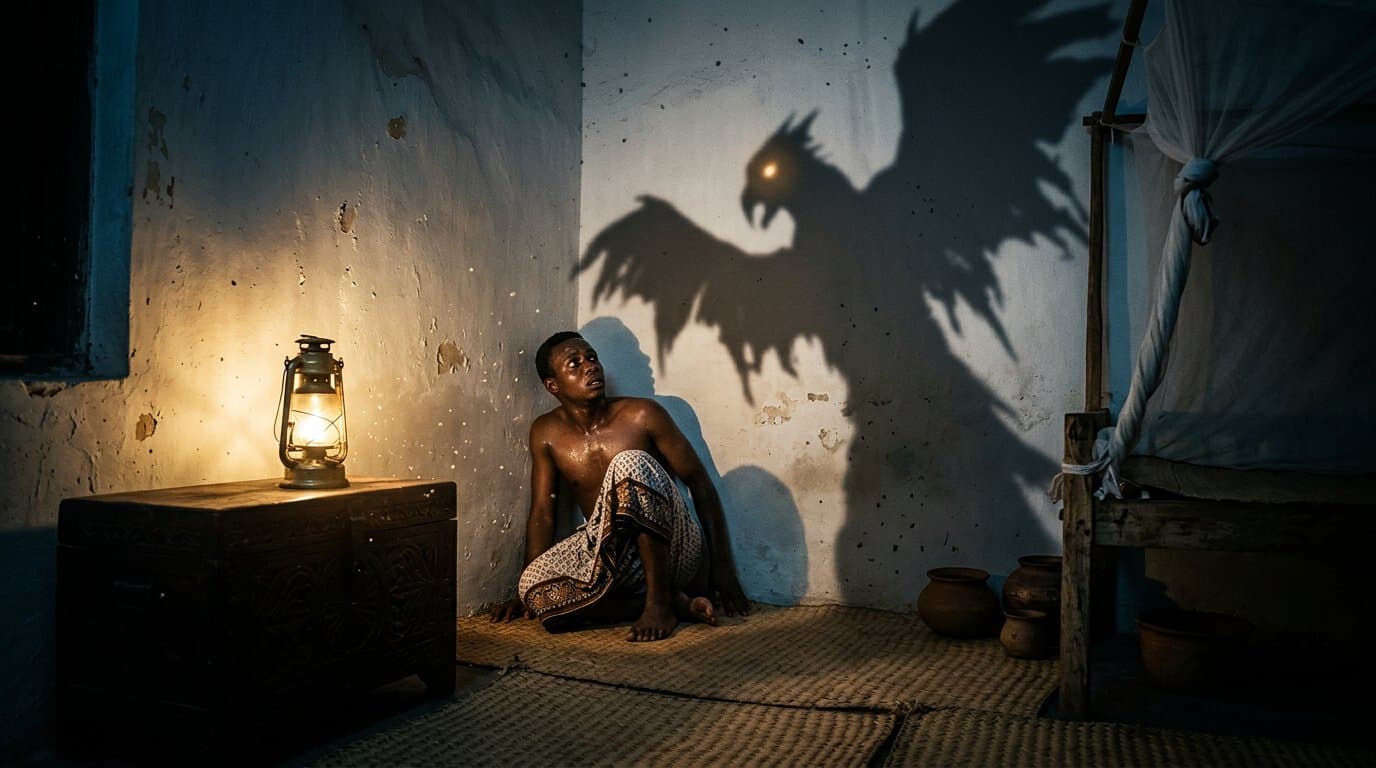
The Popobawa phenomenon reached a fever pitch in 1995 when a massive outbreak of sightings swept from the island of Pemba to the urban streets of Zanzibar City. During this time, entire families chose to sleep outside around communal fires rather than face the spirit in the perceived vulnerability of their bedrooms. Reports from this era describe a shapeshifting entity that could appear as a human, an animal, or a massive bat-like shadow. While local authorities and medical professionals often categorized these events as a form of mass sociogenic illness, the sheer number of witnesses suggests a shared experience that felt terrifyingly real. These documented sightings frequently coincided with periods of intense political or social transition, indicating that the spirit may manifest during times of high community stress.
Psychologists and researchers who studied the 1990s outbreaks often point to sleep paralysis as a scientific explanation for the physical sensations reported by victims. In many cases, individuals described a heavy pressure on their chests and a feeling of being unable to move while a dark figure loomed over them. This biological glitches occurs when the brain wakes up before the body, often resulting in vivid hallucinations based on cultural fears. However, the way the legend spread suggests something more complex than a simple medical condition. The Popobawa became a collective outlet for the trauma and anxiety of the population, blending traditional Zanzibari beliefs with modern psychological pressures.
Even today, the legend remains a potent force in East African culture, popping up whenever social tensions rise. Skeptics argue that the bat-wing spirit is merely a product of the imagination fueled by shared hysteria, yet the physical symptoms reported by those affected are difficult to dismiss. Some researchers believe that the intense psychological stress of a community can actually trigger a physical, synchronized response among its members. This creates a fascinating intersection where folklore and modern science meet, leaving us to wonder if the mind can truly conjure a monster into existence. Much like the Ariel School encounter in Zimbabwe, these events challenge our understanding of collective testimony and the reality of the unexplained. What do you think causes an entire city to see the same shadow, and have you ever experienced a dream that felt far too real?
The Living Legacy of Zanzibar’s Shapeshifter
The legacy of the Popobawa remains a fascinating blend of cultural memory and unexplained phenomena that continues to haunt the Zanzibar Archipelago. This shapeshifting spirit represents more than just a local ghost story, as it serves as a living record of the region’s complex history and collective trauma. From its first recorded appearances following the Zanzibar Revolution to the modern outbreaks of sightings, the legend bridges the gap between ancient djinni folklore and contemporary social anxiety. It stands as a unique example of how a community processes fear through the lens of the supernatural.
While skeptics often point toward sleep paralysis or mass hysteria to explain the sightings, the consistency of the reports across the islands suggests a deeper mystery at play. The Popobawa has become a permanent fixture in Tanzanian culture, appearing during times of political or social unrest as a shadow that refuses to be ignored. By blending documented historical events with genuine paranormal claims, the legend challenges our understanding of where psychology ends and the spirit world begins. It remains one of Africa’s most compelling paranormal visitors, inviting us to look closer at the shadows of the bat-winged visitor.
What do you think is behind the sudden appearances of the Popobawa throughout Zanzibar’s history? Do you believe these sightings are a physical manifestation of communal stress, or could there be a literal entity triggered by the island’s turbulent past? The debate between scientific explanation and traditional belief continues to thrive, and we would love to hear your perspective on this smokeless fire shapeshifting mystery. Share your thoughts in the comments below and let us know if you think some legends are better left unexplained.
Frequently Asked Questions
1. Where did the legend of the Popobawa first begin?
The mystery of the Popobawa started on Pemba Island, which is part of the Zanzibar Archipelago. It first emerged in 1965 during a period of intense political change and social unrest following the Zanzibar Revolution.
2. What does the name Popobawa actually mean?
The name comes from the Swahili words for bat and wing. This refers to the massive, dark shadow the creature is said to cast when it flies through the night air to haunt local homes.
3. How does the Popobawa change its appearance?
This entity is a shapeshifter that can transform in the blink of an eye. It often shifts from a small animal into a terrifying human-like figure, making it nearly impossible to pin down its true physical form.
4. Is the Popobawa considered a ghost or a different type of spirit?
In local Swahili culture, the creature is classified as a shetani, which is a malevolent spirit or djinni. Some legends suggest it was originally a spirit released by an angry sheikh who eventually lost control of the entity.
5. Why do some people believe the sightings are linked to history?
Many observers believe the Popobawa is a physical manifestation of historical trauma. Because the sightings often follow periods of great stress or political chaos, the spirit may represent a shared psychological response to the community’s struggles.
6. How do these legends spread across the islands?
The legend travels through documented waves of mass hysteria that can grip entire communities at once. While skeptics point to collective imagination, the sheer number of witnesses during these outbreaks suggests a phenomenon that is deeply felt by the population.