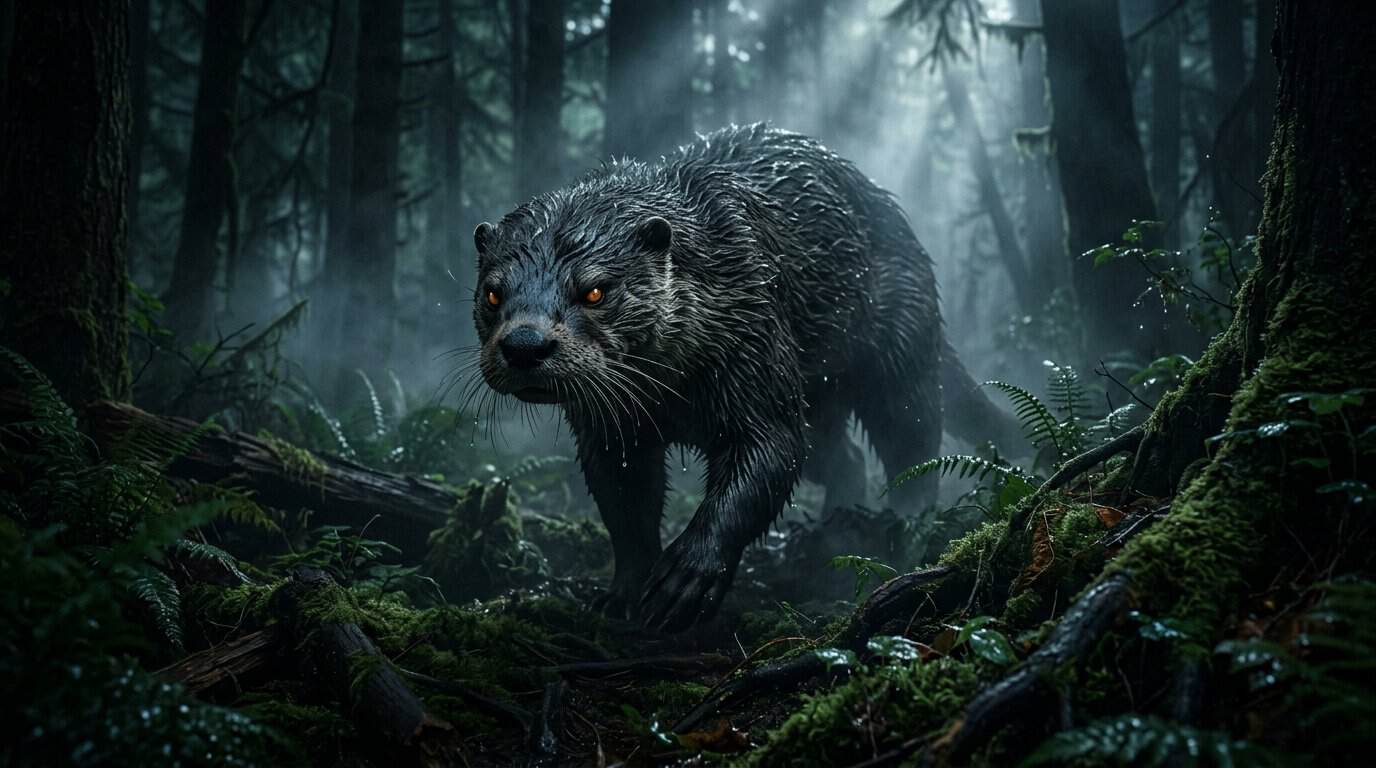
The Land Otter Man: Uncovering The Kushtaka Legend Origins
Deep within the mist-covered fjords of Southeast Alaska, a chilling transformation awaits those who wander too close to the water’s edge. For over ten thousand years, the Tlingit people have shared stories of the Land Otter Man, a shape-shifting entity that blurs the line between man and beast. Exploring the kushtaka legend origins reveals a creature that is both a savior and a thief of souls, appearing to the freezing or drowning as a familiar face. These ancient accounts suggest that while the creature may save a person from physical death, the price is an eternal life spent in the shadows as a hybrid monster.
The Pacific Northwest is a land of dense forests and unpredictable tides, where the boundary between reality and myth often feels thin. To the Tlingit and Tsimshian tribes, the Kushtaka is not merely a campfire tale but a warning about the dual nature of the wilderness. It acts as a supernatural trickster, using illusions of family and friends to lure the vulnerable into its world. By looking closely at these cultural roots, one can begin to understand how a helpful otter can suddenly become a terrifying omen of a life lost to the wild.
Key Takeaways
- The Kushtaka is a shapeshifting ‘Land Otter Man’ from Tlingit and Tsimshian mythology that serves as a supernatural warning about the lethal dangers of the Alaskan wilderness.
- The creature preys on vulnerable individuals by mimicking the voices and faces of loved ones, offering a deceptive salvation that saves the victim from physical death while trapping their soul in an eternal, hybrid state.
- Transformation into a Kushtaka is considered a tragic fate because it severs the victim from the sacred cycle of reincarnation, leaving their spirit in permanent exile from their ancestors and clan.
- Traditional protections against these shapeshifters include the use of dogs as spiritual sentinels and copper tools or ornaments, which are believed to repel the creature and force it to reveal its true form.
Ancient Roots Of The Tlingit Land Otter Man
The roots of the Kushtaka run deep within the lush, rain-soaked landscapes of the Alaskan Panhandle, where the Tlingit and Tsimshian tribes have resided for over ten thousand years. In the native Tlingit language, the name Kooshdaa kaa translates literally to Land Otter Man, a title that hints at the creature’s dual existence between the human and animal worlds. Unlike many cryptids that are viewed as simple monsters, the Kushtaka is woven into a complex spiritual tapestry that reflects the dangers of the northern wilderness. Indigenous historians and elders describe these beings not just as myths, but as a fundamental part of the coastal ecosystem where the line between survival and the supernatural is often blurred.
These shapeshifting entities occupy a unique space in folklore because they are often born from a moment of tragedy rather than being ancient monsters. Legend tells of sailors and hunters who, while facing certain death from drowning or freezing, are approached by what appears to be a helpful relative or friend. This entity is actually a Kushtaka in disguise, offering a deceptive form of salvation that prevents physical death but costs the victim their soul. By distracting the person with intricate illusions, the creature transforms the human into a fellow Land Otter Man. This process ensures the victim survives the harsh elements, yet they are forever removed from their tribe and family to live as a hybrid of the wild.
While the Kushtaka shares some superficial traits with other forest-dwelling legends, its behavior is far more psychological and manipulative than the typical beast. It does not rely on brute strength alone, instead using its ability to mimic the cries of infants or the voices of loved ones to lure the unsuspecting into the dense woods. This blend of indigenous history and chilling storytelling serves as a powerful reminder of the respect the Tlingit people have for the unpredictable nature of the sea and forest. To the tribes of Southeast Alaska, the Land Otter Man is a cautionary figure that bridges the gap between the known world and the mysterious spirits that dwell just beyond the shoreline.
The Tragic Transformation Of Lost Souls
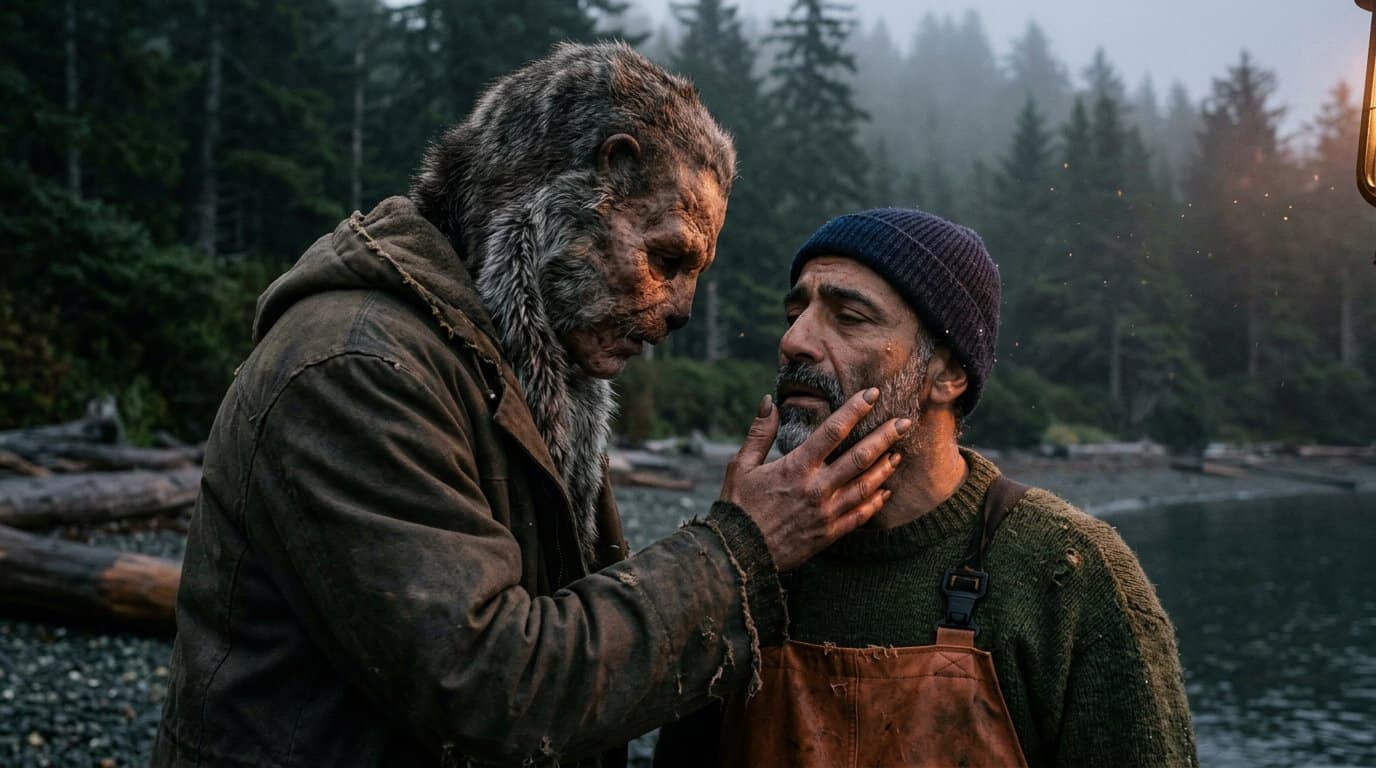
The transformation of a lost traveler into a Kushtaka begins with a deceptive act of mercy that carries a heavy spiritual price. When a sailor is drowning in the frigid Alaskan waters or a hunter is freezing in the woods, the Land Otter Man appears as a trusted friend or a loved one to offer help. This supernatural being uses powerful illusions to distract the victim from their dire situation, luring them away from the brink of physical death. While this intervention technically saves the person’s life, it serves as a trap that strips away their humanity. The victim is gradually changed into a creature that is neither fully human nor fully animal, joining the ranks of the shapeshifters forever.
This transition is viewed by the Tlingit people as a tragic fate far worse than a natural end. According to traditional indigenous beliefs, the soul must undergo a sacred cycle of reincarnation to continue its journey through the cycles of life. When a human is transformed into a Kushtaka, this natural progression is shattered, leaving the spirit trapped in a state of eternal limbo. The soul becomes tethered to the wild places of the Pacific Northwest, unable to return to its ancestors or be reborn into its clan. This loss of the afterlife represents the ultimate spiritual stake, turning a rescue mission into a permanent exile from the human world.
The legend serves as a chilling reminder of the thin line between survival and total loss in the wilderness. Tlingit oral histories emphasize that the Kushtaka does not just want to kill its victims, but rather seeks to recruit them into its own lonely existence. By stealing the soul, the creature ensures that the victim can never find peace in the spirit realm, which is why these beings are often described with a mix of fear and deep pity. Modern researchers who study these legends note that the story provides a cultural explanation for the mysterious disappearances that still occur in the dense coastal forests today. It frames the unknown dangers of the landscape through a narrative of tragic transformation that continues to haunt the imagination.
Mimicry And Deception In The Deep Woods
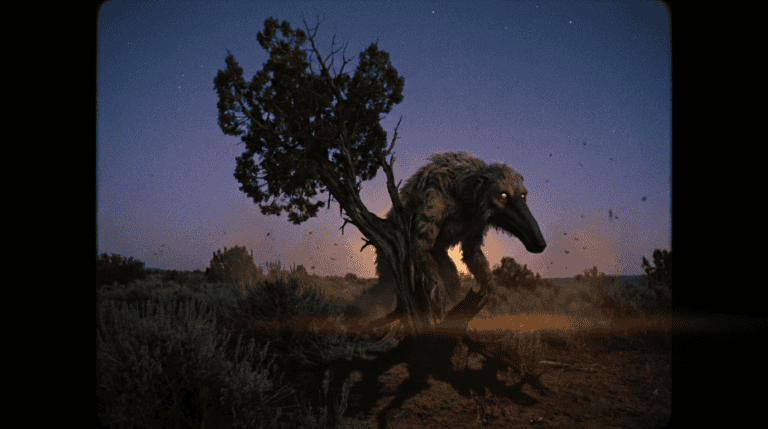
The Kushtaka is a master of psychological trickery that preys on the vulnerability of those lost in the thick Alaskan brush. To the naked eye, it often appears as a grotesque hybrid with the nimble body of a land otter and the haunting facial features of a human. These entities do not rely on brute strength alone, but instead use sophisticated illusions to cloud the judgment of their targets. By projecting images of a warm campfire or a familiar face, they lead weary travelers away from safety and deeper into the shadows of the forest. This deceptive nature makes them one of the most feared spirits in Tlingit history, as they target the mind just as much as the body.
One of the most chilling tactics used by these shapeshifters is their ability to mimic the sounds of those in distress. Tlingit oral traditions describe the Kushtaka imitating the high pitched cries of a human infant or the desperate screams of a woman to lure helpful souls into a trap. When a person rushes toward the sound to offer assistance, they find themselves isolated and far from the beaten path. According to historical accounts from indigenous elders, the goal of this mimicry is to capture the soul of the victim before they succumb to the elements. Once the traveler is fully disoriented, the creature completes its transformation, turning the human into a new land otter man.
The physical presence of the Kushtaka is often accompanied by a sense of deep unease that signals something is not quite right in the environment. While they can look perfectly human from a distance, closer inspection often reveals sharp claws or patches of thick fur that give away their true identity. These legends serve as a powerful cautionary tale about the dangers of the wilderness and the importance of staying alert to one’s surroundings. Researchers who study these Pacific Northwest mysteries often note how these stories blend real world survival skills with supernatural warnings. Have you ever heard a strange sound in the woods that you couldn’t quite explain?
Traditional Protections Against The Shapeshifter
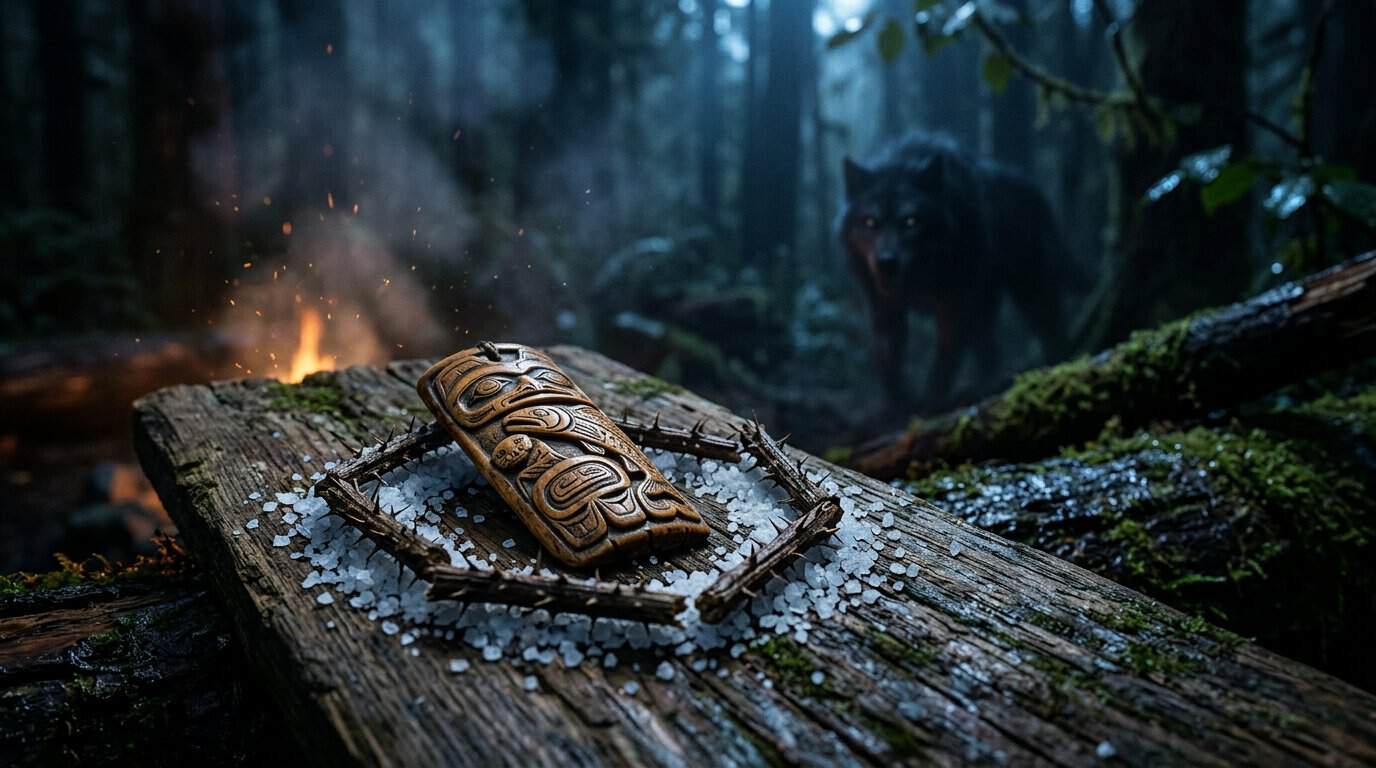
To protect themselves from the deceptive Land Otter Man, the Tlingit people relied on specific tools that acted as a bridge between the physical and spiritual worlds. Dogs were considered the most reliable guardians because of their keen senses and innate ability to see through supernatural disguises. When a Kushtaka attempted to lure a hunter away by mimicking a loved one, a dog’s aggressive barking or fearful whining served as a vital warning that the figure was actually a monster. Tlingit oral traditions, documented by researchers like Frederica de Laguna, emphasize that these animals were not just pets but spiritual sentinels capable of smelling the creature’s true, musky scent. This bond between man and canine created a protective barrier that the shapeshifter found difficult to penetrate.
Copper also held a position of extreme importance as a material that the Kushtaka simply could not tolerate. In many traditional stories, the mere presence of copper ornaments or copper tools was enough to repel a shapeshifter or force it to reveal its animalistic form. This belief likely stems from the high value and perceived purity of copper in Pacific Northwest cultures, where it was often associated with high status and protective spirits. Hunters would carry copper knives or wear copper rings to ensure they remained grounded in their human identity while navigating the misty, dangerous shorelines. By using these items, the Tlingit turned everyday objects into powerful talismans that helped them survive the unpredictable Alaskan wilderness.
These protective practices functioned as essential survival guides for a culture living in one of the harshest environments on Earth. The stories taught young travelers to remain vigilant and to trust their instincts, as well as the reactions of their animal companions, when things felt out of place. While modern science might view these methods as folklore, they provided a structured way for the Tlingit to process the very real dangers of drowning or becoming lost in the deep woods. By blending practical safety advice with spiritual defense, these legends ensured that the community remained connected and cautious. Do you believe these ancient roots were purely symbolic, or could there be a deeper reason why these specific materials were thought to disrupt a shapeshifter’s power?
The Spiritual Legacy of the Land Otter Man
The legend of the Kushtaka remains a profound bridge between the physical world and the spiritual traditions of the Tlingit people. These stories do more than just provide a thrill for the campfire, as they encapsulate a deep respect for the unforgiving Alaskan wilderness. By blending the familiar form of the land otter with the unsettling ability to mimic human loved ones, the myth highlights the thin line between survival and the unknown. It serves as a cultural anchor that has preserved indigenous history for thousands of years, offering a unique perspective that stands apart from more common modern monsters.
This enduring mystery invites us to look closer at the relationship between human nature and the untamed environment. Whether these accounts describe a literal supernatural being or represent a psychological response to the dangers of the North, their impact on the Pacific Northwest is undeniable. The chilling tales of the Land Otter Man remind us that some secrets may still be hidden within the deep forests and icy waters. We invite you to share your own thoughts on this ancient shapeshifter. Do you view the Kushtaka as a vital cautionary tale for survival, or could it be a genuine glimpse into an unexplained phenomenon?
Frequently Asked Questions
1. What exactly is a Kushtaka according to Tlingit tradition?
The Kushtaka is a shape-shifting spirit known as the Land Otter Man that inhabits the coastal regions of Southeast Alaska. It exists as a hybrid being that can shift between human and otter forms, often acting as a trickster or a collector of souls.
2. How did the legend of the Land Otter Man begin?
The origins of this legend date back over ten thousand years within the oral histories of the Tlingit and Tsimshian people. It emerged as a cultural way to explain the dangers of the wilderness and the mysterious disappearances of those who ventured too close to the freezing waters.
3. Why does the Kushtaka target people who are drowning or freezing?
The creature is said to appear to those in life-threatening situations by mimicking the faces of their loved ones to gain their trust. While it may seem to save the victim from a cold death, the true intent is to transform the person into a Kushtaka so they can join its ranks in the spirit world.
4. What does the name Kooshdaa kaa actually mean?
In the native Tlingit language, the name translates directly to Land Otter Man. This title reflects the creature’s dual nature and its deep connection to the land otters that inhabit the misty fjords of the Alaskan Panhandle.
5. Is the Kushtaka considered a helpful spirit or a monster?
It holds a complex role in indigenous folklore, serving as both a terrifying predator and a cautionary guide. While it is often feared for stealing souls, the stories also serve as vital survival lessons about the unpredictable tides and the thin boundary between reality and the supernatural.
6. Can the Kushtaka change its appearance to look like anyone?
Yes, these entities are master illusionists that frequently take the form of trusted friends or family members to lure the vulnerable into the forest. This ability to create illusions makes them one of the most deceptive and feared figures in Pacific Northwest mythology.