The Mystery Deep Beneath The Waves: Investigating The Baltic Sea Anomaly Origin
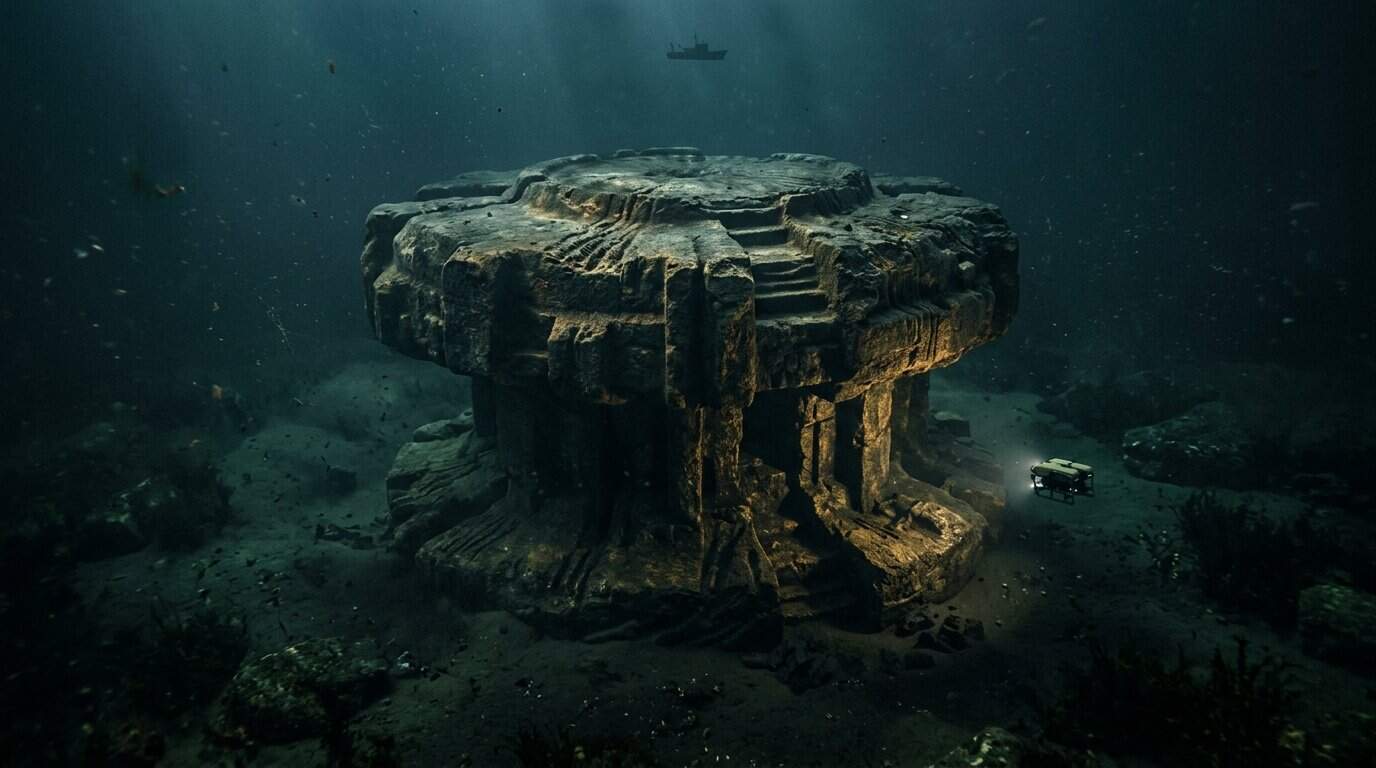
Resting ninety meters below the dark, icy waves of the Gulf of Bothnia lies a massive mystery that has puzzled the world for over a decade. When explorers first spotted the sixty-meter-wide circular structure on sonar, they sparked a global debate regarding the baltic sea anomaly origin that continues to intensify today. This strange object, with its sharp angles and massive size, looks less like a random rock and more like a relic from a forgotten history.
While many experts initially brushed it off as a simple glacial deposit, recent data from late 2025 has turned the tide of the investigation. New findings suggest the structure may be detached from the seafloor and possesses strange electromagnetic qualities that defy easy explanation. As the line between natural geology and artificial design blurs, researchers are forced to look closer at what might truly be hidden in the deep.
Key Takeaways
- The Baltic Sea Anomaly is a 60-meter-wide circular structure in the Gulf of Bothnia that features sharp 90-degree angles and geometric precision inconsistent with typical natural formations.
- Recent data from 2025 and 2026 suggests the object is detached from the seafloor and emits localized electromagnetic pulses that cause electronic equipment to malfunction within 200 meters.
- While geologists argue the structure is a glacial deposit of granite and basalt from the Ice Age, the presence of a ‘runway’ skid mark and internal corridors supports theories of artificial or mechanical origins.
- New high-resolution sonar imaging and mineral analysis have shifted the investigation toward the possibility that the site is an ancient submerged installation or a relic of unknown technology.
Geological Explanations And Glacial Movement Theories
Geologists often point to the massive ice sheets of the Pleistocene epoch as the true architects of this deep sea mystery. During the last Ice Age, towering glaciers moved across the Scandinavian region with incredible force, dragging massive boulders and debris across the seabed. When these glaciers eventually melted, they deposited unique rock formations in unusual patterns that can easily mimic the look of artificial structures. Many academic experts suggest that the Baltic Sea Anomaly is likely a product of this natural process. They argue that the 60 meter structure is a glacial deposit or a dropstone that was left behind as the ice retreated thousands of years ago.
The specific makeup of the rocks found at the site provides even more clues about its ancient history. Divers and researchers have collected samples of granite and volcanic basalt, which are common materials found in glacial moraines. While basalt is a volcanic rock, it does not necessarily mean there was an underwater volcano at this exact spot. Instead, these rocks could have been carried hundreds of miles by moving ice before settling in the Gulf of Bothnia. This mixture of minerals creates a rugged, geometric appearance that fuels the debate between natural formation and something more intentional.
Despite these scientific explanations, the sheer size and circular shape of the object keep the sense of intrigue alive for many maritime enthusiasts. Skeptical researchers acknowledge that while glacial movement is a powerful force, the perfect symmetry and the presence of a long runway leading to the object are harder to explain with ice alone. This creates a fascinating middle ground where geological facts meet unexplained maritime history. It leaves us wondering if the Ice Age simply reshaped the earth, or if it accidentally buried something that was already there. What do you think is more likely: a rare natural coincidence or a hidden piece of history?
Artificial Features And Reported Electromagnetic Interference
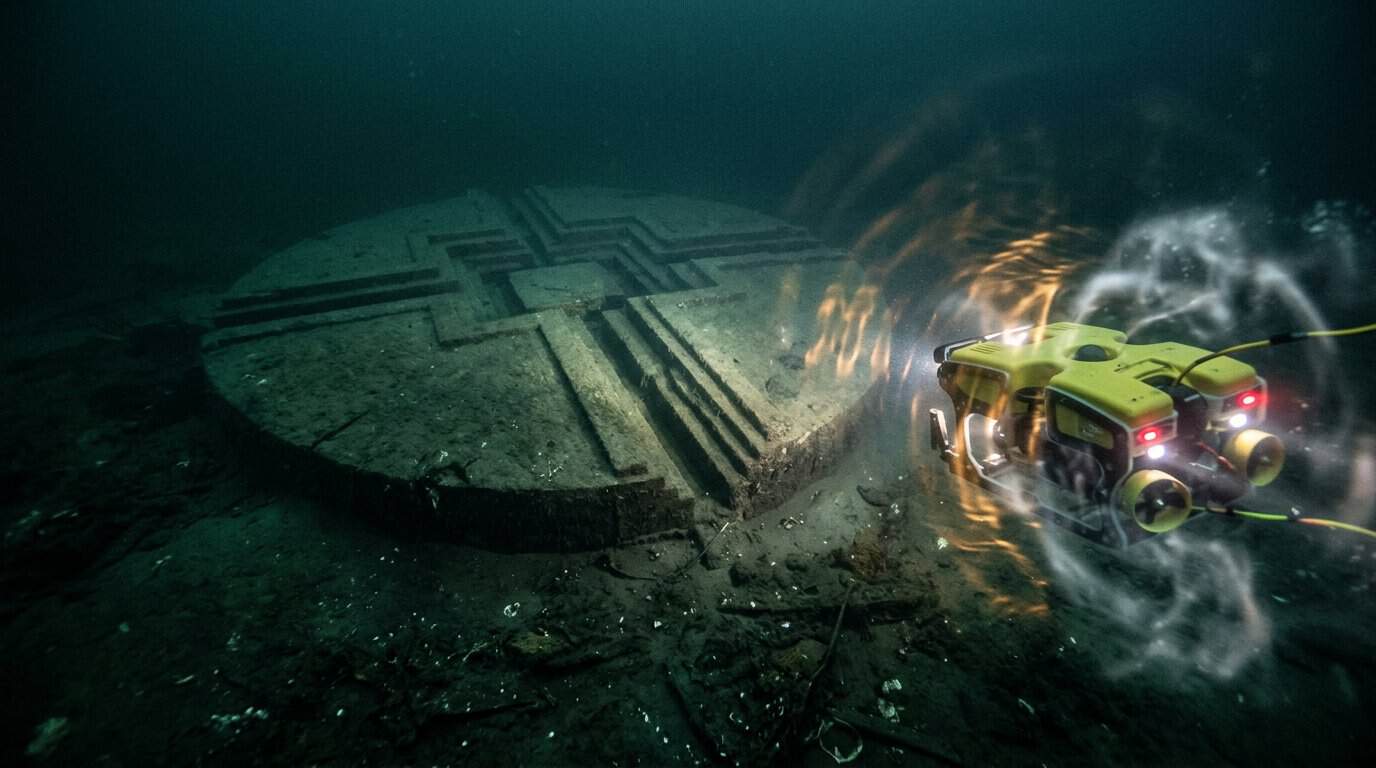
The physical appearance of the Baltic Sea Anomaly has long baffled independent researchers who have studied the sonar imagery. Divers who have braved the dark depths of the Gulf of Bothnia describe a structure that looks far more like a ruined monument than a simple rock formation. They have reported seeing sharp 90 degree angles, smooth flat walls, and narrow corridors that seem to lead into the heart of the 60 meter wide object. These geometric shapes are rare in the natural world, leading many to wonder if the site could be an ancient underwater temple or a long lost piece of military technology. The presence of a long skid mark trailing behind the object suggests it may have slid across the seafloor before coming to a final rest.
Beyond its strange physical shape, the site is known for a series of bizarre electrical malfunctions that occur whenever explorers get too close. Crews have reported that satellite phones, cameras, and even diving equipment suddenly stop working when their ships are positioned directly over the anomaly. According to reports from exploration teams, these devices often spring back to life once the vessel moves about 200 meters away from the center of the site. This persistent interference suggests that the object might be emitting a powerful electromagnetic field or contains high concentrations of metals that disrupt modern electronics. Such activity has led some researchers to suggest the object is not just a stone formation, but an artificial craft with an internal power source.
While many geologists argue that the structure is merely a glacial deposit or a volcanic rock known as basalt, the combination of geometric precision and electronic failure keeps the mystery alive. New data emerging in recent years has challenged the idea that the object is purely natural, especially as samples continue to show unusual mineral compositions. If the anomaly is truly an artificial relic of the past, it would completely change our understanding of maritime history and the capabilities of ancient civilizations. The debate continues to grow as technology allows for clearer imaging and more detailed analysis of the seafloor environment. Do you believe these 90 degree angles are proof of an intelligent design, or is nature simply playing a trick on our eyes?
Recent Data And The Sunken Technology Debate
Fresh exploration efforts in late 2025 have pulled back the curtain on the Baltic Sea Anomaly, revealing startling new sonar imagery that contradicts the long-held belief that the object is merely a glacial deposit. These high-resolution scans show a level of geometric precision that is rarely seen in natural underwater formations, featuring sharp angles and straight lines that span its sixty-meter diameter. Independent researchers have pointed out that the structure appears to be elevated above the seabed rather than being part of the bedrock itself. This physical separation suggests that the circular object may have settled there from elsewhere, rather than being carved by ancient ice movements. The sheer scale of the structure, covering roughly three thousand square meters, continues to baffle those who study the deep-sea floor.
Recent data from 2026 has introduced a compelling new layer to the mystery through the recording of unusual electromagnetic activity centered directly around the anomaly. Electronic equipment and diving gear often malfunction when in close proximity to the site, a phenomenon that was once dismissed as coincidence but is now being studied more seriously. New readings suggest these pulses are consistent and localized, leading some investigators to wonder if the object contains remnants of ancient technology or unknown technology. While geological skeptics still lean toward volcanic rock theories, the presence of these modern electronic disruptions makes a natural explanation harder to accept. The possibility that this is a detached piece of a larger mechanical craft or an ancient submerged installation is now a primary focus of the ongoing debate.
As the scientific community sifts through this new evidence, the line between maritime history and unexplained technology continues to blur. The Gulf of Bothnia holds its secrets of the deep sea tightly, yet the combination of heat signatures and strange metallic compositions found in recent samples keeps the world watching. Every new dive brings a mix of excitement and confusion, as the object seems to defy the standard rules of underwater geology. Whether this is a forgotten relic from a lost civilization or an accidental visitor from another era, the anomaly remains one of the most intriguing puzzles of the modern age. What do you think is resting ninety meters below the surface, and could these electromagnetic signals be a sign that the object is still active in some way?
Natural Wonder or Sunken Extraterrestrial Relic?
The Baltic Sea Anomaly continues to stand as one of the most intriguing maritime mysteries of the modern era, challenging our understanding of the deep ocean. While many geological experts suggest the structure is a natural glacial deposit, the perfectly circular shape and reported electronic interference keep the debate alive. The sheer scale of the sixty meter wide formation remains a physical puzzle that sonar imagery cannot fully resolve. New data continues to emerge, pushing researchers to look closer at the strange composition of the site. This persistent ambiguity ensures that the Gulf of Bothnia remains a focal point for those who believe the sea still hides profound secrets.
Whether this massive structure is a freak occurrence of nature or a relic from a lost chapter of human history remains the ultimate question. The evidence sits in a delicate balance between scientific skepticism and the undeniable strangeness of the physical findings. Every new expedition brings a mix of answers and even more complex questions about what truly rests ninety meters below the surface. We are left to wonder if we are looking at a simple rock formation or something much more significant, much like the lost secrets of other submerged sites around the world. Do you believe the Baltic Sea Anomaly is a masterpiece of natural geology, or could it be the remains of a forgotten piece of ancient technology?
Frequently Asked Questions
1. What exactly is the Baltic Sea Anomaly?
The Baltic Sea Anomaly is a massive, circular structure measuring sixty meters wide that sits ninety meters below the surface of the Gulf of Bothnia. It features sharp angles and straight lines that give it an appearance similar to a manufactured object rather than a standard rock formation. Its unusual shape and size have made it one of the most debated underwater mysteries of the modern era.
2. Could the structure be a natural geological formation?
Many geologists believe the object is a glacial deposit or a dropstone left behind during the Pleistocene epoch. As massive glaciers retreated thousands of years ago, they often dropped large boulders and volcanic rocks like basalt in strange patterns. These natural processes can occasionally create structures that look suspiciously like they were designed by human hands.
3. What new evidence was discovered in 2025 regarding its origin?
According to recent data from late 2025 indicates that the structure may actually be detached from the seafloor rather than being a part of the natural bedrock. Researchers have also observed strange electromagnetic qualities near the object that interfere with electronic equipment. These findings have forced experts to reconsider if the anomaly is truly a natural rock or something more complex.
4. Is there any evidence that the anomaly is artificial?
The presence of ninety degree angles and what appear to be staircases or runways suggests a level of symmetry rarely found in nature. While samples show the object is made of granite and basalt, the way these materials are arranged hints at a potential artificial design. This blend of natural minerals and unnatural shapes keeps the possibility of a man made or extraterrestrial relic on the table.
5. Why do electronic devices fail near the anomaly?
Divers and explorers have reported that cameras and satellite phones often shut down or malfunction when they get within two hundred meters of the structure. This electromagnetic interference is one of the most puzzling aspects of the site because it does not align with typical underwater geological behavior. It suggests the anomaly might contain a power source or metallic properties that scientists cannot yet identify.
6. What are the most popular theories about where it came from?
Theories range from the object being a submerged military defense device to an ancient temple from a lost civilization. Some researchers even speculate it could be a crashed unidentified flying object due to its saucer like shape and the apparent skid marks on the seabed behind it. Each theory attempts to explain the strange mix of geological material and mechanical appearance found at the site.