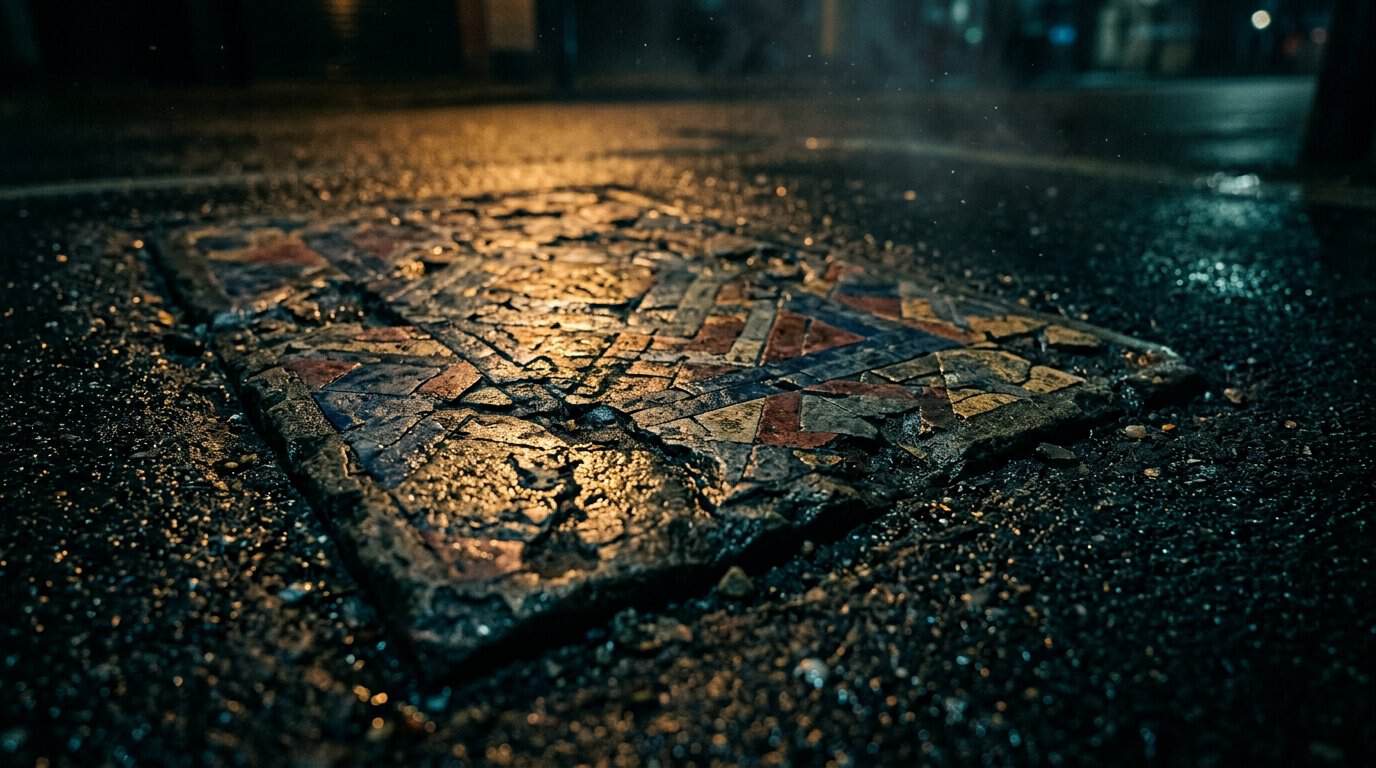
The Toynbee Tiles Mystery: Clues, Origins, And The Suspected Creator
For decades, the Toynbee Tiles mystery has unfolded beneath the tires of passing cars. These handmade messages, pressed into streets across Philadelphia and other cities, call for the dead to be resurrected on Jupiter, a strange idea tied to history, science fiction, and Stanley Kubrick’s 2001: A Space Odyssey. Their creator left no signature, only a trail of cryptic tiles and unanswered questions.
Investigators now believe a Philadelphia-based individual, possibly Severino “Sevy” Verna, made many of the original tiles. Yet no confession, forensic proof, or definitive identification has closed the case. Later artists also created their own versions. The evidence points toward a likely answer, but the mystery still leaves room for doubt.
Key Takeaways
- Toynbee Tiles are handmade street messages found across Philadelphia and other cities, typically reading “TOYNBEE IDEA / IN KUBRICK’S 2001 / RESURRECT DEAD / ON PLANET JUPITER.” Their wording combines references to historian Arnold J. Toynbee, Stanley Kubrick’s 2001: A Space Odyssey, and an unexplained idea about resurrection on Jupiter.
- Investigators believe a Philadelphia-based individual, most likely Severino “Sevy” Verna, created many or most of the original tiles. The evidence is persuasive but circumstantial, with no confession, forensic proof, or definitive identification.
- The message’s exact meaning remains unknown. It may reflect a sincere belief, science-fiction-inspired theory, personal symbolism, or an elaborate artistic statement rather than a literal resurrection plan.
- Later artists and copycats produced altered versions, making it difficult to distinguish the original campaign from subsequent additions. The Toynbee Tiles are therefore best understood as both an unsolved mystery and an evolving form of anonymous public art.
Introduction To The Toynbee Tiles Mystery
Across Philadelphia, Baltimore, New York, and other cities, small handmade plaques have appeared in the pavement like messages from an unknown correspondent. Known as the Toynbee Tiles, they usually carry a variation of the same unsettling text: “TOYNBEE IDEA / IN KUBRICK’S 2001 / RESURRECT DEAD / ON PLANET JUPITER.” Some are roughly the size of a license plate, while others stretch across several sections of road. Their worn surfaces, repeated wording, and careful placement make ordinary city streets feel like part of a much larger story.
The central mystery begins with the message itself. “Toynbee” most likely refers to historian Arnold J. Toynbee, while Stanley Kubrick’s film 2001: A Space Odyssey provides the connection to Jupiter, where the movie’s strange monolith leads to a dramatic transformation. Whether “resurrect dead” describes a literal plan, a private belief, or an elaborate artistic metaphor remains unknown. No verified creator has publicly explained the tiles, leaving each phrase open to interpretation.
Years of photographs, interviews, and pattern tracing have produced a strong theory that a Philadelphia-based individual, probably Severino “Sevy” Verna, made many or most of the original tiles. That theory fits several clues, but investigators still lack a confession, forensic proof, or definitive identification. Later artists may also have added copies of their own. The Toynbee Tiles mystery therefore remains partly solved: the materials and broad history are clear, yet the purpose and creator remain just beyond reach. As readers follow this trail through the related mystery of anonymous public art, which explanation best accounts for the message, the method, and its journey across city streets?
Messages Embedded In City Streets
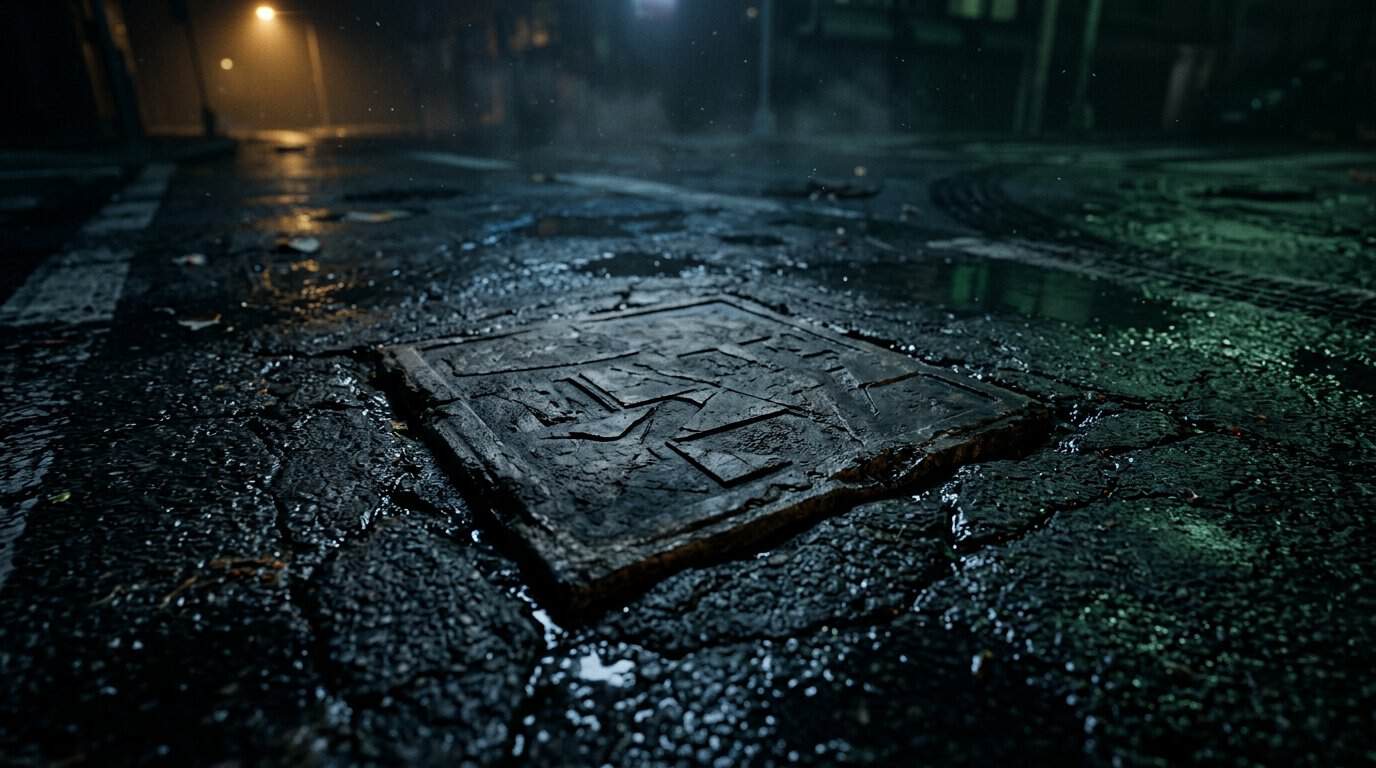
The Toynbee Tiles are small pieces of handmade street art pressed into the pavement, usually built from linoleum, asphalt compound, and other layered materials. Most are about the size of a license plate, although some are larger or made from several sections joined together. Their rough edges and fading surfaces make them look less like polished plaques and more like messages that have forced their way through the road. Their repeated presence across cities gives each tile the feeling of being part of a much larger design.
The best-known wording reads, “TOYNBEE IDEA / IN KUBRICK’S 2001 / RESURRECT DEAD / ON PLANET JUPITER,” but no two examples are always identical. Missing letters, unusual spelling, altered line breaks, and added phrases suggest that some tiles may have been made at different times. Others could be copies inspired by the originals. Tiles have appeared in Philadelphia, New York, Baltimore, and other cities, sometimes vanishing under road repairs or turning up in unexpected locations. Investigators have proposed a Philadelphia-based creator, possibly Severino “Sevy” Verna, but the mystery remains only partially solved because there has been no public confession or definitive forensic proof.
Photographs can preserve details that weather, traffic, and resurfacing eventually erase, while maps reveal how the messages spread through neighborhoods and across city lines. A city-by-city timeline can place early examples beside later variations, helping readers compare wording, construction, and possible copycats without treating every theory as fact. Together, these visual clues turn scattered pavement markings into a trail that can be followed from one street to the next. As new images and records emerge, which pattern seems most convincing: one hidden maker, several related artists, or an evolving piece of anonymous public art?
Toynbee Kubrick And Jupiter Clues
The “Toynbee idea” in the Toynbee Tiles mystery most likely points to historian Arnold J. Toynbee, whose work explored how civilizations respond to crisis and recover from collapse. The message then turns to Stanley Kubrick’s 2001: A Space Odyssey, a film shaped by Arthur C. Clarke’s ideas about human evolution, space, and Jupiter. In the movie, the Jupiter sequence ends with Bowman’s transformation into the mysterious Star Child, but it does not show dead people being literally revived on the planet. These documented links help explain the wording, while the exact meaning intended by the tile maker remains unknown.
The phrase “RESURRECT DEAD / ON PLANET JUPITER” is best understood as a blend of history, science fiction, and personal interpretation. Researchers have connected many original tiles to Philadelphia and have proposed Severino “Sevy” Verna as a likely creator, yet no confession or forensic proof has settled the question. Nothing publicly confirms that the maker believed the dead could truly be restored on Jupiter or that the message describes a private religious vision. Like other mysteries involving coded messages and unexplained symbols, the tiles invite readers to separate what can be traced to books and films from what may be hidden in the author’s imagination.
Even with the major references identified, the central mystery survives because the message sounds more like an instruction than a quotation. It could describe a grand theory of human renewal, a science-fiction image, or an inside joke meant for a very small audience. The repeated wording across streets gives the idea unusual weight, while later copies make it harder to know which tiles came from the original campaign. Does the message reveal a sincere belief, or was its power always meant to come from leaving the final answer out?
Philadelphia Evidence And Sevy Verna
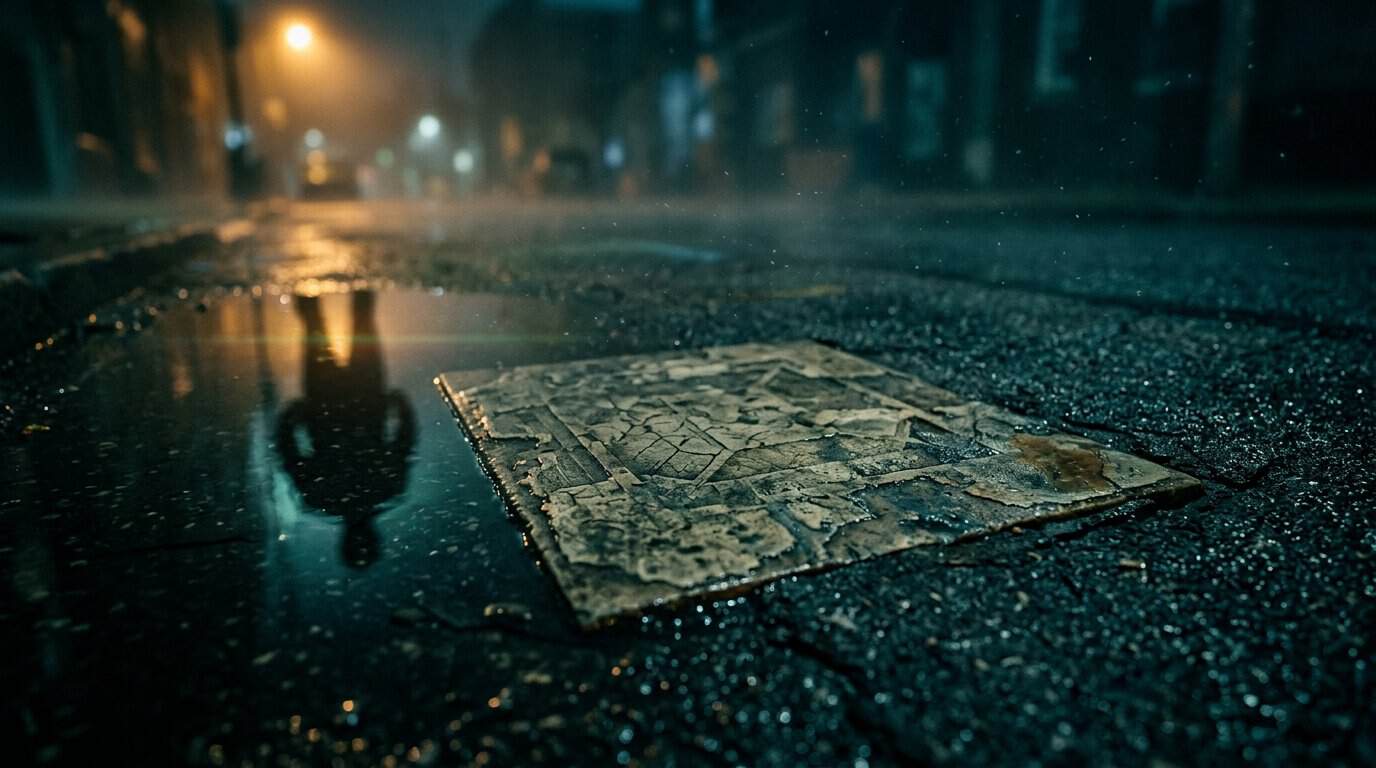
Philadelphia emerged as the strongest center of the Toynbee Tiles mystery because many early examples appeared there, and the city’s streets contain some of the clearest writing and construction patterns. Investigative work by filmmaker Jon Foy and researcher Justin Duerr connected the tiles’ repeated language, homemade materials, and unusual installation methods to a Philadelphia-based source. The wording also points to a private system of ideas that brings together historian Arnold Toynbee, Stanley Kubrick’s 2001: A Space Odyssey, and a plan to resurrect the dead on Jupiter. Together, these clues suggest more than random street art while still leaving room for unanswered questions.
The theory most often linked to Philadelphia centers on Severino “Sevy” Verna, a local man whose writing style, interests, and personal history appeared to match details found in the tiles. Interviews and investigative reporting, including the documentary Resurrect Dead: The Mystery of the Toynbee Tiles, helped draw attention to similarities in spelling, phrasing, and design. Researchers also compared the original tiles with related street art, including later reply pieces and copycat works that used similar materials or themes. These connections make Verna a compelling candidate for many of the original tiles, but they remain clues rather than a final identification.
The mystery becomes harder to untangle once later artists begin copying the format and adding their own messages. No public confession, forensic test, or definitive record has proved that Verna created every original tile, and some examples may have come from other people working in the same tradition. The most cautious conclusion is that a Philadelphia-based individual, probably Verna, may have made many or most of the earliest tiles, while others expanded the legend afterward. That uncertainty keeps the Toynbee Tiles connected to a wider question in anonymous public art: how much can a creator be understood through patterns, place, and repeated words alone?
Copycats And The Unfinished Investigation
Later artists and copycats turned the Toynbee Tiles into a moving target. After the earliest examples appeared in Philadelphia and other cities, new tiles repeated the familiar message about Toynbee, Kubrick’s 2001, and resurrection on Jupiter. Others added political statements, jokes, or personal references. Some were carefully made to resemble the originals, but differences in materials, lettering, size, and placement suggest that more than one person was involved. This expanding trail makes it difficult to decide which tiles belong to the first campaign and which were created later in response.
Investigators have connected many of the original tiles to a Philadelphia-based individual, probably Severino “Sevy” Verna, based on interviews, travel patterns, writing samples, and other circumstantial clues. Researchers and the documentary Resurrect Dead assembled a persuasive case, yet no public confession, forensic test, or definitive identification has closed the investigation. It remains possible that Verna made many or most of the early tiles, while other artists continued the project or created their own versions. The evidence points toward an origin, but it does not provide a final answer.
That uncertainty gives the Toynbee Tiles mystery its lasting power. Each surviving message is both a clue and a piece of urban memory, preserved in pavement even as streets are repaired, covered, or rebuilt. Like other anonymous public artworks, the tiles raise a simple but difficult question: why leave a message where millions might see it, yet refuse to claim credit? The unfinished investigation invites readers to weigh the evidence for themselves and consider whether the mystery matters more because of who made the tiles or because the city continues to carry their unanswered words.
Conclusion To The Toynbee Tiles Mystery
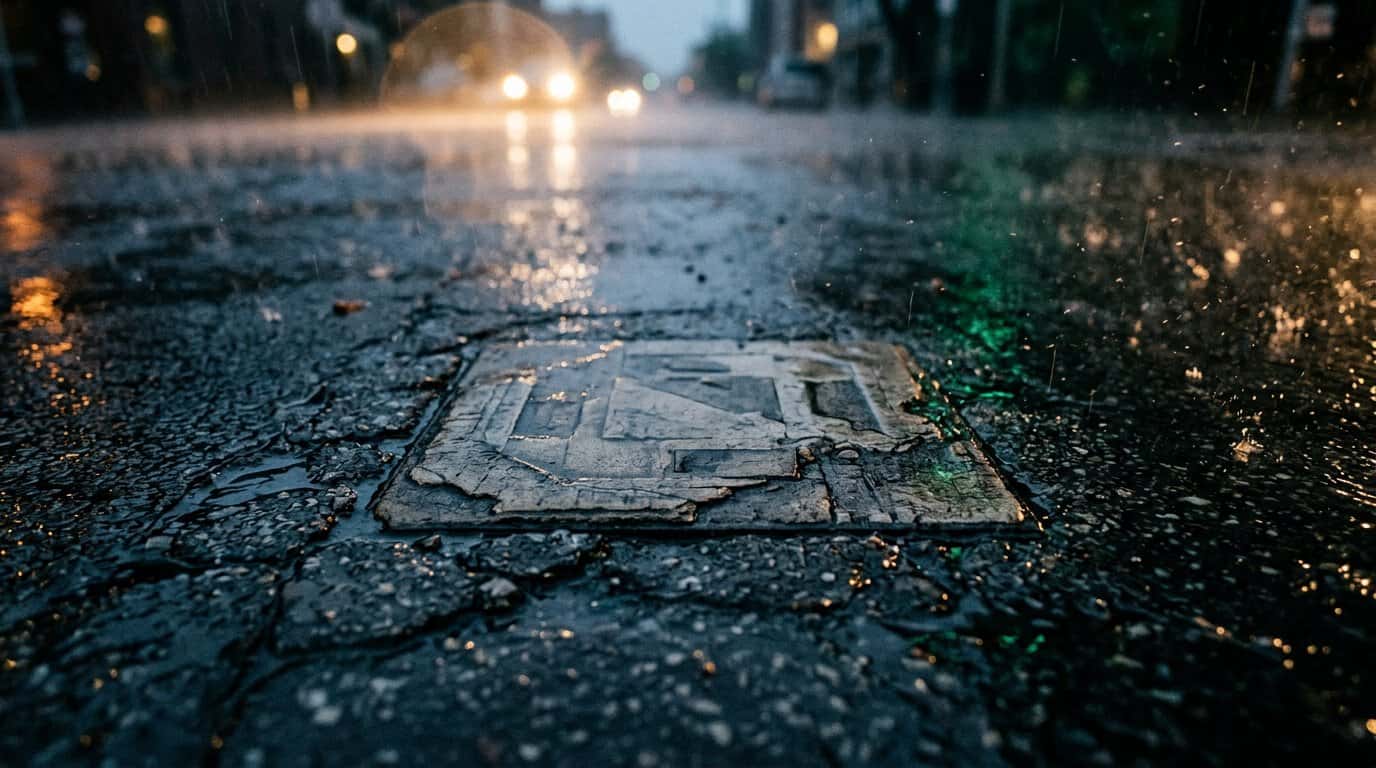
The Toynbee Tiles mystery remains only partly solved, even after decades of clues spread across Philadelphia and other cities. Most tiles carry a variation of “TOYNBEE IDEA / IN KUBRICK’S 2001 / RESURRECT DEAD / ON PLANET JUPITER,” linking the messages to historian Arnold Toynbee, Stanley Kubrick’s film 2001: A Space Odyssey, and the idea of restoring life beyond Earth. Their handmade materials, repeated wording, and careful placement make them more than random road markings, while their anonymous creator keeps the story open to interpretation. Investigators have developed a strong Philadelphia-based theory, pointing most often to Severino “Sevy” Verna as the person who made many or most of the original tiles. Still, no confession, forensic proof, or definitive identification has closed the case.
The mystery also changed as later artists and copycats added related tiles, altered the wording, or carried the style into new places. That makes the work difficult to separate into a single creator’s message and a wider form of anonymous public art, much like other urban mysteries that grow through repetition and imitation. The strongest evidence may support a Philadelphia origin, but it does not explain every tile or prove that one person shaped the entire movement. Readers can decide whether the Toynbee Tiles are best understood as an unsolved puzzle, a collaborative art movement, or a story that changed each time a new artist added to it.
Why the Toynbee Tiles Mystery Endures
The Toynbee Tiles mystery remains only partly solved, which keeps the story alive. These handmade pieces of linoleum and asphalt, pressed into streets across Philadelphia and other cities, repeat the strange message about the Toynbee idea, Kubrick’s 2001, and resurrecting the dead on Jupiter. Evidence points to a Philadelphia-based creator, probably Severino “Sevy” Verna, who may have made many of the original tiles, while later artists and copycats added their own versions. Still, no confession, forensic proof, or final identification has closed the case.
What began as an odd message underfoot has become a trail of clues about anonymous public art, private obsession, and the ways a city can carry a mystery through time. The tiles invite careful study, but they also leave room for questions about motive, belief, and how much an unknown artist can reveal without ever speaking. For now, the strongest explanation is grounded in real materials, documented locations, and years of investigation, even as parts of the story remain unexplained. Which theory about the Toynbee Tiles seems most convincing, and what clue would finally solve the mystery?
Frequently Asked Questions
1. What is the Toynbee Tiles mystery?
The Toynbee Tiles mystery concerns handmade messages embedded in roads across Philadelphia, Baltimore, New York, and other cities. Most carry a variation of the phrase “TOYNBEE IDEA, IN KUBRICK’S 2001, RESURRECT DEAD, ON PLANET JUPITER,” but no confirmed creator has ever explained the message.
2. What do the Toynbee Tiles say?
The best-known wording calls for the dead to be resurrected on Jupiter and connects that idea to Stanley Kubrick’s film 2001: A Space Odyssey. Some tiles include extra lines about media, politics, or the tile maker’s personal beliefs, while others contain altered messages from later artists.
3. What does “Toynbee” mean in the tile message?
“Toynbee” most likely refers to historian Arnold J. Toynbee, whose work explored the rise and decline of civilizations. The exact connection remains uncertain, but the name may point to ideas about human survival, renewal, or the future of society.
4. How is 2001: A Space Odyssey connected to the Toynbee Tiles?
In Kubrick’s 1968 film, a mysterious monolith appears near Jupiter and triggers a dramatic transformation involving human evolution. The tiles seem to borrow this imagery, although neither Kubrick nor the film’s known production records provides evidence that the movie inspired an official resurrection plan.
5. Who created the Toynbee Tiles?
Investigators have linked many of the original Philadelphia tiles to Severino “Sevy” Verna, a Philadelphia-based individual whose life and writing resemble clues found in the messages. The theory is supported by interviews, photographs, travel patterns, and investigative work, including the documentary Resurrect Dead: The Mystery of the Toynbee Tiles, but no confession or forensic proof has definitively confirmed his identity.
6. When and where did the Toynbee Tiles first appear?
The earliest widely documented examples appeared in Philadelphia during the 1980s, with similar tiles later found in Baltimore, New York, Washington, D.C., and other cities. Their spread suggests either a traveling maker, copied designs, or both. Later examples are not necessarily the work of the original creator.
7. How were the Toynbee Tiles placed in the streets?
Many tiles appear to have been made from linoleum, paper, asphalt, and other materials pressed into the road and sealed beneath layers of traffic and weathering. Investigators have proposed that some were installed using paper-covered designs placed on fresh pavement, but the exact process likely changed over time and has not been fully proven.
8. Are all Toynbee Tiles authentic?
No. Later artists and admirers created their own versions, repaired damaged examples, and added related messages to city streets. Researchers compare wording, materials, age, location, and construction style to separate likely original tiles from newer imitations, but some cases remain difficult to classify.