The Dark Reality Behind Genuine Changeling Stories
For centuries, families across Europe whispered of children who changed overnight, replaced by cold, silent imposters from another realm. These genuine changeling stories were once used to explain the unexplainable, blending the magic of the “Fair Folk” with the harsh realities of sudden illness and disability. While modern medicine offers new answers, the historical records of these encounters remain both chilling and profoundly human.
Behind the legends of stolen infants and fairy substitutes lies a trail of real-world evidence found in dusty court records and local archives. These accounts reveal a world where the line between folklore and tragedy blurred, leading communities to take desperate measures to bring their loved ones back. Exploring these cases uncovers a bridge between ancient myths and the evolution of how we understand the human mind and body.
Key Takeaways
- Changeling folklore historically served as a psychological framework to explain sudden medical transformations, such as pneumonia, autism, and physical disabilities like Pott’s disease.
- The 1895 case of Bridget Cleary illustrates the dangerous intersection of ancient superstition and reality, where traditional rituals intended to banish supernatural imposters resulted in real-world tragedy.
- Ancient rituals involving fire and iron were viewed by pre-modern communities as desperate spiritual necessities to reclaim loved ones rather than acts of malice.
- The persistent human fear of being replaced has evolved from Celtic fairy myths into modern paranormal reports and alien abduction narratives.
The Tragic Legend Of Bridget Cleary
The legend of Bridget Cleary remains one of the most chilling examples of how ancient folklore can collide with tragic reality. In 1895, in the quiet hills of County Tipperary, Ireland, Bridget fell ill with what modern doctors would likely identify as pneumonia or bronchial distress. However, her husband Michael and their community did not see a sick woman; they saw a cold, distant entity that had taken her place. This belief was rooted in the unsettling idea that the fae would kidnap humans and leave behind a sickly, irritable substitute known as a changeling. The local atmosphere grew heavy with suspicion as Bridget’s personality seemed to shift under the weight of her fever.
Driven by a desperate desire to bring the real Bridget back from the fairy forts, her family turned to extreme traditional rituals. They subjected the young woman to harrowing ordeals, including the use of fire, which was believed to force a changeling to reveal its true nature and flee. These actions were not performed out of simple malice but out of a genuine, terrifying conviction that they were dealing with a supernatural interloper. According to historical court records from the subsequent trial, the group believed that if they could drive the spirit away, the true Bridget would return to them riding a white horse. The case eventually became known as the last witch burning in Ireland, marking a dark transition between old-world superstition and the modern legal era.
While science offers medical explanations for Bridget’s physical decline, the psychological power of the changeling myth cannot be ignored. This story highlights a time when the unexplained behaviors of loved ones were viewed through a paranormal lens to make sense of sudden tragedy. It serves as a haunting reminder of how deeply the fear of the fae was woven into the fabric of rural life. When you look at the evidence, do you think these beliefs were merely a way to cope with illness, or is there something more to the persistent reports of people being replaced by something unknown? We would love to hear your thoughts on whether folklore like this carries a grain of hidden truth.
Medical Mysteries Of The Fairy Stooge
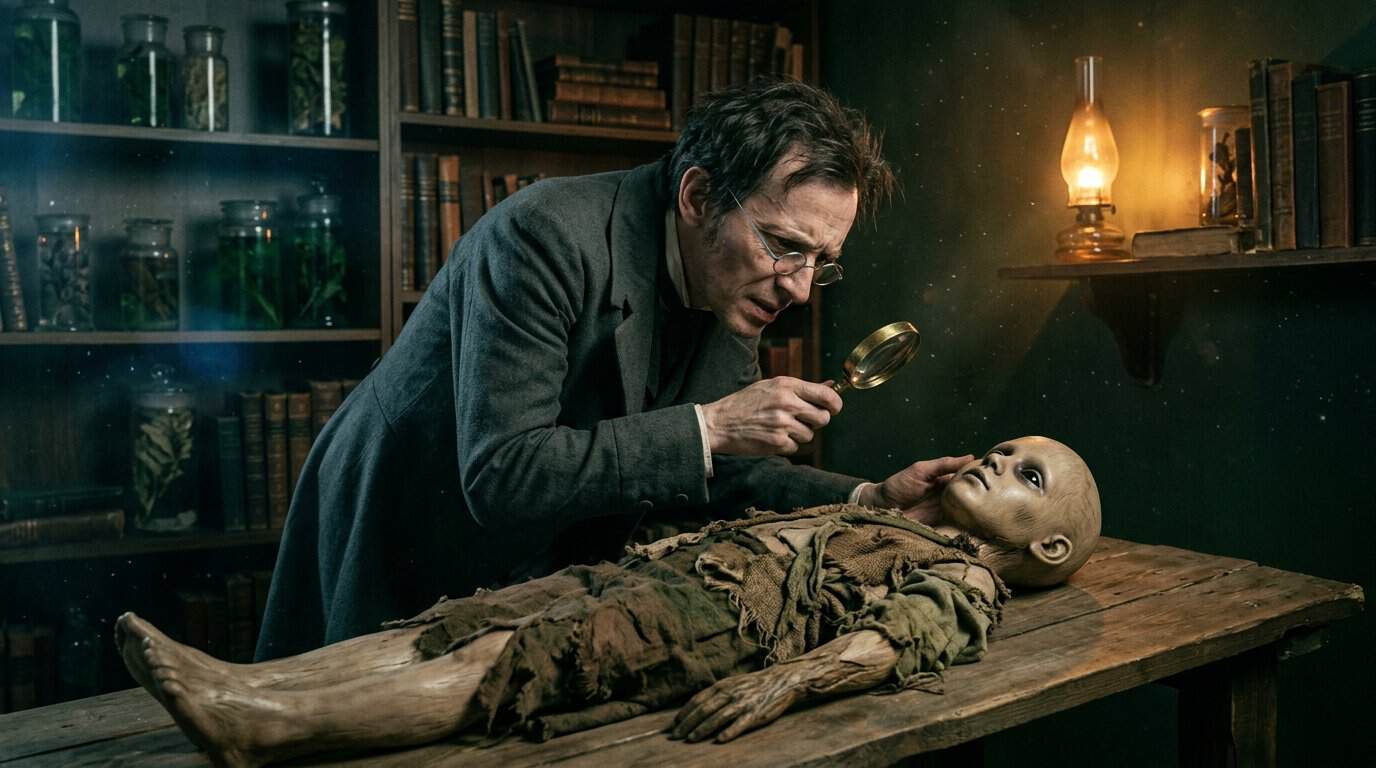
The folklore of the changeling often served as a tragic mask for medical conditions that pre-modern societies simply could not name. When a once healthy child suddenly became thin, pale, or developed a curved spine, families frequently pointed to the work of the Gentry rather than a physical ailment. We now know that many of these genuine changeling stories were actually documented cases of spinal tuberculosis or Pott’s disease, which could rapidly alter a child’s appearance and posture. These physical transformations were so jarring that they mirrored the myth of a vibrant child being swapped for a withered, supernatural stooge.
Beyond physical changes, the sudden shifts in personality or social engagement associated with autism provided another foundation for these unsettling legends. A child who previously met their parent’s gaze but suddenly became non-verbal or sensitive to touch seemed to have been replaced by a different soul entirely. Historical records and folk accounts often describe these children as having an otherworldly intelligence or a strange, distant temperament that did not fit the family dynamic. While science offers a biological framework for these behaviors today, the historical perspective suggests a world where the boundary between a medical mystery and a fae abduction was terrifyingly thin.
The most chilling aspect of these accounts is how the belief in a supernatural substitute often dictated the treatment of the victim. Famous cases like that of Bridget Cleary in the late nineteenth century show that even adults were not immune to being labeled as changelings during bouts of severe illness like pneumonia. These stories sit at a crossroads where the unexplained shadows of the paranormal meet the harsh realities of early medicine. It leaves one to wonder if the ancient stories were merely a way to cope with the unknown, or if there is still a lingering mystery behind why certain individuals seemed to vanish behind a veil of strange behavior. What do you think was the driving force behind these beliefs, and could there be more to the changeling phenomenon than just misunderstood medicine?
Ancient Rituals And Modern Paranormal Reports
Ancient folklore provided a chilling toolkit for families who suspected their child was actually a supernatural substitute. To identify a changeling, parents often turned to rituals that sound harrowing by modern standards, such as placing the child near a hot hearth or threatening them with iron. The belief was that the fae could not tolerate heat or contact with cold iron, forcing the imposter to reveal its true nature and return the human child. These practices were not viewed as cruelty at the time but as a desperate spiritual necessity to reclaim a lost loved one from the Hidden People.
While these historical rituals have faded, the core of the changeling myth has evolved into modern paranormal reports that still surface in online forums and local legends today. Contemporary accounts often describe children or partners who seem to undergo a sudden, inexplicable shift in personality or behavior that leaves their families feeling like they are living with a stranger. Some researchers suggest these stories are the ancestors of modern alien abduction narratives, where extraterrestrial entities replace humans for mysterious purposes. Much like the eerie mystery of the black eyed children, this transition from faerie mounds to otherworldly craft shows how deeply the fear of being replaced is rooted in the human psyche.
These genuine changeling stories remind us that the line between historical tragedy and the unexplained is often quite thin. By examining records from 19th-century Ireland and comparing them to today’s urban legends, we see a consistent pattern of people trying to explain the unexplainable through the lens of the supernatural. Whether it was a misunderstood medical condition in the past or a strange glitch in reality today, the unsettling feeling of a replacement continues to haunt our collective imagination. What do you think lies at the heart of these encounters, and have you ever heard a story that made you question if someone was truly who they claimed to be?
Tragedy and Truth in Celtic Lore
The genuine changeling stories of old remind us that the line between folklore and reality is often blurred by tragedy and the human need for answers. These accounts reveal a dark overlap where historical medical conditions, such as pneumonia or neurodivergence, were interpreted through the lens of unsettling Celtic legends. While we now have scientific names for these behaviors, the historical records of individuals like Bridget Cleary show how deeply the belief in fae abductions influenced the way families viewed their loved ones. It is a sobering look at how the unknown was managed before the advent of modern medicine, turning family homes into scenes of supernatural intervention.
Modern reports of strange child behavior continue to echo these ancient themes, suggesting that our fascination with the fae has not entirely vanished. Even today, some find that scientific explanations do not fully capture the eerie nature of sudden personality shifts or the feeling that a child has become a stranger. This enduring mystery keeps the legend of the changeling alive, bridging the gap between historical court records and the unsettling reports of the paranormal. Similarly, the enigma of the Green Children of Woolpit offers another fascinating example of how medieval communities struggled to explain the appearance of children who seemed to belong to another world entirely. Whether these stories are viewed as cautionary tales or evidence of something beyond our understanding, they challenge us to look closer at the mysteries of the human mind.
What do you think lies at the heart of these chilling changeling encounters? Is it possible that ancient folklore was simply a way to process the unexplained, or could there be a grain of truth to the idea of a world existing just out of sight? We invite you to share your thoughts on whether these legends are purely historical tragedies or if they point toward a lingering, unexplained phenomenon. Join the conversation below and let us know how you interpret the thin veil between our world and the realm of the fae.
Frequently Asked Questions
1. What exactly is a changeling in European folklore?
A changeling is a fairy substitute left in place of a human child or adult who has been spirited away to the hidden realms of the Fair Folk. These entities often appeared identical to the missing person but were described as being cold, sickly, or displaying a sudden and unsettling change in personality. Families believed that by identifying the imposter, they could perform rituals to force the fae to return their actual loved one.
2. Why did people in the past believe their loved ones were changelings?
In an era before modern medicine, families used these stories to explain sudden and dramatic changes caused by illnesses like pneumonia or conditions like autism and physical disabilities. When a healthy person suddenly became distant, irritable, or physically frail, the community turned to folklore to make sense of the tragedy. These legends provided a framework for understanding the unexplainable while offering a glimmer of hope that the real person could be recovered.
3. What happened in the famous case of Bridget Cleary?
Bridget Cleary was a young Irish woman in 1895 whose family became convinced she had been replaced by a fairy after she fell ill with a severe fever. Her husband and neighbors used traditional rituals involving fire to try and banish the supposed imposter and bring the real Bridget back from the fairy forts. This tragic event remains one of the most documented historical cases where ancient folklore led to real world consequences in a court of law.
4. Are there historical records that prove these stories happened?
Yes, many genuine changeling accounts are preserved in dusty court records and local archives across Europe, particularly in Ireland and Scandinavia. These documents detail legal testimonies from witnesses who truly believed they were dealing with supernatural entities rather than medical issues. These archives serve as a bridge between ancient myths and the evolution of how society understands the human mind and body today.
5. How did traditional communities try to get the original person back?
Communities relied on specific rituals intended to make the changeling so uncomfortable that it would flee back to the fairy realm. These methods often involved the use of fire, iron, or certain herbs that the Fair Folk were said to despise. While these actions were born out of a desperate desire to save a loved one, they often resulted in physical harm to the person suffering from a legitimate medical condition.
6. Is there any truth to the idea of the Fair Folk stealing humans?
While modern science points toward medical and psychological explanations, the sheer volume of consistent historical accounts leaves room for a sense of mystery. Some researchers explore the idea that these legends grew from real encounters with isolated groups or unexplained phenomena that occurred in the deep woods and hills. Much like the legends of the Southwest, the enduring nature of these stories suggests a deep, lingering connection between our world and the unexplained wonders of the fringe. This atmosphere of dread is similar to the terrifying Krampus origins found in other European traditions, where supernatural beings were used to enforce social order and explain the darker aspects of the human experience.