Max Headroom Broadcast Hijacking: The Unsolved Chicago TV Mystery
On November 22, 1987, the Max Headroom broadcast hijacking turned two Chicago television broadcasts into an unsettling mystery. First, a masked figure briefly interrupted WGN-TV’s evening news, then returned nearly two hours later during WTTW’s broadcast of Doctor Who. The intrusion lasted only moments, but its strange images and unexplained message have remained part of television history.
This was not an internet hack, but an unauthorized override of analog TV signals—an act that required planning, equipment, and access to the right transmission path. The person behind the mask has never been publicly identified, arrested, or charged. Decades later, the incident still invites careful questions: was it an elaborate prank, a technical stunt, or something more deliberate?
Key Takeaways
- On November 22, 1987, an unidentified person interrupted two Chicago broadcasts: WGN-TV for roughly 25–30 seconds and WTTW’s Doctor Who for about 90 seconds later that night.
- The incident was an analog television signal takeover, not an internet or computer hack; it likely required specialized equipment, technical knowledge, and access to the broadcast transmission path.
- The masked performer’s distorted voice, theatrical behavior, and strange visual details—including a possible second participant—suggested a planned stunt or performance, but no motive has been confirmed.
- Despite surviving footage, station records, and an investigation, no perpetrator has ever been publicly identified, arrested, or charged; theories about hidden messages and motives remain speculation.
The WGN Signal Interruption
At approximately 9:14 p.m. on November 22, 1987, WGN-TV’s sports news segment suddenly gave way to an unauthorized image. A person wearing a homemade Max Headroom-style mask appeared on screen, replacing the station’s regular broadcast with a strange, distorted visual. The interruption lasted only about 25 to 30 seconds, but its abrupt arrival made the moment especially unsettling for viewers. Because the incident involved an analog television signal, it was not a computer or internet hack in the modern sense. WGN technicians quickly restored the station’s normal programming, leaving viewers with little explanation for what they had just seen.
The brief WGN intrusion became the first confirmed event in a larger Chicago television mystery that night. Its timing, unusual appearance, and lack of an obvious message suggested a deliberate act, yet the broadcast offered few reliable clues about who was responsible or how the signal had been overridden. Roughly two hours later, a second and longer interruption would affect WTTW during a broadcast of Doctor Who, making the earlier incident seem less like an isolated prank. No person has ever been publicly identified, arrested, or charged for either intrusion. Even so, the surviving recordings and station accounts provide a clear starting point for examining one of television’s most enduring unexplained interruptions.
The WTTW Doctor Who Hijacking
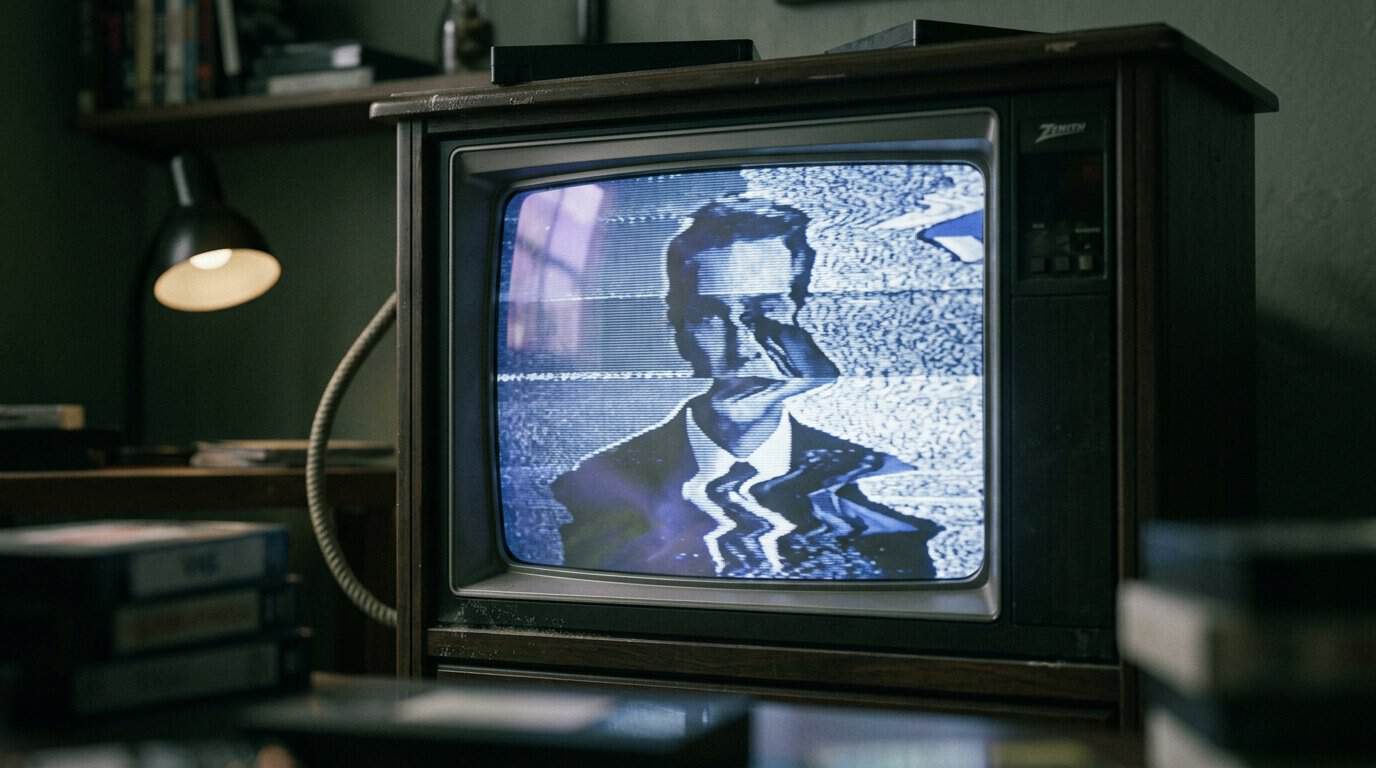
Around 11:10 p.m. on November 22, 1987, the intruder returned during WTTW’s broadcast of Doctor Who. This second interruption lasted about 90 seconds, far longer than the earlier WGN incident, and replaced the program with a figure wearing a homemade Max Headroom-style mask, dark glasses, and a black outfit with a loosely arranged tie or suspenders. The figure swayed and made sharp, theatrical gestures while a heavily distorted voice delivered fragments that included “I am a better son than you are” and “Your love is fading.” The recorded footage also shows a Pepsi can and a shift to a more chaotic scene, details that became central to later attempts to identify the people involved.
Near the end, another person appears to be present, helping create the unsettling impression of a staged performance rather than a simple technical test. The video shows a second figure, or at least another person’s hands, interacting with the masked performer before the transmission suddenly returns to Doctor Who. Those images are part of the surviving broadcast evidence, while claims about hidden messages, personal motives, or the identities of the participants remain speculation. WTTW and investigators never publicly connected the broadcast to a confirmed suspect, and the analog signal intrusion remains unsolved, much like other unexplained media mysteries documented on this site.
How Analog Television Signals Were Overridden
Analog television depended on signals traveling from a station’s equipment to a transmitter and then to viewers’ antennas. If an unauthorized transmitter sent a stronger signal on the same channel, it could overpower the legitimate picture and replace it with a new one. That kind of interference did not require internet access or a computer network, only a way to reach the broadcast path with enough power and accuracy. In the Max Headroom incident, the sudden appearance of a masked figure suggested that someone had found a way to interrupt the normal signal rather than break into the station’s programming system.
The first interruption occurred on WGN-TV at about 9:14 p.m. on November 22, 1987, during the station’s evening news, and lasted roughly 25 to 30 seconds. Engineers restored the broadcast quickly, but the event showed that the intruder could briefly overpower the station’s transmission. About two hours later, the same style of video appeared on WTTW during a broadcast of Doctor Who. That takeover lasted about 90 seconds, giving the unidentified person more time to deliver the strange performance before the regular program returned.
The longer WTTW interruption may indicate that the intruder had better access, stronger equipment, or more time to hold the replacement signal, but no explanation has been proven. Public accounts have suggested possibilities involving a transmitter, a studio-to-transmitter link, or another part of the analog broadcast chain. However, the exact equipment, location, and method were never publicly confirmed, and no suspect was identified or charged. That uncertainty keeps the case compelling, while the known timeline shows a deliberate signal intrusion rather than a modern computer hack.
Evidence Behind The Unsolved Mystery
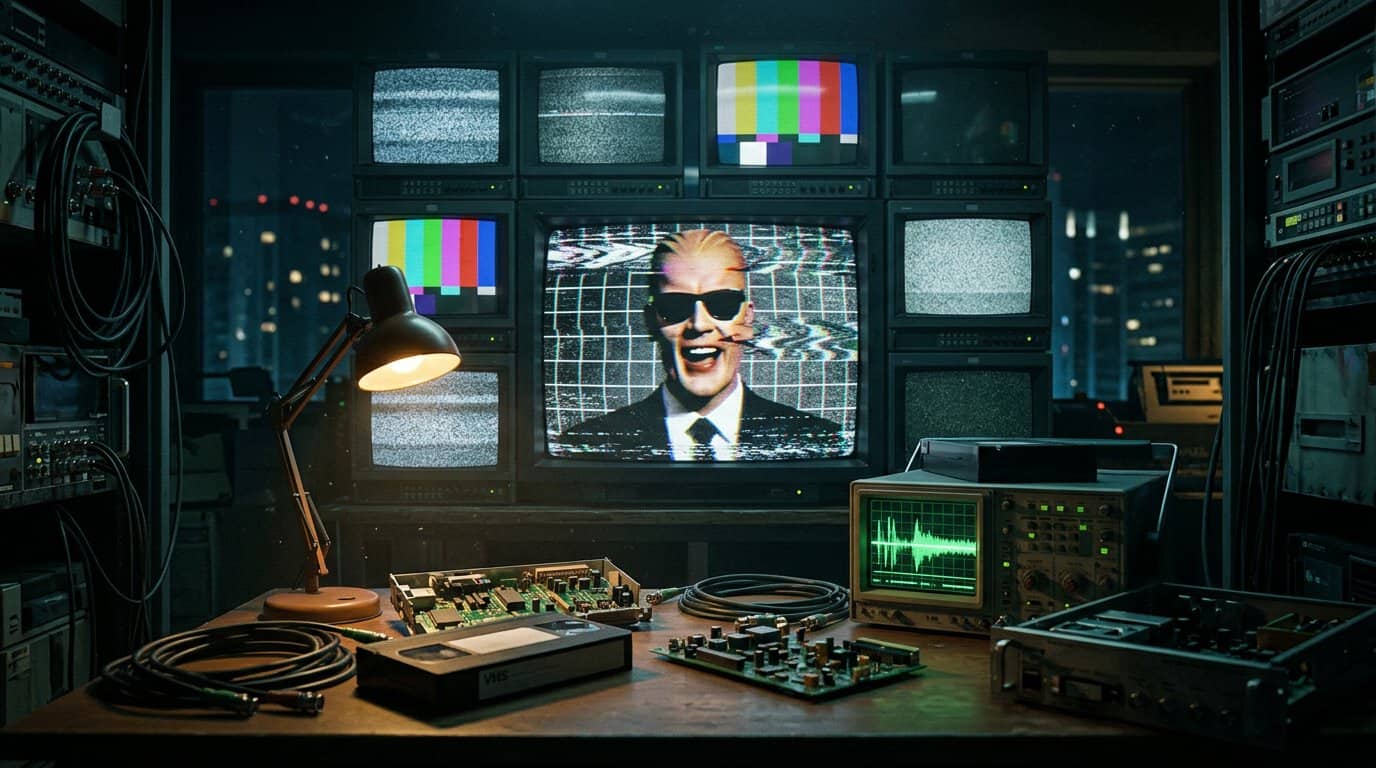
The strongest evidence behind the Max Headroom mystery is the surviving broadcast footage and the records kept by the affected Chicago stations. On November 22, 1987, an unknown person briefly interrupted WGN-TV at about 9:14 p.m., then appeared again on WTTW around 11:10 p.m. during Doctor Who. Contemporary station accounts described an unauthorized signal intrusion, not a modern computer or internet hack, and the recordings preserve the masked figure’s strange performance. The footage is compelling because it can be examined directly, while its meaning remains open to careful interpretation.

Station staff and contemporary reporting help establish what happened, even if they do not reveal who was responsible. WGN-TV technicians reportedly restored the regular signal within roughly 25 to 30 seconds, while WTTW viewers saw a longer interruption that included distorted audio, costume changes, and bizarre references. The surviving recordings show the same general visual identity, but no confirmed evidence connects the incident to a named person or organization. Readers comparing the timeline with the available footage should distinguish what appears on screen from later theories about motive, preparation, or hidden messages.


No suspect has been publicly identified, arrested, or charged, and no credible announcement has confirmed a solution as of September 5, 2026. That absence keeps the case alive, but it also makes rumor control essential, especially when online discussions present guesses as established facts. The incident belongs beside other [unsolved media mysteries](/unsolved-media-mysteries), where strange images can inspire serious questions without proving every proposed explanation. Which details in the recordings seem most meaningful to readers, and which theories should remain clearly labeled as speculation?
Conclusion
The Max Headroom broadcast hijacking remains a strange chapter in television history because it happened twice on November 22, 1987, in Chicago. The first intrusion interrupted WGN-TV’s sports report for roughly 25 to 30 seconds, while the second appeared about two hours later during WTTW’s broadcast of Doctor Who and lasted longer. Both interruptions used an unusual homemade mask, dark glasses, a distorted voice, and a chaotic visual setting that felt more like performance art than a conventional prank. Together, the incidents showed that someone understood enough about local television signals to reach two different stations, yet left behind no clear identity.
Decades later, the perpetrator has never been publicly identified, arrested, or charged, and the case remains unresolved. The surviving footage offers clues, but it does not explain who created the disguise, how the signal was overridden, or why those particular broadcasts were chosen. The incident is best understood as an unauthorized analog television intrusion, not a modern computer or internet hack, which makes its technical and cultural setting especially important. Which clues seem most meaningful to readers, the timing, the visual style, the choice of stations, or the apparent local knowledge? The Max Headroom broadcast hijacking continues to invite debate precisely because its strongest evidence is real, while its central mystery remains unsolved.
Frequently Asked Questions
1. What was the Max Headroom broadcast hijacking?
The Max Headroom broadcast hijacking was an unauthorized interruption of two Chicago television broadcasts on November 22, 1987. A masked person briefly replaced WGN-TV’s sports news and later disrupted WTTW’s broadcast of Doctor Who with distorted images, strange audio, and crude humor.
2. When did the two interruptions happen?
The first interruption occurred at about 9:14 p.m. during WGN-TV’s evening sports report and lasted roughly 25 to 30 seconds. Nearly two hours later, a longer intrusion interrupted WTTW during Doctor Who, turning a brief disruption into a much deeper mystery.
3. Was the Max Headroom incident an internet hack?
No. The incident happened in the analog television era, long before internet hacking became common. The intruder appears to have overwhelmed a television signal or transmission link with a stronger unauthorized signal, which required specialized equipment, careful timing, and technical knowledge.
4. How did someone take over the television signal?
The most widely accepted explanation is that the intruder transmitted a stronger signal on the same path used by the station’s broadcast feed. That signal temporarily overpowered the legitimate program, much like a loud voice drowning out a quieter one, although the exact equipment and location have never been publicly confirmed.
5. Who was behind the Max Headroom broadcast hijacking?
The person or group responsible has never been publicly identified, arrested, or charged. The Federal Communications Commission investigated the incident, but the short duration, limited evidence, and difficulty of tracing an analog signal prevented investigators from naming a suspect.
6. Why did the hijacker wear a Max Headroom mask?
The mask appeared to imitate Max Headroom, a popular fictional television personality known for his exaggerated movements and electronic style. Its use may have been a joke, a comment on television culture, or a way to hide the person’s identity, but no confirmed motive has emerged.
7. What happened during the WTTW interruption?
During the WTTW broadcast, the masked figure appeared for about 90 seconds and delivered a confusing mixture of phrases, sound effects, and visual gags. Unlike the short WGN interruption, this second broadcast included more deliberate performance, suggesting that the event had been planned rather than caused by a simple technical mistake.
8. Was the Max Headroom hijacking a prank, a protest, or something more serious?
No explanation has been proven. The careful timing and technical skill point to a planned act, while the mask, absurd dialogue, and crude humor suggest a prank or experimental performance. It may also have been a form of media criticism, but the available evidence does not establish a political or criminal motive.