Chasing The Billabong Beast: Australia’s Most Elusive Bunyip Sightings
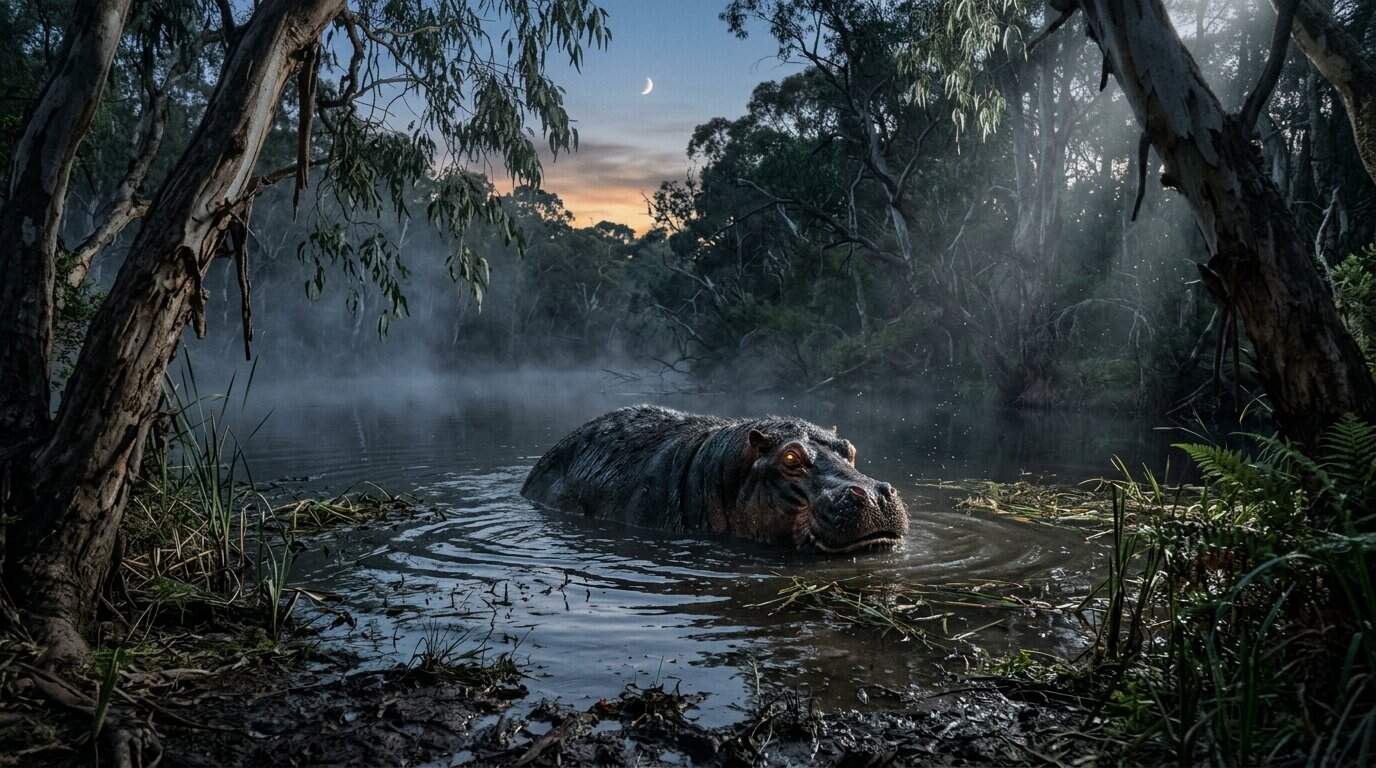
Deep in the tangled reeds of the Murray River, a legend is shifting from ancient shadows into the modern light. For generations, stories of elusive bunyip sightings have haunted the Australian bush, painting a picture of a fearsome creature lurking beneath the dark surface of remote billabongs. While once dismissed as mere folklore, a recent string of unusual discoveries has forced researchers to look closer at the water’s edge.
In early 2026, the quiet town of Mildura became the center of a new mystery when local fishermen stumbled upon physical evidence that defied easy explanation. A massive, four-toed footprint pressed into the riverbank has reignited a nationwide debate about what might truly be living in Australia’s most remote ecosystems. This discovery marks a fascinating turn in the search for the Bunyip, moving the conversation from campfire myths toward a serious look at an unexplained biological wonder.
Key Takeaways
- The discovery of large, four-toed footprints near Mildura in 2026 has transitioned the Bunyip from an ancient myth into a subject of modern biological investigation.
- Aboriginal Dreamtime legends establish the Bunyip as a spiritual guardian of Australia’s waterways, serving as a cultural deterrent against environmental disrespect.
- Historical colonial records and 19th-century scientific confusion, including the display of unidentified skulls, suggest a long-standing pattern of sightings that defy standard zoological classification.
- Modern digital platforms and high-resolution technology now allow researchers to rapidly document and analyze physical evidence, bridging the gap between oral tradition and scientific study.
Ancient Origins And Aboriginal Dreamtime Legends
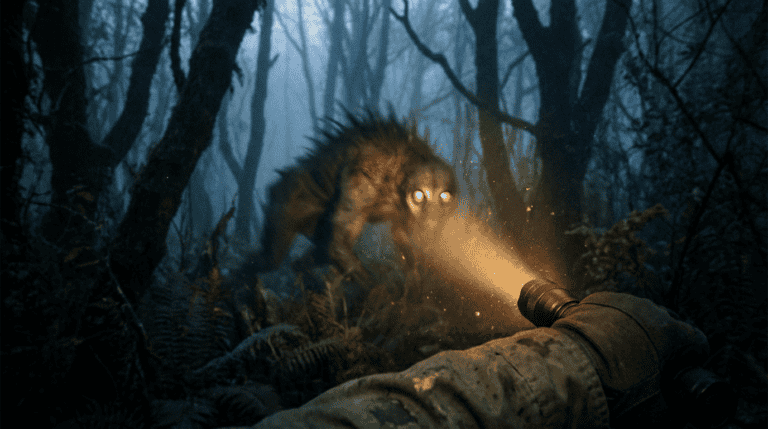
Long before European settlers reached the rugged shores of Australia, the Aboriginal people shared stories of the Bunyip as a powerful guardian of the waterways. These ancient legends describe a creature that inhabits swamps, billabongs, and riverbeds, acting as a spiritual protector of the natural world. Many Dreamtime stories portray the Bunyip as a punisher of those who take more than they need or disrespect the sanctity of the water. Because these accounts vary between different tribal groups, the creature is often depicted with a mix of animal traits, ranging from a dog-like face to a sleek, seal-like body. These oral traditions provided a cultural framework that respected the dangers of the deep while acknowledging a hidden life force beneath the surface.
When colonial explorers first encountered these stories in the nineteenth century, they often struggled to categorize the Bunyip within their own scientific understanding. While some early settlers dismissed the legends as mere folklore, others were genuinely unsettled by the strange cries echoing from the marshes at night. Historical colonial records from this era show that many newcomers took the threat seriously, often arming themselves before venturing into unknown wetlands. This intersection of indigenous spirituality and colonial curiosity created a unique historical record where the line between myth and biology began to blur. Even today, the deep roots of these Dreamtime stories suggest that the Bunyip is far more than a simple monster, representing a complex link to Australia’s prehistoric past.
The enduring legacy of the Bunyip continues to spark debate among modern researchers who look for physical evidence of its existence. Some historians suggest that the legends may have been inspired by memories of the Diprotodon, a giant marsupial that lived alongside early humans before going extinct. By viewing the Bunyip through the lens of both ancient wisdom and potential zoological reality, we can appreciate it as a symbol of the country’s untamed wilderness. Whether it is a spiritual entity or a reclusive animal, the creature remains a central figure in the mystery of the Australian bush. Do you believe these ancient stories describe a real animal that has managed to stay hidden, or are they purely symbolic guardians of the land?
Colonial Encounters And Early Scientific Confusion
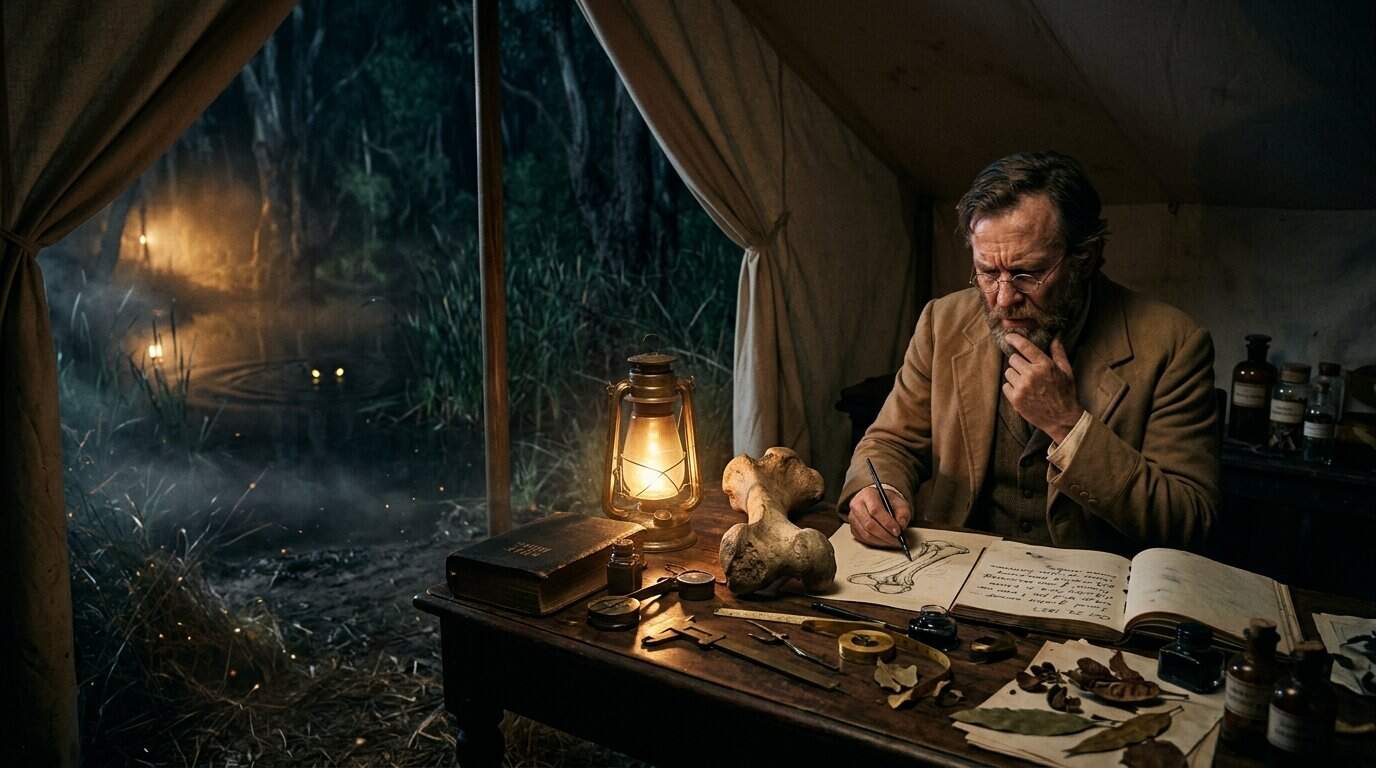
When European settlers first pushed into the remote wetlands of New South Wales and Victoria during the 1800s, they were met with a landscape that felt entirely alien. As they set up camps near deep billabongs and murky swamps, they frequently reported hearing bone chilling bellows and thunderous splashes echoing through the night. These pioneers, unfamiliar with the local wildlife, often described encounters with a creature that defied the known laws of biology. Many early journals mention a beast with a dog like face, dark fur, and a terrifying voice that seemed to haunt the water’s edge. These accounts quickly spread through colonial outposts, sparking a mixture of genuine fear and scientific curiosity.
The confusion among the colonial scientific community reached a peak in the mid 1840s when strange bones and fossils began to emerge from the Australian bush. In 1846, a peculiar skull was discovered on the banks of the Murrumbidgee River, leading many to believe that physical proof of the legendary Bunyip had finally been found. This specimen was even displayed at the Australian Museum in Sydney, where it drew massive crowds of spectators and researchers alike. While some experts eventually suggested the skull might belong to a deformed calf or a foal, the public remained unconvinced. The sheer variety of descriptions provided by settlers made it nearly impossible for traditional zoologists to categorize the animal within existing European frameworks.
Despite the skepticism of some officials, the sheer volume of reports from credible witnesses kept the mystery alive for decades. Settlers often compared the creature to a giant seal or a long necked otter, yet no known species perfectly matched the descriptions coming from the interior. These early encounters highlight a fascinating period where European observation collided with ancient indigenous knowledge, creating a unique historical puzzle. Even today, historians look back at these nineteenth century records as a testament to the enduring presence of something unexplained lurking in the marshes. Much like the question of are chupacabra sightings real in the Americas, what do you think these early explorers were actually seeing in the dark waters of the outback?
Modern Tracks Near The Murray River
The muddy banks of the Murray River near Mildura recently became the center of a cryptozoological puzzle following a discovery in March 2026. Two local fishermen stumbled upon a series of mysterious tracks pressed deep into the silt of a remote ecosystem. These footprints were notably large and flat, lacking a visible arch, which distinguishes them from typical human or known animal tracks. Most intriguing was the presence of a four-toed footprint without any accompanying claw marks. While some observers initially pointed toward a Yowie, many local residents and historians believe these marks align more closely with the mysterious swamp dweller that has haunted Australian waterways for centuries.
This modern encounter highlights a fascinating shift in how these ancient legends are documented and shared with the world. In the past, Bunyip stories were passed down through oral traditions or recorded in dusty colonial journals, but today, digital platforms allow for instant analysis. Witnesses now use high resolution smartphone cameras and social media to crowdsource opinions from experts and enthusiasts alike. This rapid sharing of information helps to bridge the gap between indigenous mythology and physical evidence. By documenting these four toed prints in real time, the community is building a digital archive that keeps the mystery of the Murray River alive for a new generation.
The 2026 Mildura find serves as a reminder that the Australian bush still holds secrets that defy easy classification. Even as skeptics look for logical explanations, the consistency of these reports suggests that something unusual is moving through the river systems. The transition from a feared monster of Aboriginal legend to a subject of modern study shows our enduring curiosity about the natural world. Much like the mystery of the lake systems in other parts of the world, whether these tracks belong to a known species with a rare deformity or a creature yet to be officially recognized, they certainly challenge our understanding of local wildlife. Have you ever encountered a strange track or sound near the water that you couldn’t explain?
The Lingering Shadow of Australia’s Deep Waters
The Bunyip remains one of Australia’s most enduring mysteries, bridging the gap between ancient Indigenous wisdom and modern cryptozoological curiosity. From the deep cultural roots of Aboriginal legends to the baffling physical evidence recently discovered near the Murray River, this creature refuses to be forgotten. Its story is a powerful reminder of the vast and untamed nature of the Australian bush, where many pockets of wilderness remain largely unexplored by modern science. Whether it is a relic of a prehistoric past or a biological anomaly yet to be classified, the Bunyip serves as a symbol of the continent’s hidden secrets.
Exploring these murky waters requires a balance of open minded skepticism and a willingness to believe in the unknown. While critics often dismiss these sightings as misidentifications of known animals, the enduring evidence debate surrounding such creatures suggests something more complex is at play. Much like the physical evidence found in other global wetlands, the Australian landscape has a way of preserving its mysteries, inviting each new generation to look closer at the shadows along the riverbank. Every ripple in a quiet billabong or strange track in the mud adds a new chapter to a narrative that has fascinated people for centuries.
The search for the truth continues through the eyes of those who live and work in the heart of the wilderness. If you have ever encountered something unexplainable while camping near the water or noticed tracks that did not belong to any known animal, your story is a vital piece of this puzzle. We invite you to share your own experiences and observations in the comments below to help shed light on what might be lurking beneath the surface. By comparing notes and staying curious, we can keep the spirit of discovery alive and perhaps one day solve the beachfront enigma or the riddle of the elusive Bunyip.
Frequently Asked Questions
1. What exactly is a Bunyip according to traditional legends?
The Bunyip is a legendary creature from Aboriginal Dreamtime stories that acts as a guardian of Australia’s waterways. It is often described as a protector of swamps and billabongs, appearing with various features like a dog-like face or a sleek, seal-like body. These stories served as a cultural reminder to respect the natural world and the hidden life forces within the deep water.
2. What recent evidence has been found to support these sightings?
In early 2026, fishermen near the town of Mildura discovered a massive, four-toed footprint pressed into the mud of the Murray River bank. This physical evidence has shifted the conversation from folklore to a serious investigation into unexplained biological wonders. Researchers are now looking closer at these remote riverbanks to understand what could have left such a distinct mark.
3. Where are the most common places to spot a Bunyip?
Sightings are most frequent in the tangled reeds of the Murray River and remote billabongs across the Australian bush. These elusive creatures are said to prefer dark, quiet water sources and hidden ecosystems where they can remain undisturbed. The thick vegetation and deep riverbeds provide the perfect cover for something trying to stay out of sight.
4. How did early European settlers react to the Bunyip stories?
During the nineteenth century, colonial explorers struggled to categorize the Bunyip within their existing scientific knowledge. While some dismissed the stories as myth, others were genuinely curious about the possibility of a new, undiscovered species. This tension between campfire stories and scientific curiosity has existed for nearly two centuries.
5. Is there a scientific explanation for these sightings?
Modern researchers are exploring the possibility that the Bunyip could be an unexplained biological entity living in Australia’s most remote environments. While some suggest the sightings might be misidentified known animals, the discovery of unique physical evidence like the Mildura footprint keeps the mystery alive. Scientists remain open to the idea that some corners of the bush still hold secrets yet to be classified. This ongoing investigation mirrors many scientific puzzles found in other parts of the world where legendary creatures are concerned.
6. Why is the Bunyip considered a protector of the water?
In many indigenous traditions, the Bunyip is a spiritual figure that punishes those who take more than they need from the environment. By acting as a guardian of the billabongs, it ensures that the sanctity of the water is respected by all who visit. This role highlights the deep connection between the creature and the preservation of Australia’s natural resources. Much like mysterious river legends found in other parts of the world, these stories reflect our fascination with the creatures that might dwell just beneath the surface.
Beyond the water’s edge, travelers often report Australia’s Min Min lights, another phenomenon that continues to baffle those exploring the vast and lonely stretches of the outback. Historical accounts of unidentified skulls and strange bones found in the 1800s further cement the creature’s place in the nation’s complex natural history.