The Ryan Monster Sightings Of Illinois
In late 2024, a new kind of phenomenon took over the internet, sparking a wave of what many are calling ryan monster sightings. Rather than blurry photos of forest creatures, these sightings involve the haunting digital resurrection of Lyle and Erik Menendez through a popular Netflix anthology. The series has reignited a global conversation about the 1989 case, blending true crime facts with a cinematic style that makes the past feel startlingly present.
As viewers tune in, they are finding themselves caught between the brutal reality of the crime and the controversial creative choices on screen. The show does not just revisit the murders; it explores the dark corners of the Menendez family dynamic, including shocking depictions that have left audiences questioning where history ends and fiction begins. This cultural moment has turned a decades-old tragedy into a modern mystery that demands a closer look at the truth behind the hype.
Key Takeaways
- The 2024 Netflix anthology series about the Menendez brothers has sparked a digital ‘Ryan monster’ phenomenon, blending true crime facts with cinematic dramatization to reignite global interest in the 1989 case.
- The Ryan Woods region of Illinois maintains a distinct, decades-old legend of a tall, lean, amber-eyed entity that differs significantly from traditional Bigfoot or werewolf tropes.
- Modern media’s portrayal of human darkness in the Menendez series has created a cultural intersection with historical folklore, leading a new generation to re-examine documented sightings in the Illinois undergrowth.
- The enduring mystery of the Ryan Monster persists through consistent witness testimony and physical anomalies that suggest the natural world still harbors secrets beyond conventional scientific explanation.
When “Ryan” Meets “Monster”
The phrase “ryan monster sightings” can point readers toward two very different subjects. One is the Ryan Woods creature legend described in local accounts. The other is the Netflix series Monsters: The Lyle and Erik Menendez Story, part of a crime anthology created by Ryan Murphy. The similar wording makes it easy for a search about the series to blend with searches about a cryptid, even though a television drama is not evidence of an animal or unexplained figure in the woods.
Netflix presented the Menendez story as a dramatization of a real case, not as a report about a creature. Its release in 2024 brought renewed attention to the brothers, the family, and the legal proceedings. That attention can explain why “Ryan” and “monster” began appearing together online without proving that the series and the Illinois legend share a factual origin. Keeping the two threads separate helps readers weigh what belongs to documented history, what comes from folklore, and what may simply be the result of a memorable search phrase.
The History Of Ryan Woods Encounters
The Ryan Woods region of Illinois has long been whispered about in local circles as a place where the shadows seem a bit longer and the secrets run deep. For decades, residents have shared stories of strange occurrences that defy easy explanation, creating a rich tapestry of folklore that predates modern media. These early accounts often centered on fleeting glimpses of something unusual moving through the dense undergrowth, sparking a localized curiosity that has persisted through generations. By focusing on these historical roots, we can see how the community began to build a narrative around the unexplained mysteries hidden within their own backyard.
As the years progressed, the nature of these sightings evolved from quiet local rumors into a more public discourse that captured the attention of investigators and enthusiasts alike. Documentation from the late twentieth century reveals a series of documented sightings where individuals claimed to have witnessed phenomena that challenged their understanding of the natural world. These accounts were often dismissed by skeptics, yet the consistency of the descriptions from different witnesses suggests there may be a grain of truth buried in the woods. This era marked a turning point where the Ryan Woods encounters moved from simple campfire stories to a documented timeline of regional intrigue.
The most recent surge in interest surrounding these sightings has been fueled by a modern lens, as filmmakers and storytellers have brought similar themes of monsters and hidden darkness into the mainstream. While recent projects focus on the chilling reality of human actions, they mirror the same public fascination with uncovering the truth behind closed doors that has always defined the Ryan Woods legend. This cultural intersection has prompted a new generation to look back at the historical reports with fresh eyes and a sense of open-minded skepticism. Whether these sightings are purely psychological or rooted in something more tangible, the history of the region remains a compelling puzzle that continues to invite exploration.
Stories also change as they pass from one generation to the next. A witness may describe a shape seen between trees, while a later retelling gives it amber eyes, unusual speed, or a specific pattern of movement. Those details can make a legend easier to recognize, but they can also become part of the story after it has already taken hold. Comparing the earliest accounts with later versions is one way to see how a local mystery grows without assuming that every detail has the same source.
Anatomy Of The Ryan Monster Legend
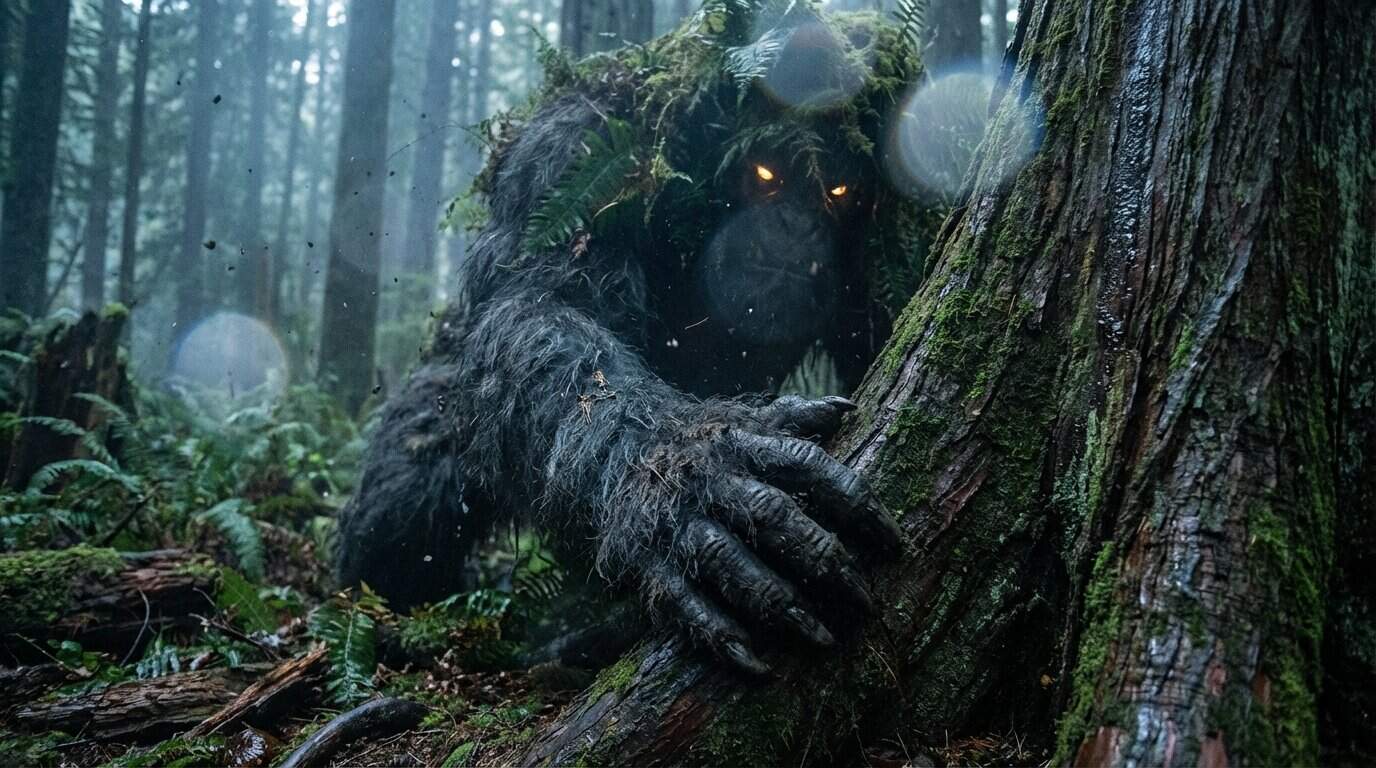
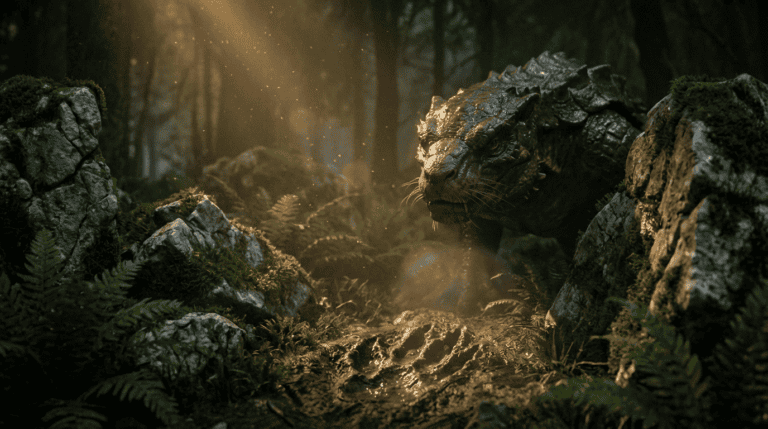
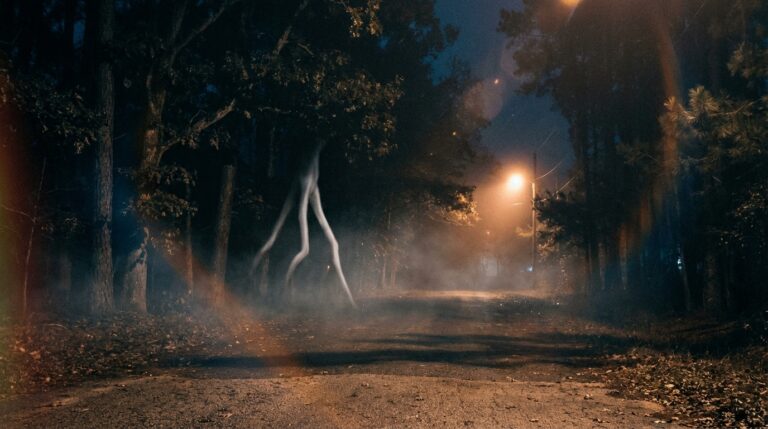
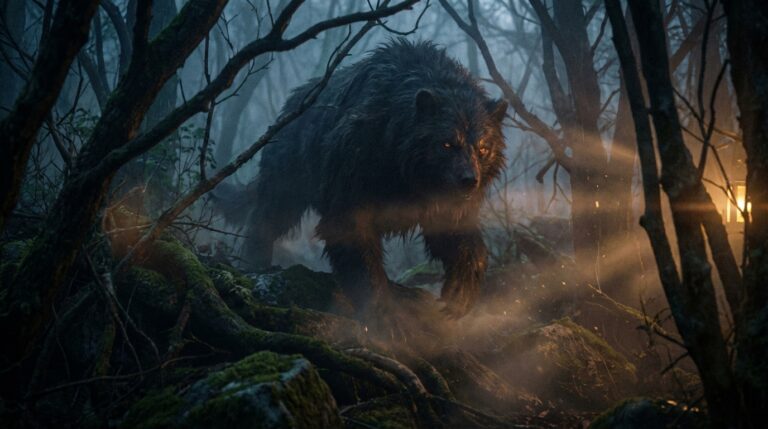
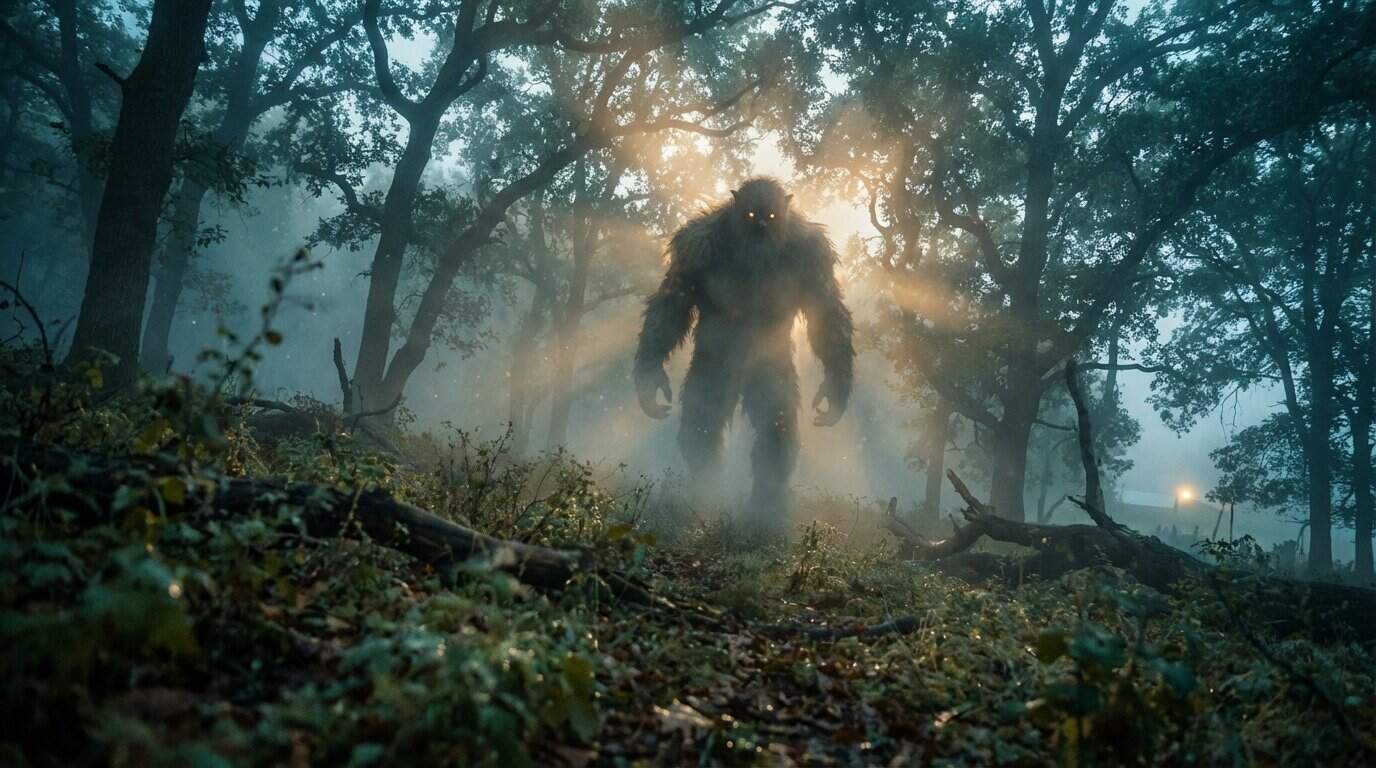
Descriptions of the Ryan Monster often paint a picture of a creature that defies the typical tropes of Midwestern folklore. Witnesses who have ventured near the Ryan Woods area of Illinois describe a figure that is remarkably tall and lean, standing in stark contrast to the bulky, ape-like silhouettes of a traditional Bigfoot. Its movements are frequently reported as fluid and unnervingly fast, allowing it to vanish into the dense undergrowth before a clear photograph can be captured. Local accounts suggest that the entity possesses reflective eyes that glow with a distinct amber hue when caught in a flashlight beam. These physical traits create a unique profile that sets it apart from the more common shadow people or stray predators reported in neighboring counties.
When comparing this phenomenon to other regional legends like the Beast of Bray Road, the differences become even more apparent. While the Beast is often described as having canine features and a thick coat of fur, the Ryan Monster is said to have skin that appears mottled and gray, almost like the bark of the trees it hides behind. It lacks the aggressive, territorial display common in werewolf sightings, instead exhibiting a curious and watchful behavior that borders on the sentient. This lack of overt hostility makes the legend feel more like a lingering secret of the forest rather than a simple predator. By examining these anatomical details, investigators can see how this specific entity occupies its own niche in the local ecosystem of the unexplained.
The history of these sightings suggests that the creature is deeply tied to the specific geography of the Ryan Woods, rarely wandering far from its established borders. This localized nature is a hallmark of hidden legends that disappear when too much public attention is focused on them. Many researchers believe that the creature represents a remnant of an older world, one that has managed to coexist alongside human development by remaining just out of sight. Because the physical evidence is limited to footprints and hair samples that often return inconclusive results, the mystery remains fueled by the consistency of witness testimony. Exploring these physical traits allows us to better understand what people are actually seeing when they claim to encounter the unknown in the Illinois brush.
Light can also shape what a witness thinks they saw. At night, eyeshine from an animal can look bright and oddly colored when a flashlight hits it, while branches, uneven ground, and moving leaves can make a figure seem taller or faster than it is. That does not settle every report. It does, however, make the setting important: distance, weather, the direction of the light, and how long the witness had to observe the figure all matter when comparing accounts.
Analyzing Evidence From The Illinois Undergrowth
Deep within the tangled undergrowth of the Ryan Woods area, local residents have long whispered about shadows that seem to defy conventional biology. Researchers looking into these accounts often find that the dense foliage of this Illinois preserve provides the perfect cover for something unknown to remain hidden from the public eye. While skeptics might point to the play of light through the oak trees, the sheer volume of reports suggests a pattern that is difficult to ignore. These sightings frequently describe a figure that blends seamlessly into the brush, leaving behind only ruffled leaves and a lingering sense of unease. By examining the specific environmental factors of the forest floor, it becomes clear that the region could easily support a localized population of an unidentified species.
Documenting these encounters requires a careful look at the physical evidence left behind in the mud and thickets. Local trackers have occasionally discovered unusual impressions in the soil that do not match the gait of indigenous deer or coyotes. These findings are often supported by grainy photographs and shaky video footage captured by hikers who stumbled upon something they could not explain. While some experts suggest these could be misidentified animals, the structural details of the tracks often hint at a much larger and more complex creature. This ongoing collection of data helps bridge the gap between neighborhood folktales and a more serious investigation into the secrets of the woods.
The mystery of the ryan monster remains a captivating puzzle for those who believe the natural world still holds many surprises. Scientists who study the area note that the unique geography of the Illinois plains allows for isolated pockets of wilderness where rare phenomena can thrive. Rather than dismissing these stories as mere imagination, an open minded approach allows us to consider the possibility that a hidden resident calls this forest home. Each new report adds a layer to the history of the region, encouraging everyone to keep their eyes on the treeline during their next visit. What do you think is hiding in the shadows of Ryan Woods, and have you ever seen something that science cannot yet explain?
Reading A Report Carefully
A useful account gives more than a creature description. It notes where the witness stood, what they were doing, how far away the figure appeared, and whether anyone else saw it. A map can help put a reported encounter in context by showing roads, trails, wooded areas, and nearby development. It cannot prove what was in the trees, but it may help readers ask practical questions: Was the sighting near a path or a clearing? Could an animal have crossed the area unseen? Did several witnesses describe the same location independently?
Dates and place names deserve the same care. A post’s publication date does not necessarily confirm when an encounter happened, and a place mentioned in a search result does not automatically connect it to Ryan Woods. Until a report explains who was involved and how the details relate to the event, they should not be treated as evidence. Distinguishing a claim from its publication date and from a verified record keeps the mystery open without letting unrelated information blur the trail.
The Lasting Legacy of the Ryan Monster
The Ryan Monster has evolved from a simple local whisper into a cornerstone of Illinois folklore, bridging the gap between historical fact and modern mystery. While some skeptics view these sightings as mere shadows or tall tales, the consistency of the reports suggests a phenomenon that cannot be easily dismissed. The legend serves as a reminder that even in our well mapped world, there are still pockets of the woods that hold onto their secrets. This story continues to shape the identity of the Ryan Woods area, giving residents a shared history of curiosity and wonder.
The enduring nature of this mystery proves that people are still deeply drawn to the unexplained and the hidden corners of the natural world. Much like the digital evolution of modern myths, whether these sightings are rooted in misidentified wildlife or something truly unique to the Illinois region, the impact on the local community is undeniable. Every new account adds a fresh layer to the narrative, keeping the investigation alive for future generations of truth seekers. By looking closely at the evidence and the Ryan Basin mystery passed down through the years, we can better understand the thin line between reality and the unknown.
Media attention can give an old story a new audience, especially around an anniversary or after a major series brings related themes back into public conversation. But renewed attention is not the same as new proof. A story repeated in a documentary, a social post, and a local retelling may still trace back to one original account. Following that trail matters as much as noticing the striking details. The mystery is strongest when curiosity is paired with a clear record of what is known, what was reported, and what remains uncertain.
Have you ever experienced something unusual while walking through the dense trees of the Illinois woods? We want to hear about your personal encounters or the stories your family has shared about the strange things lurking in the brush. Your unique perspective might be the missing piece of the puzzle that helps uncover the truth behind the Ryan Monster. Join the conversation below and let us know if you believe there is still something waiting to be discovered in the shadows of the forest.
Frequently Asked Questions
1. What has triggered the recent surge in ryan monster sightings?
The current phenomenon stems from a popular streaming anthology which brings the story of Lyle and Erik Menendez to a modern audience. This digital resurrection blends historical crime facts with cinematic drama, making a decades-old tragedy feel immediate and hauntingly real.
2. Are the ryan monster sightings related to a physical creature?
While the term has become a digital trend, it often refers to the unsettling portrayals of the Menendez brothers on screen. However, the name also shares a connection with the long standing local folklore of the Ryan Woods region in Illinois, where residents have reported strange occurrences for generations.
3. What is the history behind the Ryan Woods encounters?
For decades, the dense undergrowth of Ryan Woods in Illinois has been a hotspot for unexplained sightings and mysterious shadows. These accounts began as local rumors among residents but eventually evolved into a documented curiosity that has captured the interest of investigators.
4. How much of the recent anthology series is based on true events?
The series is rooted in the brutal reality of the 1989 Menendez case and the complex family dynamics that led to the tragedy. While it follows the historical timeline, it also incorporates controversial creative choices that explore the darker, less certain corners of the brothers’ lives.
5. Why are people comparing the TV show to a monster sighting?
The term reflects the chilling and larger than life way the characters are depicted, blurring the lines between human behavior and something more predatory. This cultural moment has turned a historical court case into a modern mystery that feels as elusive and captivating as a legendary creature.
6. Is there any evidence for the strange events in Ryan Woods?
Documentation from the late twentieth century includes specific reports from individuals who witnessed unusual movements and figures within the woods. These historical records provide a foundation for the area’s reputation as a place where the unexplained is a common part of the environment.
7. What should viewers keep in mind while watching the Menendez anthology?
It is helpful to maintain a balance between appreciating the cinematic storytelling and acknowledging the real human tragedy involved. Watching the show requires an open mind that can distinguish between documented court facts and the artistic theories presented by the creators.