The Kensington Runestone Authenticity Debate And The Mystery Of America’s Vikings
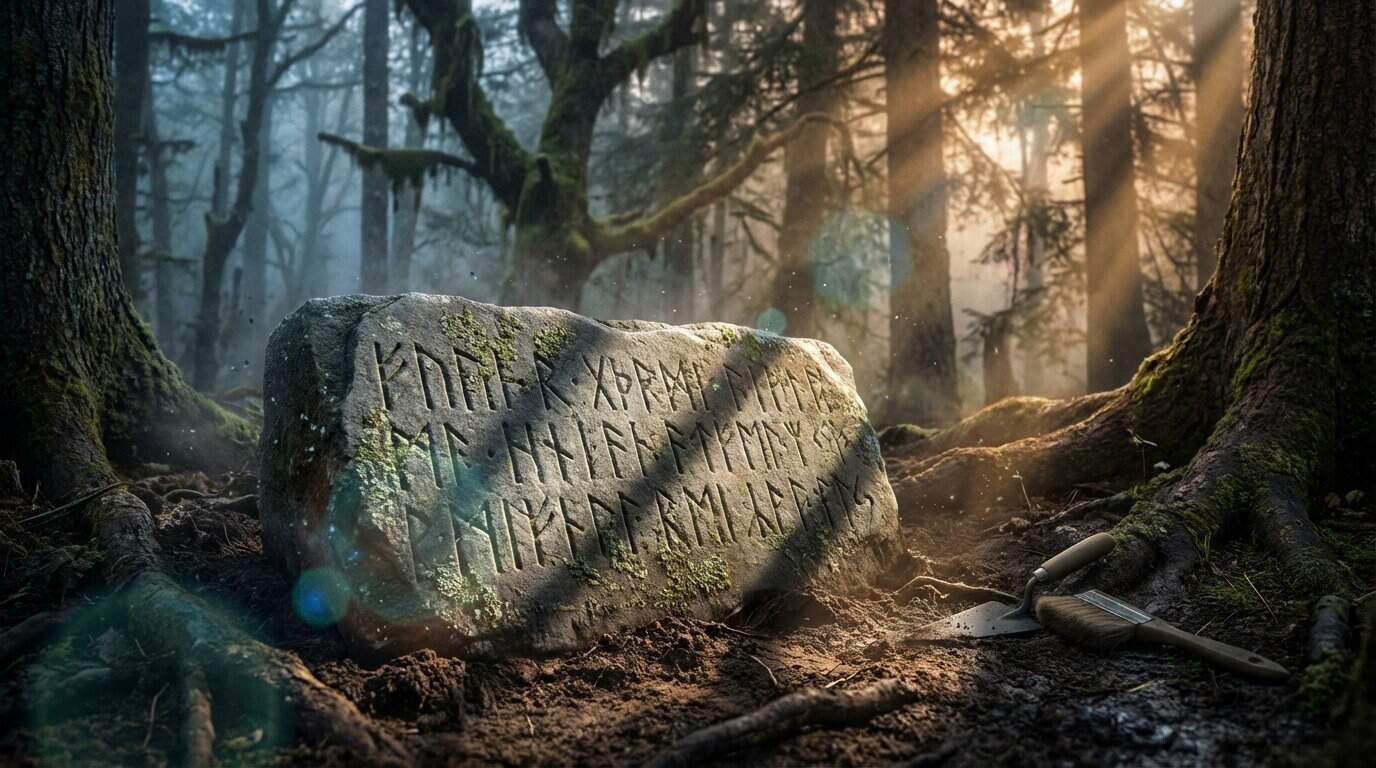
In 1898, a Swedish immigrant named Olof Öhman was clearing trees on his Minnesota farm when his shovel struck a massive, 202-pound slab of stone tangled in the roots of an aspen tree. Carved into the rock were strange, ancient symbols that told a chilling story of a 14th-century Norse expedition gone wrong. For over a century, the debate over the Kensington Runestone authenticity has pitted local pride against the skepticism of global academics.
The inscription describes a group of thirty explorers who returned from a day of fishing in 1362 only to find their comrades red with blood and dead. While many scholars dismiss the stone as a clever 19th-century hoax, the mystery remains deeply rooted in the American Midwest. If the stone is genuine, it would rewrite the history of North America and prove that European explorers reached the heart of the continent long before Columbus set sail.
Key Takeaways
- The Kensington Runestone, discovered in 1898, presents a potential 14th-century record of Norse explorers reaching the American Midwest over a century before Columbus.
- Physical evidence, such as the stone being found tangled in the roots of a 30-year-old tree and specific geological weathering of the runes, suggests the artifact may predate the 19th-century Swedish immigrants who found it.
- The inscription’s authenticity remains a point of intense debate between mainstream linguists, who cite 19th-century dialect patterns, and independent researchers who identify rare 14th-century runic forms.
- If proven genuine, the stone would fundamentally rewrite North American history by confirming a medieval European presence deep within the continent’s interior.
Evidence From The Roots And The Runes
In the late 19th century, a Swedish immigrant named Olof Öhman was clearing land on his Minnesota farm when he stumbled upon a discovery that would spark a century of debate. He found a large, flat stone firmly gripped by the roots of a 30 year old aspen tree, suggesting the artifact had been buried long before he arrived. The greywacke slab featured a strange series of carvings that seemed to tell a story of ancient travelers. This physical evidence is often cited by supporters of the stone’s authenticity as evidence that the object could not have been a recent plant. The way the roots were wrapped around the stone remains a central point for those who believe it is a genuine Out-of-Place Artifact.
The inscription itself tells a haunting tale of thirty explorers, specifically eight Götalanders and twenty-two Norwegians, who were on a journey of discovery far from their homes in 1362. According to the Runestone Museum, the text describes a tragic scene where ten men were found red with blood and dead after a day of fishing. This date places the expedition over a century before Christopher Columbus sailed for the Americas, suggesting a much earlier European presence in the heart of the continent. The message ends with a plea for divine protection, leaving behind a permanent record of their presence in the wilderness. While many linguists argue the runes reflect 19th-century Swedish dialects, the specific details of the voyage continue to fascinate those looking for hidden chapters of history.
Whether this stone is a clever hoax or a legitimate historical record, it challenges our understanding of how and when the Americas were first explored. Mainstream archaeology often points toward the work of Scandinavian Archaeology researchers who categorize it as a modern creation, yet the mystery of how a farmer could have forged such a complex narrative persists. The Kensington Runestone sits at the intersection of cultural pride and scientific scrutiny, inviting us to look closer at the possibilities of the past. If the Götalanders truly reached Minnesota, it would completely rewrite the timeline of early North American exploration. What do you think about the possibility of 14th-century Vikings reaching the American Midwest?
Scientific Analysis And The Linguistic Controversy
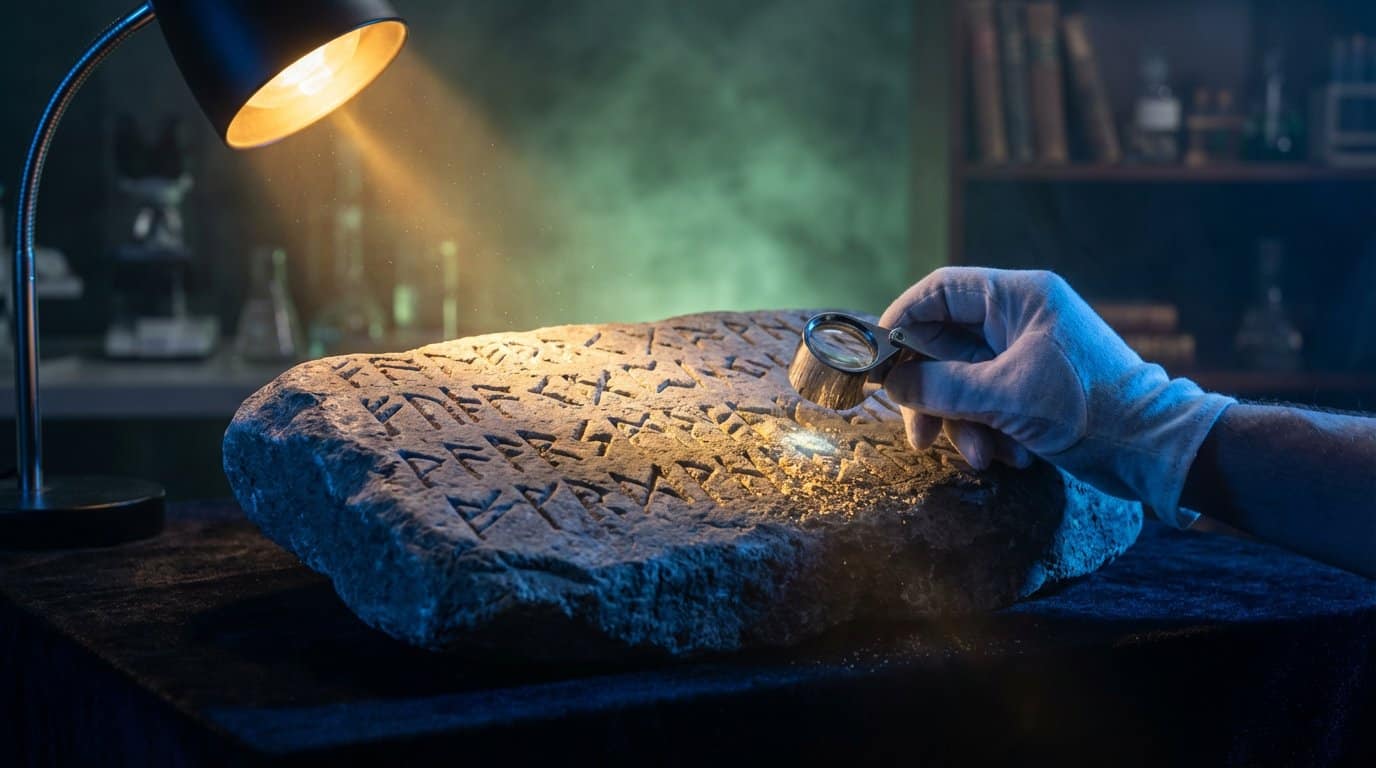
When researchers first examined the Kensington Runestone, they focused heavily on the physical condition of the greywacke slab to determine its age. Geologist Scott Wolter has spent years arguing that the weathering of the inscriptions suggests the stone sat in the ground for centuries rather than decades. He points to the breakdown of mica minerals within the carved runes as evidence that the text was not freshly cut in the 1800s. While mainstream geologists often disagree, citing the durability of greywacke, the physical state of the artifact remains a cornerstone of the debate. This scientific tug of war keeps the stone at the center of the Out of Place Artifact conversation.
The linguistic details of the inscription provide another layer of mystery that divides the academic world. Mainstream linguists often point to certain pentadic numerals and specific grammar choices as evidence of a 19th-century Swedish origin. However, some independent researchers and enthusiasts argue that these rare runic forms actually mirror obscure 14th-century dialects from regions like Dalarna, Sweden. They suggest that Olof Öhman, the farmer who found the stone, would not have possessed the specialized knowledge required to forge such a complex linguistic puzzle. This leaves many wondering if the stone truly recorded a desperate Norse expedition from 1362.
Even with the heavy weight of scholarly skepticism, the Kensington Runestone continues to challenge our understanding of North American history. If the stone is authentic, it proves that Viking explorers traveled deep into the heart of the continent long before other Europeans arrived. Critics may call it a clever hoax, but the specific details of the ten men found red with blood create a haunting narrative that is difficult to dismiss entirely. Whether it is a piece of frontier folklore or a genuine medieval record, the stone invites us to keep an open mind about who really walked these lands first.
A Cultural Icon Between History And Myth
The Kensington Runestone stands as a premier example of an Out of Place Artifact, challenging our traditional understanding of how the North American interior was explored. Since its discovery in 1898 by Olof Öhman, the 202 pound slab has acted as a bridge between the verified Viking settlements in Newfoundland and more daring, fringe theories of inland travel. While the Runestone Museum in Alexandria, Minnesota, proudly displays the artifact, it remains a focal point for those who believe Norse explorers reached the Midwest as early as 1362. This narrative suggests that a group of thirty Scandinavians ventured far from the coast, leaving behind a stone record of their journey and a tragic encounter with local inhabitants.
Mainstream archaeology often points toward linguistic inconsistencies to label the stone a clever 19th century creation, yet the mystery refuses to fade. Many researchers and enthusiasts argue that the weathering of the stone and the specific runic characters used suggest a level of knowledge that a simple farmer like Öhman likely did not possess. By looking at the Kensington Runestone through a lens of open minded skepticism, we can appreciate it as both a cultural icon and a potential piece of hidden history. It forces us to ask whether our documented records of the 14th century are complete or if there are still chapters of the Viking age waiting to be validated by science.
What do you think about the possibility of a Norse expedition reaching the heart of the American Midwest long before other Europeans arrived? The debate over the stone’s authenticity continues to spark passion among historians and amateur detectives alike. Whether you view it as a masterful hoax or a genuine relic of a lost journey, the Kensington Runestone invites us all to question the boundaries of history. Share your thoughts on whether this artifact is a true piece of our ancient past or simply a legendary myth that has taken on a life of its own.
The Enduring Mystery of Minnesota’s Runestone
The quest for the truth behind the Kensington Runestone sits at a fascinating crossroads where hard science meets the human desire for discovery. While the majority of linguists and archaeologists categorize the stone as a clever nineteenth century creation, the artifact remains a powerful symbol of what might have been. It challenges the traditional timeline of North American exploration, suggesting that Norse travelers may have ventured deep into the heart of the continent long before other Europeans. This tension between academic skepticism and the allure of an ancient mystery is what keeps the story of the 1362 expedition alive in the public imagination.
Even if the stone is eventually proven beyond all doubt to be a pioneer’s tall tale, its impact on cultural history is undeniable. The slab represents a classic example of an out of place artifact that forces us to question how much of our past remains hidden beneath the soil. Every year, new enthusiasts and researchers revisit the farm in Minnesota to look for fresh clues that might bridge the gap between myth and reality. The Kensington Runestone reminds us that history is often a living document, prone to revision and filled with voices waiting to be heard.
Determining whether this heavy piece of greywacke is a genuine relic or a masterful hoax is a puzzle that each person must weigh for themselves. Does the inscription represent a tragic final message from a group of lost explorers, or was it the creative work of a talented Swedish immigrant? The evidence offers compelling arguments for both sides, leaving plenty of room for curiosity and debate. We would love to hear your thoughts on this enduring mystery of the Midwest. Do you believe the Kensington Runestone is a legitimate piece of Viking history, or is it simply a fascinating legend?
Frequently Asked Questions
1. Who originally discovered the Kensington Runestone?
A Swedish immigrant named Olof Öhman found the stone in 1898 while clearing his farm in Minnesota. He discovered the 202 pound slab tangled firmly within the roots of an old aspen tree.
2. What story is carved into the surface of the stone?
The carvings tell a tragic tale of thirty Norse explorers on a journey in 1362 who returned from fishing to find ten of their comrades dead and covered in blood. It specifically identifies the group as a mix of eight Götalanders and twenty-two Norwegians.
3. How do the tree roots help prove the stone might be real?
Supporters point to the fact that the stone was gripped by the roots of a thirty year old tree, suggesting it was buried long before Olof Öhman arrived. This physical evidence makes it difficult for skeptics to claim the stone was a recent hoax planted by the farmer.
4. Why is the date 1362 so significant for American history?
If the date on the stone is accurate, it proves that European explorers reached the heart of North America over a century before Christopher Columbus arrived. It would completely rewrite the history books regarding who first explored the American Midwest.
5. What do modern scholars think about the authenticity of the runes?
While many academic researchers believe the carvings are a clever 19th century creation, the mystery remains far from settled. The Runestone Museum and various independent researchers continue to study the unique dialect and carving techniques for signs of medieval origins.
6. Where can the Kensington Runestone be seen today?
The artifact is currently housed at the Runestone Museum in Alexandria, Minnesota, where it remains a centerpiece of local history. Visitors can examine the greywacke slab and the strange inscriptions that have fueled over a century of intense debate.
{
“@context”: “https://schema.org”,
“@type”: “Article”,
“headline”: “The Kensington Runestone Authenticity Debate And The Mystery Of America’s Vikings”,
“description”: “Is the Kensington Runestone a 14th-century Norse artifact or a clever hoax? Explore the mystery of America’s Vikings and the debate that still divides history.”,
“url”: “https://mysteriousrealms.com/the-kensington-runestone-authenticity-debate-and-the-mystery-of-america-s-vikings/”,
“mainEntityOfPage”: {
“@type”: “WebPage”,
“@id”: “https://mysteriousrealms.com/the-kensington-runestone-authenticity-debate-and-the-mystery-of-america-s-vikings/”
},
“image”: [
“https://mysteriousrealms.com/wp-content/uploads/2026/01/the-kensington-runestone-authenticity-debate-and-t-1767805277471.jpg”
],
“datePublished”: “2026-01-07T17:03:36.305+00:00”,
“dateModified”: “2026-01-07T17:03:36.962335+00:00”
}