Wendigo Folklore Explained: The Ancient Spirit Of The Northern Woods
In the frozen heart of the northern woodlands, a chilling legend has haunted the oral traditions of the Ojibwe and Cree peoples for centuries. This is the world of the wendigo, a creature born from the desperate darkness of winter famine and the ultimate taboo of cannibalism. To have wendigo folklore explained is to understand more than just a campfire story; it is a journey into a cultural warning about the thin line between humanity and the monstrous hunger of the wild.
The legend describes a spirit of possession that transforms the greedy and the isolated into gaunt, insatiable hunters who can never be full. While some see the creature as a literal monster stalking the snowy forests, others view it as a powerful moral concept representing the dangers of selfishness and social destruction. Whether it is a physical beast or a psychological shadow, the persistence of these stories suggests a terrifying truth hidden within the cold, silent woods.
Key Takeaways
- The wendigo legend serves as a vital cultural deterrent against greed and selfishness, emphasizing that prioritizing individual desires over the community leads to a loss of humanity.
- Rooted in the harsh winters of the northern woodlands, the creature personifies the psychological and physical toll of famine, isolation, and the ultimate social taboo of cannibalism.
- The wendigo’s physical form—a gaunt, skeletal giant that grows as it eats—acts as a metaphor for an insatiable addiction to excess that can never be satisfied.
- While modern pop culture often reduces the wendigo to a physical horror icon, its true significance lies in its role as a spiritual warning against the breakdown of social bonds and empathy.
Origins Among The Algonquian Peoples
The legend of the wendigo finds its roots deep within the oral traditions of the Algonquian speaking peoples, including the Cree, Ojibwe, and Innu nations. These communities flourished in the vast northern woodlands where the arrival of winter brought extreme hardship and isolation. During these months, the threat of starvation was a constant companion, as thick snow and freezing temperatures made hunting nearly impossible. The wendigo emerged as a powerful cultural symbol representing the very real dangers of famine and the psychological toll of survival in a frozen wilderness. This creature was not just a monster in a story, but a personification of the cold and the desperate hunger that could consume a person from within.
Traditional stories from groups like the Saulteaux and Naskapi describe the wendigo as a malevolent spirit or a giant monster with an insatiable craving for human flesh. According to historical documentation from Britannica, the legend served a dual purpose as both a terrifying campfire tale and a serious moral warning. It taught the importance of community and moderation, labeling greed and selfishness as destructive forces that could transform a human into a monster. To the Algonquian peoples, the wendigo was a literal threat that could possess the vulnerable, leading to the ultimate social taboo of cannibalism. This cultural concept helped maintain social order by emphasizing that those who put their own desires above the group’s survival were at risk of losing their humanity.
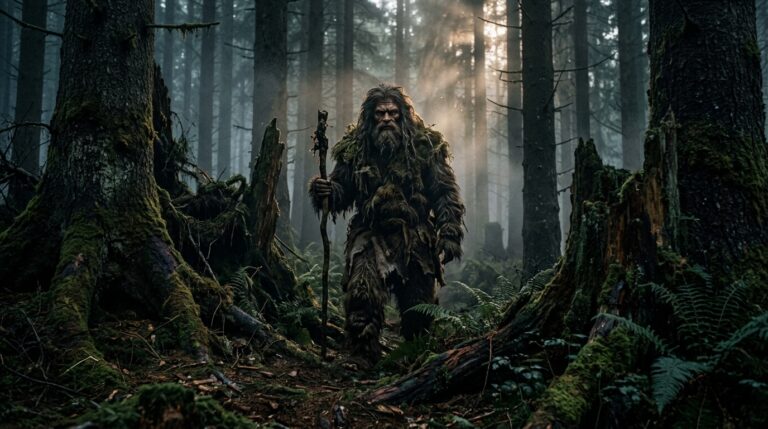
The physical appearance of the wendigo in these early legends often reflected the grim realities of wasting away from hunger. It was frequently described as a gaunt, skeletal giant with skin pulled tight over its bones and a terrifying, corpse like odor. As the creature ate, it would grow in proportion to the meal it consumed, meaning it could never truly be full. This haunting imagery captured the essence of an addiction to excess that could never be satisfied. Even today, the figure remains a chilling reminder of how the harsh natural world influenced the spiritual beliefs and survival strategies of the northern tribes.
Anatomy Of A Winter Monster
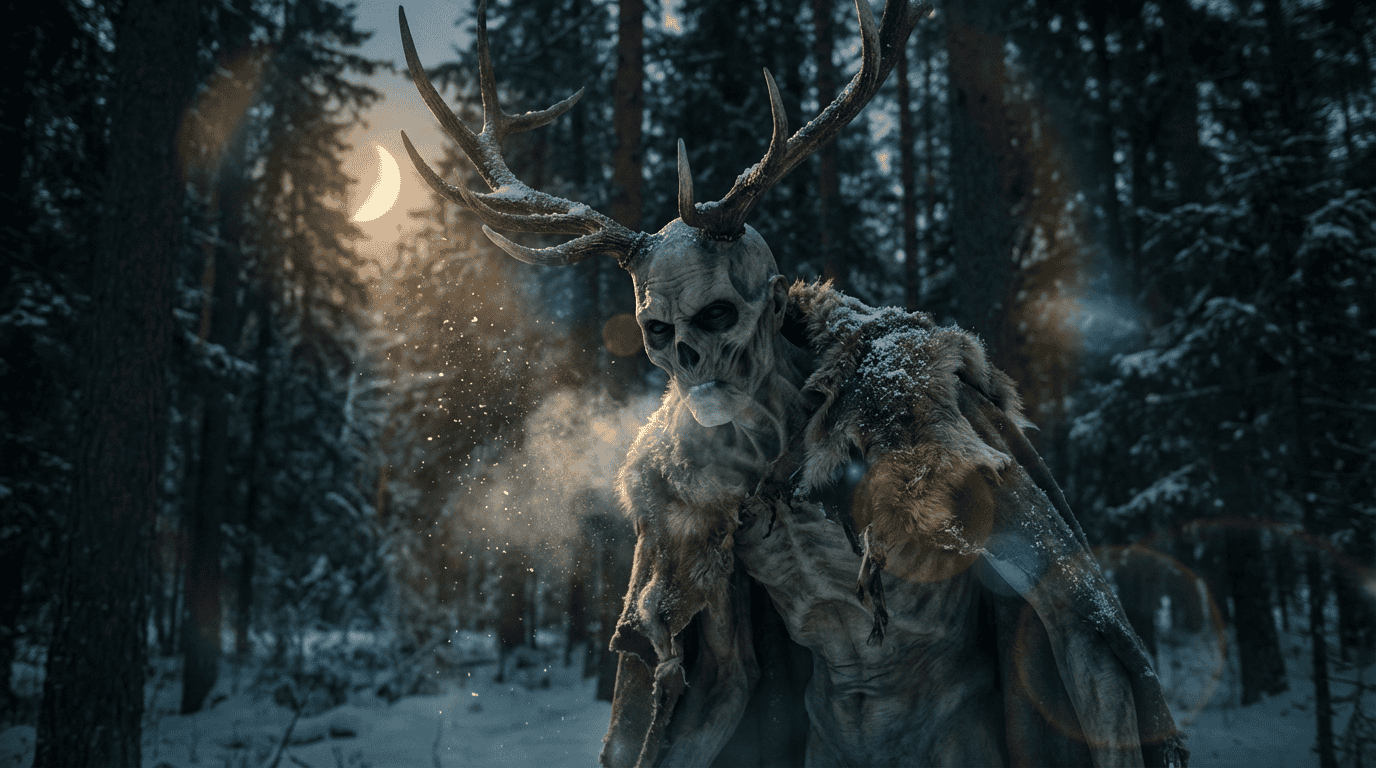
The physical form of the wendigo is a chilling reflection of the harsh northern winters where its legend began. According to Algonquian oral traditions, this creature appears as a terrifyingly emaciated giant with skin pulled tight over its bones. Its gray complexion resembles the color of death, and its sunken eyes glow with an eerie light that pierces through the snow. Many stories from the Ojibwe and Cree peoples describe the monster as having a heart made of solid ice. This frozen core symbolizes its lack of human empathy and its eternal connection to the killing frost of the wilderness.
Beyond its frightening appearance, the wendigo serves as a powerful spiritual warning against the dangers of greed and isolation. The legend suggests that a person can transform into this beast if they succumb to selfish desires or commit the ultimate taboo of cannibalism. This metamorphosis represents a loss of humanity, turning a community member into a solitary predator that is never satisfied. Britannica notes that the wendigo grows in size every time it eats, ensuring it remains perpetually hungry no matter how much it consumes. It acts as a cultural mirror, reflecting the destructive nature of putting one’s own cravings above the survival of the group.
In the deep woods of the north, the wendigo is more than just a ghost story told around a campfire. It embodies the very real threat of starvation and the psychological breakdown that can occur during long periods of social seclusion. Much like Australia’s mysterious swamp dweller, the Bunyip, these legends often serve as cultural deterrents rooted in the local environment. By framing greed as a literal monster, these indigenous cultures created a vivid deterrent against hoarding resources during lean times. The creature lingers in the shadows of the forest, waiting for those who lose their way both physically and morally. Its presence reminds us that the coldest winter is not found in the air, but in a heart that has forgotten how to care for others.
Possession And The Taboo Of Cannibalism
In the traditional oral histories of the Algonquian peoples, the Wendigo represents much more than a physical beast lurking in the woods. It is often described as a malevolent spirit of possession that preys on individuals during times of extreme isolation or starvation. When a person succumbs to this influence, they are said to lose their humanity and develop a terrifying, insatiable hunger for human flesh. This transformation serves as a powerful psychological metaphor for what happens when an individual places their own survival above the welfare of the collective. According to researchers at Britannica, this spiritual corruption was the ultimate consequence of breaking the most sacred social taboos.
The legend functions as a grim warning against the dangers of greed and selfishness within the community. In the harsh winters of the northern woodlands, cooperation was essential for survival, making the “me-first” attitude of the Wendigo a literal threat to the tribe. By framing cannibalism and hoarding as a monstrous sickness, the folklore reinforced the values of sharing and mutual support. Historical accounts from the Cree and Ojibwe peoples suggest that the fear of becoming a Wendigo was a very real psychological phenomenon. This cultural concept helped maintain social order by illustrating the lonely, frozen fate of those who abandoned their peers.
Modern scholars often view the Wendigo through the lens of a culture-bound syndrome, where the lines between myth and psychology begin to blur. While some dismiss the stories as mere campfire tales, the consistency of these accounts across different regions suggests a deep-rooted truth about the human psyche under pressure. The spirit acts as a mirror, reflecting the darkest parts of the human condition that emerge when empathy is replaced by raw, predatory instinct. Even today, the folklore invites us to wonder if the monster is something that waits in the shadows or something that sleeps within us all. This enduring mystery reminds us that the most frightening transformations often begin in the mind before they ever manifest in the world.
Modern Evolution In Popular Culture
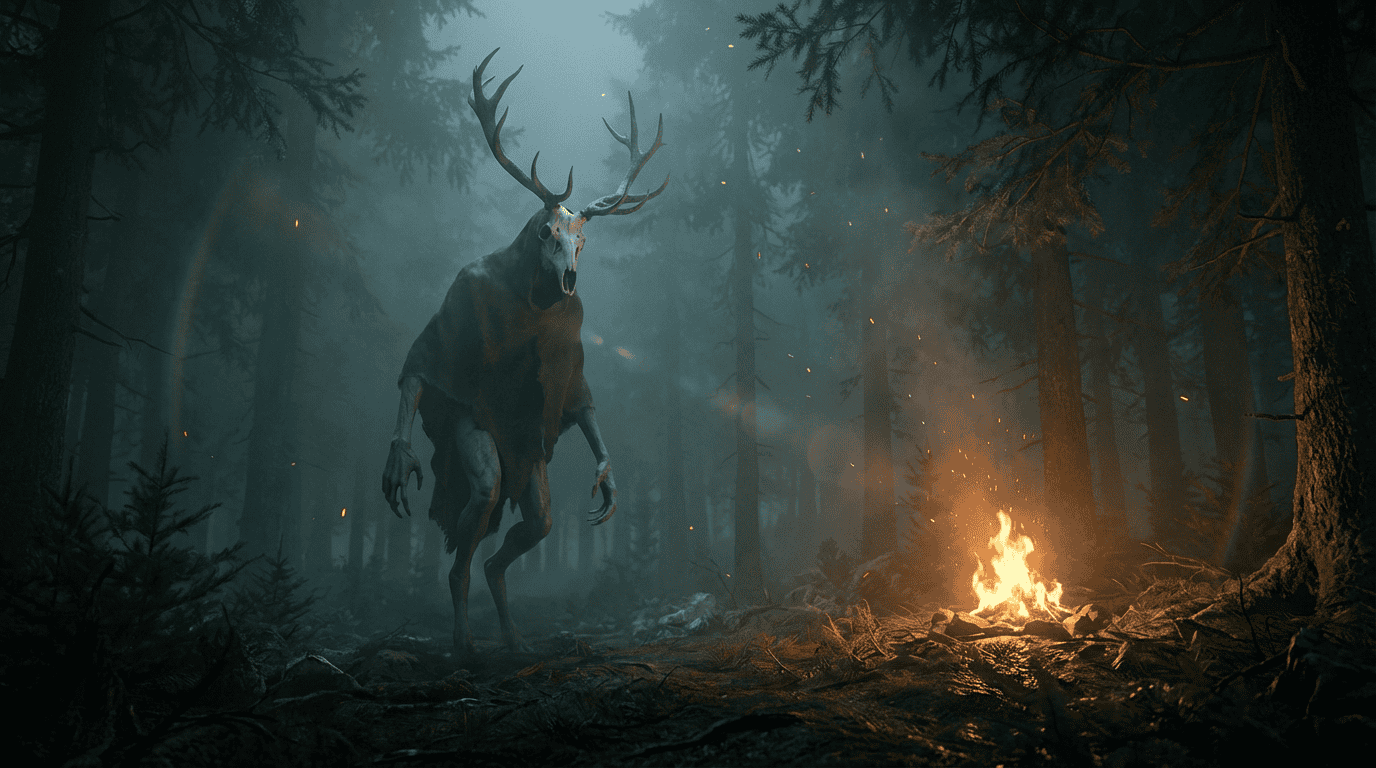
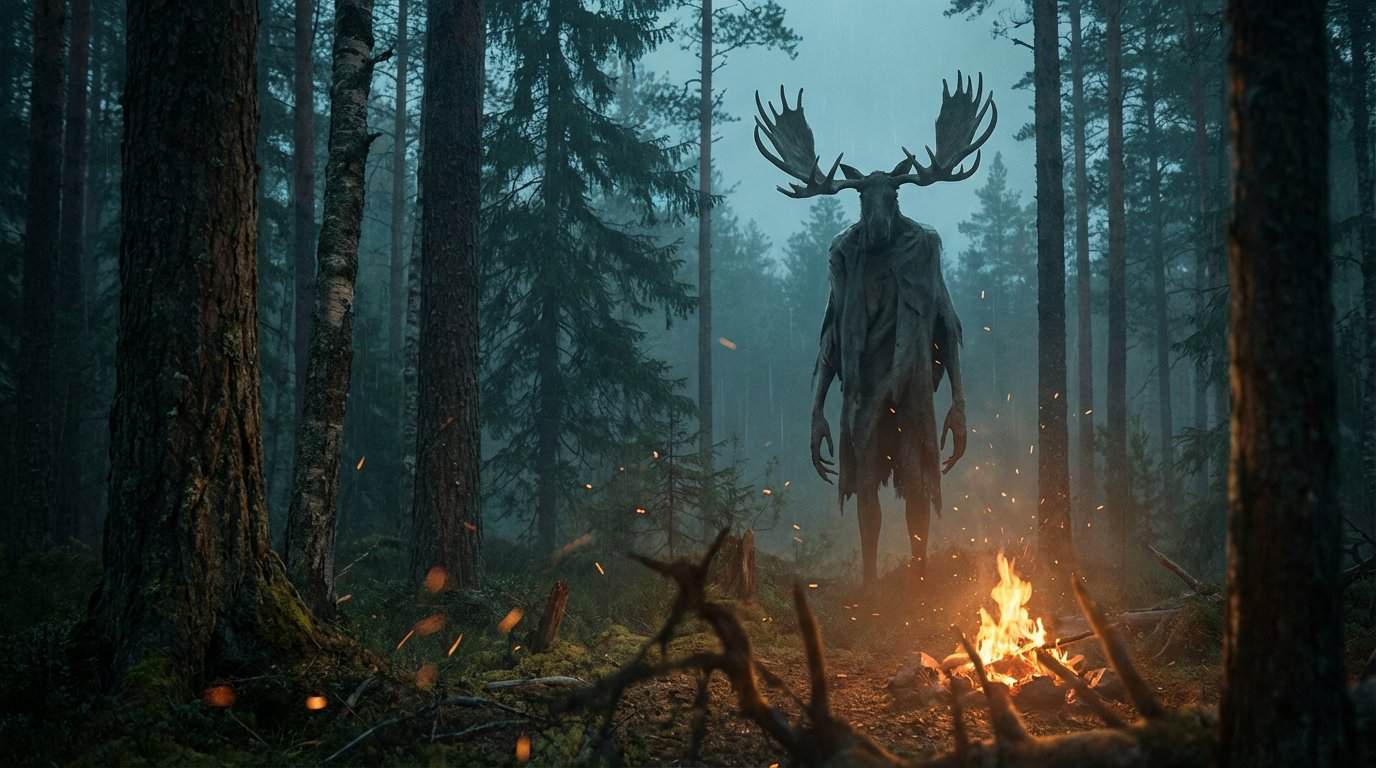
In recent decades, the wendigo has stepped out of the shadows of oral tradition and into the bright lights of Hollywood and mainstream fiction. Modern audiences often recognize the creature as a gaunt, antlered beast in films like Antlers or through popular video games like Until Dawn. This cinematic evolution typically focuses on the monster as a physical predator, often blending its image with other folklore creatures like the what are skinwalkers legend of the Southwest. While these portrayals capture the chilling atmosphere of the northern woods, they frequently lean into jump scares rather than the psychological horror of the original legends. This shift has turned a complex cultural warning into a recognizable horror icon for a global audience.
The transition from sacred indigenous stories to pop culture entertainment comes with a responsibility to acknowledge the original context of the Algonquian peoples. In traditional Cree and Ojibwe cultures, the wendigo is not just a movie monster but a powerful metaphor for greed, selfishness, and the breakdown of community bonds. Many indigenous scholars and storytellers, such as those cited by Britannica, emphasize that the true horror of the wendigo lies in its insatiable hunger that grows the more it consumes. When modern media strips away these moral lessons, it risks losing the very essence of what makes the legend so terrifying and relevant. Respectful storytelling helps bridge this gap by honoring the history behind the scares.
Despite the heavy stylization of modern horror, the core themes of the wendigo still resonate with our deepest fears of isolation and loss of control. Whether it is depicted as a supernatural spirit or a physical transformation, the concept of a person losing their humanity to a dark hunger remains a potent narrative tool. Authors and directors continue to explore these themes, often using the creature to represent environmental destruction or corporate greed in the modern world. By looking past the antlers and special effects, we find a story that has survived for centuries because it speaks to the darkness within the human heart. This enduring legacy ensures that the wendigo will remain a central figure in our collective nightmares for years to come.
The Lasting Chill of Wendigo Wisdom
The legend of the wendigo remains one of the most chilling and complex stories in North American folklore. While it began as a vital oral tradition among the Algonquian peoples, it has evolved into a powerful symbol of the dangers of isolation and unchecked desire. This figure serves as both a literal monster lurking in the frozen woods and a psychological warning against the destructive nature of selfishness. By blending ancient cultural wisdom with a terrifying supernatural presence, the legend ensures that the lessons of the past are never truly forgotten.
Modern interest in this creature shows that the wendigo is much more than just a campfire story or a pop culture trope. It represents a deep seated human fear of losing one’s humanity to greed or desperation during the harshest times of life. Whether viewed as an actual malevolent spirit or a metaphor for social decay, the entity continues to haunt the edges of our collective imagination. The enduring mystery of the wendigo proves that some legends carry a weight that transcends time and keeps us looking over our shoulders.
As we look at the vast expanse of the northern wilderness, it is easy to wonder if something ancient still waits in the shadows. Many people still report strange encounters and unexplainable feelings of dread while traveling through these dense forests. Do you believe the wendigo is a real entity that possesses the unwary, or is it simply a manifestation of our darkest impulses? Much like asking are chupacabra sightings real, exploring these legends helps us understand how different cultures interpret the unknown. Share your thoughts and theories in the comments below to help us unravel this enduring mystery together.
Frequently Asked Questions
1. What exactly is a wendigo in Algonquian folklore?
A wendigo is a malevolent spirit or monster originating from the oral traditions of the Ojibwe, Cree, and other Algonquian nations. It represents a personification of greed and famine who is born when a human gives in to the taboo of cannibalism during the harsh winter months.
2. How does a person transform into a wendigo?
Transformation usually occurs through the act of consuming human flesh or through possession by a wandering wendigo spirit. In many traditional stories, the shift begins with a psychological decay rooted in extreme selfishness or isolation that eventually turns the person into a gaunt, insatiable hunter.
3. Where do most wendigo sightings and stories take place?
These legends are centered in the vast northern woodlands of North America, particularly around the Great Lakes region and the boreal forests of Canada. The setting is almost always a frozen, isolated landscape where the threat of starvation is a constant reality for those living in the wilderness.
4. What does the wendigo look like according to legend?
The creature is often described as a towering, skeletal figure with skin pulled tight over its bones and a terrifying, sunken appearance. It emits a strange odor of decay and possesses an insatiable hunger that causes it to grow larger every time it eats, ensuring it never feels full.
5. Is the wendigo considered a literal monster or a metaphor?
The legend serves both as a terrifying physical threat and a powerful moral warning about the dangers of social destruction. While many view it as a literal predator stalking the woods, it also represents the psychological toll of survival and the importance of community over individual greed.
6. Why has the story of the wendigo persisted for so many centuries?
The legend remains a vital part of cultural history because it addresses universal fears of isolation, hunger, and the loss of one’s humanity. By blending historical documentation of winter hardships with the unexplained mysteries of the deep woods, the story continues to haunt the imagination of those who venture into the wild.
{
“@context”: “https://schema.org”,
“@type”: “Article”,
“headline”: “Wendigo Folklore Explained: The Ancient Spirit Of The Northern Woods”,
“description”: “Discover the chilling origins of the Wendigo. Explore ancient Ojibwe and Cree legends of this winter spirit, born from dark hunger and the ultimate human taboo.”,
“url”: “https://mysteriousrealms.com/wendigo-folklore-explained-the-ancient-spirit-of-the-northern-woods/”,
“mainEntityOfPage”: {
“@type”: “WebPage”,
“@id”: “https://mysteriousrealms.com/wendigo-folklore-explained-the-ancient-spirit-of-the-northern-woods/”
},
“image”: [
“https://mysteriousrealms.com/wp-content/uploads/2025/12/wendigo-folklore-explained-the-ancient-spirit-of-t-1766163938210.jpg”
],
“datePublished”: “2025-12-19T12:05:39+00:00”,
“dateModified”: “2026-07-06T14:01:52.201382+00:00”
}