
Ghost Rockets Over Sweden: What The 1946 Mystery Reveals
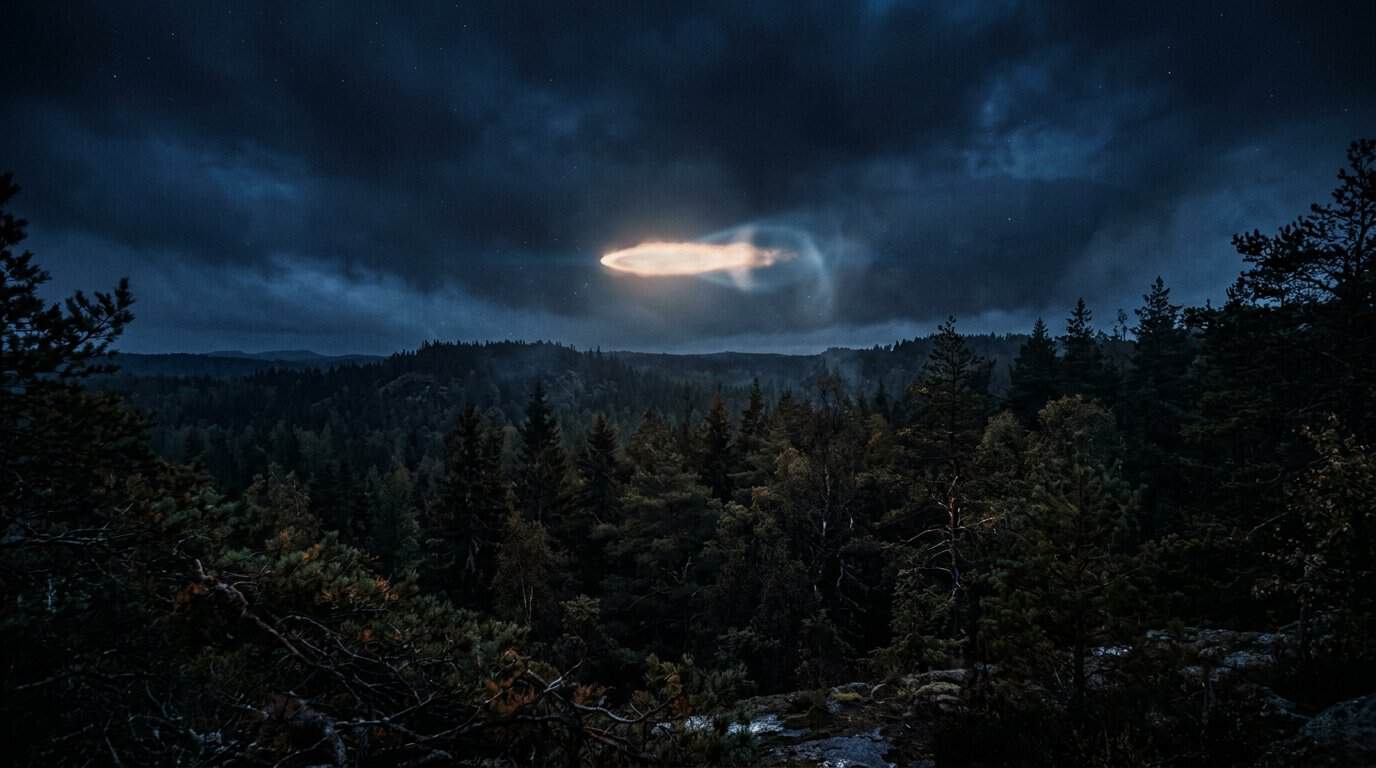
In 1946, reports of bright, fast-moving objects shaped like rockets filled the skies over Sweden. The mystery began with sightings on the night of May 23 to 24 and soon spread across Finland, Norway, and Denmark. Witnesses described glowing forms crossing the sky at remarkable speed, prompting Swedish authorities to ask whether they were meteors, secret weapons, or something stranger.
The reports were taken seriously and investigated, but no confirmed rocket, missile, spacecraft, or extraterrestrial vehicle was ever recovered. Many sightings likely had ordinary explanations, including fireballs, aircraft, and fireworks, while a smaller group remained difficult to identify. Decades later, the ghost rockets occupy a space between documented history and unresolved mystery.
Key Takeaways
- The ghost rocket wave began over Sweden on May 23–24, 1946, then spread across Finland, Norway, and Denmark, prompting serious military investigations amid postwar fears of secret weapons.
- Swedish authorities collected witness reports and searched suspected impact sites, but no confirmed rocket, missile, spacecraft, or extraterrestrial vehicle was ever recovered.
- Most sightings likely resulted from meteors, fireballs, aircraft, fireworks, or optical effects, while a smaller number remained genuinely unresolved and may have involved unknown low-flying technology.
- The case is best understood as a mixed historical mystery: unresolved reports justify continued curiosity, but eyewitness accounts provide no proof of extraterrestrial visitation.
Introduction To Sweden’s Ghost Rockets
Sweden’s ghost rockets emerged during a sudden wave of reports on the night of May 23 to 24, 1946. Witnesses across Sweden described bright, fast-moving objects that sometimes appeared shaped like rockets or missiles. Similar reports soon came from Finland, Norway, and Denmark. The sightings occurred just after World War II, when memories of wartime weapons and advances in military technology made strange objects in the sky especially alarming. For a brief period, Sweden became the center of an aerial mystery, years before flying saucers entered popular culture.
Swedish authorities took the reports seriously. They gathered witness accounts, examined possible landing areas, and considered whether the objects could have been foreign weapons or experimental aircraft. Some observations were likely meteors, fireballs, aircraft, fireworks, or other familiar objects seen under unusual conditions. Yet a smaller group remained difficult to explain, leaving open the possibility that some witnesses had seen real low-flying technology. Despite searches and official investigations, no confirmed rocket, missile, spacecraft, or extraterrestrial vehicle was ever recovered.
The 1946 Ghost Rocket Wave
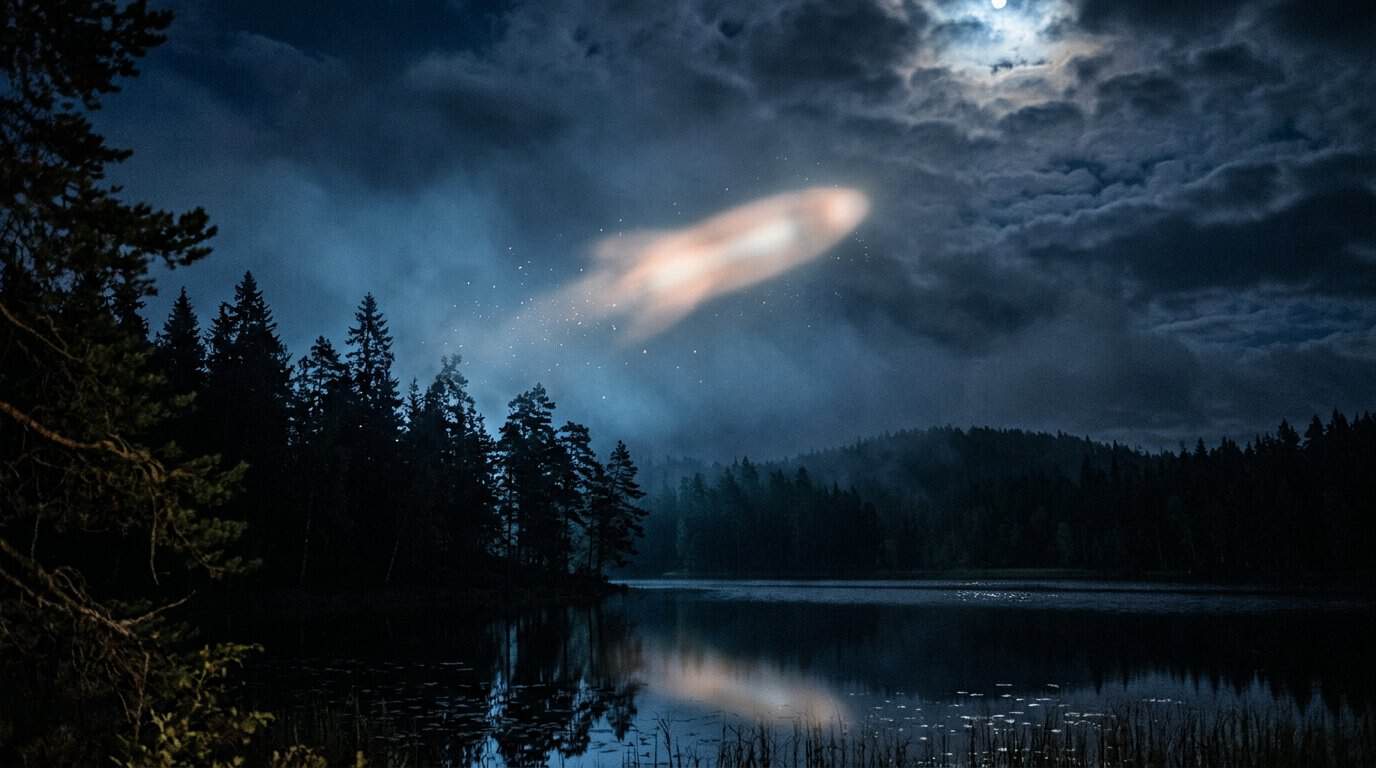
The 1946 ghost rocket wave began during the night of May 23 to 24, when people across Sweden reported bright objects moving quickly through the sky. Many witnesses described glowing, rocket-shaped forms, while others saw fireballs that crossed the horizon and vanished within seconds. The reports came from widely separated locations, making the event appear larger than a single strange sighting. Swedish authorities took the accounts seriously, especially because Europe was still living with the recent memory of wartime rockets and secret weapons. No confirmed rocket, missile, spacecraft, or extraterrestrial vehicle was recovered.
Reports continued through the summer, and the story spread beyond Sweden into Finland, Norway, and Denmark. Witness statements varied. Some sightings were supported by multiple observers, while others may have involved meteors, aircraft, fireworks, or unusual weather effects. Swedish military investigators collected reports, questioned witnesses, and searched areas where objects were believed to have landed, but the evidence remained incomplete. A few accounts described objects flying unusually low or moving in ways that did not fit an ordinary fireball, raising questions about possible experimental technology. Readers exploring related mysteries can compare this investigation with other early postwar reports that helped shape the later flying-saucer era.
By autumn, the number of reports had fallen sharply, and the ghost rocket wave gradually faded from public view. Modern reviews, including records preserved by the Swedish National Archives, support a mixed explanation rather than a single answer. Many observations likely had natural or familiar causes, while a smaller group remains unresolved. A timeline graphic could mark the first reports on May 23 to 24, the summer peak, and the autumn decline. A map could show how sightings clustered across Sweden and reached neighboring countries. Together, these visuals would show both the scale of the mystery and the limits of what investigators could prove.
Witness Reports Across Sweden
Across Sweden, witnesses described the 1946 ghost rockets in strikingly different ways. Some saw bright, fast-moving objects that looked like rockets or missiles, while others reported cigar-shaped forms, fiery streaks, or objects with what appeared to be wings. Many sightings lasted only seconds, leaving observers to estimate size, distance, and speed under difficult conditions. Reports came from rural communities, towns, military personnel, and travelers, creating a broad but uneven record of the mystery.
Several accounts included an unsettling detail: an object seemed to descend into a lake or disappear just above the water. One of the best-known cases involved a reported impact in Lake Kölmjärv, where search teams found no confirmed rocket or other vehicle. Swedish authorities gathered witness statements, examined possible sites, and considered whether foreign weapons tests could explain the activity. Yet despite extensive attention, no confirmed missile, spacecraft, or extraterrestrial vehicle was recovered.
The differences between the accounts remain important when assessing Sweden’s ghost rockets. Many sightings may have involved meteors, fireballs, aircraft, fireworks, or other objects distorted by darkness, distance, and surprise. At the same time, a smaller group of reports described low, controlled movement that witnesses believed did not resemble a normal meteor. This mixture of likely misidentifications and cases that remained unexplained keeps the 1946 wave historically significant. It invites both scientific caution and continued curiosity.
Swedish Military Ghost Rocket Investigation
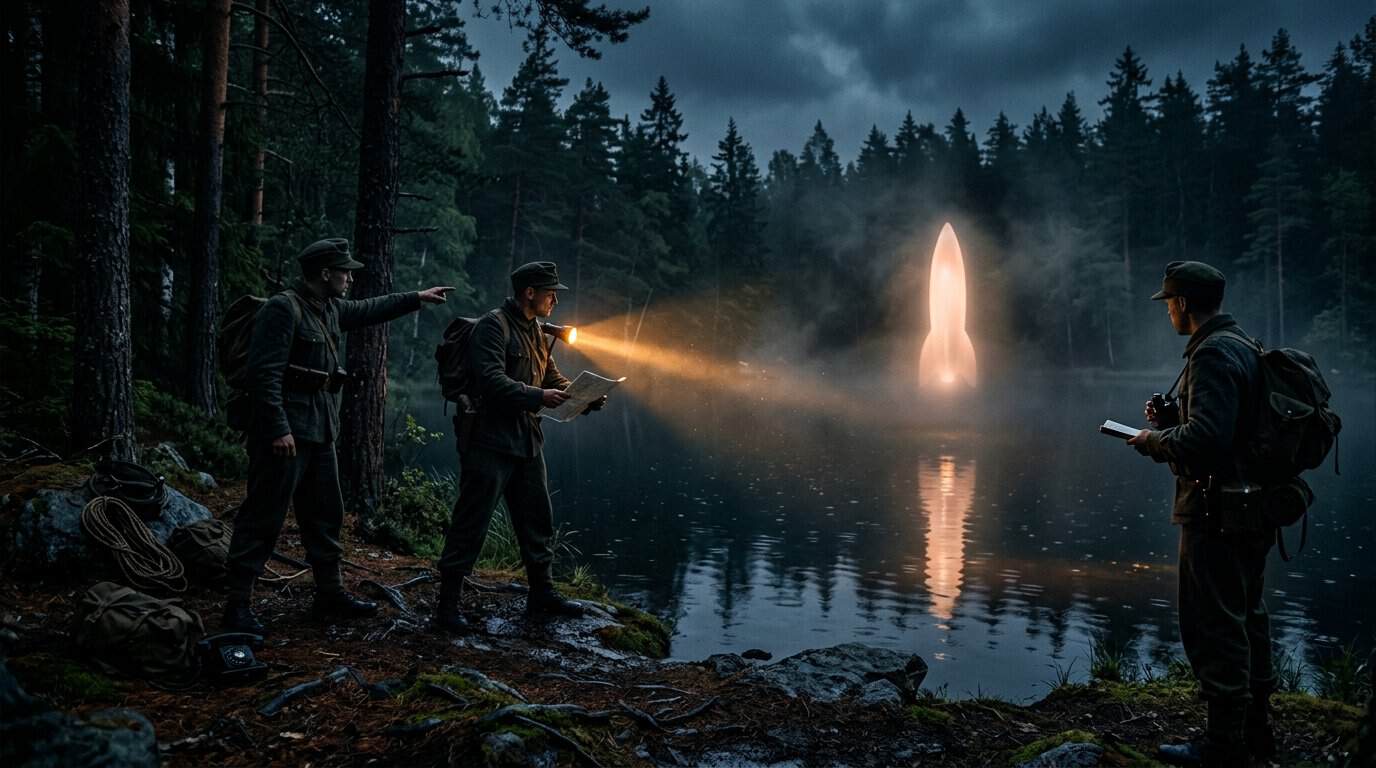
Swedish authorities treated the ghost rocket reports as a possible security concern because they appeared soon after World War II, when Europe was entering a tense new era. In 1946, Sweden was a neutral country surrounded by nations rebuilding their armed forces. Rumors about captured German rocket technology and growing Soviet power added to official unease. Reports of fast, luminous objects crossing restricted areas could not be dismissed as simple folklore, especially when witnesses described similar shapes and flight paths in different parts of the country. The Swedish military therefore began collecting reports, interviewing witnesses, and sending teams to search suspected landing sites.
Official records preserved by the Swedish National Archives show how seriously investigators examined the sightings. Searches covered lakes, forests, and areas where witnesses believed an object had fallen. Investigators compared accounts from soldiers, police officers, and civilians while considering ordinary explanations such as meteors, fireballs, aircraft, and fireworks. Despite numerous searches, no confirmed rocket, missile, spacecraft, or extraterrestrial vehicle was recovered. Many cases remained uncertain rather than solved. The episode remains a valuable early chapter in Cold War aerial mysteries, where careful records and unanswered witness accounts meet the limits of what investigators could prove.
Meteors Missiles Or Unknown Objects
The 1946 ghost rockets over Sweden did not all describe the same kind of event. Many reports began with bright, fast-moving lights during the night of May 23 to 24, a pattern that fits meteors and fireballs crossing the atmosphere. Aircraft, fireworks, and reflections could also have made ordinary objects appear unusually large or missile-shaped, especially when viewed from a distance. Swedish authorities gathered reports, interviewed observers, and examined possible debris, but no confirmed rocket, spacecraft, or extraterrestrial vehicle was recovered.
A smaller group of accounts was harder to explain, particularly reports of objects that seemed to travel low over lakes or change direction without the brief flash expected from a meteor. Swedish military investigators considered whether the sightings involved secret aircraft, experimental missiles, or technology connected to the tense postwar period, although no public evidence has proved that theory. The Swedish National Archives records the seriousness of the investigation while also showing how uncertain many individual reports remained. This is where the story connects with other historical mysteries, including early flying-saucer reports and wartime accounts of unexplained lights.
A visual comparison chart could show why no single answer fits every sighting. Meteors match speed and brightness, aircraft match controlled movement, fireworks match brief local displays, and military technology could explain a few low-flying or structured objects. The unexplained cases deserve attention, but they should not be treated as proof of extraterrestrial craft without physical evidence or reliable records. Taken together, the ghost rockets over Sweden are best understood as a mixed historical event, combining ordinary misidentifications with a smaller residue of genuinely unresolved observations. That balance leaves room for curiosity while keeping the evidence in view.
Conclusion On Sweden’s Ghost Rockets
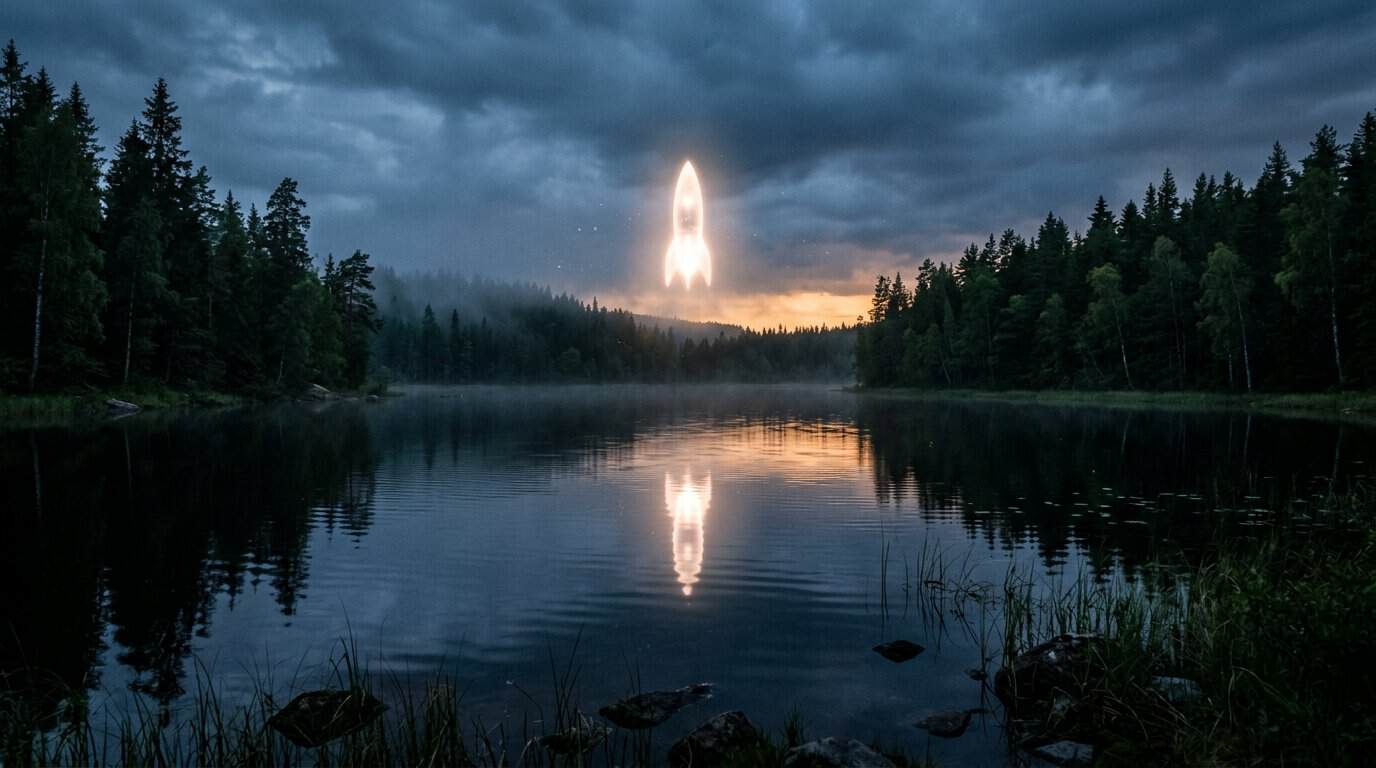
Sweden’s ghost rockets remain important because they form a well-documented chapter in early aerial-mystery history. The main wave began on May 23 to 24, 1946, when witnesses across Sweden reported bright, fast-moving objects that sometimes appeared shaped like rockets or missiles. Swedish authorities collected witness accounts and investigated possible debris, military activity, meteors, and other explanations. No confirmed rocket, missile, spacecraft, or extraterrestrial vehicle was recovered, but the records show that many observers genuinely believed they had seen something unusual.
The most likely explanation is mixed. Meteors, fireballs, aircraft, fireworks, and other misidentifications account for many reports, while a smaller group remained difficult to explain and may have involved low-flying technology that was unknown to the public at the time. That uncertainty gives the ghost rockets their lasting appeal without turning them into confirmed evidence of alien visitation. As readers explore related mysteries from the early flying-saucer era, one question remains open: do the strongest cases point to misidentification, secret technology, or a genuinely unknown phenomenon?
What the Ghost Rockets Left Unanswered
Ghost rockets over Sweden remain one of the most intriguing chapters in early aerial-mystery history. The main wave began on the night of May 23 to 24, 1946, when people across Sweden reported bright, fast-moving objects that sometimes appeared to resemble rockets or missiles. Reports also came from Finland, Norway, and Denmark, prompting Swedish authorities and military investigators to examine witness accounts, flight paths, and possible physical evidence. Despite the serious investigation, no confirmed rocket, missile, spacecraft, or extraterrestrial vehicle was recovered.
The evidence suggests that the mystery may have had more than one explanation. Many sightings were likely meteors, fireballs, aircraft, fireworks, or other objects viewed under unusual conditions. A smaller group remained difficult to explain and may have involved low-flying technology. That uncertainty connects the ghost rockets to later reports of flying saucers and other unexplained aerial events. For readers exploring related mysteries, the case offers a useful reminder that careful records can preserve questions even when they do not provide final answers. What do the remaining unexplained reports suggest about the limits of eyewitness evidence and the possibility of secret technology in the early postwar years?
Frequently Asked Questions
1. What were the ghost rockets Sweden sightings?
The ghost rockets were a wave of reports about bright, fast-moving objects seen over Sweden in 1946. Witnesses often described rocket-like shapes crossing the sky, while similar sightings were reported in Finland, Norway, and Denmark.
2. When did the ghost rocket mystery begin?
The main wave began on the night of May 23 to 24, 1946. The timing was significant because Europe was still recovering from World War II, and recent advances in rockets and military aircraft made unusual objects especially concerning.
3. What did witnesses say the objects looked like?
Reports described glowing forms that moved quickly across the sky, sometimes appearing metallic, cigar-shaped, or like rockets. Some witnesses claimed the objects flew low or seemed to enter lakes, although descriptions varied widely and many sightings lasted only a few seconds.
4. Did Sweden investigate the ghost rockets?
Yes. Swedish military authorities collected witness reports, examined possible landing sites, and considered whether the objects could be foreign weapons, experimental aircraft, or natural phenomena. No confirmed rocket, missile, spacecraft, or extraterrestrial vehicle was recovered.
5. What were the most likely explanations for the ghost rockets?
Many sightings can be explained by fireballs, meteors, aircraft, fireworks, or optical effects caused by darkness and distance. Swedish military records and later scientific assessments also leave a smaller group of reports that were difficult to identify, which makes it difficult to dismiss the entire mystery too easily.
6. Could the ghost rockets have been secret weapons?
A secret military explanation was considered seriously because the sightings occurred soon after the war, when rocket technology was advancing rapidly. However, no reliable evidence has connected the reports to a confirmed foreign missile test or experimental aircraft, and the available records do not establish a single technical cause.
7. Were the ghost rockets evidence of extraterrestrial visitors?
There is no verified evidence that the objects were extraterrestrial vehicles. Their unusual speed, shape, and reported movements keep the question open for some researchers, but eyewitness accounts alone cannot prove an alien origin, especially when natural and human-made explanations fit many cases.
8. Why does the ghost rocket mystery still matter today?
The case shows how eyewitness reports, military secrecy, new technology, and public fear can combine into a lasting mystery. It remains important because most sightings have reasonable explanations, while a smaller number still invite careful investigation rather than absolute certainty.