Spontaneous Human Combustion Explained: History, Science, and the Wick Effect
A badly burned body is found, yet the room shows little sign of a major fire. The mystery begins. These unsettling cases have long been called spontaneous human combustion, suggesting that a person can ignite without warning or an outside flame. Beneath the eerie stories lies a more practical question: did an overlooked ember, cigarette, heater, or electrical fault start a slow chain of events?
Modern forensic research offers a likely explanation called the “wick effect.” Clothing and body fat can help sustain a fire after an external source ignites it. This explanation accounts for much of the evidence, while a few historical cases still invite careful debate. The truth appears less supernatural than legend suggests, but it remains deeply disturbing.
Key Takeaways
- Spontaneous human combustion is not an established biological phenomenon; reported cases are better understood as unusual fire deaths involving an overlooked external ignition source.
- The wick effect explains how clothing can act like a candle wick while melted body fat sustains a slow, localized fire that severely damages the body but leaves nearby areas relatively intact.
- Forensic investigators assess burn patterns, clothing, furniture, electrical systems, heating equipment, smoking materials, airflow, and the victim’s condition to reconstruct how the fire began and spread.
- The mystery persists because historical scenes were often discovered after crucial evidence had been destroyed, allowing incomplete records and sensational reporting to turn ordinary fire hazards into supernatural legends.
Introduction to Spontaneous Human Combustion
In the early morning hours of 1951, investigators entered a Florida apartment and found a scene that seemed almost impossible. Most of a woman’s body had been destroyed by fire, while parts of the room remained far less damaged. The case, later associated with Mary Reeser, became one of the best-known reports of spontaneous human combustion. Similar accounts from earlier centuries described victims reduced to ash or grease-like residue, with nearby furniture strangely spared. These stories captured public attention because they seemed to challenge ordinary ideas about how fire behaves. They also left behind a haunting question: can a human body ignite without an outside flame?
For centuries, that question has drawn readers into the space between medical observation, folklore, and forensic investigation. Modern researchers have found no reliable evidence that a living person can burst into flames through a purely biological process. Yet unusual body fires can produce startling results. An unnoticed cigarette, candle, ember, heater, or electrical fault may begin the fire, while clothing and body fat help sustain it through what investigators call the wick effect. This explanation accounts for many details in reported cases, although incomplete evidence can leave room for debate. Spontaneous human combustion is therefore best treated as a description of an extraordinary fire event, and as a mystery worth examining with both curiosity and care.
Historical Cases of Spontaneous Human Combustion
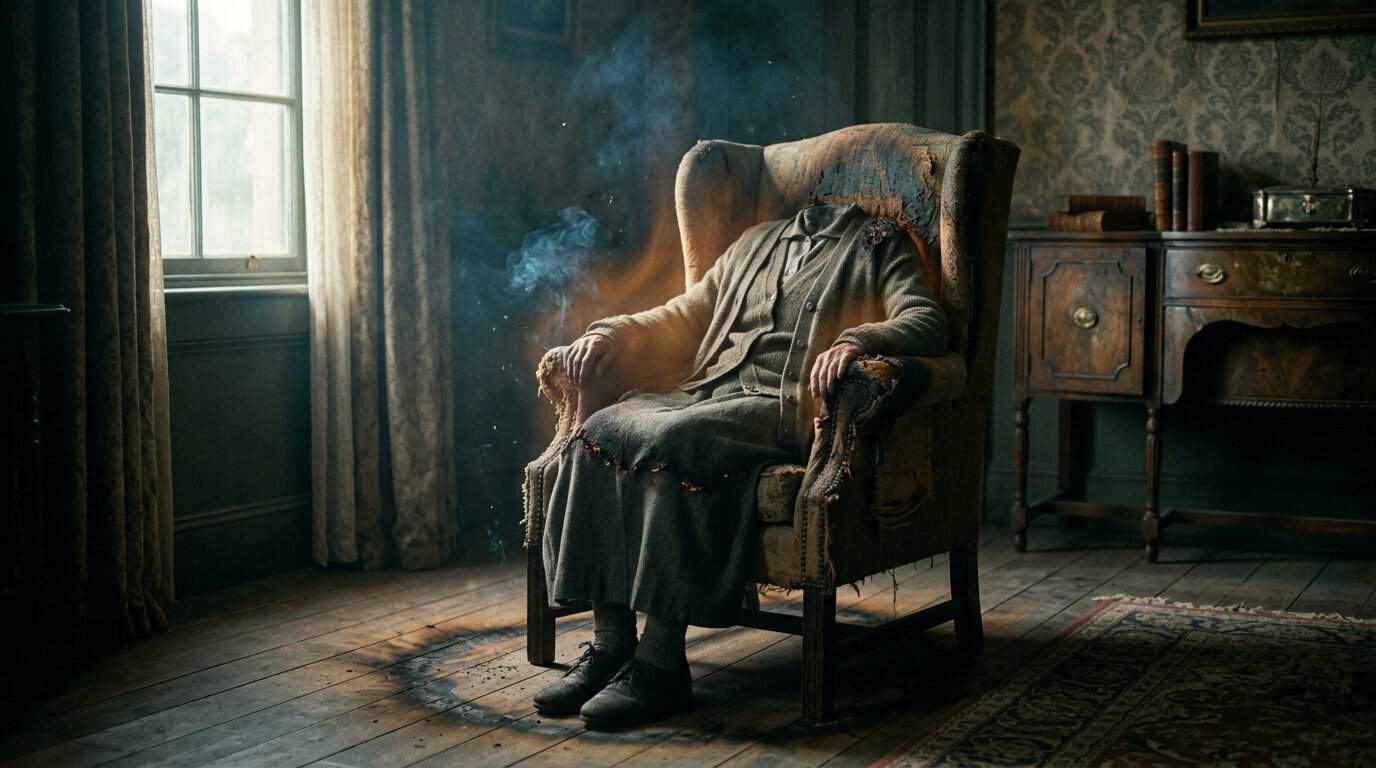
Early accounts of spontaneous human combustion appeared in medical writings and newspaper reports centuries before modern forensic science. One often-cited case involved Nicole Millet, a French woman whose death in 1725 was described by physician Jean-Jacques Bruhier as an unexplained burning. Later historians have questioned the details. Similar stories followed, usually describing a body badly burned while nearby furniture, floors, or clothing seemed to suffer less damage. Because many incidents happened indoors and without witnesses, the reports left room for both mystery and misunderstanding.
The most famous modern example is the 1951 death of Mary Reeser in St. Petersburg, Florida. Investigators found much of her body destroyed, with only parts of her remains left, while the surrounding room showed surprisingly limited fire damage. Newspapers treated the scene as possible evidence of spontaneous human combustion, but the case also involved ordinary hazards, including smoking materials and combustible furniture. No one saw the fire begin, making it impossible to establish the exact ignition source with certainty.
Across these cases, several details appear again and again: extensive damage to the torso, relatively intact hands or feet, limited destruction nearby, and an absence of eyewitnesses. Forensic researchers generally explain this pattern through the “wick effect.” Clothing or fabric soaked with body fat can burn slowly like a candle after an outside flame starts the fire. This explanation does not resolve every unanswered question, especially when historical records are incomplete, but it offers a testable account that does not require a body to ignite on its own. The enduring mystery lies less in proven spontaneous combustion than in how an overlooked flame, unusual room conditions, and incomplete evidence can produce such extraordinary scenes.
The Wick Effect and External Ignition
The “wick effect” offers a grounded explanation for many reports of spontaneous human combustion. After an external source, such as a cigarette, candle, heater, ember, or electrical fault, ignites clothing, the fabric can act like the wick of a candle. Melted body fat may soak into the cloth and serve as fuel, allowing a small flame to burn slowly for hours. The process can be summarized as follows: flame or ember → clothing wick → melted fat as fuel → low, steady fire.
This process can destroy much of the torso while leaving areas such as the hands, feet, or lower legs less damaged. The fire may remain localized because clothing holds the fuel close to the body, while limited airflow prevents a sudden room-wide blaze. Nearby furniture can also escape major damage, making the scene appear impossible at first glance. Forensic fire investigators therefore look closely for a missed ignition source, burn patterns, melted materials, and the position of the body before accepting a more mysterious explanation.
Historical accounts described these deaths as spontaneous because the original flame was often gone by the time anyone arrived. Modern reviews of unusual body fires, including research discussed in forensic medicine journals, have found no reliable evidence that a living person can ignite without an external source. The wick effect does not explain every detail in every case, and uncertainty can remain when records are incomplete. Even so, it shows how an ordinary spark can create a slow, hidden fire that later looks like one of the enduring mysteries of spontaneous human combustion.
Forensic Clues in Human Body Fires
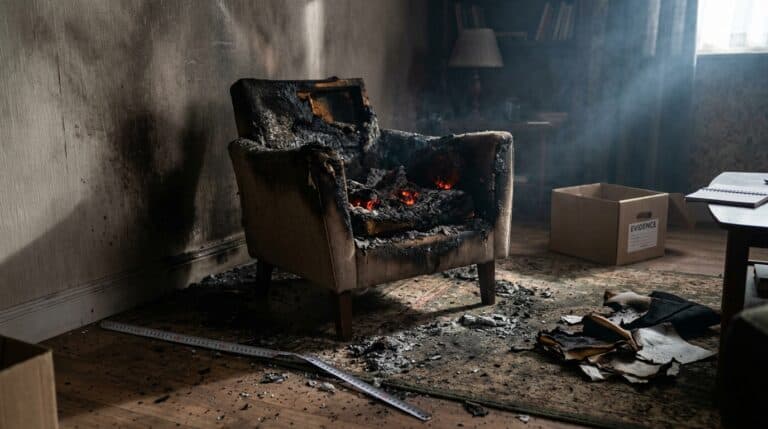
Investigators begin with the scene, not the legend. Burn patterns can show where heat was strongest, while damage to furniture, flooring, clothing, and nearby walls may reveal whether flames began at the body or spread from another object. A careful search looks for possible ignition sources, including a cigarette, candle, fireplace ember, heater, or electrical fault, even when the fire has destroyed the original evidence. Ventilation also matters. Open windows, doors, and air movement can shape the flames and explain why one area burned more severely than another.
The victim’s condition and the timeline can add important clues. If a person was asleep, intoxicated, ill, injured, or otherwise unable to escape, a small nearby fire could continue unnoticed for a long time. Clothing and body fat may then act as fuel through what is often called the wick effect, allowing a slow, localized burn that leaves parts of the room surprisingly intact. Investigators compare witness accounts, emergency calls, smoke alarms, and the pattern of damage to determine when the fire likely began and how it developed.
These details help explain why some cases were historically labeled spontaneous human combustion, especially when the body was badly damaged but the surrounding room showed limited fire damage. Yet modern forensic reviews have found no reliable evidence of a biological process that makes a living person ignite without an external source. The cases remain unusual and sometimes difficult to reconstruct, but the strongest evidence points to an overlooked ignition source, unusual fuel conditions, and a slow-burning fire rather than a mysterious human ability to combust.
Why the Combustion Mystery Persists
The mystery persists because early investigations often recorded the scene after the fire had erased its most important clues. A room might show little damage while the body was almost completely destroyed, making the event seem impossible to observers who expected nearby furniture to burn first. In many historical reports, investigators could not identify a cigarette, ember, candle, heater, or electrical fault, but the absence of evidence was later treated as evidence of something supernatural. A sustained “wick effect,” in which clothing and body fat help a fire burn slowly, offers a more ordinary explanation for this unusual pattern. Readers can compare this case with other unexplained deaths where missing evidence shaped the story.
Newspaper language also gave the legend a powerful second life. Headlines described victims as “bursting into flames” or “burned from within,” even when the original report only established that a body was found after a fire. Memory gaps added to the uncertainty, since witnesses may have left the room, slept through the first moments, or remembered smoke and heat differently after a frightening discovery. Historical medical claims then filled those gaps, turning a poorly documented fire into a possible biological phenomenon. Links to forensic misconceptions and historic medical claims can show how confident explanations sometimes grew faster than the evidence.
Modern forensic assessment does not confirm that a living person can ignite without an outside source, yet unusual fire scenes still leave legitimate questions about what happened first. Investigators must separate unanswered details, such as the missing ignition source or the timing of death, from scientific proof of spontaneous combustion. Reviews of reported cases generally find that an external flame followed by a wick effect better fits the known evidence, although every scene deserves careful examination rather than a quick conclusion. That balance keeps the mystery engaging without treating a dramatic label as a proven medical process. The question for readers is whether the legend survives because the events were truly extraordinary, or because the records never captured the crucial first few minutes.
Conclusion on Spontaneous Human Combustion
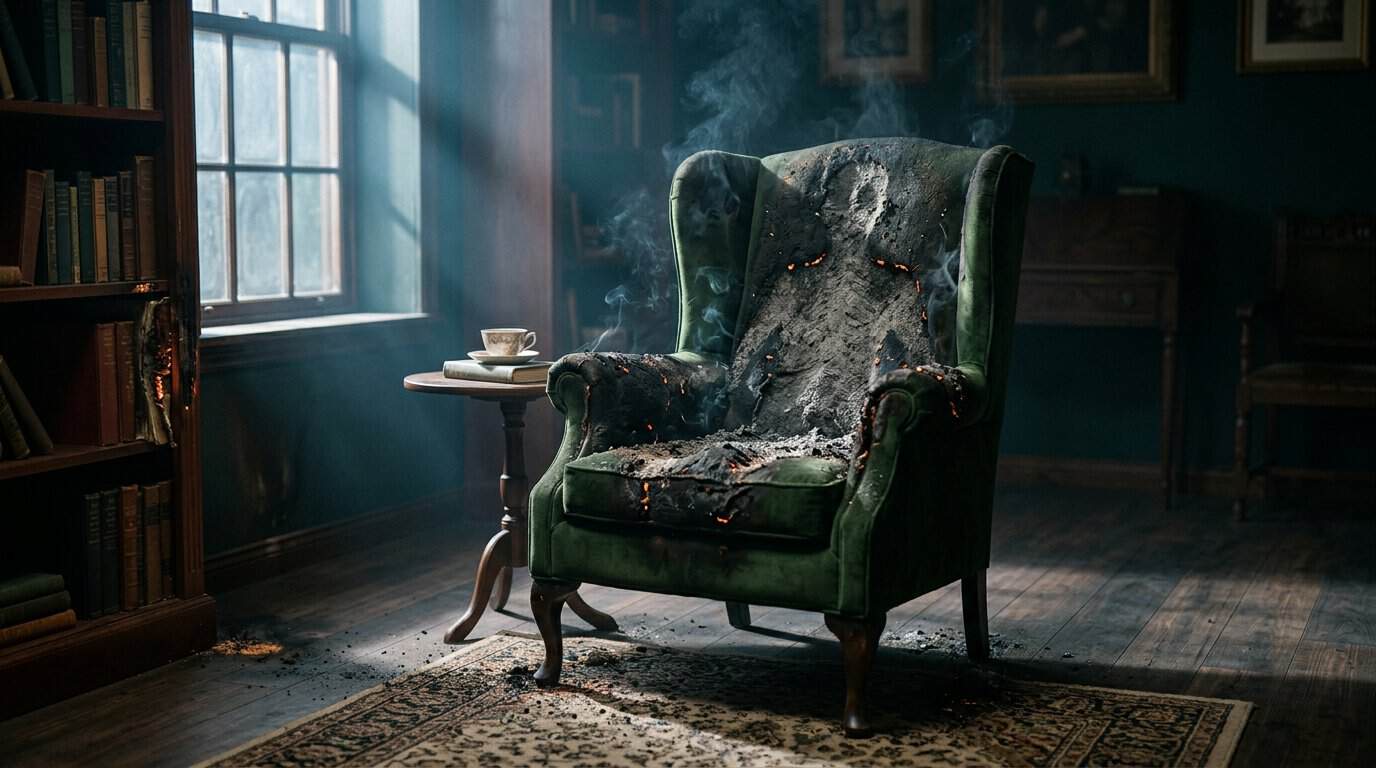
Spontaneous human combustion is best understood as a description of an unusual fire death, not as an established medical phenomenon. Historical reports often describe a body that was badly burned while nearby objects remained mostly intact, creating an image that seems to challenge ordinary fire science. Yet investigators have found that an unnoticed source, such as a cigarette, candle, fireplace ember, heater, or electrical fault, may start the blaze. Once clothing and body fat begin to burn slowly, the “wick effect” can sustain the fire and help explain the strange patterns left behind.
That explanation does not erase every mystery surrounding these cases, especially when old records are incomplete or key evidence was lost before modern forensic methods existed. It does, however, offer a stronger foundation than the claim that a living person can ignite without an external source. The most responsible view keeps the historical accounts compelling while separating genuine unanswered questions from conclusions unsupported by reliable evidence. Which historical case seems most puzzling to readers, and can mystery remain compelling without requiring anyone to reject the evidence?
What Science Reveals About Spontaneous Human Combustion
Spontaneous human combustion remains one of history’s most unsettling medical mysteries, but current science has found no reliable evidence that a living person can ignite without an outside source. Historical reports often describe bodies badly burned while nearby furniture suffered less damage, details that helped keep the mystery alive. Forensic investigators now generally explain these scenes through the wick effect. Clothing acts like a wick, while body fat helps sustain a slow, localized fire after ignition by a cigarette, candle, ember, heater, or electrical fault. The original source may be overlooked or destroyed, leaving behind an event that appears impossible.
That explanation does not make every case simple. Incomplete records, unusual burn patterns, and uncertain timelines still invite careful examination. Spontaneous human combustion is therefore best viewed as a label for extraordinary and poorly understood fire deaths, rather than a proven biological process. Historical medical journals and modern forensic analysis can separate documented facts from the most dramatic theories while preserving the curiosity that made these stories endure. As new evidence is weighed, readers can decide which part remains most compelling: the limits of human knowledge, or the possibility that some cases still hold an unanswered clue.
Frequently Asked Questions
1. What is spontaneous human combustion?
Spontaneous human combustion is the reported burning of a person without an obvious outside flame or ignition source. Historical accounts describe severe damage to the body with limited damage to nearby objects, but no reliable scientific evidence proves that a living person can ignite through a purely biological process.
2. Can a human body really catch fire on its own?
There is no confirmed evidence that the human body can burst into flames without an external source of heat. An overlooked cigarette, candle, ember, heater, or electrical fault can start a slow fire that later appears mysterious because the original ignition source was destroyed.
3. What is the wick effect?
The wick effect is a forensic explanation for many alleged spontaneous human combustion cases. Clothing can act like a candle wick, while melted body fat serves as fuel, allowing a small fire to burn slowly and intensely in one area over several hours.
4. Why might a body be badly burned while the room remains mostly intact?
A slow, localized fire can consume clothing and body fat without producing the intense flames expected from a room-wide blaze. Furniture near the victim may suffer limited damage if the fire stays low, burns for a long time, and is partly contained by clothing or surrounding materials.
5. What happened in the Mary Reeser case?
In 1951, investigators found Mary Reeser severely burned in her Florida apartment, while much of the room remained far less damaged. The case became a famous example of alleged spontaneous human combustion, but an unnoticed ignition source, such as a cigarette, remains a more likely explanation than a fire beginning inside her body.
6. What evidence do investigators look for in these cases?
Investigators examine burn patterns, electrical systems, heating equipment, smoking materials, candles, clothing, furniture, and the victim’s position. They also look for melted materials, ash deposits, airflow clues, and signs that could reveal whether a small outside flame started the fire.
7. Why are some victims reduced to ash or grease-like remains?
Long-burning fires can destroy much of the body, especially when body fat feeds the flames through the wick effect. The remaining material may include brittle bone fragments, soot, and melted fat, creating the unusual ash or grease-like appearance described in historical reports.
8. Are any spontaneous human combustion cases still unexplained?
Some cases remain uncertain because the scene was discovered late, evidence was incomplete, or investigators could not identify the first ignition source. Uncertainty does not prove a supernatural cause, but it leaves room for careful debate about how fire, clothing, body fat, and the surrounding room interacted.