Borley Rectory Haunting: History, Evidence, And The Harry Price Debate
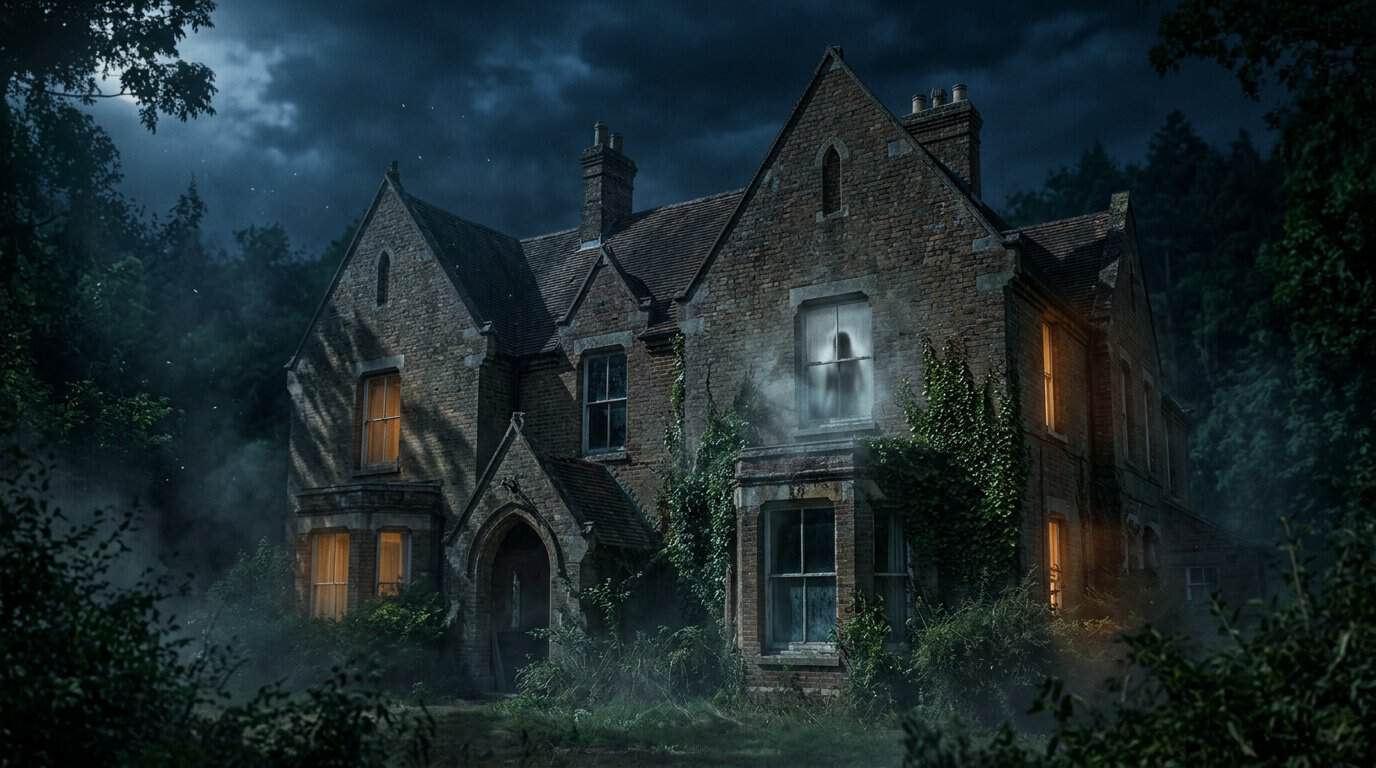
For more than a century, the Borley Rectory haunting has remained one of Britain’s best-known ghost stories. Strange sounds, mysterious messages, and reports of a spectral nun drew newspapers, investigators, and curious visitors to the Essex rectory. Yet behind the legend lies a more difficult question: were these events evidence of something paranormal, or did rumor, human error, and sensational reporting shape the story?
Borley Rectory burned in 1939 and was demolished five years later, leaving no house to examine today. What remains is a tangled historical record shaped by conflicting witnesses and serious questions about investigator Harry Price’s methods. The case still invites careful curiosity, particularly where the surviving evidence ends and the unexplained begins.
Key Takeaways
- Borley Rectory became one of Britain’s best-known ghost stories through reports of footsteps, lights, bells, moving objects, messages, and a spectral nun, but these accounts do not constitute accepted scientific proof of paranormal activity.
- Harry Price transformed a local legend into a national sensation, yet critics later questioned his investigative methods, witness reliability, and the influence of sensational journalism on the evidence.
- Natural explanations—including building movements, wind, plumbing, pranks, suggestion, and faulty memory—could account for at least some reported incidents, while inconsistent records leave a small number unresolved.
- The rectory’s destruction by fire in 1939 and demolition in 1944 prevent modern testing, so Borley remains best understood as a mixture of possible unexplained experiences, folklore, human behavior, and media-driven storytelling.
Borley Rectory’s Early Reports
Borley Rectory was built in 1863 for the Reverend Henry Dawson Ellis Bull, the first rector of the parish. The large Victorian home soon became the setting for stories of footsteps moving through empty rooms and corridors, although the earliest reports survive mainly through family recollections and later local accounts. Residents also described unexplained lights, ringing bells, and objects that seemed to move or fly without an obvious cause. These incidents created a growing sense that the rectory was unusual, but they did not provide scientific proof of a haunting.
As the stories spread, the rectory gained one of its most memorable figures: a spectral nun said to appear near the grounds or along the road. The account was often linked to a tragic tale about a nun from a former religious community, yet that part of the story appears to have developed through later retelling rather than clear records from the 1860s. Newspapers and visitors helped turn scattered reports into a recognizable legend, blending firsthand testimony with folklore. Later investigations, including work by Harry Price, brought fresh attention to the case while also raising questions about the reliability of witnesses and the methods used to document events.
The early history of Borley Rectory is best understood as a mixture of recorded claims, family tradition, and an expanding local legend. The building was destroyed by fire in 1939 and demolished in 1944, so modern accounts cannot test the original setting directly. No accepted scientific evidence has shown that ghosts caused the reported activity. Even so, the combination of footsteps, lights, bells, thrown objects, and the nun story explains why Borley remains central to British paranormal history. Readers can compare its evidence and folklore with other British ghost stories while considering where documentation ends and storytelling begins.
Harry Price And The Haunting Claims
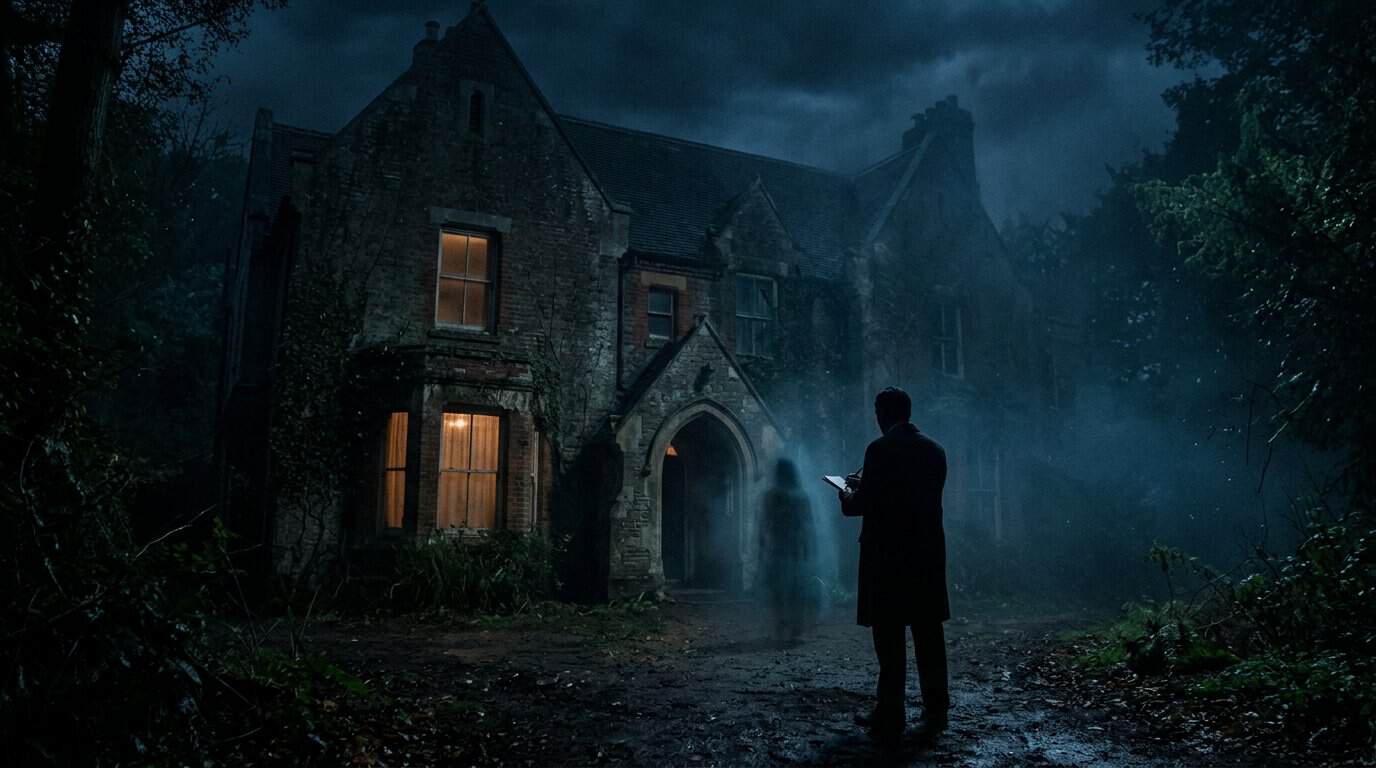
Harry Price turned the Borley Rectory haunting from a local story into a national sensation. After reading newspaper reports in 1929, he visited the Essex rectory and began collecting accounts of phantom footsteps, strange lights, ringing bells, and messages said to appear on walls. His later séances, public talks, newspaper articles, and book, The Most Haunted House in England, gave the case a vivid narrative that captured public attention. For many readers, Price seemed to offer a rare chance to study a haunting as it unfolded. However, the growing publicity also made it harder to separate original testimony from stories shaped by expectation.
In 1937, Price arranged what was presented as an official investigation, recruiting observers to stay at the rectory and record unusual events over an extended period. The inquiry produced reports of movement, unexplained sounds, thrown objects, and written messages, but it did not establish that ghosts caused them. Critics later questioned the observers’ experience, the investigation’s conditions, and Price’s methods. Some witnesses gave conflicting accounts or may have misunderstood ordinary events in a tense setting. Later researchers, including members of the Society for Psychical Research, argued that the evidence had been overstated and that newspaper coverage encouraged further embellishment.
Even so, the Borley Rectory haunting remains important because it shows how early paranormal research, personal belief, and mass journalism could reinforce one another. Price may have encountered genuinely puzzling incidents, yet his dramatic presentation and the press’s appetite for stories about a famous haunted house weakened confidence in the record. With the rectory destroyed by fire in 1939 and demolished in 1944, the debate now rests on documents, memories, and competing interpretations rather than fresh investigation. Does the surviving evidence suggest an unexplained haunting, a chain of ordinary events, or a mixture of both?
Evidence Behind The Borley Haunting
Reports from the Borley Rectory haunting grew over several decades, from stories of a phantom nun and strange lights to ringing bells, thrown stones, and messages appearing on walls. Some accounts came from residents and visitors, while others were recorded or publicized by investigator Harry Price, whose 1940 book helped make the building famous. The reports create a compelling historical record, but they do not always agree on dates, witnesses, or what was actually observed. That uncertainty leaves room for curiosity while making the evidence difficult to test.
Several ordinary causes could explain at least some of the incidents. Wind, shifting timbers, falling masonry, plumbing, and the movement of a large old building may have produced knocks, footsteps, or rattling objects. Pranks could account for planted messages and disturbed items. Suggestion may also have shaped what visitors expected to see, while later retellings could have changed memories as newspaper stories made the haunting more dramatic. These possibilities do not prove that every report was a hoax, but they show how natural events, human behavior, and sensational reporting might combine to create a powerful ghost story.
Later reviews connected with the Society for Psychical Research examined the case and raised serious concerns about witness testimony and Price’s investigative methods. Researchers including Eric Dingwall, Kathleen Goldney, and Trevor Hall questioned whether some incidents had been exaggerated, misremembered, or staged. They also noted that the surviving records were too inconsistent to settle every detail. Borley Rectory was destroyed by fire in 1939 and demolished in 1944, so modern investigators cannot recreate the setting or independently test many claims. The haunting therefore remains an intriguing historical mystery, but no accepted scientific evidence confirms that ghosts caused the reported events.
Fire, Demolition, And Historical Legacy
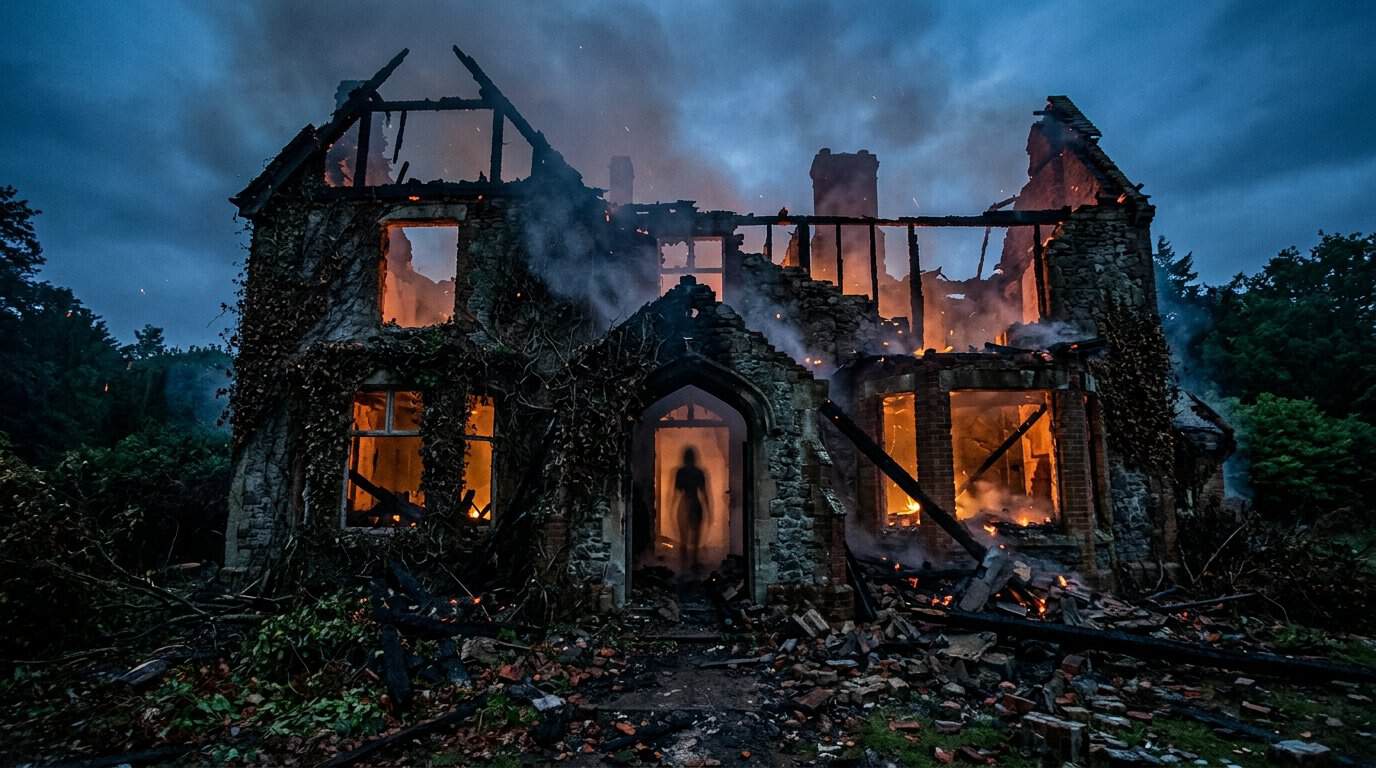
On February 27, 1939, Borley Rectory caught fire, bringing a dramatic end to the building’s long reputation for strange events. Reports said that an oil lamp was found overturned in an upstairs room, although the exact cause of the blaze was never settled. Some accounts treated the incident as another possible sign of the haunting, while more cautious interpretations pointed to an accident, poor building conditions, or uncertain testimony. The ruined rectory stood for several more years before it was demolished in 1944, leaving only photographs, plans, and fragments of historical record to mark its place.
| Date | What happened |
|---|---|
| 1863 | Borley Rectory was built in Essex. |
| February 27, 1939 | Fire destroyed the building after a reportedly overturned oil lamp was discovered. |
| 1944 | The remaining structure was demolished. |
| After 1944 | Books, newspapers, and archival research kept the case in public debate. |
The building’s destruction did not end the Borley Rectory haunting because its story had already entered books, newspaper archives, and early paranormal research. Harry Price’s investigations helped make the case famous, but later researchers questioned his methods and highlighted conflicting accounts from witnesses. Those disputes have not produced accepted scientific evidence of ghosts, yet they have made Borley a valuable landmark in the history of paranormal investigation, where belief, journalism, memory, and evidence meet. Today, archival photographs and a careful timeline allow readers to explore the case alongside other classic ghost investigations while asking whether the haunting reflected something unexplained, a series of ordinary events, or both.
What Borley Rectory’s Haunting Left Behind
The Borley Rectory haunting remains one of England’s most enduring ghost stories because it brings together reported apparitions, strange sounds, written messages, and years of public investigation. Built in 1863 and destroyed by fire in 1939 before its demolition in 1944, the rectory can no longer be examined as an active site. Historians must rely on photographs, newspaper accounts, letters, and witness testimony. Investigator Harry Price helped make the case famous, but later researchers questioned his methods and the reliability of some reported events. Those disputes do not prove that every experience was fabricated, yet they show how memory, expectation, publicity, and storytelling can shape a haunting narrative.
For that reason, Borley Rectory is valuable even without accepted scientific evidence of ghosts. It offers a glimpse into early paranormal research while showing why extraordinary claims require careful comparison of records, motives, changing accounts, and possible ordinary explanations. The case may preserve genuine experiences that witnesses could not explain, even if later retellings added drama and certainty. Readers can decide whether the Borley Rectory haunting is best understood as paranormal history, social folklore, or a mixture of unexplained experiences and human storytelling.
Frequently Asked Questions
1. What was the Borley Rectory haunting?
The Borley Rectory haunting refers to more than a century of reports from a Victorian rectory in Essex, including footsteps, ringing bells, strange lights, moving objects, messages, and a spectral nun. The story became one of Britain’s best-known ghost cases, although the surviving evidence combines witness memories, local folklore, newspaper reports, and later investigations.
2. When did the strange activity at Borley Rectory begin?
Borley Rectory was built in 1863 for Reverend Henry Dawson Ellis Bull, and stories of unusual sounds and movements soon became linked with the house. The earliest accounts mostly survive through family recollections and later local reports, so the exact dates and details remain difficult to verify.
3. Was there really a ghostly nun at Borley Rectory?
Several accounts described a nun-like figure near the rectory or along the nearby road. The story was later connected to a tragic tale involving a religious community, but clear records from the 1860s do not confirm that event. Folklore and later retelling appear to have helped shape the legend.
4. What evidence was reported inside Borley Rectory?
Residents and visitors reported footsteps in empty rooms, unexplained lights, ringing bells, objects that appeared to move, and mysterious written messages. These reports created a compelling pattern, but they were not recorded under controlled conditions. Natural causes, human activity, misunderstanding, or something harder to explain therefore remain possible.
5. Who was Harry Price, and what did he discover at Borley Rectory?
Harry Price was a prominent psychical investigator who brought national attention to Borley Rectory through investigations, public demonstrations, and published accounts. His work helped preserve the case, but later critics, including members of the Society for Psychical Research and investigator Trevor Hall, questioned his methods, the reliability of some reports, and the possibility of hoaxes.
6. Did Borley Rectory burn down because of paranormal activity?
Borley Rectory burned in 1939, after which the ruined building was demolished in 1944. The fire added a dramatic final chapter to the haunting, but no reliable evidence proves that paranormal activity caused it. Ordinary explanations, such as an accident or deliberate human action, remain possible.
7. Can Borley Rectory be visited today?
The original rectory no longer exists, so visitors cannot explore the haunted house itself. The surrounding Essex area and the site’s historical record still provide a way to understand the case, especially when compared with other abandoned-house mysteries and documented reports of unexplained activity.
8. Was the Borley Rectory haunting real or a hoax?
The evidence does not support a simple answer. Some witnesses may have experienced events they genuinely could not explain, while rumor, suggestion, pranks, faulty memories, and sensational reporting likely shaped the larger legend. Borley remains intriguing because the surviving record leaves room for both human explanations and a small number of incidents that remain unresolved.