
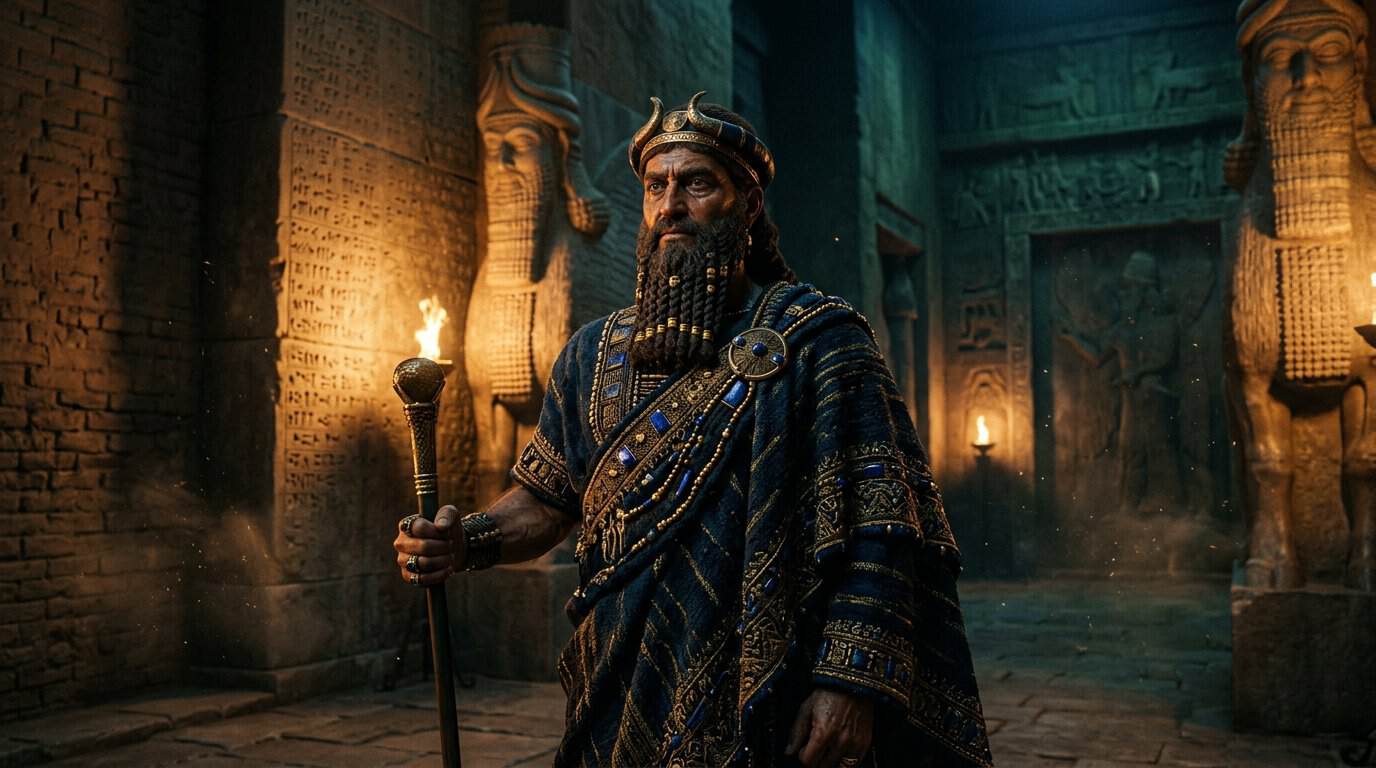
Sargon Of Akkad And The Birth Of The First Empire
Thousands of years ago, a baby was placed in a wicker basket and set adrift on the Euphrates River, a humble beginning for the man who would become Sargon of Akkad. Known today as Sargon the Great, he rose from the position of a simple gardener’s son to become the world’s first true emperor. By toppling kings and uniting scattered city-states, he created a massive, multinational empire that changed the course of human history forever.
His life is a blend of documented military conquest and incredible legends that feel more like myth than reality. While historians track his path from the city of Kish to the shores of the Mediterranean, many wonder if there was a divine or mysterious force behind his meteoric rise. Exploring his story reveals a leader who was not just a warrior, but a visionary who redefined what it meant to rule the ancient world.
Key Takeaways
- Sargon of Akkad established the world’s first true multinational empire by replacing independent city-state loyalties with a professional standing army of over five thousand soldiers.
- The ‘Sargon Legend’ of a baby set adrift in a reed basket predates the biblical story of Moses by centuries, establishing a mythological blueprint for leaders who rise from humble origins through divine favor.
- Sargon pioneered the use of organized religion as a political tool by appointing his daughter, Enheduanna—the world’s first known named author—as High Priestess to unify Sumerian and Akkadian cultures.
- The Akkadian Empire revolutionized ancient governance by centralizing power in the capital of Agade and standardizing trade and law across diverse territories from Anatolia to the Persian Gulf.
The Basket And The River Origin Myth
Long before the famous story of Moses appeared in historical texts, the Sargon Legend told of a baby born in secret to a high priestess. To protect her child, his mother placed him in a reed basket sealed with waterproof bitumen and set him adrift on the Euphrates River. The infant was eventually discovered by a humble gardener named Akki, who rescued the boy and raised him as his own son. This narrative highlights a classic mythological theme where a child of mysterious or divine origin is hidden away only to fulfill a grand destiny. It suggests that Sargon was chosen by the gods from birth to overcome his lowly status and eventually rule the world.
While working as a simple gardener, Sargon reportedly gained the favor of Ishtar, the powerful goddess of love and war. This supernatural endorsement allowed him to rise through the ranks of the royal court in the city of Kish, eventually serving as the cup bearer to King Ur Zababa. Historical documents like the Sumerian King List and various neo Assyrian tablets describe his transition from a servant to a conqueror who unified all of Mesopotamia. The blending of his humble beginnings with such a meteoric rise creates a sense of wonder about whether his success was due to political skill or divine intervention. It is fascinating to consider how these ancient tales of baskets and rivers may have influenced the foundational stories of other cultures and religions for centuries to come.
Do you think the similarities between Sargon’s origin story and later biblical accounts are just a coincidence, or did this ancient legend set the blueprint for how we define a great leader?
Forging The First Multinational Akkadian Empire
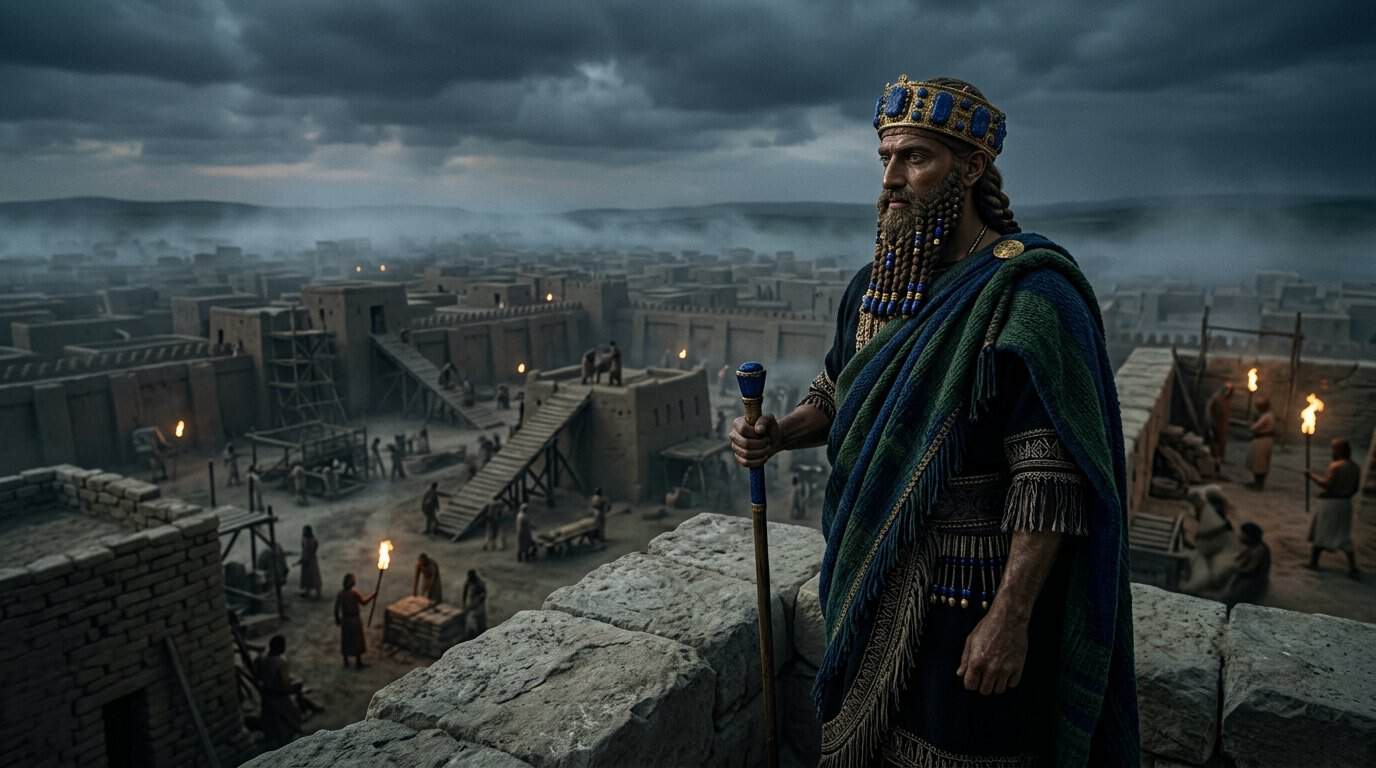
Sargon of Akkad did not just build an empire through luck, but rather through a revolutionary approach to warfare that changed history forever. He is credited with establishing the world’s first professional standing army, a force of over five thousand soldiers who were loyal to him rather than to individual city-states. This military machine allowed him to march across Mesopotamia, systematically defeating the powerful Sumerian kings who had ruled for centuries. By dismantling the walls of conquered cities and centralizing power in his new capital of Agade, Sargon proved that a single leader could govern diverse peoples under one banner. His conquests eventually stretched from the silver mines of Anatolia to the shores of the Persian Gulf, creating a multinational empire that the world had never seen before.
The rise of this legendary conqueror is inextricably linked to supernatural folklore that mirrors some of the most famous stories in human history. According to ancient texts like the Sargon Legend, his mother was a high priestess who hid her pregnancy and set her newborn adrift in a reed basket on the Euphrates River. This mythic beginning, which predates the biblical account of Moses by centuries, suggests that Sargon was viewed as a figure chosen by the gods for greatness. Ancient scribes recorded that the goddess Ishtar loved him, providing him with divine favor as he rose from being a humble cup-bearer to a king of kings. These tales blend historical military achievements with a sense of destiny, leaving us to wonder how much of his sudden rise was due to tactical genius and how much was fueled by the powerful myths he cultivated.
While modern historians rely on archaeological evidence like the Victory Stele of Sargon to document his reign, the line between man and myth remains fascinatingly thin. Sargon’s ability to unify fiercely independent cities like Uruk and Ur suggests a charismatic authority that bordered on the divine. He took the title of King of the Universe, a bold claim that reflected his unprecedented control over different cultures and languages. This era marked the birth of human history and imperial identity, where standardizing trade and law began to flow across borders that were once defined by constant warfare. Was Sargon simply a brilliant general who knew how to use propaganda, or was there a deeper, perhaps unexplained force behind his meteoric ascent to power?
Enheduanna And The Divine Legacy Of Akkad
Sargon of Akkad understood that holding a vast empire required more than just military might, so he turned to the power of the divine to solidify his rule. To bridge the gap between his Akkadian heritage and the established Sumerian traditions, he appointed his daughter, Enheduanna, as the High Priestess of the moon god Nanna in the city of Ur. This was a brilliant political move that blended human governance with heavenly authority, making the king’s will seem like a divine mandate. By placing his own flesh and blood in such a sacred position, Sargon ensured that the religious heart of the empire beat in rhythm with his own throne. Historians and archaeologists often point to this event as one of the first recorded instances of using organized religion to maintain central political control.
Enheduanna did not just serve as a figurehead, but instead became the world’s first known author to sign her name to her creative works. She wrote beautiful hymns and poems, such as the Exaltation of Inanna, which helped to merge the qualities of different goddesses into a single, powerful figure that mirrored her father’s unified empire. Her writings were so influential that they were copied and studied by scribes for centuries after her death, long after the Akkadian Empire itself had crumbled into the desert sands. This literary legacy suggests that the myths surrounding Sargon were not just stories, but a carefully crafted reality designed to elevate his family to a near-mythical status. The blending of her poetic genius with her father’s legendary origins created a supernatural aura that made the dynasty feel eternal and chosen by the gods.
The relationship between Sargon and Enheduanna shows how the lines between history and folklore often blur when a leader claims a connection to the miraculous. Just as Sargon’s own birth story of being found in a basket mirrors later biblical tales, the works of his daughter provided a spiritual blueprint for how an empire should function under one divine sky. While skeptics might see this as simple propaganda, the sheer beauty and longevity of Enheduanna’s poetry hint at a deep, genuine belief in the mystical forces they claimed to represent. It leaves us wondering if the rise of Akkad was merely a result of clever politics, or if there was something truly extraordinary about this family that allowed them to change the course of human history. Do you think Sargon’s success was due to his daughter’s influence, or was his empire always destined to be shrouded in the supernatural?
The Enduring Mystery Of Lost Agade
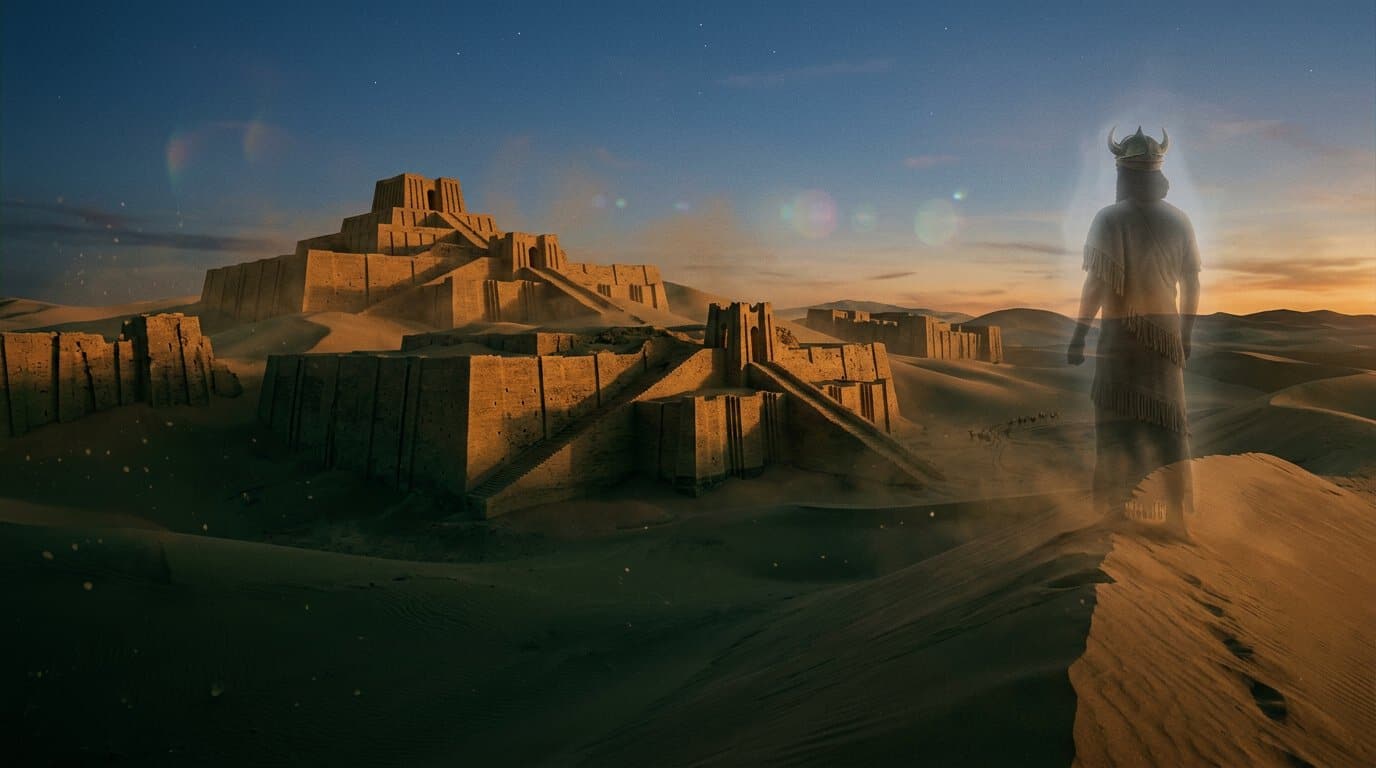
The location of Agade remains one of the greatest unsolved mysteries of the ancient world, as the once-mighty capital of Sargon has never been found by modern archaeologists. While historical records describe it as a bustling center of wealth and power, the city seemingly vanished from the map after the fall of the Akkadian Empire. Some researchers believe the ruins are buried deep beneath the shifting silts of the Tigris or Euphrates rivers, while others suggest the site was so thoroughly destroyed by invaders that nothing remains. This physical disappearance has only added to the supernatural aura surrounding Sargon, turning his earthly kingdom into a ghostly legend. The fact that the first great empire’s heart is missing allows the line between historical reality and mythic folklore to blur significantly.
Sargon himself was a figure who bridged the gap between man and god, with his life story mirroring the heroic patterns found in later traditions like the biblical account of Moses. According to the ancient Sargon Legend, he was a child of mystery born to a priestess and set adrift in a basket of reeds on the river. This narrative of a humble gardener rising to become a divinely chosen ruler helped shape the concept of kingship for every civilization that followed in Mesopotamia. Future kings looked back at Sargon not just as a political predecessor, but as a semi-divine archetype who possessed the favor of the gods. By blending his military conquests with these miraculous origins, Sargon ensured that his legacy would survive in the realm of mythology even if his capital stayed hidden.
This transition from a historical ruler to a legendary icon suggests that there may be more to the story of Agade than simple brick and mortar. The ancient Sumerian King List and various Babylonian chronicles treat Sargon with a level of reverence that borders on the religious, often attributing his success to the direct intervention of the goddess Ishtar. As we continue to search for the physical remains of his lost city, we must also consider how much of our understanding is shaped by the intentional folklore created to cement his power. Was Agade a real place that fell to time, or has it become a symbolic “lost city” that represents the very birth of human empire? We want to hear your thoughts on this ancient puzzle, so do you believe Agade is still waiting to be discovered, or has it been lost to the myths of time forever?
The Legend and Legacy of History’s First Emperor
Sargon of Akkad remains one of the most enigmatic figures of the ancient world because his life story reads more like a heroic myth than a standard royal record. The parallels between his basket journey down the Euphrates and later biblical narratives suggest that his rise was viewed as a moment of divine intervention. Whether he was truly a child of destiny or a brilliant commoner who crafted a legendary backstory to justify his rule, his impact is undeniable. He transformed a collection of independent city states into the world’s first true empire, changing the course of human civilization forever. This blend of historical conquest and supernatural folklore ensures that his name continues to spark wonder thousands of years after his city of Agade vanished into the desert sands.
The debate over Sargon’s true nature often divides those who see a master of political propaganda and those who believe in a more mystical calling. His ability to rise from a humble gardener’s ward to the cup bearer of a king, and eventually to a supreme emperor, required a level of genius that felt otherworldly to his subjects. By claiming the favor of the goddess Ishtar, he bridged the gap between the earthly and the divine, making his political authority seem like a cosmic necessity. This strategy allowed him to maintain control over diverse populations who might have otherwise rebelled against a standard conqueror. Even today, historians struggle to unlock the vault of myth to find the man underneath the legend.
What do you think was the secret behind the Great Sargon’s unprecedented success in Mesopotamia? Was he a master strategist who used the “Sargon Legend” as a clever tool to win the hearts of the people, or is it possible that his rise was guided by forces we do not fully understand? The similarities between his origins and other famous figures in folklore suggest a recurring pattern in how humanity remembers its greatest leaders. We invite you to join the conversation and share your perspective on whether Sargon was a man of the people or a ruler chosen by the gods. Your insights help us explore the thin line where history ends and mythology begins.
Frequently Asked Questions
1. Who was Sargon of Akkad and why is he called Sargon the Great?
Sargon of Akkad was a visionary leader who rose from humble beginnings to become the world’s first true emperor. He earned the title Sargon the Great by uniting scattered city-states into a massive, multinational empire that forever changed the course of human history.
2. Is the story of Sargon being found in a basket a true historical event?
The Sargon Legend describes a baby placed in a reed basket on the Euphrates River, a story that predates the similar account of Moses. While historians view this as a classic mythological theme, it suggests that Sargon’s rise was destined by the gods to lead him from a lowly status to total power.
3. How did a gardener’s son become a powerful king?
According to ancient records like the Sumerian King List, Sargon’s journey began in the city of Kish where he served as a cup bearer to King Ur Zababa. His meteoric rise was fueled by his incredible ambition and the reported favor of Ishtar, the goddess of love and war.
4. What role did the goddess Ishtar play in Sargon’s life?
Ancient texts suggest that Sargon gained the supernatural endorsement of Ishtar while working as a simple gardener. This divine connection provided him with the spiritual authority and military confidence needed to topple existing kings and claim his own throne.
5. What was the extent of the Akkadian Empire’s reach?
Sargon built a sprawling empire that stretched from the heart of Mesopotamia all the way to the shores of the Mediterranean Sea. He moved beyond simple conquest to create a unified government that successfully managed diverse cultures and vast territories.
6. Where can we find historical evidence of Sargon’s reign?
Much of what we know comes from the Sumerian King List and various Neo Assyrian tablets that document his military victories and royal lineage. These ancient records blend documented facts with legendary tales, leaving us to wonder where the man ends and the myth begins. Just as Sargon’s story challenges our view of history, other relics like the Baghdad Battery continue to spark debate about the true extent of ancient technological understanding.