
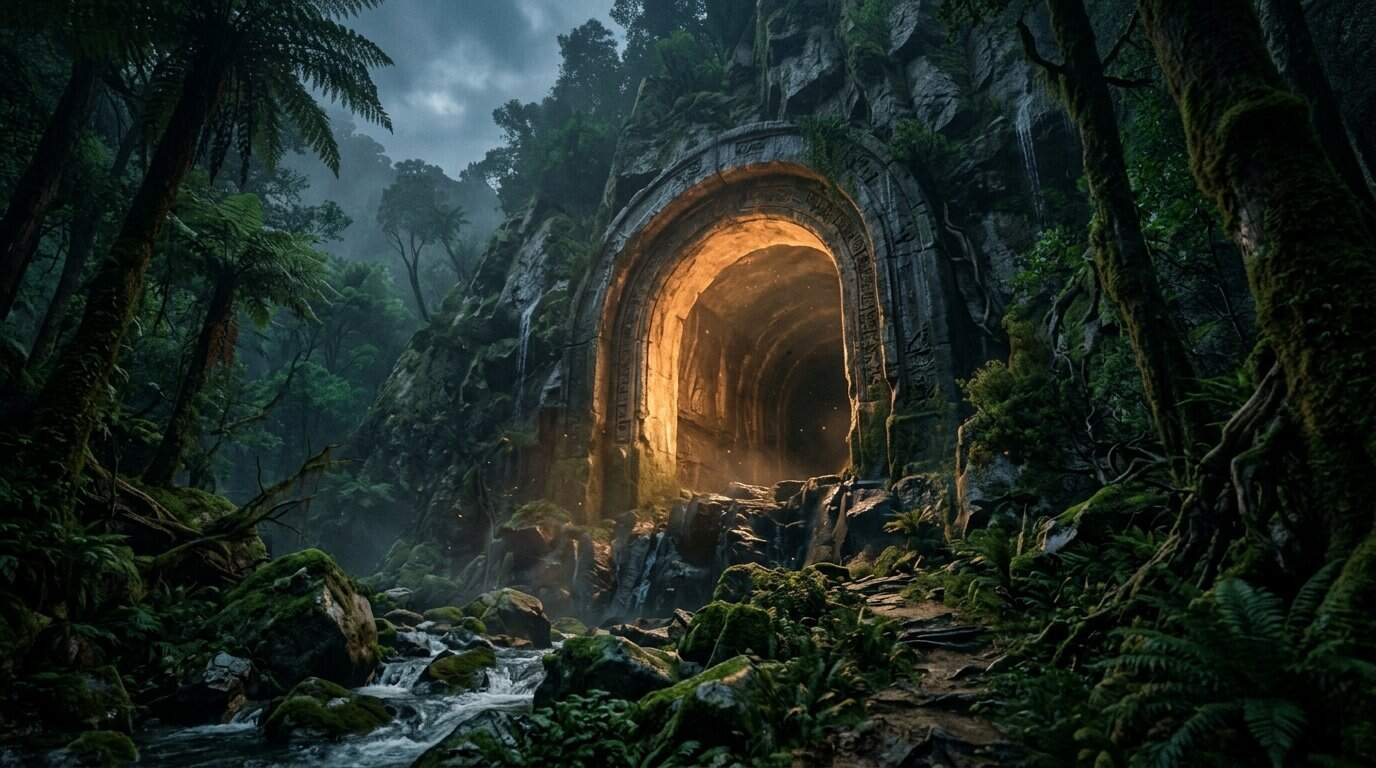
The Quest For The Hidden Agartha Entrance To The Inner World
Deep beneath the feet of every traveler lies a mystery that has baffled explorers and occultists for centuries. While modern maps depict a world of rock and magma, legends persist of a hidden agartha entrance leading to a majestic kingdom within the Earth. This subterranean realm is said to be lit by an internal sun, housing an advanced civilization that has remained untouched by the chaos of the surface world.
The search for this inner world blends ancient folklore with the daring accounts of early 20th-century adventurers. From the snowy peaks of the Himalayas to the desolate reaches of the North Pole, theorists continue to track clues left behind by historical figures and spiritual guides. Whether these gateways are physical tunnels or energetic portals, the enduring quest for Agartha challenges our understanding of the planet we call home.
Key Takeaways
- Agartha is a legendary subterranean kingdom lit by an internal sun and inhabited by an advanced civilization that has mastered superior technology and spiritual wisdom.
- Historical accounts from occultists like Alexandre Saint-Yves d’Alveydre and explorers like Ferdinand Ossendowski suggest that a vast network of tunnels connects the surface world to this hidden realm.
- Primary physical gateways to this inner world are believed to be located in high-altitude or remote regions, specifically the Himalayan peaks near the Potala Palace and the shifting sands of the Gobi Desert.
- Modern researchers use satellite imagery and historical flight logs, such as those from Admiral Richard E. Byrd, to identify potential polar openings or geological anomalies that challenge standard planetary science.
Occult Origins Of The Subterranean Kingdom
The modern legend of Agartha began to take shape during the late 19th century through the influential writings of French occultist Alexandre Saint-Yves d’Alveydre. He claimed to have gained secret knowledge about a hidden kingdom where a highly advanced civilization thrived deep beneath the Earth’s crust. According to his accounts, this subterranean world was governed by a wise leader known as the Pontiff King who maintained a library of all human knowledge. Saint-Yves d’Alveydre described a society that had mastered technology and spirituality far beyond the reach of the surface world. This narrative provided a fascinating bridge between ancient spiritual myths and the growing curiosity of the Victorian era.
Ferdinand Ossendowski further expanded on these mysterious claims in his early 20th century travel logs while recounting his journey through Central Asia. He spoke of local legends regarding a vast network of tunnels and a hidden kingdom that supposedly stretched beneath the entire planet. His descriptions painted a vivid picture of an inner world illuminated by a glowing central sun that provided eternal light and warmth. This environment was said to be filled with lush vegetation and exotic animals that had long been extinct on the surface. These accounts suggested that the inner earth was not a dark or cold void but a vibrant sanctuary for enlightened beings.
While modern science describes our planet as a solid sphere with a liquid core, these historical accounts continue to fuel the imagination of those searching for a hidden Agartha entrance. The idea of a central sun and a breathable atmosphere deep underground challenges our standard understanding of geology and physics. Many enthusiasts believe that these early writers were not just creating fiction but were documenting genuine oral traditions passed down through generations. These stories suggest that there is much more to our world than what we see on the horizon. Does the possibility of a secret civilization living beneath our feet change the way you look at the ground beneath you?
Sacred Gateways Within The Himalayan Peaks
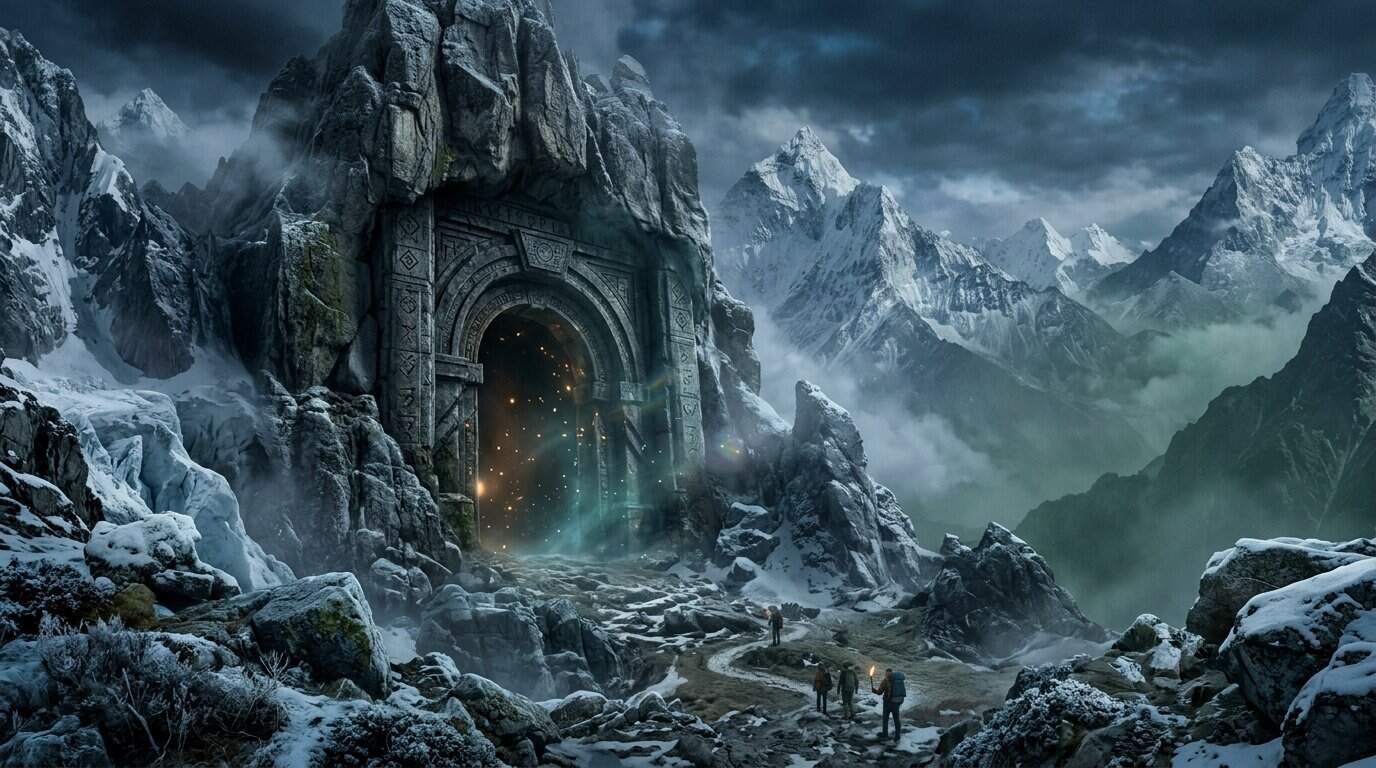
The majestic peaks of the Himalayas have long been whispered to hold the most sacred gateways to the kingdom of Agartha. For centuries, spiritual seekers and local residents have looked toward the Potala Palace in Lhasa, Tibet, as a primary point of interest. Legends suggest that deep beneath this architectural marvel lies a complex network of tunnels that lead directly to the inner world. This connection to the subterranean realm is deeply woven into the cultural fabric of the region, where the idea of an advanced civilization living beneath the crust is treated with great reverence. Explorers from around the world have been drawn to these mountains, hoping to find the physical threshold between our surface world and the enlightened society of the Ascended Masters.
Beyond the icy heights of Tibet, the vast and shifting sands of the Gobi Desert are said to conceal another major entrance to this hidden world. Early 20th century figures like Ferdinand Ossendowski and Nicholas Roerich documented accounts from local people who spoke of Shambhala and Agartha as tangible places reachable through desert caves. These stories describe sudden shifts in the atmosphere and strange lights that suggest a doorway to a more advanced, subterranean environment. While modern geography focuses on the solid core of our planet, the persistent lore of the Gobi suggests that some parts of the Earth may hold secrets that defy traditional mapping. This desert landscape remains a focal point for those who believe that the path to Agartha is protected by both physical distance and spiritual barriers.
The enduring mystery of these locations invites us to reconsider what might exist beneath our feet. While standard science provides a clear picture of the Earth’s interior, the historical accounts and cultural traditions of the East offer a different perspective on the possibilities of life underground. Each expedition into the Himalayas or the Gobi adds a new layer to the narrative of a world illuminated by a central sun and inhabited by wise beings. Whether these gateways are physical tunnels or symbolic thresholds, they continue to spark our curiosity about the unknown. Do you believe that ancient structures like the Potala Palace could truly be hiding a path to an inner civilization, or are these simply beautiful metaphors for spiritual discovery?
Modern Expeditions And Hollow Earth Cartography
In the age of high-resolution satellite imagery and global positioning systems, the search for a hidden Agartha entrance has moved from dusty libraries to digital forums. Modern researchers meticulously scan satellite coordinates, looking for unusual geometric shadows or blurred patches near the North and South Poles. These digital explorers often point to the work of early twentieth-century figures like Ferdinand Ossendowski, who claimed that secret gateways to an inner world were guarded by ancient protectors. By layering old maps over modern topographical data, enthusiasts attempt to find anomalies that might suggest a hollow space beneath the crust. While geography tells us the Earth is a solid sphere, the persistent search for these mythical portals keeps the spirit of discovery alive in our well-mapped world.
The fascination with hollow earth cartography often centers on the mysterious flights of Admiral Richard E. Byrd, whose expeditions to the poles are frequently cited in esoteric circles. Some researchers believe his private journals contained descriptions of lush, green valleys hidden behind frozen mountain ranges that lead directly into the kingdom of Agartha. These theories suggest that certain coordinates are intentionally obscured by government agencies to hide the existence of an advanced civilization living under a central sun. Even though standard scientific evidence points to a liquid outer core, the enduring mystery of the hollow earth theory remains a compelling narrative for those who believe the surface is only half the story. This blend of historical documentation and modern skepticism creates a unique space where the unexplained can still flourish.
Finding a hidden Agartha entrance would undoubtedly change everything we know about planetary science and human history. Many proponents look toward the Himalayas or the vast stretches of the Gobi Desert, citing local legends of Agharta that have existed for centuries before modern technology. These stories describe enlightened beings who retreated underground to preserve ancient wisdom from the chaos of the surface world. Whether these entrances are physical tunnels or energetic portals remains a topic of spirited debate among those who study the fringe. As we continue to peer into the deepest corners of our planet, the question remains whether we are looking for a literal doorway or a deeper connection to the mysteries of the earth itself. What do you think lies beneath the crust, and could a secret civilization truly remain hidden in the digital age?
The Lasting Mystery of Earth’s Hidden Heartland
The enduring legend of Agartha serves as a powerful bridge between ancient wisdom and the modern human desire for discovery. This hidden kingdom represents more than just a physical location, acting as a symbol for the vast mysteries that may still lie beneath our feet. While modern science provides a clear map of the Earth’s crust, the stories of enlightened beings and a central sun continue to spark the imagination of researchers and dreamers alike. These narratives suggest that our world is far more complex than what we see on the surface. By exploring these subterranean myths, we tap into a shared cultural heritage that refuses to let the sense of wonder fade away.
Mapping the potential gateways to this inner world has become a global pursuit for those who believe the truth is waiting to be uncovered. From the icy reaches of the North Pole to the high peaks of the Himalayas, various landmarks have been identified as possible points of entry. These locations often carry their own historical weight, blending local folklore with modern sightings and unexplainable geological anomalies. Whether these entrances are physical tunnels or spiritual portals, they represent a doorway to a civilization that has supposedly mastered peace and advanced technology. The search for Agartha reminds us that the spirit of exploration is alive and well in the digital age.
The mystery of the subterranean world invites everyone to look at the globe with a fresh sense of curiosity and skepticism. Each legendary site offers a unique perspective on how an advanced society might thrive in total isolation from the surface. Some theorists point toward the dense jungles of the Amazon, while others look to the bottomless pit legends of North America as the most logical starting points. If a secret gateway to an enlightened civilization truly exists, its location would likely be hidden in plain sight, much like the secrets of Derinkuyu that remained buried for centuries. Which global landmark or natural wonder do you believe is the most likely candidate for a secret entrance to the kingdom of Agartha?
Frequently Asked Questions
1. What exactly is Agartha?
Agartha is a legendary kingdom said to exist deep within the Earth’s crust, lit by its own internal sun. It is described as a peaceful realm housing a highly advanced civilization that has mastered both technology and spiritual wisdom.
2. Where are the most likely locations for a hidden Agartha entrance?
Explorers and theorists often point toward the North and South Poles as primary locations for these gateways. Other popular theories suggest entrances are tucked away in the snowy peaks of the Himalayas or hidden within vast cave systems in Central Asia.
3. Who first brought the legend of Agartha to the modern world?
The French occultist Alexandre Saint-Yves d’Alveydre popularized the concept in the late 19th century after claiming he received secret knowledge about the kingdom. His work described a subterranean society governed by a wise leader known as the Pontiff King.
4. Is there any historical evidence of people searching for this kingdom?
Ferdinand Ossendowski documented accounts of a vast underground network during his travels through Central Asia in the early 20th century. His reports of local legends regarding hidden tunnels fueled global interest in finding a physical path to the inner world.
5. Are the entrances to Agartha physical tunnels or something else?
While many adventurers look for physical openings in the rock, some spiritual guides believe these entrances are actually energetic portals. These gateways might only be accessible to those who have reached a specific level of consciousness or spiritual frequency.
6. How does the idea of Agartha fit with modern science?
Modern geology views the Earth as a solid structure of rock and magma, which contrasts with the hollow Earth theory. However, the mystery persists because large portions of the Earth’s deepest caverns remain unexplored by human eyes.