The Mongolian Death Worm: Exploring The Gobi Desert’s Deadliest Cryptid
Deep in the shifting sands of the Gobi Desert, nomadic herders have long whispered stories of a creature as bizarre as it is terrifying. Known to locals as the olgoi-khorkhoi, or “large intestine worm,” the legendary Mongolian death worm is said to lurk just beneath the sun-baked dunes. Eyewitnesses describe a blood-red, sausage-shaped beast measuring up to five feet long, moving silently with no visible head, eyes, or mouth. While mainstream science has yet to capture a living specimen, the sheer volume of consistent encounters passed down through generations suggests there is genuine truth hiding in the sand.
For decades, explorers have scoured the harsh terrain hoping to find physical proof of this elusive invertebrate. The creature’s bizarre anatomy, appearing completely truncated at both ends, defies conventional biology, leaving researchers to wonder what kind of animal could survive in such an unforgiving environment. Whether it is a highly adapted desert snake or an entirely undiscovered species, the enduring reality of this crimson cryptid continues to captivate those willing to look beyond the strict boundaries of modern science.
Key Takeaways
- The Mongolian death worm, or olgoi-khorkhoi, is a legendary cryptid in the Gobi Desert described as a two- to five-foot, blood-red invertebrate with no discernible head or face.
- Local folklore claims this featureless creature can kill from a distance by spitting highly corrosive venom and discharging lethal electric shocks.
- While mainstream science has yet to capture a specimen, biologists suggest sightings may actually be misidentified encounters with rare desert reptiles like the Tartar sand boa or legless worm lizards.
- Despite a lack of physical evidence, decades of consistent eyewitness accounts and historic expeditions continue to fuel the search for this elusive desert predator.
Anatomy Of The Olgoi-Khorkhoi
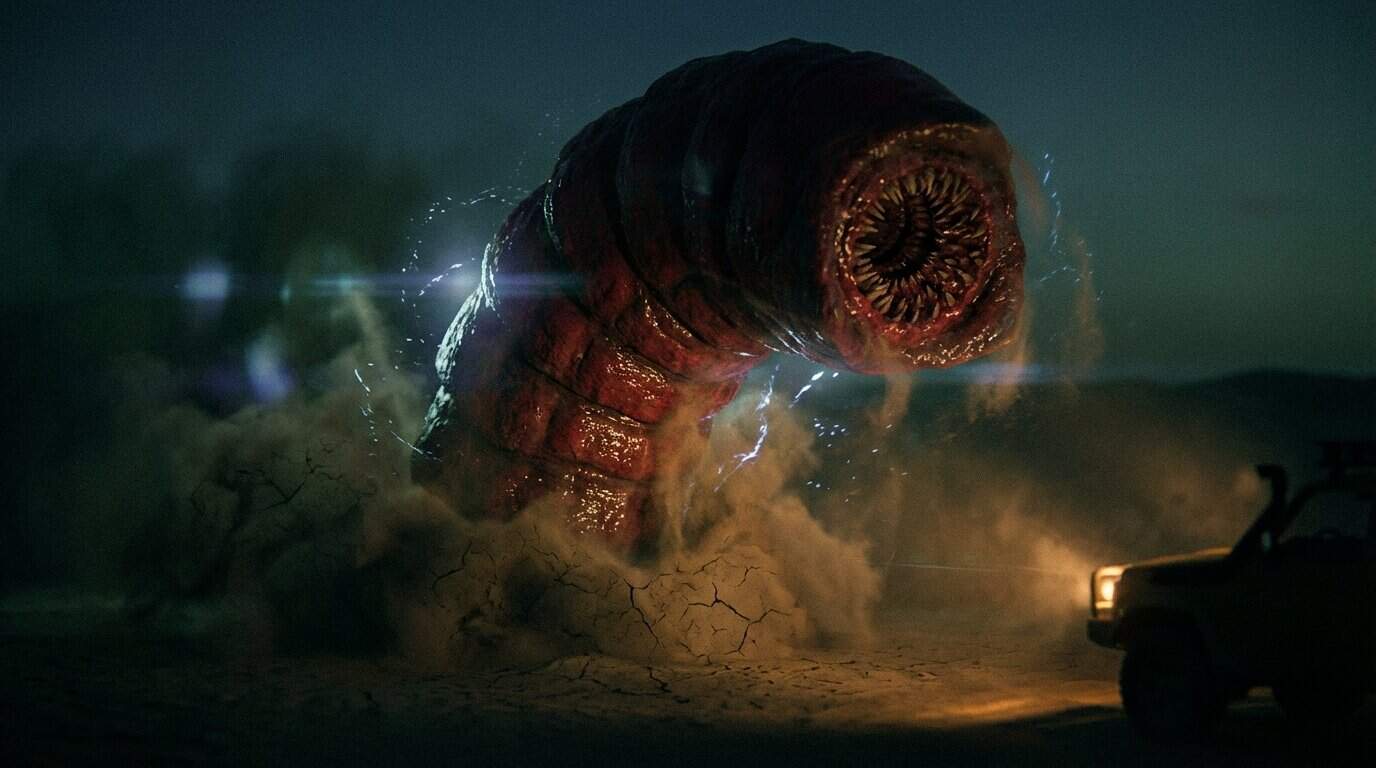
According to generations of nomadic folklore, the Mongolian death worm possesses an appearance that is as bizarre as it is terrifying. Known to locals as the olgoi-khorkhoi, which translates directly to large intestine worm, this creature allegedly looks exactly like the slick, blood-red internal organs of a cow. Eyewitness accounts gathered by cryptozoologist Karl Shuker describe a thick, sausage-shaped invertebrate measuring anywhere from two to five feet in length. It is said to have no discernible head, eyes, or mouth, leaving it looking abruptly truncated at both ends. This featureless design makes it incredibly difficult to tell which direction the beast is facing as it slithers beneath the Gobi Desert sands.
The truly frightening aspect of the olgoi-khorkhoi lies in its legendary methods of attack. Local legends warn that getting too close can be instantly fatal, even without a physical bite. The creature is reportedly capable of spitting a highly corrosive yellow venom that sizzles on contact and melts through flesh and metal alike. If that is not enough to deter predators, folklore also claims the worm can discharge a lethal electric shock from a distance. These extraordinary defense mechanisms allow the blind, limbless animal to strike down much larger prey or unfortunate travelers without ever needing to touch them.
While mainstream science remains highly skeptical of an acid-spitting desert worm, the field of speculative biology offers some fascinating possibilities. We already know of marine animals like electric eels that generate massive electrical charges, and certain beetles can spray boiling, toxic chemicals. It is entirely possible that an unverified desert species evolved similar adaptations to survive in one of the harshest environments on Earth. Perhaps the harsh sands of the Gobi hide a highly specialized reptile or amphibian that simply got exaggerated through centuries of oral tradition. Do you think the olgoi-khorkhoi is a completely mythical beast, or could an undiscovered creature with these terrifying traits actually be hiding beneath the dunes?
Historic Hunts For The Desert Cryptid

Western fascination with the elusive Mongolian death worm began in the early twentieth century when daring explorers ventured into the harsh Gobi Desert. American explorer Roy Chapman Andrews first introduced the terrifying creature to the outside world in his 1926 book, On the Trail of Ancient Man. He learned about the olgoi-khorkhoi directly from Mongolian officials who described a deadly, sausage-shaped beast that could kill a person from a distance. Although Andrews himself did not believe the stories, his writings sparked a lasting curiosity among monster hunters and scientists alike. This initial documentation transformed a localized nomadic legend into a global cryptid mystery that demanded further investigation.
Decades later, the search for the desert crawler gained renewed momentum thanks to the relentless efforts of Czech cryptozoologist Ivan Mackerle. During the 1990s and early 2000s, Mackerle led multiple expeditions deep into the shifting sands to gather firsthand accounts from local herders. He collected chilling stories of a thick, red worm that spent most of the year hibernating before emerging during the rainy months of June and July. To draw the creature out from beneath the dunes, Mackerle even used a motorized thumper machine designed to create heavy vibrations in the ground. While he never captured physical proof of the beast, his extensive research provided the most detailed modern record of the phenomenon.
Today, the trail of the Mongolian death worm remains a compelling puzzle for those who refuse to dismiss these deeply rooted cultural stories. Mainstream science suggests the sightings might simply be misidentified sand boas or legless lizards, but these explanations fail to account for the electrical or venomous attacks described by locals. It is entirely possible that an undiscovered, highly specialized creature is still hiding beneath the vast expanse of the Gobi Desert. The sheer volume of matching eyewitness reports across generations makes it difficult to completely write off the legend as pure fantasy. Cryptozoology enthusiasts and skeptics alike must debate what is truly hiding beneath the dunes, and whether modern technology will ever capture this legendary monster on camera.
Scientific Explanations And Desert Reptiles
When researchers look for logical answers to the legend of the Mongolian death worm, they often turn to the fascinating world of speculative biology. Many wildlife experts suggest that sightings of the blood-red, sausage-shaped monster might actually be misidentified encounters with rare desert reptiles. The Tartar sand boa is frequently brought up by biologists as a prime suspect for these terrifying encounters. This snake burrows deep beneath the shifting sands of the Gobi Desert and can suddenly strike at its prey from below. While a typical sand boa lacks the legendary ability to spit acid or shoot electricity, its sudden appearance from the dunes could easily startle a lonely traveler into believing they just saw a monster.
Another fascinating candidate in the search for the truth is a bizarre group of creatures known as legless worm lizards. Also called amphisbaenians, these strange reptiles look remarkably like giant earthworms and have no easily visible eyes or distinct heads. According to stories passed down by nomadic herders, the dreaded olgoi-khorkhoi is famous for looking exactly like a cow intestine with no clear front or back. It is very possible that a highly adapted, undiscovered species of worm lizard is currently hiding in the harshest, unexplored regions of the desert. Since the Gobi covers over half a million miles of extreme terrain, mainstream science cannot completely rule out the existence of a massive, unrecorded reptile creeping beneath the surface.
Blending local folklore with modern biology creates a thrilling puzzle for cryptozoologists and nature lovers alike. Even if the Tartar sand boa or a giant worm lizard inspired the original tales, neither animal fully explains the deadly venom or electrical shocks described in eyewitness accounts. Nature is full of surprises, and animals like the electric eel prove that bizarre defense mechanisms are entirely possible in the wild. The vast isolation of the Mongolian wilderness leaves plenty of room for an unknown, terrifying predator to thrive just out of sight. Do you think the Mongolian death worm is simply a case of mistaken identity, or could a deadly, undiscovered species really be swimming through the desert sands?
A Desert Monster Still Evading Modern Science
The legend of the Mongolian death worm continues to captivate the imaginations of explorers and cryptid enthusiasts around the globe. Known locally as the olgoi-khorkhoi, this creature perfectly blends ancient nomadic folklore with the tantalizing possibilities of speculative biology. For generations, tales of a blood-red, sausage-shaped monster with no distinct head or eyes have echoed across the harsh environment of the Gobi Desert. While mainstream science has yet to capture a live specimen, the sheer volume of consistent eyewitness accounts makes it hard to dismiss the stories entirely. Perhaps a highly adapted, venomous animal truly has managed to evade modern biology in one of the most remote places on Earth.
The vast, shifting sands of the Gobi Desert offer the perfect hiding place for an elusive predator that rarely comes to the surface. As scientists continue to discover new species in extreme environments, the idea of a two to five foot subterranean invertebrate surviving in the deep dunes feels increasingly plausible. The mystery of the Mongolian death worm reminds humanity that the world still holds unexplored corners and closely guarded secrets. Now, the floor is open for discussion about this captivating cryptid. Do you believe an undiscovered monster could truly be hiding in the desert sands, or is this legendary creature simply a fascinating piece of cultural mythology?
Frequently Asked Questions
1. What is the Mongolian death worm?
The Mongolian death worm is a legendary creature said to live beneath the sands of the Gobi Desert. Known to local nomadic herders as the olgoi-khorkhoi, this mysterious beast resembles the blood-red internal organs of a cow. While mainstream science has not officially captured one, countless generations of consistent eyewitness accounts suggest a very real creature hides in the dunes.
2. What does the olgoi-khorkhoi look like?
Eyewitnesses describe a thick, sausage-shaped beast that measures anywhere from two to five feet long. It has a slick, blood-red body with no visible head, eyes, or mouth. Because both ends look abruptly cut off, it is incredibly difficult to tell which direction the creature is facing as it moves.
3. Where does this mysterious creature live?
This elusive cryptid makes its home deep within the shifting sands of the Gobi Desert. The harsh, sun-baked environment provides a perfect hiding place for the worm to slither just beneath the surface. Explorers have spent decades searching this unforgiving terrain in hopes of finding physical proof of its existence.
4. Why is it called the large intestine worm?
The local name olgoi-khorkhoi translates directly to large intestine worm in English. Nomadic folklore gave it this title because the creature looks exactly like the slick, dark red internal organs of a cow. Its thick, fleshy appearance and lack of distinct facial features make the comparison surprisingly accurate.
5. Is there any scientific proof that the Mongolian death worm exists?
Mainstream science has yet to capture a living specimen or find definitive physical proof. However, researchers and cryptozoologists like Karl Shuker have gathered a massive volume of consistent eyewitness accounts. The sheer number of these detailed encounters points to the thrilling possibility that an undiscovered species truly survives in the desert.
6. Could this creature just be a known animal in disguise?
Many researchers wonder if the beast might actually be a highly adapted desert snake or a unique type of legless lizard. Surviving in such an extreme environment requires bizarre biological adaptations that might easily confuse a surprised traveler. Yet, the persistent tales of its featureless, truncated body keep the door wide open for the discovery of an entirely new animal.
7. How does the Mongolian death worm move through the desert?
Local legends claim the creature slithers silently just beneath the surface of the loose sand. Its featureless design allows it to navigate the dunes without the need for traditional sensory organs like eyes or a distinct mouth. This strange biology only adds to the mystery, leaving experts to guess exactly how it hunts and survives in the wild.