Vanished Into Thin Air: The Flannan Isles Disappearance
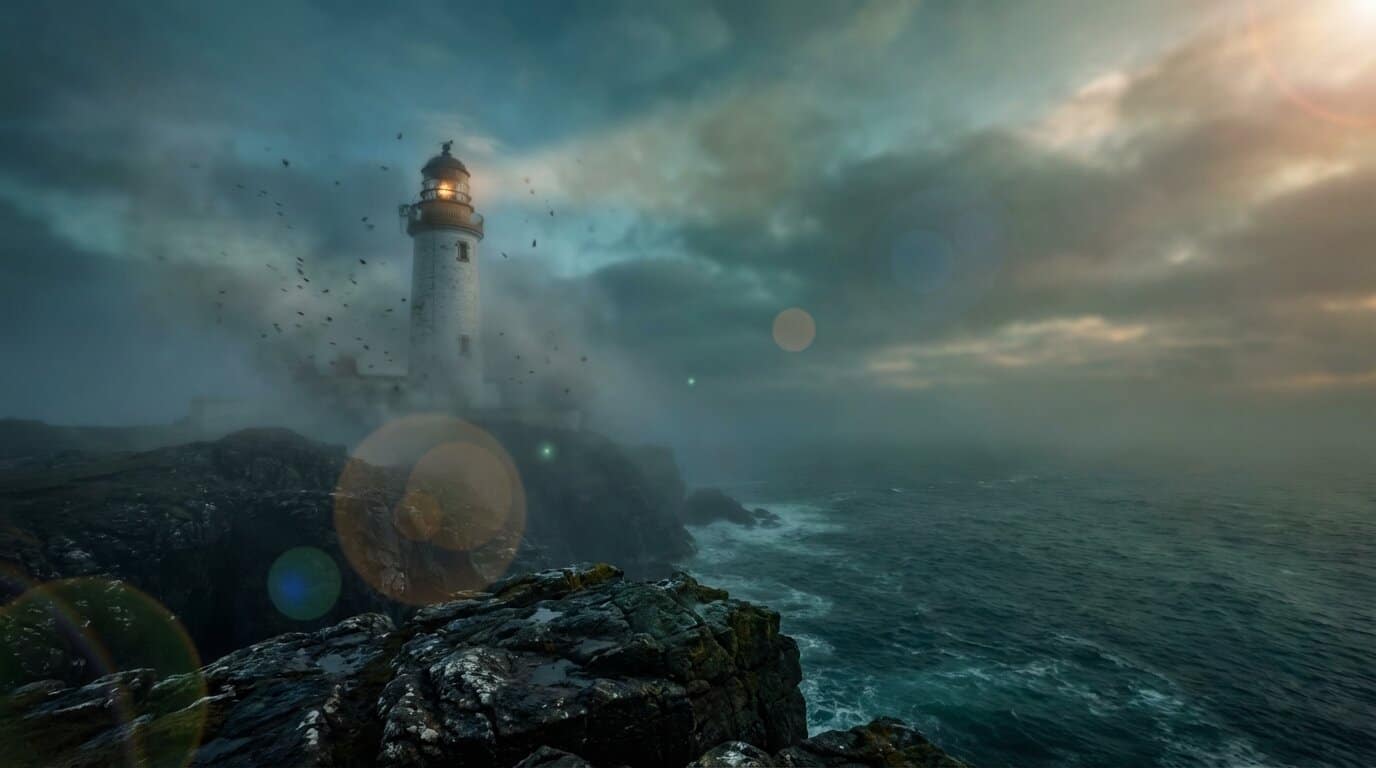
In the freezing, stormy days of December 1900, a passing ship noticed something deeply unsettling off the remote coast of Scotland. The normally brilliant beacon of the Eilean Mòr lighthouse had gone completely dark. When a relief crew finally battled dangerous seas to reach the isolated rock nearly two weeks later, they found stopped clocks, eerily quiet living quarters, and no trace of the three experienced keepers tasked with manning the station. Over a century later, the baffling Flannan Isles disappearance remains one of the greatest unsolved mysteries in maritime history.
The bizarre clues left behind in the deserted lighthouse only deepen the mystery of what actually happened to James Ducat, Thomas Marshall, and Donald McArthur. While official reports quickly blamed a tragic accident and a massive freak wave, the strange state of the island suggests something far more unusual took place. The surviving evidence opens the door to fascinating theories, leaving many to wonder if these three men encountered a truly unexplainable phenomenon out in the dark, isolated waters.
Key Takeaways
- In December 1900, three experienced lighthouse keepers vanished without a trace from the remote Scottish island of Eilean Mòr, leaving behind stopped clocks and eerie, undisturbed living quarters.
- Haunting logbook entries documented a terrifying, highly localized storm that drove the seasoned sailors to tears before abruptly ending just prior to their disappearance.
- While official maritime reports blame a massive rogue wave for the tragedy, bizarre clues like an abandoned winter coat continue to fuel enduring legends of supernatural forces.
The Dark Lighthouse And Empty Rooms
The chilling mystery began on December 15, 1900, when the passing steamer Archtor noticed something terribly wrong on the remote island of Eilean Mòr. Sailors aboard the ship reported that the guiding light of the Flannan Isles lighthouse was completely dark in the winter sky. Severe storms battered the Scottish coast for days, preventing anyone from investigating the unsettling report immediately. It was not until December 26 that the relief ship Hesperus finally broke through the rough waters to reach the isolated outpost. The crew expected to find the three keepers waiting for them, but they were greeted only by a heavy, unnatural silence.
Relief keeper Joseph Moore nervously made his way up the steep stairs to the lighthouse compound, calling out for his colleagues. [Insert historical photo of Eilean Mòr here to show the harsh, rocky landscape the men called home.] The entrance gate was firmly closed, and the main door to the living quarters was securely shut against the elements. Once inside, Moore found a scene that felt completely frozen in time, yet undeniably wrong. The beds were unmade, the fire in the grate had been cold for days, and the three men were nowhere to be found.
The strangest clues lay in the small details left behind in the silent rooms. Every clock in the lighthouse had completely stopped, adding a supernatural chill to the already baffling situation. The only sign of life was a tiny, starving canary fluttering inside its cage. A quick search of the coat hooks revealed that one set of protective oilskins had been left behind. This meant one man ventured out into a deadly winter storm in nothing but his indoor clothes. This bizarre discovery forces us to wonder if a sudden panic drove them outside, or if something far more mysterious lured them away from their posts.
Clues Left Behind In The Logbook
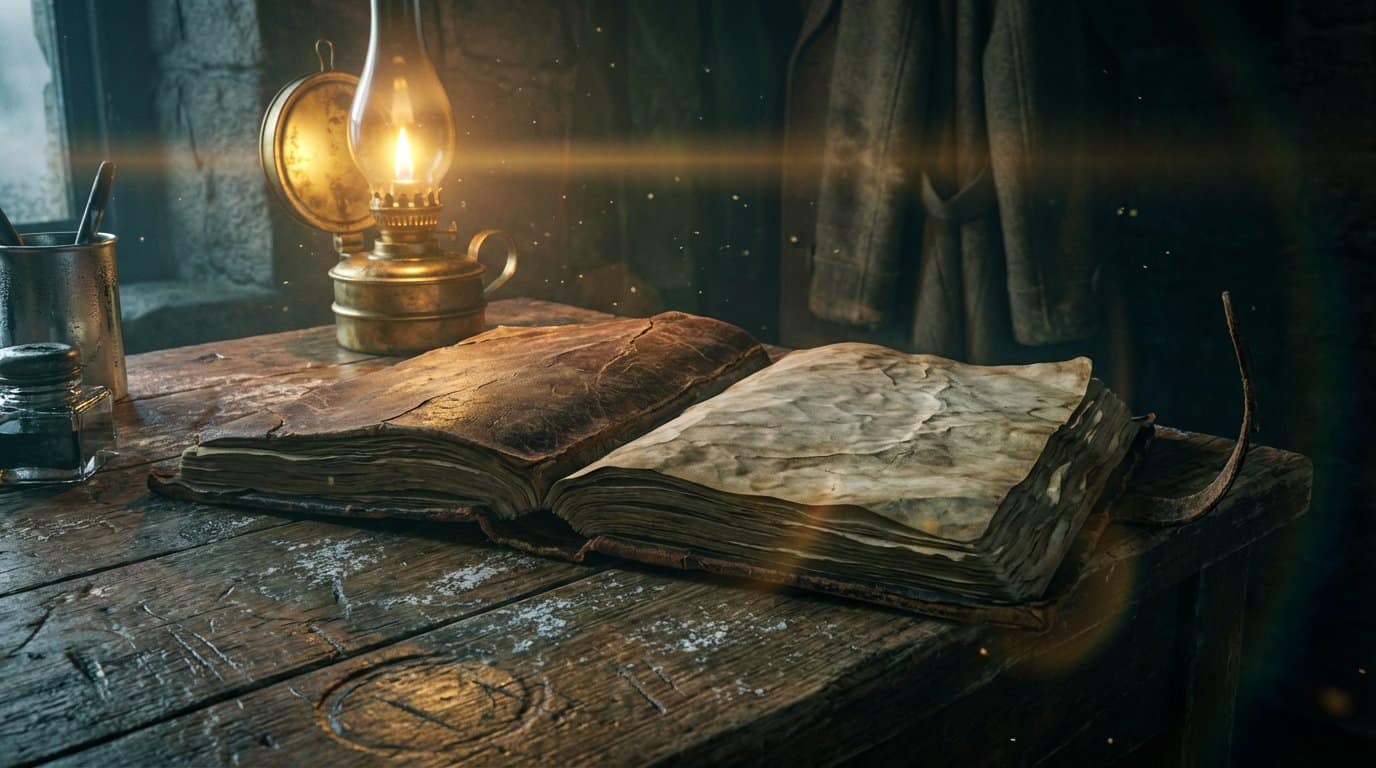
When relief keeper Joseph Moore finally stepped inside the silent lighthouse on Eilean Mòr, the official logbook offered the only glimpse into the men’s final days. According to records maintained by the lighthouse authority, the entries penned by Thomas Marshall described severe winds that began on December 12. Marshall noted that these gales were worse than anything he had seen in twenty years of maritime service. This detail is particularly strange because nearby weather stations on the Scottish mainland recorded completely calm conditions during those exact dates. The idea of a localized, roaring tempest battering only this tiny rock opens the door to both strange meteorological anomalies and older, darker local legends.
The psychological toll of this mysterious storm quickly became apparent in the subsequent handwritten notes. Marshall documented that James Ducat, the usually stoic Principal Keeper, was unusually quiet, while the seasoned sailor Donald McArthur was reportedly crying. For veteran lighthouse keepers to break down in tears and spend their time praying suggests they were facing something far more terrifying than a standard winter squall. Historians frequently point out that these men were hardened professionals accustomed to extreme isolation and rough weather. Their sudden shift into profound despair makes us wonder if they witnessed an event that defied natural explanation.
The final logbook entry on December 15 simply stated that the storm had ended and the sea was calm. After that remarkably peaceful observation, the historical record goes completely blank. Searchers found the lighthouse doors tightly closed, but two sets of outdoor weather gear were missing, suggesting a sudden exit into the freezing afternoon. We are left to guess what could have lured three experienced men out of their safe haven just as the skies finally cleared. This haunting silence continues to fuel endless debates, leaving us to question if the keepers were claimed by a rogue wave or something far more mysterious lurking in the dark waters.
Rogue Waves To Sea Monsters
When Superintendent Robert Muirhead arrived on the desolate shores of Eilean Mòr to investigate the missing men, he ultimately concluded that a massive rogue wave was to blame. According to his official report for the lighthouse authority, a sudden and violent swell likely swept James Ducat, Thomas Marshall, and Donald McArthur off the western landing cliffs while they were securing their gear. This tragic but highly logical weather explanation makes perfect sense given the notorious winter storms that constantly batter the Outer Hebrides. The sheer power of the ocean in this remote region is undeniable, and freak waves can appear without warning to claim anything in their path. However, this neat scientific conclusion has never quite satisfied those who know the eerie history of the island.
Long before the lighthouse was even built, local Scottish shepherds considered the rocky outpost to be a place of deep spiritual significance and whispered about strange forces dwelling there. Enduring folklore suggests that the men might have encountered something far more sinister than a wall of water, such as a phantom ship luring them into the misty darkness. Other tales speak of ancient sea monsters or vengeful spirits that resented the intrusion of the modern lighthouse on their sacred territory. While it is easy to dismiss these stories as simple superstition, the bizarre clues left behind at the scene make it hard to completely rule out the unexplained. The heavy oilskin coat left hanging inside the warm lighthouse suggests at least one man rushed out in a panic, a detail that perfectly fuels these chilling supernatural legends.
Today, the mystery of the Flannan Isles sits perfectly balanced between a tragic maritime accident and a genuinely terrifying paranormal event. It is entirely possible that the men simply fell victim to the unforgiving forces of nature during a sudden winter squall. Yet, the isolated setting and the strange condition of the abandoned lighthouse leave plenty of room to wonder if something otherworldly truly snatched the keepers from their post. We might never know exactly what happened on that dark December night over a century ago. Do you think a freak wave is the true culprit, or could the enduring legends of phantom ships and supernatural forces hold the real answer to this classic puzzle?
The Haunting Legacy of the Silent Lighthouse
Over a century later, the silent lighthouse on Eilean Mòr still stands as a lonely monument to James Ducat, Thomas Marshall, and Donald McArthur. The sudden vanishing of these three experienced keepers remains one of the most haunting puzzles in Scottish maritime history. While official reports point to a tragic accident involving a massive rogue wave, the strange clues left behind suggest a far more complicated story. Stopped clocks, untouched meals, and eerie final logbook entries continue to fuel whispers of something unnatural lurking in the stormy darkness. This perfect storm of missing men and isolated geography has transformed a historical tragedy into a legend that refuses to fade.
The world is full of strange cases where people simply vanish without a trace, but few possess the chilling atmosphere of the Flannan Isles. Readers who are fascinated by these types of historical puzzles can explore [other unexplained disappearances] to see how this event compares to similar maritime mysteries. Some researchers insist the keepers were swept away by Mother Nature, while local folklore blames sea monsters, phantom ships, or vengeful spirits of the island. The lack of bodies means the world may never find a definitive answer to what happened on that freezing December night. Every new generation of sleuths must look at the same bizarre evidence and decide what fits best.
The time has come for readers to weigh in on this classic remote lighthouse puzzle. Is a freak scientific weather anomaly the only logical explanation for the empty rocky shores of Eilean Mòr? Perhaps the men fell victim to madness, a passing ghost ship, or something entirely supernatural hidden within the crashing waves. Mystery enthusiasts are encouraged to share their favorite theories in the comments section below. The true cause of the Flannan Isles disappearance remains open to debate, leaving everyone to wonder what really happened in the Scottish mist.
Frequently Asked Questions
1. Who were the men that vanished from the Flannan Isles lighthouse?
The three experienced lighthouse keepers stationed on Eilean Mòr were James Ducat, Thomas Marshall, and Donald McArthur. They were entirely responsible for keeping the vital beacon burning during the harsh Scottish winter. Their sudden disappearance remains one of the most puzzling maritime mysteries ever recorded.
2. When was the Eilean Mòr lighthouse first noticed to be dark?
The passing steamer Archtor first noticed the lighthouse was completely dark on December 15, 1900. Severe winter storms battered the Scottish coast for days, making it impossible for anyone to investigate the unsettling darkness right away. The relief ship Hesperus finally broke through the rough waters on December 26.
3. What did the relief crew find when they arrived at the island?
Relief keeper Joseph Moore stepped onto the island to find an eerie silence and no sign of his colleagues. Inside the living quarters, the crew discovered stopped clocks and a strangely undisturbed setting. These bizarre clues immediately ruled out a planned departure and deepened the chilling mystery.
4. What is the official explanation for the Flannan Isles disappearance?
Official maritime reports quickly concluded that a tragic accident occurred during the severe winter storms. Investigators suggested that a massive freak wave swept all three men off the isolated rock while they were securing equipment. However, the strange state of the lighthouse leaves plenty of room to question this conventional theory.
5. Are there alternative theories about what happened to the lighthouse keepers?
The surviving evidence opens the door to fascinating theories beyond a simple rogue wave. Some researchers wonder if the men encountered a truly unexplainable phenomenon out in the dark, isolated waters. Others have speculated about madness, foul play, or even encounters with something otherworldly on that lonely outpost.
6. Why does the Flannan Isles mystery still captivate people today?
The idea of three experienced men vanishing without a trace from an isolated lighthouse is naturally terrifying and intriguing. The lack of bodies and the strange clues left behind create a perfect puzzle that defies easy explanation. It reminds us that the ocean still holds deep secrets that modern science cannot perfectly resolve.