Tracking the Truth: The Enduring Bigfoot Evidence Debate
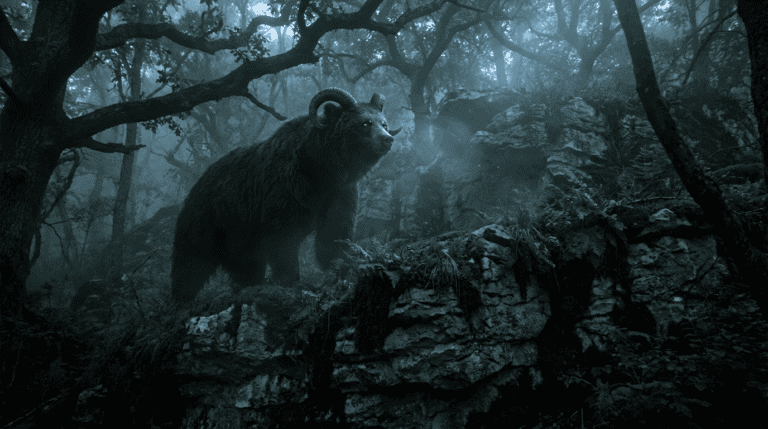
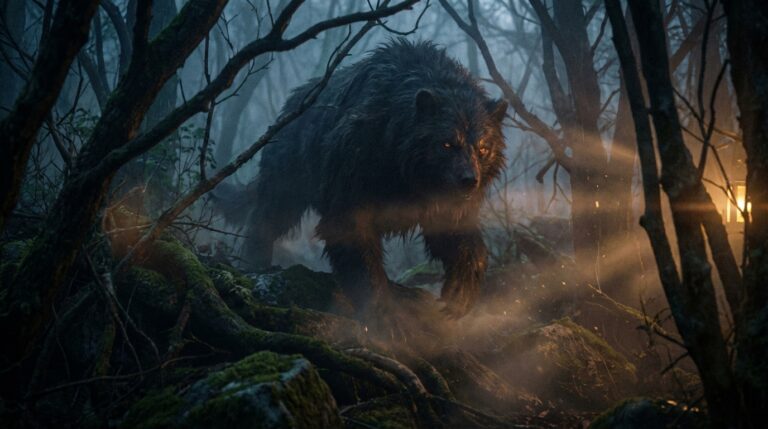
It was a crisp evening in October 2025 when a routine drive down Interstate 80 in Pennsylvania turned into something unexplainable. A retired civil engineer and Air Force veteran watched in disbelief as a large, dark figure sprinted across the highway. The creature moved with a speed and smoothness that seemed impossible for a human, possessing limb proportions that defied typical anatomy. This was not just a fleeting shadow but a clear visual observation that the Bigfoot Field Researchers Organization later classified as a credible Class A sighting. Accounts like this grip the imagination because they come from reliable observers who simply cannot explain what they witnessed.
While skeptics demand a body or DNA to prove the species exists, the sheer volume of these encounters keeps the mystery alive. Similar reports have surfaced throughout 2025 in states like Georgia, Tennessee, and Missouri, suggesting a widespread phenomenon rather than isolated incidents. Researchers continue to present fascinating physical evidence, including plaster casts of massive footprints complete with dermal ridges that hint at biological reality. Yet, without a specimen to study in a lab, mainstream science remains hesitant to accept these findings as definitive proof. This tension between personal experience and strict scientific standards defines the current state of the Bigfoot evidence debate.
Key Takeaways
- A significant Class A sighting in October 2025 by a retired Air Force veteran in Pennsylvania highlights the ongoing surge of credible witness reports across the United States.
- Researchers argue that physical evidence, specifically plaster casts displaying anatomical details like dermal ridges and mid-foot flexibility, points to a living biological animal rather than a hoax.
- Despite the volume of testimonies and physical casts, mainstream science remains skeptical because DNA testing often identifies known animals and no physical specimen has been secured.
Credible Witnesses and Recent 2025 Sightings
The discussion surrounding Bigfoot shifted in October 2025 following a striking report from a retired Air Force veteran in Pennsylvania. While driving along Interstate 80, this trained observer witnessed a massive figure moving across the road with a speed and smoothness that defied human capability. He noted that the creature possessed limb proportions unlike any person or bear, leading the Bigfoot Field Researchers Organization to classify this as a Class A sighting. When a witness with a background in civil engineering and military service comes forward, it adds a layer of seriousness that is hard to ignore. This specific account highlights why personal testimony remains a cornerstone of the ongoing mystery.
Sightings have continued to surge well beyond Pennsylvania, with credible reports emerging from Georgia, Tennessee, and Ohio throughout the year. Some of these events have even been supported by trail camera footage, offering a glimpse of the elusive subjects described by locals. Alongside these visual accounts, researchers have presented large footprint casts complete with dermal ridges that suggest a living, biological animal. These physical clues combine with consistent witness descriptions to create a compelling argument for the creature’s existence. Despite the prevalence of modern surveillance tools, the sheer volume of consistent reports suggests we may still have giant neighbors hiding in the woods.
The Mystery of Footprint Casts and Dermal Ridges
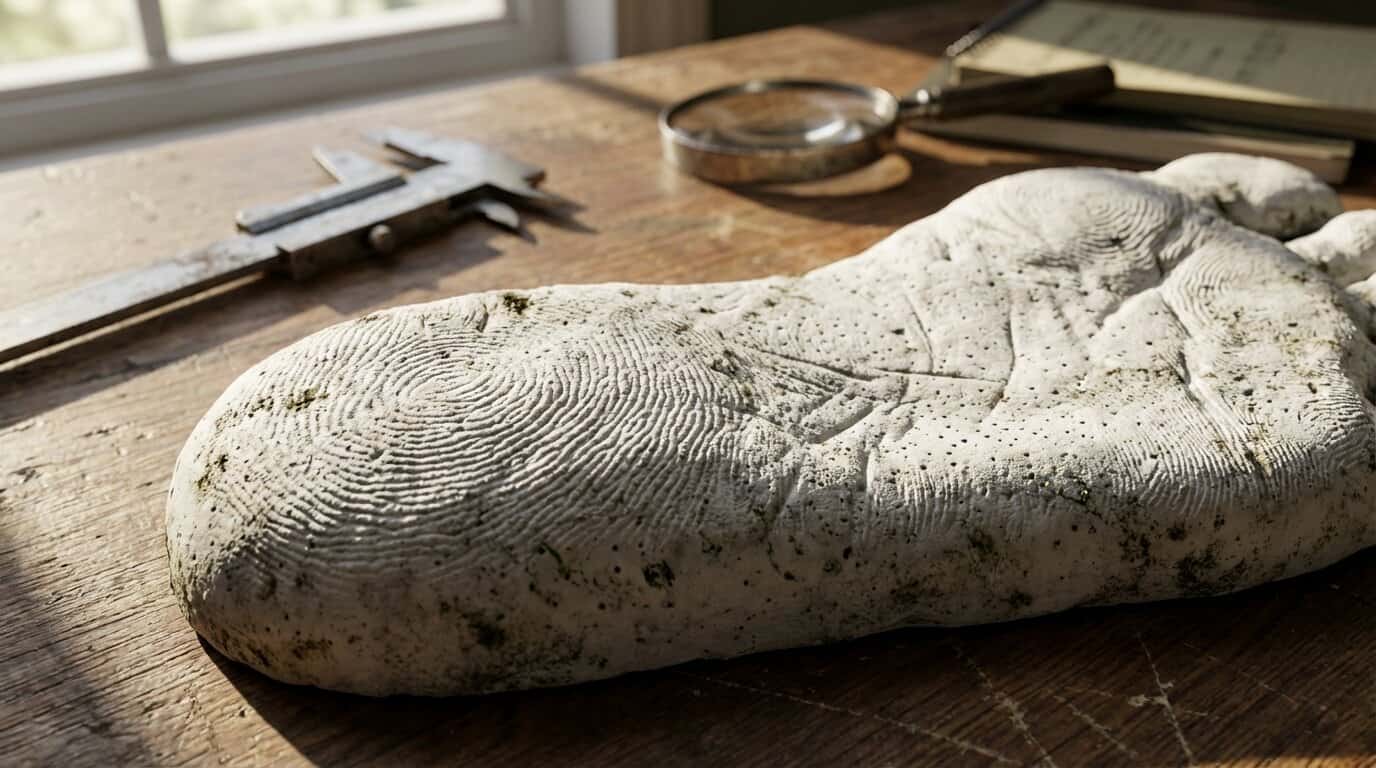
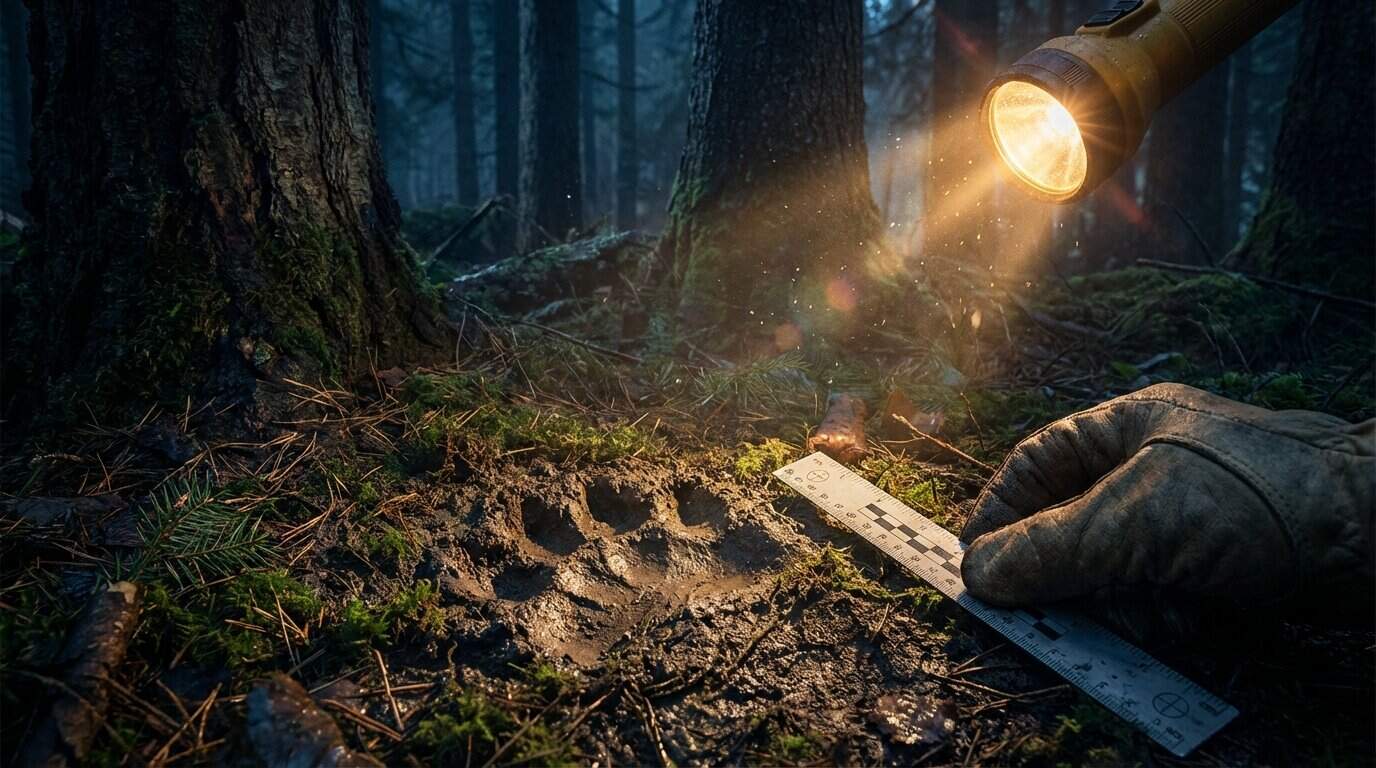
One of the most compelling arguments for the existence of Sasquatch comes directly from the ground up. While stories and blurry photos are easy to dismiss, physical impressions left in the mud tell a harder scientific story. Dr. Jeff Meldrum, a professor of anatomy and anthropology at Idaho State University, has spent years analyzing these large plaster casts. He points out that many of these footprints show mid-foot flexibility that human feet simply do not have. His extensive collection includes hundreds of samples that suggest a biological creature rather than a prankster in a suit.
The debate gets even more interesting when you look at the tiny details found inside the tracks. Some high-quality casts reveal dermal ridges, which are essentially the same as fingerprints but on the bottom of the foot. Skeptics often claim these tracks are made with wooden carvings, but carving distinct ridge patterns that flow naturally is incredibly difficult. Experts note that these ridges show evidence of scarring and healing that would be nearly impossible to fake perfectly. This level of biological detail suggests a living animal walked through that mud.
DNA Analysis and Misidentified Hair Samples
For decades, hopeful researchers have trekked into dense forests carrying sample bags, convinced they have finally found the smoking gun in the form of tufts of hair snagged on branches. These biological samples often look distinct to the naked eye, leading many to believe they belong to an undiscovered primate hiding in the wilderness. However, when geneticists and labs analyze these fibers, the results frequently deliver a disappointing blow to the Bigfoot research community. Prominent studies, such as those conducted by Oxford University geneticist Bryan Sykes, have historically tested dozens of alleged Yeti and Bigfoot hair samples only to find matches for bears, wolves, or raccoons. This recurring pattern creates a frustrating cycle where physical evidence seems within reach yet definitive proof slips away under the microscope.
Deer hair poses a particular challenge because it is hollow and can arguably resemble the descriptions of Sasquatch fur given by eyewitnesses over the years. When labs return results identifying a sample as deer or elk, skeptics see it as case closed, but believers often point to potential contamination or degraded DNA as the real culprit. Sometimes the science hits a wall, returning results that are simply listed as inconclusive or unidentifiable due to the condition of the sample. These mysterious gaps in the data offer a sliver of hope that science has simply failed to read the code of a creature that does not yet exist in the genetic database. Until a pristine sample yields a clear and unknown sequence, the biological verification of Bigfoot remains stuck in a fascinating limbo between folklore and fact.
When Credible Witnesses Challenge Scientific Limits
The mystery of Bigfoot sits at a crossroads where compelling stories meet the hard wall of scientific requirement. Credible witnesses, like the retired Air Force veteran who recently saw a massive figure in Pennsylvania, offer details that are hard to dismiss. These observers describe fluid movements and inhuman proportions that suggest something real is roaming the woods. However, without a body or definitive DNA evidence, mainstream science struggles to accept these encounters as fact. It creates a standoff where physical casts and sincere testimonies are just shy of being absolute proof.
With high-quality trail cameras and thermal imaging devices now in the hands of everyday explorers across the country, technology might finally be the key to breaking this stalemate. This constant surveillance of the wild means that a large creature has fewer places to hide than ever before. If these beings are flesh and blood, it seems only a matter of time before someone captures undeniable footage. Do you think modern gadgets will finally solve this centuries-old puzzle, or will the Sasquatch always stay one step ahead of our lenses?
Frequently Asked Questions
1. What details made the October 2025 Pennsylvania sighting so significant?
A retired Air Force veteran and civil engineer observed a massive figure sprinting across Interstate 80 with speed that defied human capability. The witness noted distinct limb proportions that did not match a human or a bear. This level of detail from a trained observer led the Bigfoot Field Researchers Organization to classify it as a credible Class A sighting.
2. Why does mainstream science hesitate to accept Bigfoot evidence?
The scientific community generally requires a physical specimen or definitive DNA to officially recognize a new species. While researchers present compelling footprint casts and eyewitness testimony, these do not meet the strict standards needed for laboratory study. This requirement for hard biological proof creates a stalemate despite the volume of reports.
3. What is a Class A sighting in Bigfoot research?
A Class A sighting refers to an encounter where the witness has a clear visual observation of the creature. These reports rule out the possibility of misidentifying a bear or other known animal due to lighting or distance. The Bigfoot Field Researchers Organization uses this classification for the most reliable and distinct accounts.
4. What kind of physical evidence exists besides eyewitness reports?
Researchers have collected numerous plaster casts of massive footprints found at alleged sighting locations. Some of these casts display dermal ridges (similar to fingerprints) and anatomical details that suggest a biological reality. This evidence hints at a living creature rather than a simple hoax.
5. Are Bigfoot sightings rare or isolated events?
Reports of these creatures are surprisingly frequent and widespread rather than rare occurrences. Throughout 2025, witnesses have reported encounters in diverse locations including Georgia, Tennessee, and Missouri. This suggests the phenomenon spans across the country instead of being limited to one region.
6. Why are military veterans considered reliable witnesses in these cases?
Veterans often possess specialized training in observation and identification under high-pressure situations. When a witness with a background in engineering or the Air Force describes a creature with impossible anatomy, it adds significant weight to the claim. Their professional experience makes it difficult to dismiss their accounts as simple mistakes.