The Real History Behind Mysterious Men in Black Sightings
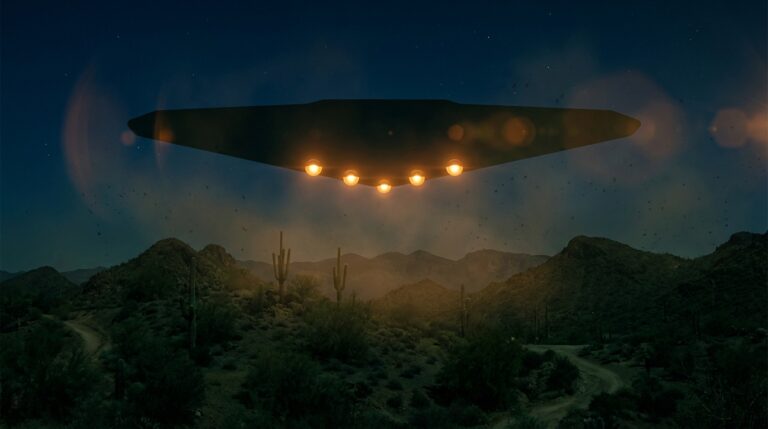
Imagine a witness standing in their backyard, still trembling from the sight of a glowing orb in the night sky, only to hear a sharp knock on the door moments later. Standing on the porch are two pale figures in pressed dark suits, their expressions frozen like wax masks and their eyes hidden behind heavy shades. These strange encounters, known as Men in Black sightings, have haunted the fringes of UFO culture for decades, leaving witnesses feeling more terrified of the visitors at their door than the lights in the heavens.
While Hollywood turned these figures into wisecracking heroes, the real-world reports are far more unsettling and bizarre. These mysterious strangers often appear out of nowhere to confiscate evidence or deliver chilling warnings to those who have seen too much. Their movements seem robotic, their speech sounds rehearsed, and their presence leaves behind a lingering sense of dread. Whether they are covert government agents or something much more otherworldly remains one of the greatest mysteries of modern folklore.
Key Takeaways
- The Men in Black archetype originated in the early 1950s with Albert Bender and the Maury Island incident, establishing a pattern of witness intimidation and the confiscation of UFO evidence.
- Witnesses consistently describe these figures as having an ‘uncanny valley’ appearance, characterized by waxen skin, robotic movements, and monotone speech that suggests they are mimicking human behavior.
- The primary objective of these encounters is the suppression of information through psychological warfare, often involving vintage black sedans and threats to the witness’s personal safety.
- The phenomenon represents a unique intersection of government secrecy and paranormal folklore, serving as a cultural manifestation of Cold War-era anxieties regarding surveillance and the unknown.
Albert Bender and the Bridgeport Origins
In 1953, the tranquil city of Bridgeport, Connecticut, became the unlikely birthplace of a global mystery when a local researcher named Albert Bender suddenly shut down his investigation into flying saucers. Bender was the head of the International Flying Saucer Bureau, a group dedicated to uncovering the truth about extraterrestrial visitors. He claimed that three men dressed in dark suits, wearing black hats, and possessing glowing eyes visited him in his home to deliver a chilling warning. According to records from the Bridgeport Library, these figures did not walk so much as glide across the floor, leaving Bender paralyzed with fear. This encounter forced him to immediately cease all operations and dissolve his organization, sparking a wave of concern among his fellow researchers.
The details of Bender’s experience introduced several of the eerie characteristics that now define the Men in Black archetype. He described these visitors as having extremely pale skin and an unsettling, robotic way of speaking that felt almost telepathic. They reportedly confiscated his research materials and warned him that further pursuit of the UFO truth would lead to dire consequences. This story gained significant traction after it was featured in Gray Barker’s 1956 book, They Knew Too Much About Flying Saucers, which helped spread the legend to a wider audience. Many paranormal investigators believe this case represents the first documented instance of a systematic effort to silence civilian whistleblowers.
While skeptics often view Bender’s account as a product of the high-stress Cold War era, the sociological impact of the Bridgeport incident cannot be ignored. The story suggests a hidden layer of government secrecy or even otherworldly interference that continues to fascinate those who study conspiracy lore today. It raises difficult questions about why a dedicated researcher would suddenly abandon his life’s work without a clear explanation. Whether these figures were actual federal agents or something far more mysterious, the Bender case remains the foundational stone of MIB mythology. Do you believe Albert Bender was truly visited by intimidating strangers, or was the pressure of his research simply too much to handle?
Common Traits of the Men in Black

Witnesses who encounter these mysterious figures often describe an appearance that feels just slightly off from being human. They are frequently reported as having extremely pale, almost waxen skin and a complete lack of facial hair, including eyebrows or eyelashes. Their movements are often described as stiff or mechanical, as if they are struggling to mimic natural human gestures. Many accounts, such as those documented by researcher Albert K. Bender in the 1950s, mention a flat and monotone voice that sounds like a pre-recorded message. This unsettling physical presence creates an immediate sense of dread for anyone who crosses their path after a UFO sighting.
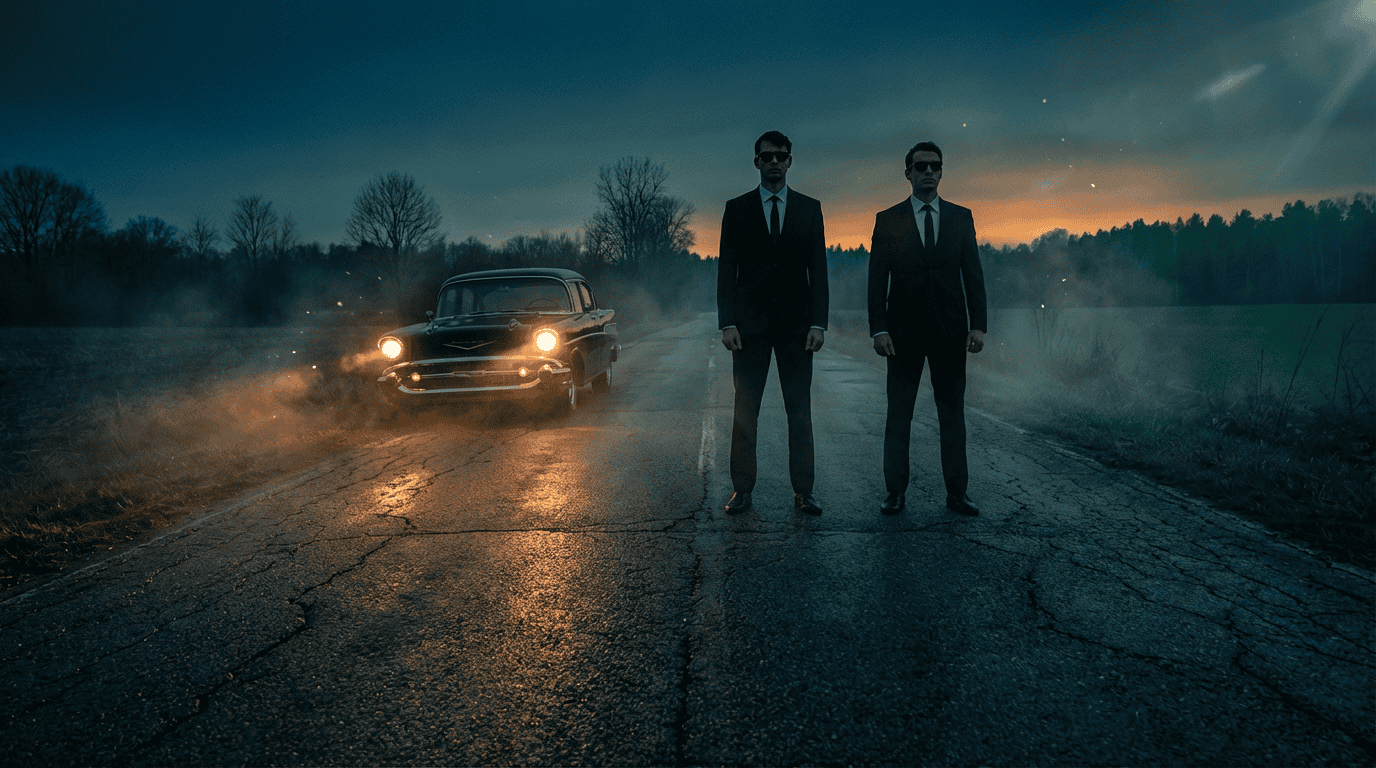
The attire of these individuals is equally iconic and contributes to their intimidating reputation. They invariably wear crisp, black suits with white shirts and black ties, looking as though they have stepped directly out of a different era. Their clothing often appears brand new, with no wrinkles or signs of wear, which adds to the theory that they may not be standard government agents. Even their vehicles fit this rigid aesthetic, as they are typically seen driving vintage black sedans that look like they just rolled off a showroom floor. These cars frequently appear and disappear without a trace, leaving witnesses to wonder if the technology is as strange as the drivers themselves.
While some skeptics believe these encounters are psychological reactions to stress, the consistency of the details across decades is hard to ignore. From the Maury Island incident to modern whistleblowers, the reports of strange speech patterns and telepathic communication remain a common thread. Some theorists suggest these beings are part of a covert government program designed to silence witnesses through psychological warfare. Others lean into the fringe possibility that they are non-human entities trying to blend into society to protect secrets about the UAP phenomenon. Regardless of their origin, the presence of the Men in Black serves as a chilling reminder that some truths are meant to stay hidden in the shadows.
The Maury Island Incident and Early Cover-ups
The Maury Island incident of June 1947 stands as a pivotal moment in the history of high-level secrecy and witness intimidation. While patrolling the waters near Tacoma, Washington, Harold Dahl reported seeing several doughnut-shaped crafts hovering above his boat. One of the objects appeared to malfunction, raining down hot, metallic slag that injured his son and killed the family dog. Dahl managed to collect samples of this physical debris, but his attempt to document the event was quickly met with an unexpected visitor. A man dressed in a crisp black suit arrived the very next morning, inviting Dahl to breakfast as if he already knew every detail of the encounter.
This mysterious figure drove a brand new Buick and displayed an unsettling level of knowledge regarding the previous day’s events. During their conversation, the man gave Dahl a chilling ultimatum, warning him that his family’s safety depended on his total silence. This encounter established the classic blueprint for the Men in Black archetype, characterized by dark clothing, government-style vehicles, and an aura of cold authority. Historians often point to this case as the first documented instance where a witness was pressured to hand over physical evidence to an unidentified agent. Sources like the Bridgeport Library archives suggest this interaction set the stage for decades of similar reports involving the confiscation of UFO-related materials.
The aftermath of the Maury Island encounter took a turn for the worse when two military intelligence officers investigating the claims died in a mysterious plane crash while transporting the debris. This escalation from simple threats to a fatal accident fueled public suspicion that a deep-cover organization was working to suppress the truth. While skeptics often debate the validity of Dahl’s original sighting, the sociological impact of the black-suited man cannot be ignored. These early accounts suggest that the phenomenon is as much about human control and psychological pressure as it is about strange lights in the sky. Have you ever felt like you were being watched after seeing something you couldn’t explain, or do you believe these agents are merely a product of Cold War paranoia?
Psychological Theories and Social Folklore
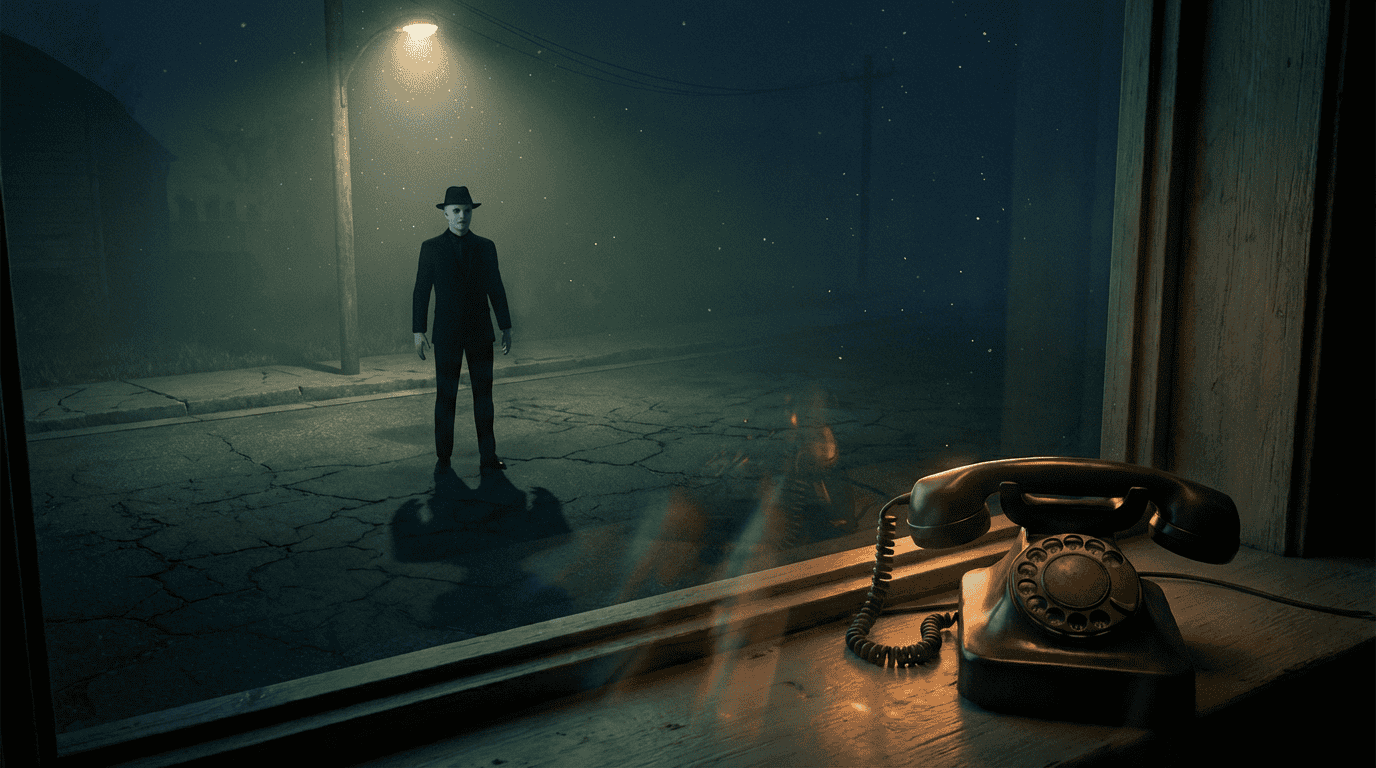
Psychologists and sociologists often view the Men in Black as a fascinating example of a shared cultural myth that bridges the gap between reality and folklore. These encounters frequently mirror the structure of traditional fairy tales, where mysterious strangers arrive to test or warn the protagonist after a life changing event. Some researchers suggest that the intense stress of a UFO sighting can trigger a specific psychological state, leading the witness to project their internal fear onto a physical figure. This theory views the dark suited visitors as a manifestation of the witness’s anxiety regarding government surveillance and the unknown. By examining these stories through a sociological lens, we can see how the collective fear of the Cold War era helped shape the pale, robotic appearance of the modern MIB archetype.
The history of these sightings often points back to the 1950s and the influential experiences of Albert K. Bender, who founded the International Flying Saucer Bureau. Bender claimed he was visited by three men in dark suits who provided him with terrifying information about the nature of the universe, eventually leading him to shut down his organization. While skeptics argue these figures might have been plainclothes government agents from the Air Force or the FBI, the strange details of their behavior suggest something more unusual. Many whistleblowers and witnesses describe the men as having a flat affect and an unsettling, almost alien presence that feels intentionally designed to intimidate. This blend of documented government interest and high strangeness keeps the mystery alive for those who believe these figures are more than just a social phenomenon.
Whether these encounters are a product of the human mind or actual covert intimidation, they represent a powerful force in the world of the unexplained. The consistency of the reports across different decades suggests that the MIB serve a specific role in silencing those who have seen too much. Some theorists argue that the government uses these folkloric characters as a convenient cover to hide genuine investigative work from the public eye. Others remain convinced that the Men in Black are an independent entity altogether, acting as guardians of a truth that humanity is not yet ready to face. What do you think is behind the dark suits and the chilling warnings? Do you believe these men are government operatives, or is there something even more mysterious at work here?
The Enduring Mystery of the Silent Intimidators
The legend of the Men in Black has evolved from simple whispers in the 1950s into a cornerstone of modern conspiracy lore. These enigmatic figures represent the darker, more human side of the UFO phenomenon by focusing on the intimidation of those who dare to speak out. While many skeptics view these encounters as a psychological byproduct of high-stress events, the consistency of the reports across decades suggests a deeper mystery. Whether they are seen as government agents or something from another world, their presence continues to fascinate those who study the boundaries of our reality.
The lasting impact of these sightings lies in their ability to blur the lines between official secrecy and the paranormal. From the early accounts of Albert Bender to modern reports, the MIB motif serves as a chilling reminder of the potential consequences of witnessing the unknown. These stories challenge us to consider how much of our history is hidden behind closed doors and nondisclosure agreements. The enduring nature of these sightings ensures that the Men in Black will remain a central fixture in the study of extraterrestrial visitors and government cover-ups. This era of secrecy was famously defined by events like the Roswell incident, which fueled decades of speculation about what the military was truly hiding from the public.
Now that we have explored the history and theories behind these mysterious visitors, we want to hear your perspective on the matter. Do you believe these black-suited figures are part of a legitimate covert agency tasked with protecting national security? Perhaps you feel they are more likely a shared psychological reaction to the shock of seeing a UAP. Some even suggest they are non-human entities trying to blend into our society with varying degrees of success. This theory of orchestrated deception is often linked to broader concepts like Project Blue Beam, which explores the idea of staged events to control the masses. Please share your thoughts and any personal experiences in the comments below to help us unravel the Roswell UFO crash and this persistent mystery.
Frequently Asked Questions
1. Who was the first person to report an encounter with the Men in Black?
Albert Bender, a researcher in Bridgeport, Connecticut, is credited with the first major report in 1953. After three mysterious men in dark suits visited his home, he was so terrified that he immediately shut down his international saucer research group.
2. What do the Men in Black typically look like during these encounters?
Witnesses describe them as pale figures with waxen, expressionless faces and eyes often hidden behind dark sunglasses. They wear perfectly pressed black suits and hats, appearing almost robotic or rehearsed in their movements and speech.
3. What is the primary goal of these mysterious visitors?
Their main objective appears to be the suppression of information regarding UFO sightings. They often arrive shortly after an event to confiscate physical evidence, such as photographs, or to deliver chilling warnings to keep witnesses silent.
4. Are the Men in Black actual government agents?
While some believe they are part of a highly classified government agency, their strange behavior and physical oddities suggest something more unusual. Their ability to appear and disappear out of nowhere leads many researchers to consider them otherworldly or paranormal in nature.
5. How do these encounters differ from the popular Hollywood movies?
Unlike the heroic and witty characters in films, real world reports describe the Men in Black as deeply unsettling and threatening figures. These encounters leave witnesses feeling a sense of dread and physical paralysis rather than a sense of safety.
6. What kind of strange behavior do they exhibit during a visit?
Reports from the Bridgeport Library and other historical records mention that these figures sometimes seem to glide across the floor instead of walking. Their voices often sound monotone and their social interactions feel entirely unnatural, as if they are mimicking human behavior.