The Marfa Lights Mystery of the Texas High Desert
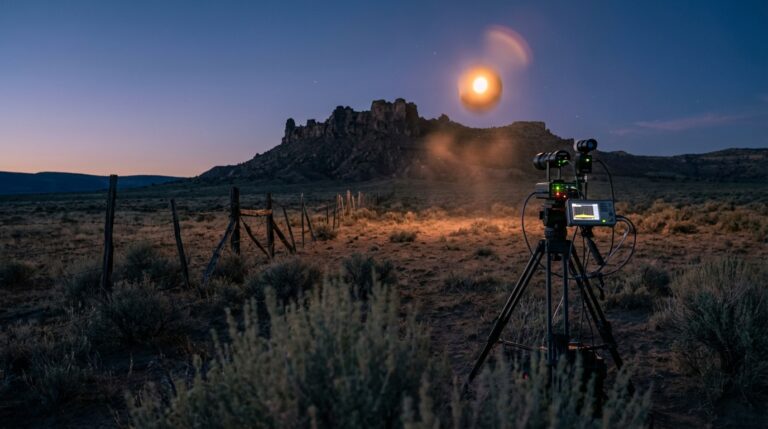
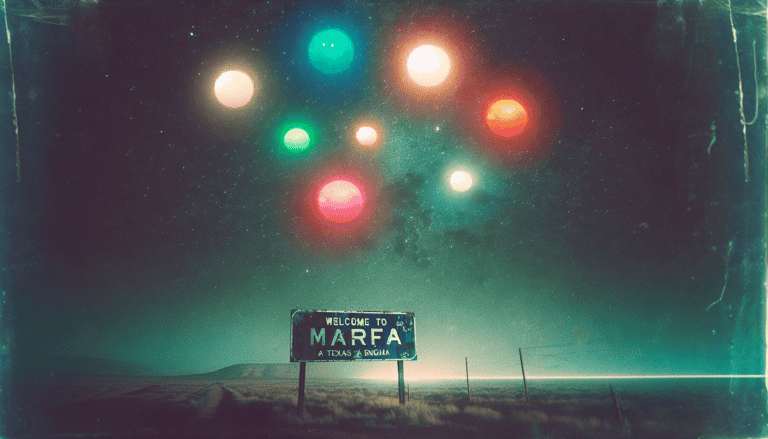
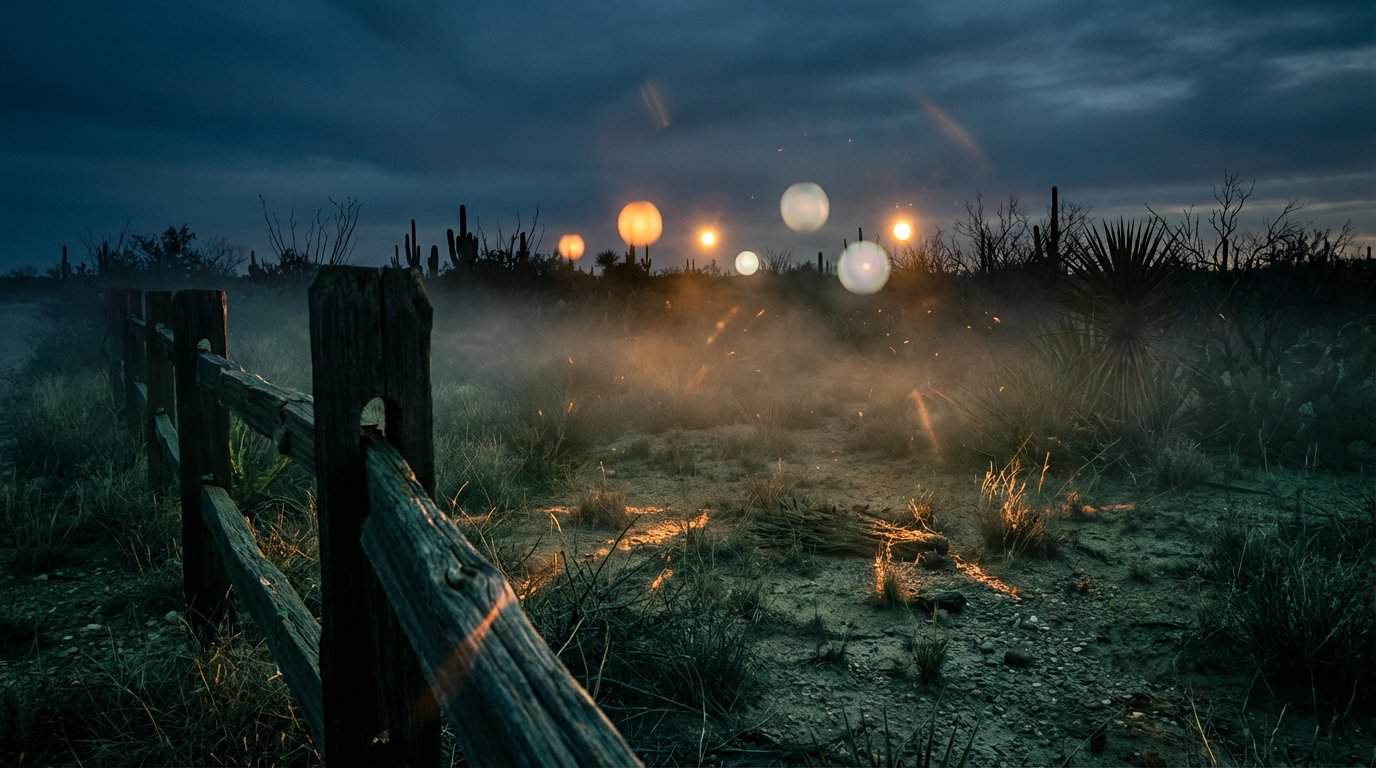
On a clear night in the high desert of West Texas, the horizon begins to dance with a glow that has defied explanation for over a century. Known as the Marfa lights mystery, these colorful orbs appear as flickering ghosts between the town of Marfa and the rugged Chinati Mountains. They drift, merge, and vanish into the darkness, leaving observers with more questions than answers.
The phenomenon first caught the eye of a lonely cowhand in 1883, and it has been teasing travelers ever since. Whether they are shifting from red to blue or multiplying across the desert floor, the lights refuse to follow any predictable pattern. While many have tried to track them down by foot and air, the source remains just out of reach in the quiet Texas brush.
Key Takeaways
- The Marfa lights are a century-old mystery first documented in 1883 by cowhand Robert Reed Ellison, predating modern infrastructure and automobiles.
- While a 2004 study linked many modern sightings to refracted car headlights on Highway 67, this theory fails to explain historical accounts from the late 19th century.
- The phenomenon is characterized by erratic, multicolored orbs that split, merge, and disappear, defying attempts by both ground crews and military pilots to locate a physical source.
- Scientific theories suggest the lights may be caused by atmospheric mirages known as Fata Morgana or piezoelectric charges generated by tectonic stress in the Chinati Mountains.
A Century of Ghostly Sightings
The legend of the Marfa Lights began in 1883 when a young cowhand named Robert Reed Ellison was driving cattle through the rugged Paisano Pass. As he scanned the horizon, he noticed strange, flickering glimmers reflecting against the dark silhouettes of the Chinati Mountains. Ellison initially feared these glowing orbs were Apache signal fires, but upon further investigation, he found no traces of ash or scorched earth. His discovery marked the first of many historical accounts that would transform this remote stretch of Texas into a hub for the unexplained. The mystery grew as more people moved into the area and witnessed the same silent dance of light.
By 1885, early settlers like Joe and Sally Humphreys began reporting their own encounters with the shifting colors on the desert horizon. These witnesses described the lights as having a life of their own, often changing from white to red or blue as they moved unpredictably. Even during the First and Second World Wars, military personnel stationed at the nearby Marfa Army Airfield took the phenomenon seriously enough to investigate. Pilots attempted to track the orbs from the air while ground crews searched the brush, yet they could never pin down a physical source. These early military reports added a layer of official intrigue to the local folklore that persists to this day.
Modern researchers often point to scientific explanations like atmospheric reflections or car headlights, but the historical timeline suggests something more complex. Because these sightings were documented long before the arrival of modern highways and electricity, the lights cannot be easily dismissed as simple manmade reflections. This century of documentation provides a solid foundation for those who believe the phenomenon is a natural, albeit rare, plasma or geological event. Whether they are a rare trick of the atmosphere or something truly paranormal, the consistency of these reports over 140 years keeps the mystery alive. What do you think these early pioneers were actually seeing out there in the dark?
Dancing Colors and Unpredictable Movements
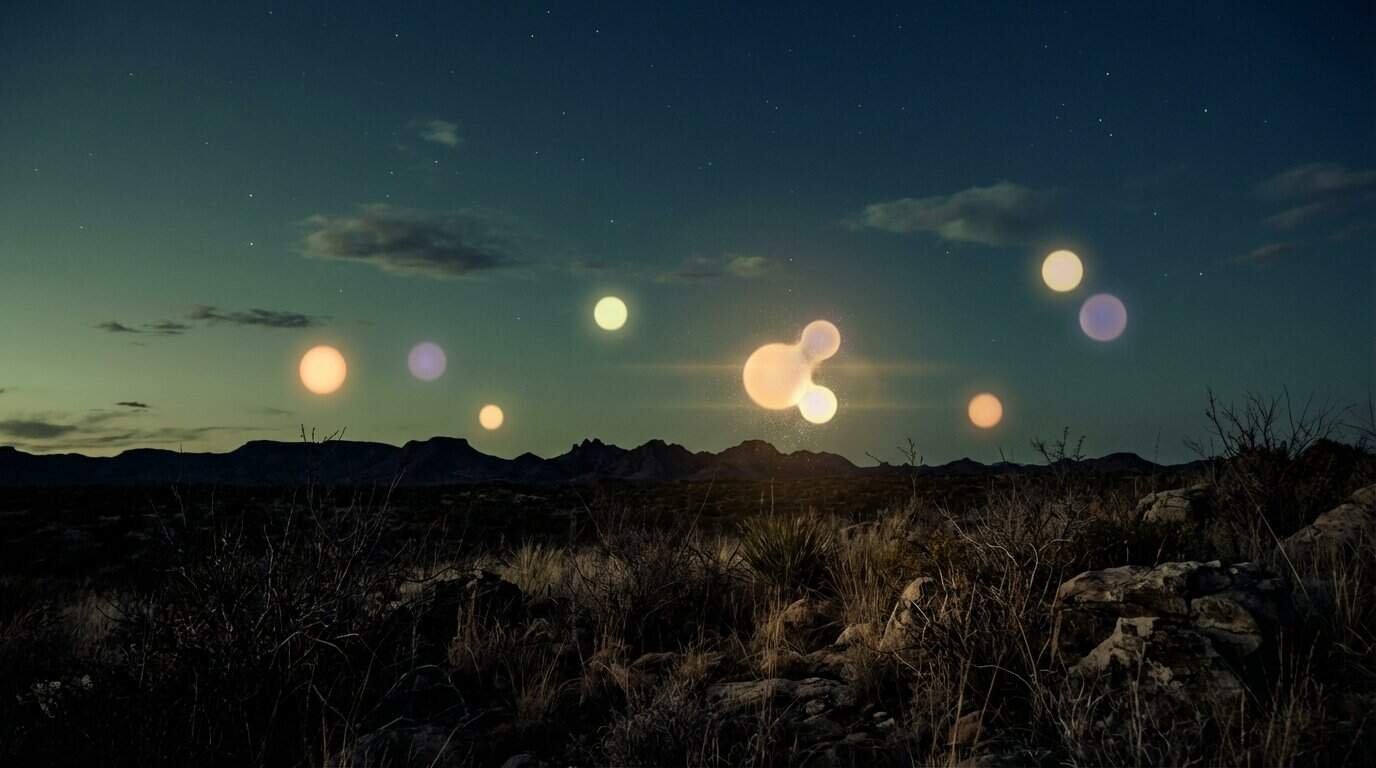
The Marfa Lights are famous for their playful and erratic behavior against the dark Texas sky. Observers often describe seeing singular orbs that suddenly split into multiple glowing spheres, dancing around one another before merging back into a single point of light. These displays are rarely static, as the orbs frequently zip across the horizon at incredible speeds or hover motionless for several minutes. Sometimes they simply vanish into thin air, leaving spectators staring at an empty space until they reappear in a completely different location. This unpredictable movement adds a sense of personality to the phenomenon that keeps visitors coming back night after night.
The visual palette of the lights is equally impressive, featuring a shifting range of colors that includes bright white, yellow, red, and blue. Witnesses often remark on how the hues seem to breathe or pulse, changing intensity as they move toward the Chinati Mountains. Local residents and researchers have noted that the colors do not follow a specific pattern, making it difficult to predict what any given night will hold. While some scientists suggest these could be reflections or atmospheric tricks, the vividness of the colors often defies simple explanation. The sight of a deep blue orb suddenly turning a fiery red creates a mesmerizing spectacle that feels both beautiful and slightly eerie.
These mysterious glowing spheres have been part of the local lore for over a century, documented by everyone from early cattle drivers to modern military pilots. Even when observers try to track them down, the lights seem to maintain a specific distance, always staying just out of reach. This evasive nature has led to countless theories about what they might be, ranging from natural gases to something more exotic. The way they interact with the environment suggests a complex phenomenon that science is still trying to fully grasp. Whether they are a rare natural occurrence or something truly unexplained, their vibrant dance remains one of the greatest mysteries of the American West.
Scientific Theories and the Headlight Debate
While the supernatural remains a popular explanation, many researchers point to a phenomenon known as Fata Morgana. This complex form of mirage occurs when layers of air at different temperatures bend light, creating distorted images of objects that are actually far below the horizon. Because the desert floor cools rapidly at night while the air above stays warm, these temperature inversions can act like a lens. This process could potentially project the glow of distant campfires or ranch lights into the sky, making them appear as dancing orbs. Scientists suggest that these atmospheric conditions are particularly common in the unique geography of the high Chihuahuan Desert.
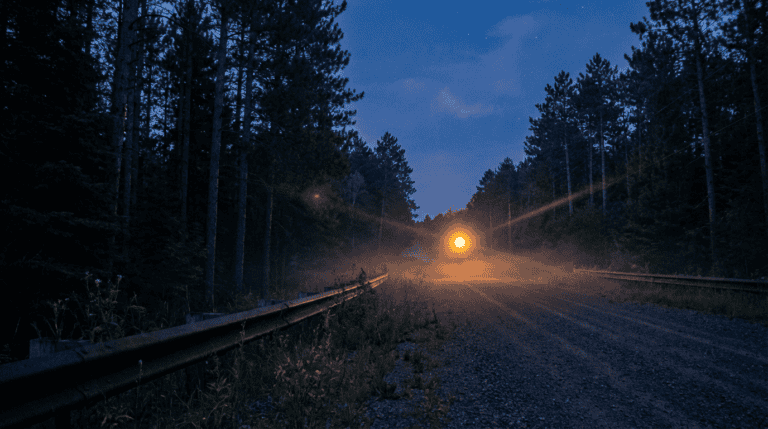
A significant breakthrough in the debate occurred in 2004 when a group of students from the University of Texas at Dallas conducted a 2004 study. Using high tech monitoring equipment and GPS tracking, the researchers monitored the movements of vehicles on nearby Highway 67. Their findings strongly suggested that many of the lights observed from the official viewing center were actually the refracted headlights of cars traveling toward Presidio. When the timing of the sightings was compared to the traffic logs, the patterns matched almost perfectly. This study provided a sobering reality check for those hoping for a purely paranormal answer, though it did not account for every single historical report.
Despite the compelling evidence regarding car headlights, the mystery is far from closed for many local enthusiasts. Skeptics of the traffic theory point out that the lights were documented by Robert Reed Ellison and other settlers long before the invention of the automobile. Some researchers propose that the lights might be caused by tectonic stress in the earth, which can create small bursts of plasma or piezoelectric charges known as earthquake lights. These glowing gases could rise from the ground and move independently of any highway traffic. This leaves us with a fascinating puzzle where modern science explains some sightings, yet the oldest legends remain stubbornly unexplained.
Unexplained Orbs and Local Legends
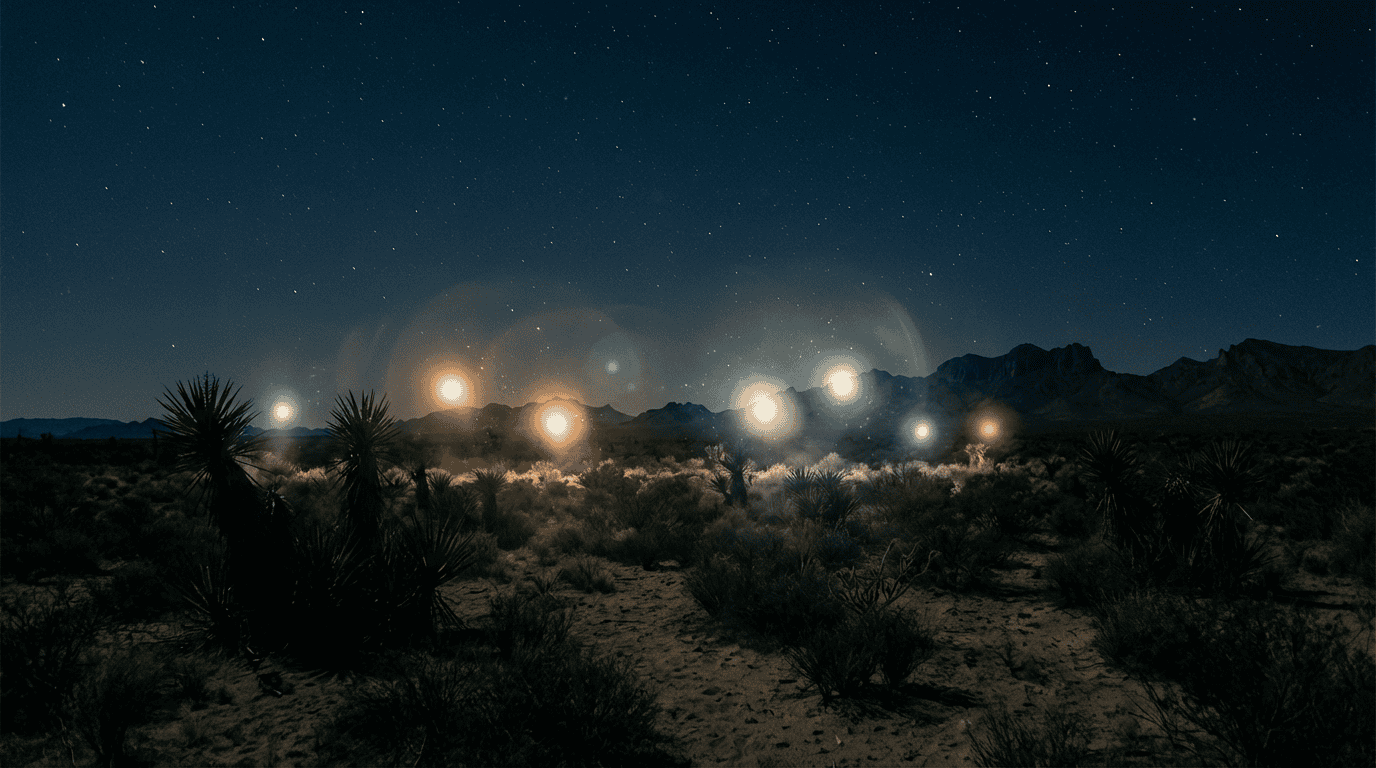
Witnesses often describe the Marfa Lights as playful, glowing orbs that dance across the desert horizon in shades of vibrant yellow, red, and blue. These mysterious spheres have a habit of splitting into multiple lights or suddenly vanishing only to reappear in a completely different location. While modern skeptics often point to the headlights of cars on nearby Highway 67 as a likely source, local researchers note that the lights were documented long before automobiles arrived in the region. Robert Reed Ellison first recorded these strange flickers back in 1883 while herding cattle through the rugged Paisano Pass. This historical timeline suggests that whatever is fueling the phenomenon existed well before the glow of modern infrastructure began to dot the Texas landscape.
The enduring mystery has led to a fascinating tug of war between scientific plasma theories and more supernatural explanations. Some geologists suggest that the shifting tectonic plates beneath the Chinati Mountains create piezoelectric charges that manifest as light. Others believe the orbs are a rare form of ball lightning or a complex mirage caused by layers of air with differing temperatures. Despite these logical attempts to solve the puzzle, many visitors leave the Marfa Lights Viewing Area convinced they have seen something truly otherworldly. The way the lights move with a seemingly intelligent intent continues to fuel legends of restless spirits and ancient energy.
Whether these orbs are a rare atmospheric quirk or something far more exotic, they remain one of the most consistent paranormal events in the United States. Military pilots during the World War eras reportedly tried to track the lights from the air but found they could never close the distance to find a physical source. This inability to pin down the phenomenon keeps the site a destination for those who find beauty in the unexplained. The desert holds its secrets tightly, leaving every observer to decide for themselves if the glow is a trick of the light or a glimpse into another realm. What do you think is responsible for the movement of these silent desert guardians?
The Enduring Enigma of the Desert Orbs
The Marfa Lights remain one of the most persistent puzzles in the American Southwest, standing at the crossroads of geological science and ancient folklore. While researchers often point toward atmospheric reflections or thermal inversions as the likely culprits, these explanations rarely satisfy those who have seen the orbs dance with seemingly intelligent intent. The sheer longevity of the phenomenon, dating back to the late nineteenth century, suggests that a simple modern explanation like car headlights cannot account for every sighting. By blending historical accounts with modern observation, the mystery maintains its grip on the public imagination. It is this delicate balance between the known and the unknown that keeps the desert horizon so captivating for travelers and scientists alike.
The rugged terrain of the Chinati Mountains serves as a silent witness to a spectacle that continues to defy definitive categorization. Whether the lights are a rare form of tectonic stress causing piezoelectric glows or something far more ethereal, they represent the enduring allure of the high desert. Local legends and scientific theories both offer pieces of the puzzle, yet neither has managed to solve it completely. This lingering ambiguity allows the Marfa Lights to occupy a unique space in the world of the unexplained. Much like the Phoenix Lights phenomenon, the mystery invites everyone to look toward the horizon with a sense of wonder and open minded skepticism.
What do you believe is truly happening on those dark Texas nights when the lights begin their silent performance? Have you ever stood at the viewing center and witnessed the colorful orbs shifting across the distance for yourself? Perhaps you lean toward the scientific theories of plasma and gas, or maybe you suspect a more supernatural origin tied to the history of the land. Similar to unexplained phenomena found in other remote locations, The Mysterious Lights of Marfa invite you to share your own stories or theories about what haunts the Marfa horizon in the comments below. Your perspective helps keep the conversation alive as we continue to explore the many secrets hidden within our world.
Frequently Asked Questions
1. When were the Marfa lights first discovered?
The first recorded sighting occurred in 1883 when a young cowhand named Robert Reed Ellison spotted flickering glimmers while driving cattle through Paisano Pass. He initially feared they were Apache signal fires, but he found no evidence of a campsite or scorched earth upon investigation.
2. What do the lights actually look like to observers?
Witnesses describe the lights as glowing orbs that appear in shades of white, red, or blue. These mysterious spheres are known to drift silently across the desert, sometimes merging together or multiplying before vanishing into the darkness.
3. Have pilots ever tried to track the lights from the air?
During World War I and II, personnel from the Marfa Army Airfield took the phenomenon seriously and attempted to locate the source from the sky. Despite their efforts to track the orbs from above, pilots were never able to find a physical origin for the shifting glows.
4. Where is the best place to see this phenomenon?
The lights appear on the horizon between the town of Marfa and the rugged Chinati Mountains in West Texas. They typically show up on clear nights, dancing across the quiet desert brush in areas that remain difficult to reach by foot.
5. Do the lights follow a predictable pattern?
The orbs are famously unpredictable and do not follow any set schedule or path. They are known to shift colors and move erratically, making them a constant puzzle for travelers and researchers alike.
6. Did early settlers believe the lights were dangerous?
Early residents like Joe and Sally Humphreys reported encounters as early as 1885 and viewed them with a mix of wonder and caution. While the lights seemed to have a life of their own, there are no historical accounts of them causing direct harm to the people watching from a distance.