The Glowing Mystery Of The Brown Mountain Lights
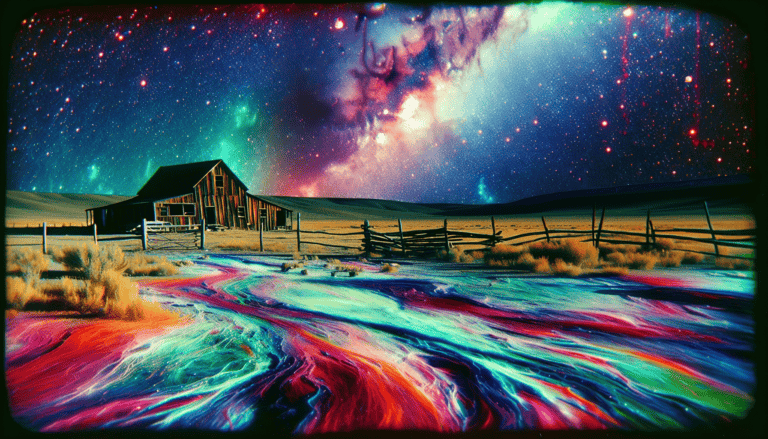
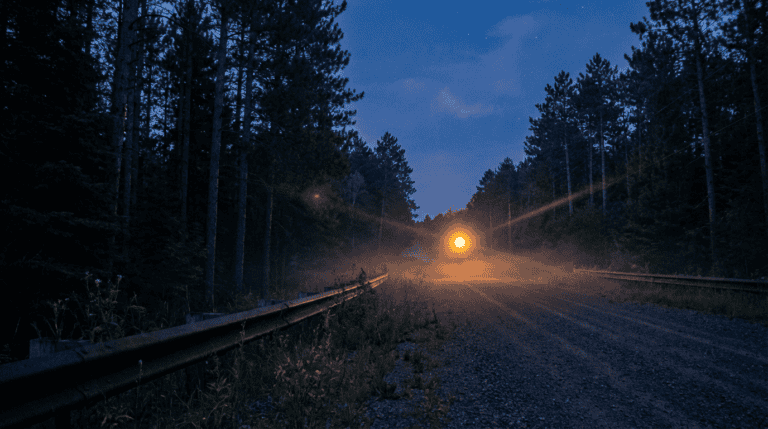
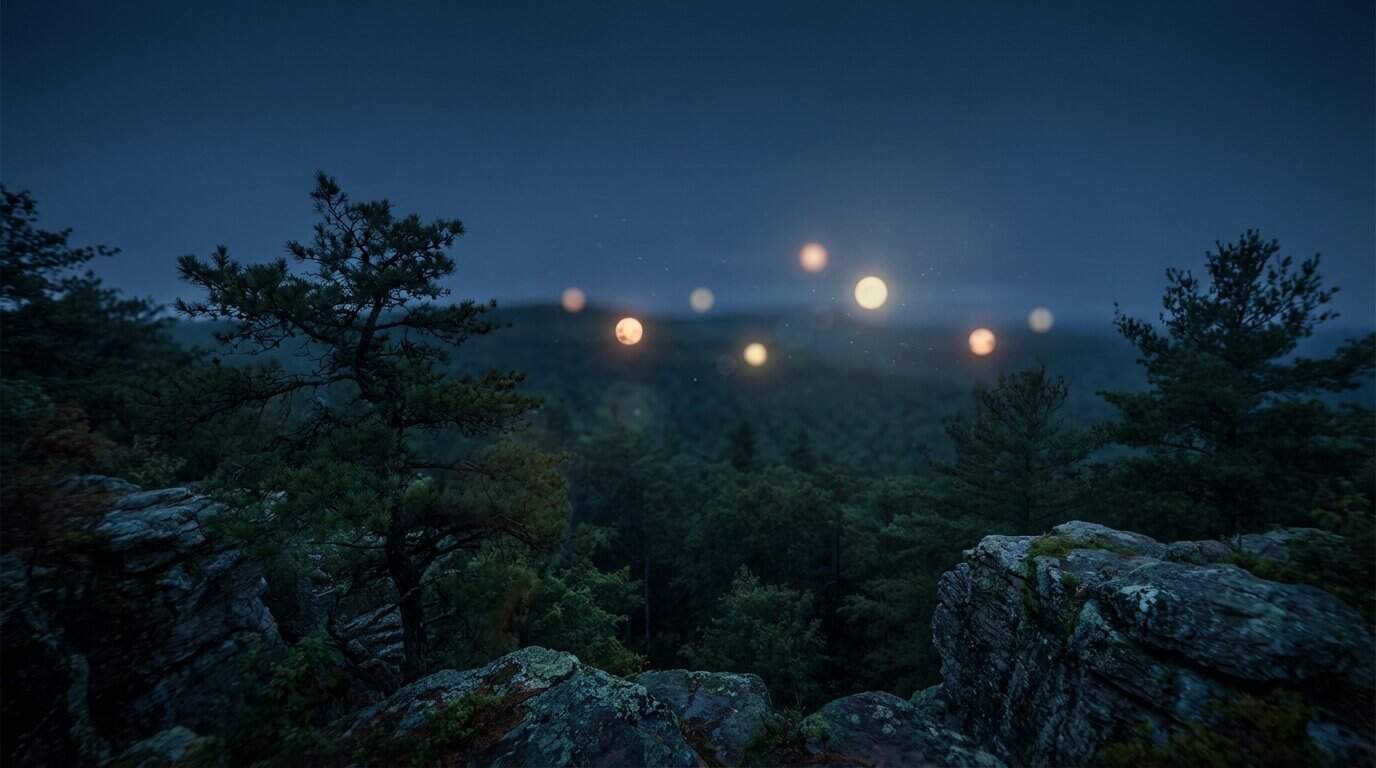
As the sun dips below the jagged rim of the Linville Gorge, a quiet tension settles over the Pisgah National Forest. Somewhere along the dark ridge, the legendary brown mountain lights begin their silent dance, appearing as glowing orbs of red, white, or blue-green. These mysterious spheres float above the trees, wobbling through the cool mountain air before vanishing as quickly as they arrived. For centuries, locals and travelers alike have gathered at Wiseman’s View, hoping to catch a glimpse of the phantom lights that defy easy explanation.
The mystery deepens on clear autumn nights, especially after a fresh rain has washed the sky clean. Witnesses describe the lights rising like small sparks or expanding into large, brilliant globes that hover fifteen feet above the ground. While skeptics search for geological answers, the sheer persistence of these sightings keeps the legend alive. Whether they are a rare natural phenomenon or something more otherworldly, the lights remain one of the most enduring secrets of the Appalachian Mountains.
Key Takeaways
- The Brown Mountain Lights are a centuries-old phenomenon in the Pisgah National Forest, appearing as multicolored, wobbling orbs that predate modern technology and industrialization.
- Optimal viewing occurs at Wiseman’s View on clear autumn nights, specifically following a fresh rainfall when the mountain air is most transparent.
- Scientific theories involving locomotive headlights, marsh gas, and piezoelectricity fail to fully explain the lights’ erratic movements and their continued appearance during historical power outages.
- The mystery remains a central piece of Appalachian folklore, bridging the gap between geological anomalies and cultural legends like the Cherokee spirits of the Linville Gorge.
Ghostly Orbs Over The Pisgah National Forest
Deep within the Pisgah National Forest, the ridge of Brown Mountain serves as the stage for a silent, luminous performance that has baffled observers for generations. These ghostly orbs appear as vibrant flickers of light, ranging in color from a pale, ghostly white to deep reds and shimmering blue-greens. Witnesses often describe them as glowing spheres that rise slowly from the Earth, hovering about fifteen feet above the brush before performing erratic, wobbling dances across the horizon. Unlike the steady glow of a distant town or the predictable path of a satellite, these lights move with a strange, playful energy that defies easy explanation. They can swell to the size of a large beach ball or shrink down to a tiny spark before vanishing into the night air as quickly as they arrived.
Timing is everything for those hoping to catch a glimpse of this Appalachian mystery from the overlooks at Wiseman’s View. Local tradition and reports from researchers suggest that the most frequent sightings occur during the crisp, clear nights of autumn. The conditions are said to be perfect just after a rainfall, when the mountain air is scrubbed clean and the darkness of the Linville Gorge is at its deepest. During these peak times, the atmosphere seems to hold its breath, creating a pristine backdrop for the multicolored orbs to manifest against the jagged silhouette of the ridge. While some nights remain quiet and dark, other evenings offer a spectacular display that leaves even the most hardened skeptics questioning what truly dwells in the forest.
The persistent nature of these lights has led to various scientific investigations, yet a definitive answer remains elusive. Researchers have proposed theories ranging from escaping marsh gas to complex geological electrical discharges caused by quartz in the mountain, but none have fully accounted for the lights’ rhythmic movements and varied colors. This gap between scientific theories and witness testimony creates a fascinating space for open minded curiosity. Could these orbs be a rare natural phenomenon that we simply do not yet have the tools to measure, or is there something more spirited at play in the North Carolina wilderness? We would love to hear your thoughts on this mystery, so have you ever seen something in the night sky that science just couldn’t explain?
Centuries Of Legends And Early Historical Sightings
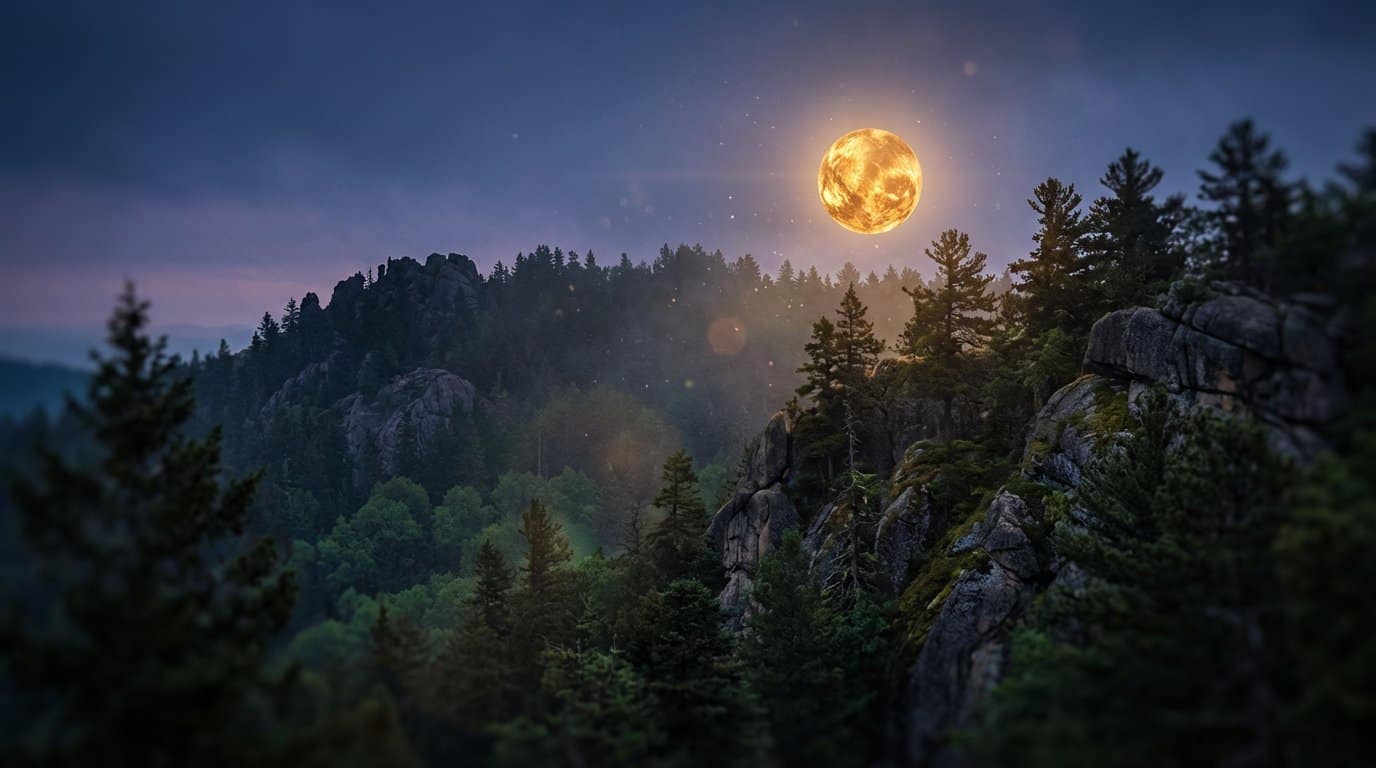
Long before modern hikers climbed the ridges of the Pisgah National Forest, the Cherokee and Catawba peoples shared stories of strange glows on Brown Mountain. According to local lore, a great battle took place between the two nations in the valley below during the year 1200. Legend says the flickering lights are the Cherokee spirits of women searching for their fallen husbands and brothers among the trees. These stories, passed down through generations, suggest that the orbs are far from a modern atmospheric fluke or a byproduct of industrialization.
European settlers began documenting their own encounters with the mysterious lights as they pushed into the Appalachian wilderness during the 1700s. One of the earliest written accounts came from a German surveyor named Gerard de Brahm, who explored the region in 1771. He noted that the lights were a persistent feature of the landscape, long before the invention of flashlights or motorized vehicles. His observations provided a historical anchor for the phenomenon, proving that the glowing orbs were present well before any modern technology could be blamed for the sightings.
By the 1800s, the mystery had grown from a local curiosity into a documented historical puzzle that baffled early scientists and explorers. Local newspapers began reporting on the ghost lights, often attributing them to everything from trapped gases to restless spirits. These early reports established a pattern of witness testimony that remains remarkably consistent to this day. While the world around the Linville Gorge has changed significantly over the centuries, the lights continue to appear exactly as they were described by those first pioneers and indigenous tribes. Much like the mystery of the Devil’s Tramping Ground, these legends have become an inseparable part of the state’s cultural identity.
Scientific Investigations And The Headlight Theory
The search for a logical explanation began in earnest when the U.S. Geological Survey sent investigators to the Linville Gorge area in 1913. These early researchers initially concluded that the mysterious glowing orbs were merely locomotive headlights from the nearby Catawba Valley reflected in the atmosphere. However, this theory hit a major roadblock when the Great Flood of 1916 washed out the local railroad tracks and cut off all power to the region. Despite the total absence of trains and electricity for weeks, local residents continued to report the same multicolored lights dancing above the ridge. This unexpected turn of events forced scientists to reconsider whether a more complex geological or atmospheric force was at work.
A second official government study in 1922 attempted to settle the matter by once again pointing toward man-made light sources like car lamps and brush fires. While these findings satisfied some skeptics, modern researchers have noted that the 1922 report failed to account for sightings that predated the invention of the automobile. Scientists today explore more exotic possibilities, such as piezoelectricity, which suggests that the immense pressure within the mountain rocks creates bursts of electrical energy. Others look toward earthquake lights or pockets of energized gas that might ignite under specific atmospheric conditions after a heavy autumn rain. These theories offer a fascinating bridge between traditional geology and the seemingly impossible sightings reported by thousands of visitors.
Even with sophisticated equipment and decades of observation, a definitive answer remains elusive for those standing at Wiseman’s View. The headlight theory struggles to explain how these orbs can hover fifteen feet in the air or bob back and forth with a mind of their own. While it is easy to dismiss strange sights as optical illusions, the persistence of the phenomenon suggests there is still much to learn about our natural world. We are left to wonder if the mountain is hiding a secret energy source or if we are witnessing a rare atmospheric dance that science cannot yet fully map. What do you think is causing these silent, colorful visitors to appear night after night in the North Carolina woods?
Hidden Geology Versus The Paranormal Unknown
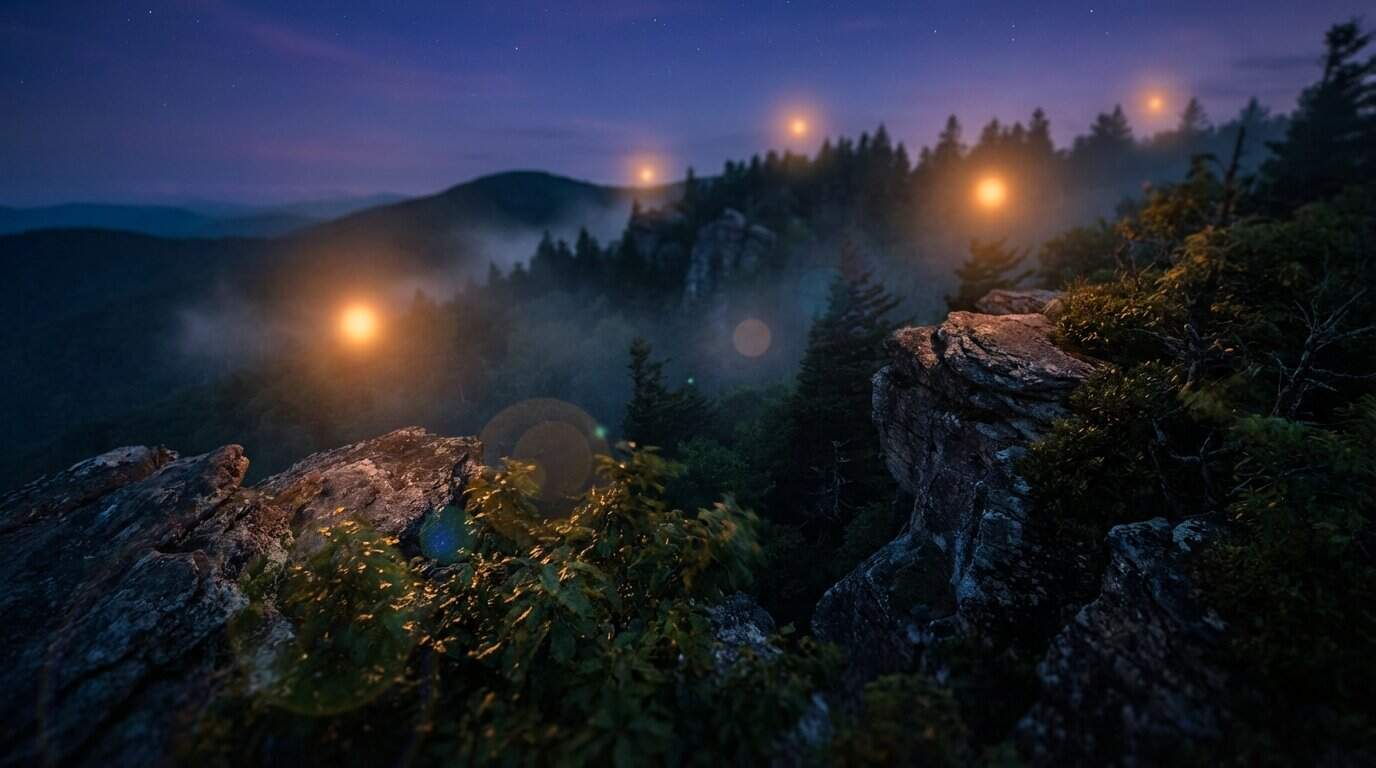
Scientists have spent decades trying to pin down a geological cause for the multicolored orbs that dance above the Linville Gorge. One popular theory suggests that the movement of the Earth’s crust creates immense pressure on quartz crystals, a process known as the piezoelectric effect, which could theoretically discharge light. Other researchers have looked into the possibility of swamp gas or natural vapors rising from the mountain’s deep crevices and igniting under specific atmospheric conditions. While these ideas offer a grounded starting point, they often struggle to explain why the lights appear so high above the ridge or how they can move against the wind. The North Carolina Geological Survey has investigated these possibilities, yet a definitive natural answer remains elusive to this day.
Despite these scientific efforts, centuries of witness testimony tell a story that feels much more mysterious and intentional. Local residents and visitors at Wiseman’s View frequently describe the lights as having a mind of their own, hovering at eye level or darting through the trees with surprising speed. These accounts often highlight the vibrant reds and blue-greens of the globes, colors that do not easily match the typical glow of ignited methane or distant electrical discharges. Many observers feel that the way the lights respond to the environment suggests something beyond simple tectonic stress or mineral deposits. This gap between laboratory theories and the actual experience of the lights keeps the paranormal unknown alive for every new generation of explorers.
The beauty of the Brown Mountain mystery lies in this ongoing tug-of-war between the known and the unknown. Even if a geological trigger is eventually proven, it may not fully account for the long history of sightings that date back to Cherokee legends and early settlers. We are left to wonder if these glowing spheres are a rare quirk of Appalachian geology or something that science simply hasn’t found the tools to measure yet. What do you think is happening deep within the woods of the Pisgah National Forest? Have you ever seen a light that felt like it was watching you back, or do you believe there is a sensible explanation waiting to be discovered?
The Timeless Mystery of the Ridge
The Brown Mountain Lights remain a captivating centerpiece of Appalachian folklore, standing as a testament to the enduring power of local mystery. While scientific investigations have attempted to pin the centuries-old phenomenon on geological gases or distant electrical reflections, these theories often fall short of explaining the specific, erratic behavior witnesses have reported for generations. Much like the ghostly glow of Australia’s Min Min lights, the orbs continue to dance across the ridge of the Pisgah National Forest, defying simple classification and inviting a healthy sense of open-minded skepticism. This balance between documented history and the unexplained ensures that the mountain keeps its secrets well-guards from those seeking easy answers.
Standing at Wiseman’s View on a crisp autumn evening offers more than just a scenic vista of the Linville Gorge. It provides a front-row seat to one of the most famous unexplained events in North Carolina, where the line between the natural world and the paranormal seems to blur. Whether the lights are a rare geological quirk or something far more mysterious, the experience of watching the horizon for a flicker of light is a rite of passage for any curious traveler. Visitors are encouraged to make the trek themselves, find a quiet spot on the overlook, and decide if what they see is a trick of the light or a true wonder of the wilderness.
Frequently Asked Questions
1. What exactly do the Brown Mountain Lights look like?
These mysterious orbs typically appear as glowing spheres of white, red, or blue-green light. They range in size from tiny sparks to large beach balls and are known to wobble or hover about fifteen feet above the ground before vanishing.
2. Where is the best place to see the lights?
Wiseman’s View along the rim of the Linville Gorge provides the most famous vantage point for observers. From this overlook, visitors have a clear line of sight toward the Brown Mountain ridge where the lights frequently perform their silent dance.
3. When is the most likely time for a sighting?
The lights are most active on clear autumn nights, particularly after a fresh rain has moved through the area. These conditions seem to wash the sky clean and provide the perfect backdrop for the ghostly orbs to emerge.
4. How long have people been seeing these lights?
Locals and travelers have documented these sightings for centuries, making them one of the oldest mysteries in the Appalachian Mountains. The persistence of these reports across many generations suggests a phenomenon that is deeply rooted in the history of the region.
5. Could the lights just be reflections or car headlights?
While skeptics often point to geological or man-made explanations, the erratic and playful movement of the lights often defies these theories. The way they rise from the earth and swell in size suggests something much more complex than simple distant traffic.
6. Are the Brown Mountain Lights dangerous to observers?
There are no records of the lights causing harm to those watching from the overlooks. They remain a silent and distant spectacle, appearing more like a natural light show than a physical threat to the people visiting the Pisgah National Forest.