The Enigma Of The Diquis Stone Spheres
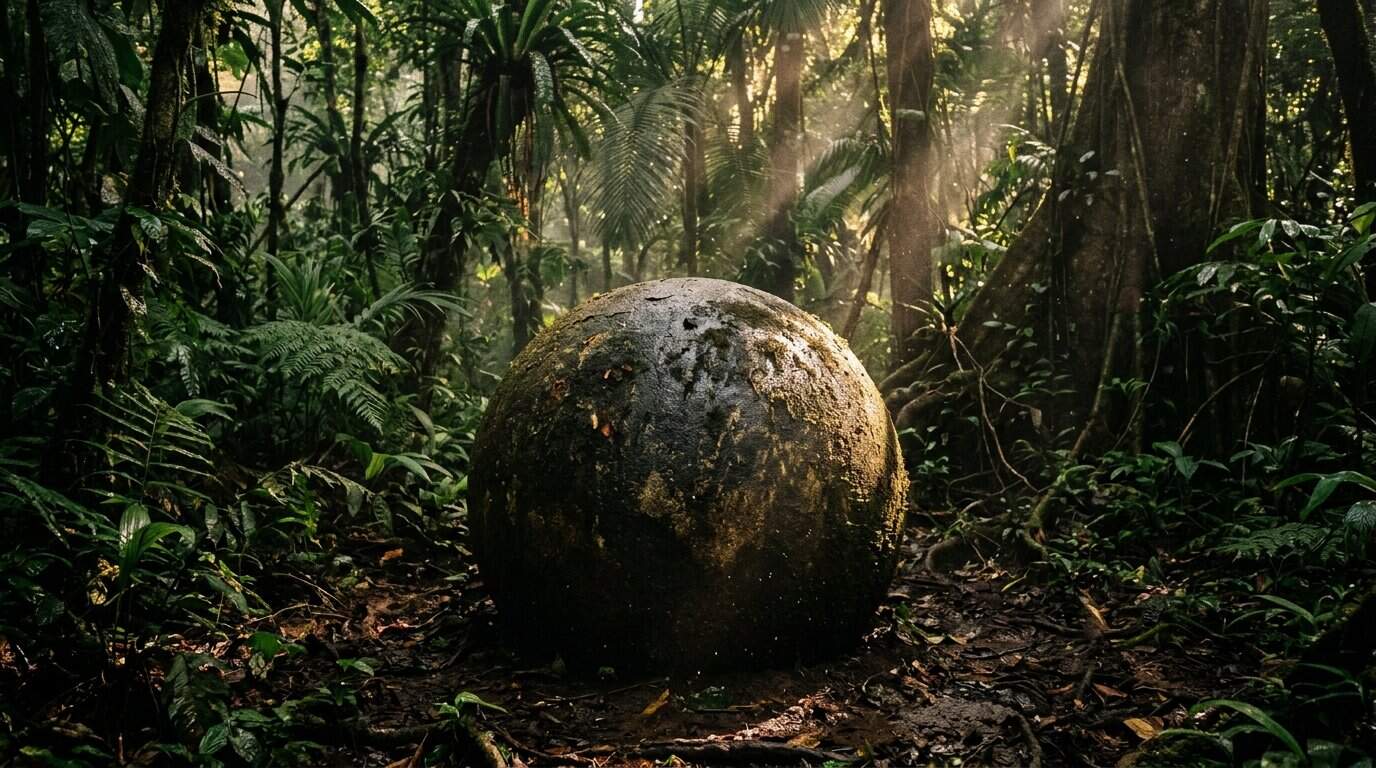
Deep within the lush jungles of the Diquís Delta, hundreds of perfectly rounded monuments sit as silent witnesses to a lost civilization. These giant stone spheres of Costa Rica have guarded the land for centuries, ranging from the size of a bowling ball to massive boulders weighing over 15 tons. Their near-perfect symmetry is so precise that it seems impossible for ancient hands to have carved them using only basic stone tools.
Designated as a UNESCO World Heritage Site, these Diquís Spheres continue to baffle archaeologists and explorers alike. While some believe they served as celestial maps or status symbols, others wonder if their placement holds a deeper, more mystical purpose. The mystery of how the extinct Diquís culture moved such immense weights through dense terrain remains one of Central America’s most captivating puzzles.
Key Takeaways
- The ancient Diquís culture achieved near-perfect geometric symmetry on over 300 stone spheres using only rudimentary tools and controlled heat techniques.
- Massive granodiorite boulders weighing up to 24 tons were transported several miles through dense jungle and swampy terrain without the use of the wheel or modern machinery.
- The precise placement of the spheres in geometric patterns suggests they functioned as sophisticated astronomical markers and solar calendars for agricultural and religious planning.
- Designated as a UNESCO World Heritage Site, the Diquís Delta serves as a critical archaeological frontier for studying the advanced mathematical and social organization of pre-Columbian societies.
Masterpieces Of The Ancient Diquis Culture
The Diquis culture transformed the southern region of the country into a gallery of geometric perfection between 300 BCE and 1500 CE. These ancient artisans managed to craft over three hundred spheres from incredibly hard igneous rock, such as granodiorite, using only rudimentary stone tools. By applying controlled heat techniques and careful fracture techniques, they chipped away at massive boulders until they achieved a near-perfect roundness that still baffles modern engineers. The sheer scale of this effort is staggering, as the largest stones reach over eight feet in diameter and weigh as much as twenty-four tons. Scholars at the National Museum of Costa Rica have documented how these monuments were often moved several miles from their original quarries to their final resting places.
The mystery deepens when considering the potential purpose behind these massive petrospheres, which were often arranged in precise alignments. Some researchers suggest that the Diquis people used the spheres as sophisticated astronomical markers to track the movement of the sun and stars. This level of engineering suggests a deep understanding of geometry and celestial mechanics that predates European contact by centuries. While many spheres were moved during agricultural expansions in the twentieth century, those found in their original locations point toward significant pathways or tribal boundaries. These artifacts serve as a silent testament to a civilization that possessed advanced technical skills and a complex worldview that we are only beginning to decode.
What do you think was the primary motivation for the Diquis people to spend generations perfecting these massive stone monuments? Could these spheres have served as a physical map of the cosmos, or do they represent a form of ancient social status we do not yet fully understand? The precision of their craftsmanship invites us to look closer at the capabilities of ancient societies and the secrets they may have left behind in the stone. We encourage you to share your theories on how such a feat was possible without modern machinery. Your perspective helps keep the conversation alive as we piece together the puzzle of the Diquis Delta.
Engineering Precision And Astronomical Alignments

The sheer perfection of the Diquís spheres suggests a level of mathematical mastery that seems out of place for a culture working without modern tools. Many of these stones are nearly perfect globes, with some measurements showing a deviation of only a few millimeters across their entire surface. This level of precision requires a deep understanding of geometry and a sophisticated method of constant measurement during the carving process. Scientists at the Finca 6 archaeological site have documented how these massive stones were shaped from hard igneous rock like granodiorite. The labor required to achieve such symmetry on a twenty ton boulder points to a highly organized society with a clear engineering vision.
Beyond their physical shape, the placement of these stones hints at an ancient obsession with the heavens. Researchers have discovered that many spheres were originally arranged in straight lines, triangles, and other geometric patterns that align with specific celestial events. Some researchers suggest these layouts served as solar calendars, marking the rising and setting of the sun during the equinoxes and solstices. This level of astronomical alignment would have been vital for agricultural planning and religious ceremonies in the Diquís Delta. The way these heavy stones were positioned with such accuracy implies they were meant to bridge the gap between the earth and the stars.
The mystery deepens when we consider that many spheres were moved from their original locations long before modern archaeologists could study them. This displacement makes it difficult to fully reconstruct the ancient maps they may have formed across the landscape. However, the remaining clusters continue to spark curiosity about the true extent of Diquís knowledge regarding the cosmos. These artifacts challenge the idea that ancient cultures lacked the technical skill to map the sky with such permanence and weight. Do you think these spheres were simple markers of status, or could they be part of a massive, lost astronomical machine?
The Mystery Of The Out Of Place Artifacts
The Diquís Spheres represent one of the most baffling engineering feats of the ancient world, challenging our understanding of early Central American technology. While these stones range from tiny pebbles to massive monuments, the largest specimens weigh an incredible 24 tons and stand over eight feet tall. These massive megaliths were carved from hard igneous rock, yet many were found miles away from the nearest stone quarries. Moving such immense weights across the rugged terrain of dense jungles and swampy deltas seems nearly impossible for a culture without the wheel or heavy machinery. The sheer effort required to transport these boulders points to a level of social organization and physical ingenuity that remains largely unexplained by traditional history.
Local legends and fringe theories have long filled the gaps where conventional archaeology struggles to provide answers. Some stories from the region suggest that ancient inhabitants possessed a secret liquid derived from plants that could soften stone, allowing it to be molded or rolled with ease. Others look toward the stars or sunken civilizations like Atlantis, suggesting the spheres served as sophisticated navigational markers or astronomical calendars. There are even whispers of ancient giants who once roamed the Diquís Delta, placing the stones as effortless lawn ornaments. While researchers have documented the spheres as products of the Diquís culture, the precision of their roundness continues to fuel speculation about lost prehistoric knowledge.
The placement of these spheres often hints at a deeper purpose involving the alignment of the earth and the heavens. Many were originally found in groups or lines, leading some researchers to believe they were used to track the movement of the sun or mark significant tribal boundaries. Because so many were moved or damaged during the agricultural booms of the twentieth century, the original map of their locations is mostly lost to time. This loss of context only deepens the mystery of why a civilization would dedicate so much energy to creating perfectly round objects. If these stones were not just art, could they have been part of a massive, prehistoric machine or a global communication network?
Protecting The UNESCO World Heritage Legacy
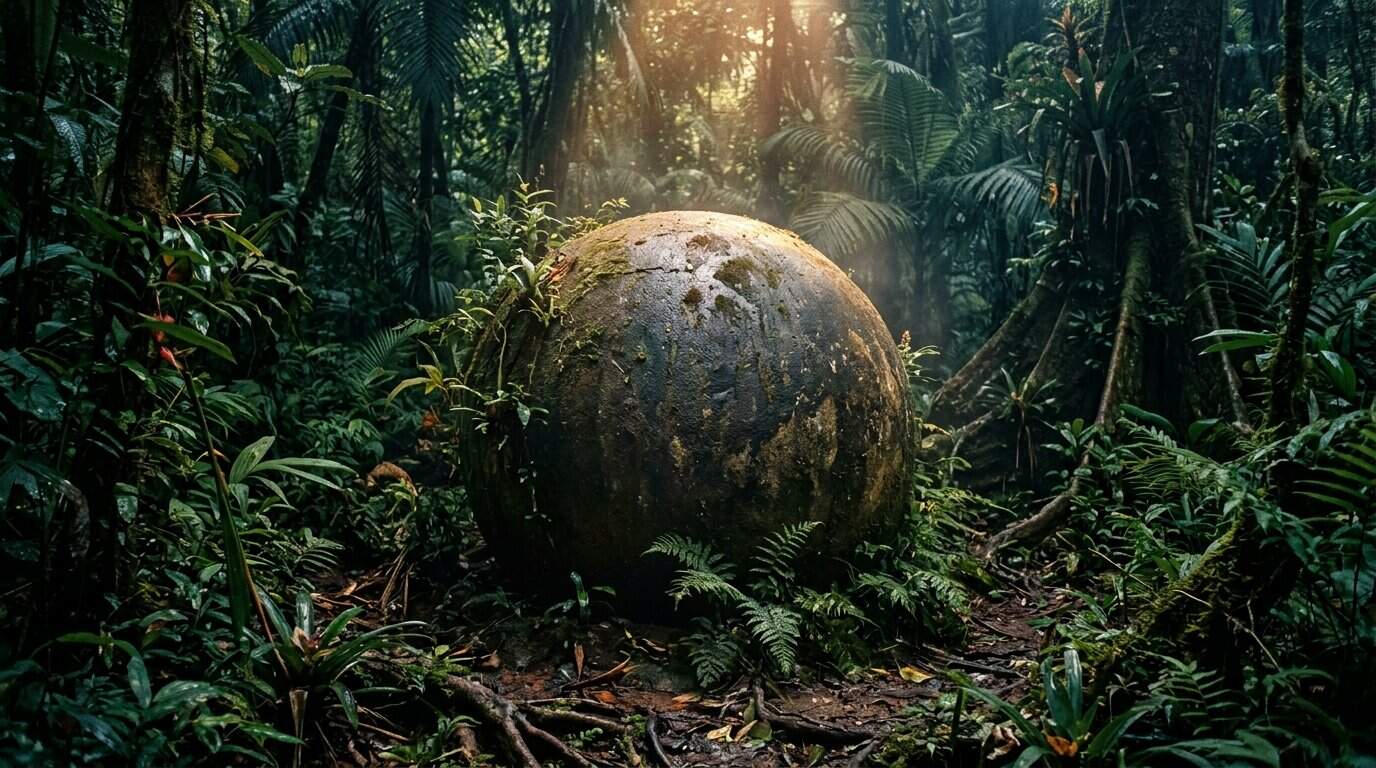
Preserving the Diquís Spheres is a race against time and the elements at sites like Finca 6, where archaeologists work tirelessly to protect these ancient treasures. Since being named a UNESCO World Heritage Site in 2014, these three hundred artifacts have received specialized care to prevent erosion and damage from the tropical climate. Experts from the National Museum of Costa Rica oversee the conservation efforts, ensuring the igneous rock surfaces remain intact for future generations. By keeping many spheres in their original locations, researchers can study how they interact with the landscape. This physical preservation is the first step in unlocking a cultural legacy that was nearly lost to history.
The mystery of how the Diquís culture achieved such perfect geometric precision continues to drive modern scientific research. Engineers and historians study the massive weight of the spheres, which can reach up to twenty four tons, to understand the advanced engineering used by these ancient people. Some researchers suggest that the placement of the stones was not random but followed specific astronomical alignments or tribal boundaries. While the exact tools used to carve such hard stone remain a subject of debate, the sheer scale of the engineering suggests a highly organized society. Every new excavation at Finca 6 brings us closer to understanding the sophisticated math behind these megalithic wonders.
Beyond their physical beauty, these stone spheres represent a significant gap in our understanding of ancient global engineering. They stand as silent witnesses to a civilization that mastered stone working on a level that rivals the world’s most famous megalithic sites. Ongoing studies explore the possibility that the spheres served as celestial maps or markers for significant solar events. As scientists use modern technology like ground penetrating radar, they uncover more about the buried history of the Diquís Delta. Each discovery challenges us to rethink the technological capabilities of indigenous cultures in Central America.
The Unsolved Legacy of the Diquis Spheres
The Diquis spheres remain one of history’s most captivating puzzles, standing as silent witnesses to a culture that possessed a profound understanding of geometry and engineering. These artifacts represent a significant gap in our understanding of ancient technology, as their near perfect roundness suggests a level of precision that is difficult to explain without modern tools. While many have been moved from their original locations, those found in their primary spots hint at deliberate alignments with the stars and the changing seasons. The sheer effort required to transport these twenty ton stones through dense jungles and across rivers suggests they were far more than simple decorations. Much like the mystery of the Puma Punku stones, the Diquís monuments defy conventional explanations of prehistoric capability.
Each discovery beneath the forest floor invites us to reconsider the sophistication of the people who lived in the Diquis Delta over a thousand years ago. We are left to wonder if these megaliths served as celestial calendars, symbols of status, or perhaps something even more mysterious that we have yet to decode. As archaeology continues to peel back the layers of the past, the possibility remains that more spheres are waiting to be found in the untouched corners of the region. Their presence challenges us to look beyond the surface and imagine a world where the earth and sky were connected through stone. What do you think their original purpose truly was?
Frequently Asked Questions
1. Who actually created these massive stone spheres?
The ancient Diquis culture crafted these monuments between 300 BCE and 1500 CE in the southern region of Costa Rica. These skilled artisans transformed the landscape into a gallery of geometric perfection long before the arrival of Spanish explorers.
2. How did ancient people achieve such perfect roundness?
Craftsmen used a sophisticated process of applying controlled heat and careful fracture techniques to chip away at hard igneous rock. By using rudimentary stone tools for grinding and polishing, they achieved a level of symmetry that continues to baffle modern engineers today.
3. How heavy are the largest stone spheres?
The sizes of these monuments vary greatly, ranging from the dimensions of a small bowling ball to massive boulders over eight feet in diameter. The heaviest examples recorded by the National Museum of Costa Rica weigh an incredible twenty-four tons.
4. What was the original purpose of the Diquis spheres?
Many researchers believe the spheres served as astronomical markers to track the sun or as symbols of high social status. Their precise alignments suggest they may have functioned as celestial maps or held a deep, mystical significance for the community.
5. How were these heavy stones moved through the dense jungle?
The Diquis people transported these immense weights several miles from distant quarries to their final resting places. This feat remains one of the most captivating puzzles of Central America, as it required navigating incredibly dense terrain without modern machinery.
6. Can visitors still see the spheres in their original locations?
While many stones were moved or damaged over the centuries, several remain in their original spots within the Diquis Delta. This area is now protected as a UNESCO World Heritage Site to preserve the mystery and integrity of these ancient masterpieces. Much like the Nazca Lines, these stone spheres of Costa Rica represent a peak of pre-Columbian achievement that continues to inspire awe.