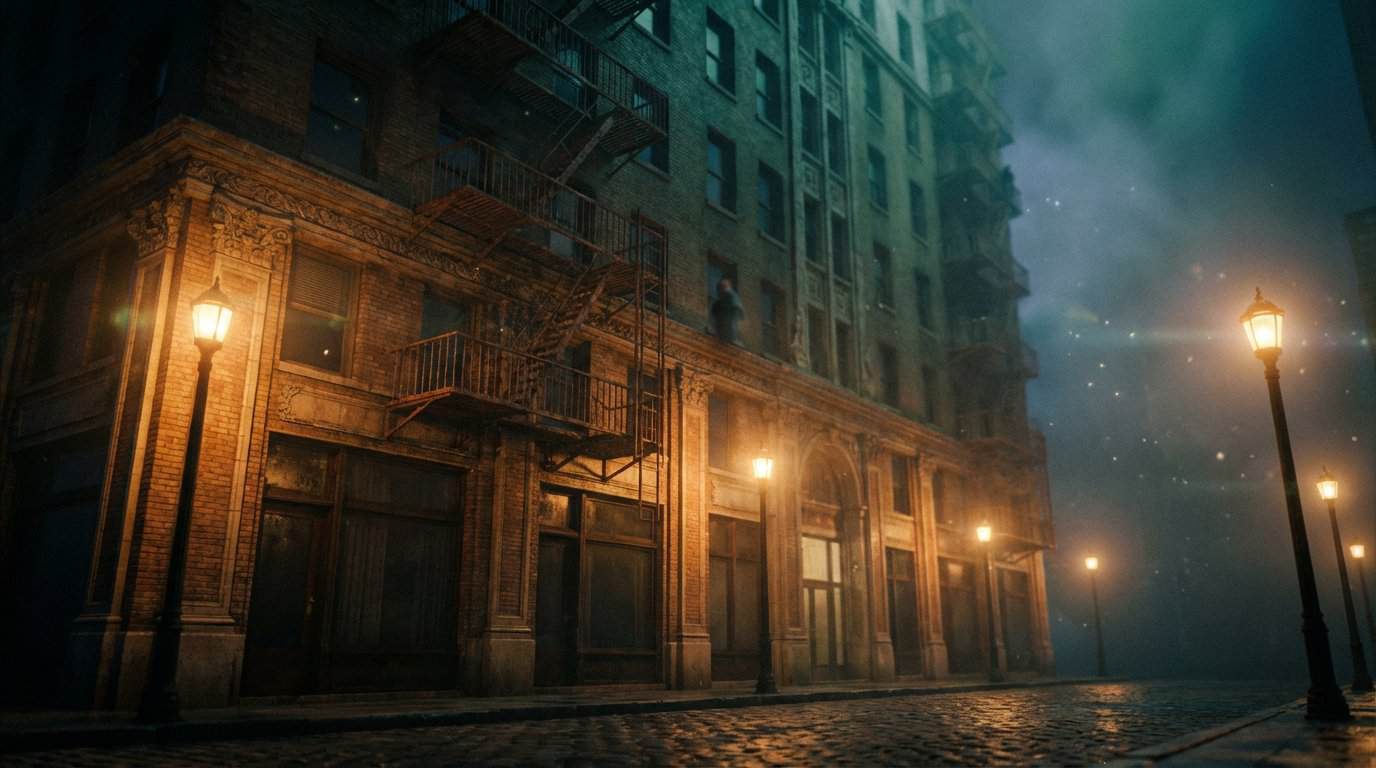
The Cecil Hotel Mysteries: A Century Of True Crime And Paranormal Secrets
When the grand doors of the Cecil Hotel opened in Los Angeles in 1924, its gleaming marble lobby and elegant Beaux-Arts styling promised a luxurious escape for weary travelers. The sparkle of this million-dollar destination quickly faded as the Great Depression set in, casting a dark shadow over the building that would linger for a century. Instead of hosting glamorous vacations, the halls became ground zero for unexplained disappearances, chilling murders, and haunting tragedies. Today, the sheer volume of Cecil Hotel mysteries continues to capture the imagination of true crime enthusiasts and paranormal researchers alike.
By the 1940s, the grim reality of the property earned it a chilling nickname among locals: “The Suicide.” While skeptics point to its unfortunate location near Skid Row as a logical explanation for the endless string of tragedies, the bizarre nature of the events leaves many wondering if a more sinister energy walks those faded corridors. From notorious serial killers seeking refuge in its rooms to guests vanishing without a trace, the history of this infamous building suggests that some dark forces simply refuse to check out.
Key Takeaways
- Originally built as a luxury destination in 1924, the Cecil Hotel quickly devolved into a notorious hotspot for tragedy, earning the nickname ‘The Suicide’ due to the economic devastation of the Great Depression.
- The hotel’s cheap rates and transient environment provided an inconspicuous refuge for infamous serial killers like Richard Ramirez and Jack Unterweger during the 1980s and 1990s.
- The chilling 2013 death of Elisa Lam, marked by bizarre elevator footage and her baffling discovery in a rooftop water tank, cemented the building’s modern infamy.
- A fierce debate continues over the root cause of the hotel’s century of horrors, pitting logical explanations of poverty and mental illness against theories of a magnetic, supernatural dark energy.
Early Tragedies And The Suicide Nickname
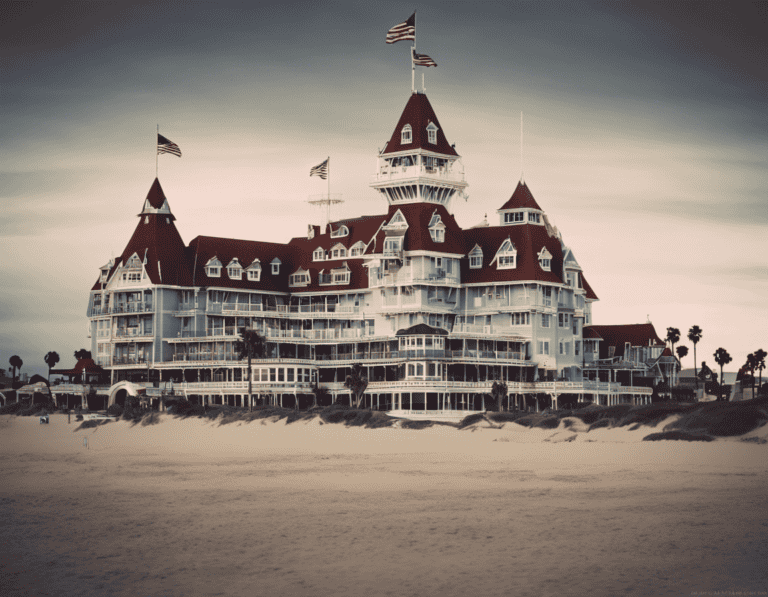
When hotelier William Banks Hanner opened the Cecil Hotel, he envisioned a glamorous destination for wealthy business travelers. Historical records show he spent around one and a half million dollars to build a stunning property featuring a polished marble lobby and elegant Beaux-Arts styling. This dream of luxury was remarkably short-lived. The devastating arrival of the Great Depression quickly stripped away the wealth of the era, while the expanding borders of nearby Skid Row brought poverty right to the front doors of the hotel. Instead of hosting elite tourists, the beautiful building became a cheap boarding house for those who had nowhere else to go.
As the 1940s arrived, a dark cloud seemed to settle permanently over the property. Local historians note that a shocking wave of tragic deaths began to plague the building, with numerous guests ingesting poison or taking unexplained falls from the upper floor windows. The sheer volume of these deadly incidents led locals to grimly nickname the building “The Suicide.” While skeptics blame the horrific economic conditions of the time, the staggering concentration of tragedy in one specific location raises unsettling questions. Many paranormal researchers wonder if the land itself holds a dark energy that attracts misery and despair.
These early decades of sorrow laid a deeply disturbing foundation for the century of mysteries that followed. The hotel quickly became a focal point for true crime enthusiasts and ghost hunters alike, as the eerie coincidences only seemed to multiply with time. Countless visitors have reported strange chills and heavy atmospheres in the very rooms where those initial tragedies occurred. This historical pattern of doom makes it hard to completely dismiss the idea of a haunting. Looking closely at these origins, one has to ask if the building was simply a victim of bad timing or if it was truly cursed from the start.
Serial Killer Residents Richard Ramirez And Jack Unterweger
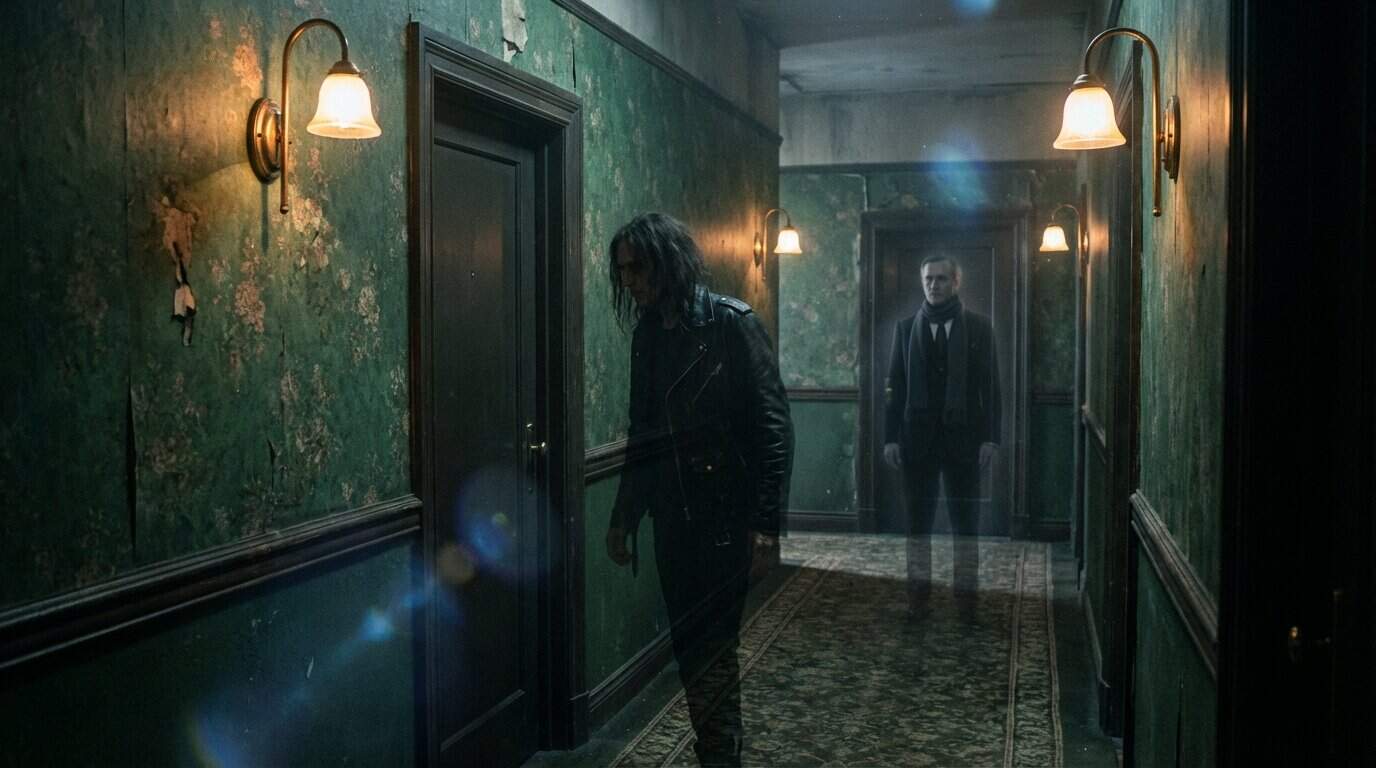
During the gritty decades of the 1980s and 1990s, the sprawling Cecil Hotel became a chilling sanctuary for some of the most notorious murderers in history. The dark, winding hallways provided a perfect cover for these figures to hide in plain sight among the transient residents of Skid Row. In 1985, the terrifying serial killer known as the Night Stalker, Richard Ramirez, reportedly made the top floor of the Cecil his home base during his horrific crime spree. According to historical records and crime historians, Ramirez would casually return to the hotel covered in blood and discard his blood-soaked clothing in the alley dumpsters. It is almost as if the heavy, oppressive atmosphere of the building offered him a protective cloak, leaving many to wonder if the hotel itself somehow fueled his dark urges.
The sinister energy of the building seemingly called out to another monster just a few years later in 1991. Austrian serial killer Jack Unterweger checked into the Cecil Hotel under the clever guise of a true crime journalist researching the red light district of Los Angeles. Law enforcement documents reveal that he used this professional cover to ride along with local police, all while secretly committing his own string of brutal murders. Unterweger walked the very same lobby floors as Ramirez, finding a bizarre comfort in a place already soaked in a century of tragedy. This terrifying overlap of two active serial killers choosing the exact same budget hotel raises unsettling questions about what truly draws evil to certain locations.
Skeptics often argue that cheap rent and a location near Skid Row are the only reasons these criminals chose to stay at the Cecil. However, paranormal researchers and curious historians firmly believe the property holds a magnetic, dark energy that specifically attracts violence and despair. The sheer volume of eerie coincidences surrounding the building makes it incredibly difficult to completely dismiss the supernatural theories. Observers are left to wonder if a physical structure can actually absorb the trauma of its past and broadcast it out to those willing to listen. Is the Cecil Hotel simply a victim of bad geography, or does a genuine paranormal force pull these dark figures through its doors?
The Baffling Elevator Video And Elisa Lam
In early 2013, a young Canadian tourist named Elisa Lam checked into the Cecil Hotel, unknowingly stepping into one of the most chilling mysteries of the modern era. Shortly before she vanished, hotel security cameras captured her acting bizarrely inside an elevator, pressing multiple buttons, and stepping out to wave her hands at an unseen presence. While medical records confirmed she struggled with bipolar disorder, the unsettling footage sparked massive online debates. Her unnatural, almost fluid movements and the way the elevator doors refused to close led many to wonder if something sinister was lurking just out of frame. Even seasoned investigators who watched the tape admitted the scene felt less like a medical episode and more like a haunting encounter.
Weeks after the video surfaced, maintenance workers made a horrifying discovery when they found her body inside one of the massive rooftop water tanks. The Los Angeles County coroner officially ruled her death an accidental drowning linked to her mental health, but this logical explanation left many questions entirely unanswered. True crime enthusiasts and paranormal researchers quickly pointed out the sheer physical difficulty of reaching the restricted roof without triggering alarms. Furthermore, the immense size of the water tanks and the complicated access routes made the idea of her trapping herself inside seem almost impossible. When looking at the strange history of the property alongside these physical hurdles, one has to wonder: was her tragic end simply a devastating mental break, or did the dark energy of the Cecil Hotel claim another victim?
Uncovering the Dark Legacy of the Cecil Hotel
The Cecil Hotel stands as a chilling monument to the dark side of Los Angeles history. Originally built as a gleaming luxury destination in the 1920s, the grand building quickly deteriorated into a backdrop for some of the most unsettling events of the last century. Over the decades, its walls have witnessed a staggering number of tragic suicides, unsolved murders, and baffling disappearances. This relentless string of misfortune earned the building a grim reputation, transforming its elegant marble lobby into a gateway for mystery. Today, the sheer volume of eerie coincidences makes it impossible to ignore the lingering shadows that haunt its hallways.
This sinister history continues to draw true crime detectives and paranormal investigators to the legend of the property. Looking at the sheer concentration of violence and unexplained phenomena in one location, observers often wonder if something supernatural is at play. The overlapping timelines of notorious serial killers finding refuge there and guests vanishing under strange circumstances blur the line between human malice and ghostly influence. Curiosity seekers cannot help but be captivated by the idea that the physical space itself might attract or even generate dark energy. The hotel serves as a perfect storm where documented historical facts meet the chilling unknown.
The story of this infamous landmark leaves the world with far more questions than answers. As researchers explore the chilling tales and analyze the bizarre evidence left behind, the true nature of the building remains a deeply unsettling puzzle. Do you believe the Cecil Hotel is genuinely cursed by a dark, supernatural force, or is it simply a tragic victim of its location and terrible circumstances? Share your theories in the comments below and join the discussion on this fascinating debate.
Frequently Asked Questions
1. When did the Cecil Hotel first open its doors?
Hotelier William Banks Hanner opened the Cecil Hotel in 1924 as a glamorous destination for wealthy business travelers. Historical records show he spent around one and a half million dollars to build the stunning property. It featured a polished marble lobby and elegant Beaux-Arts styling that promised a luxurious escape.
2. Why is the Cecil Hotel sometimes called The Suicide?
The hotel earned this chilling nickname in the 1940s after a long string of tragic events took place within its walls. The devastating arrival of the Great Depression stripped away the wealth of the era, turning the beautiful building into a cheap boarding house. As poverty from nearby Skid Row reached its front doors, the halls became ground zero for unexplained tragedies.
3. Did the location of the Cecil Hotel contribute to its dark history?
Skeptics often point to the unfortunate location near the Skid Row neighborhood of Los Angeles as a logical explanation for the endless tragedies. The expanding borders of the impoverished area brought desperate people right to the steps of the hotel. However, the bizarre and frequent nature of the events leaves many wondering if a more sinister energy walks those faded corridors.
4. What kinds of mysteries are associated with the Cecil Hotel?
The sheer volume of Cecil Hotel mysteries includes unexplained disappearances, chilling murders, and haunting tragedies over the last century. Notorious serial killers have sought refuge in its rooms, and numerous guests have vanished without a trace. This endless cycle of grim events suggests to paranormal researchers that some dark forces simply refuse to check out.
5. Did serial killers actually stay at the Cecil Hotel?
Yes, the infamous building served as a temporary home for several notorious serial killers seeking a quiet place to hide. The cheap room rates and transient nature of the guests made it an ideal refuge for those wanting to blend into the shadows. True crime enthusiasts often study these stays to understand how such dark figures slipped by unnoticed.
6. Why do people still care about the Cecil Hotel mysteries today?
The dark history of the building continues to capture the imagination of true crime enthusiasts and paranormal researchers alike. People are naturally drawn to the blend of documented historical tragedies and the unexplained phenomena that still surround the property. Exploring these fading corridors offers a fascinating glimpse into a century of chilling and unsolved events.
7. Are the events at the Cecil Hotel caused by paranormal activity or just bad luck?
This remains one of the most debated questions among researchers and historians today. While logical explanations focus on the economic collapse of the Great Depression and the proximity to Skid Row, the bizarre details of many cases defy simple answers. It is entirely possible that the building holds a lingering dark energy that traditional science cannot fully explain.