Secrets Of Derinkuyu Underground City: Why Did Ancient People Hide?
Imagine knocking down a simple basement wall during a home renovation, only to discover a massive, dark tunnel leading deep into the earth. In 1963, a local man in Turkey experienced exactly that, accidentally uncovering the sprawling Derinkuyu underground city. Plunging nearly 280 feet beneath the rocky surface of Cappadocia, this ancient marvel remains the largest excavated subterranean world ever found. It was not just a temporary bunker, but a highly engineered sanctuary designed to keep up to 20,000 people, along with their livestock and food supplies, alive for months without ever seeing daylight.
While historians often point to early groups hiding from invaders as the primary architects, the sheer scale and complexity of the site hint at a much deeper, older mystery. How did ancient builders carve miles of perfect ventilation shafts, complex water wells, and massive rolling stone doors out of volcanic rock without modern machinery? The staggering engineering required to build such a massive subterranean metropolis leaves many wondering if there is more to the story of who truly dug these tunnels. This breathtaking labyrinth continues to challenge our understanding of ancient human survival, leaving behind whispers of an advanced past hidden just beneath our feet.
Key Takeaways
- Discovered accidentally in 1963, Derinkuyu is an 18-level subterranean marvel in Turkey capable of safely sustaining 20,000 people and their livestock.
- The ancient underground city features astonishing engineering, utilizing 52 massive ventilation shafts, complex water wells, and heavy rolling stone doors.
- Mainstream historical evidence indicates these deep fortresses were originally carved into volcanic rock to escape relentless invasions and religious persecution.
- The extreme depth and self-sustaining complexity of the tunnels fuel alternative theories that ancient humanity was seeking refuge from global cataclysms or otherworldly threats.
Engineering Derinkuyu And Its Eighteen Subterranean Levels
Descending over 85 meters into the earth, this massive complex features eighteen subterranean levels carved directly into the volcanic rock. According to recent archaeological reports, the city was brilliantly designed to house up to 20,000 people alongside their livestock. It achieved this incredible feat using 52 massive ventilation shafts that pushed fresh air deep into the underground depths. Whole communities could survive for months without ever seeing daylight, relying on a sophisticated network of water wells, food storage rooms, and living quarters. The sheer scale of this excavation in the Cappadocia region leaves modern builders completely baffled by how ancient workers managed such incredible precision.
While archaeologists have documented the structural genius of Derinkuyu, the true mystery lies in why ancient humans needed to build such an extreme fortress. Standard historical accounts suggest they were simply hiding from invading armies, but digging an 85-meter-deep city seems like a massive overreaction to temporary local conflicts. Many alternative researchers wonder if humanity was actually seeking shelter from something much more catastrophic, like a sudden global climate disaster or a devastating meteor strike. Others even point their attention to the sky, suggesting these deep bunkers could have provided necessary protection against advanced aerial threats or extraterrestrial encounters. When you look at the complex layout and the massive rolling stone doors designed to seal the city from the inside, the threat clearly felt apocalyptic to the builders. The idea that ancient people were hiding from an unknown worldwide cataclysm makes perfect sense when you stand in these deep, windowless rooms.
Walking through these dark tunnels today makes you question everything we currently accept about early human history. The original architects possessed an advanced understanding of air circulation, structural integrity, and long-term survival tactics that seem incredibly out of place for their era. Could our ancestors have survived a forgotten global reset by retreating into these very subterranean caves? We invite you to share your thoughts in the comments below about what might have driven 20,000 people to completely abandon the surface world. Exploring these ancient mysteries helps us piece together a past that might actually be far stranger than any traditional history book claims.
Historical Evidence Of Invasions And Persecution
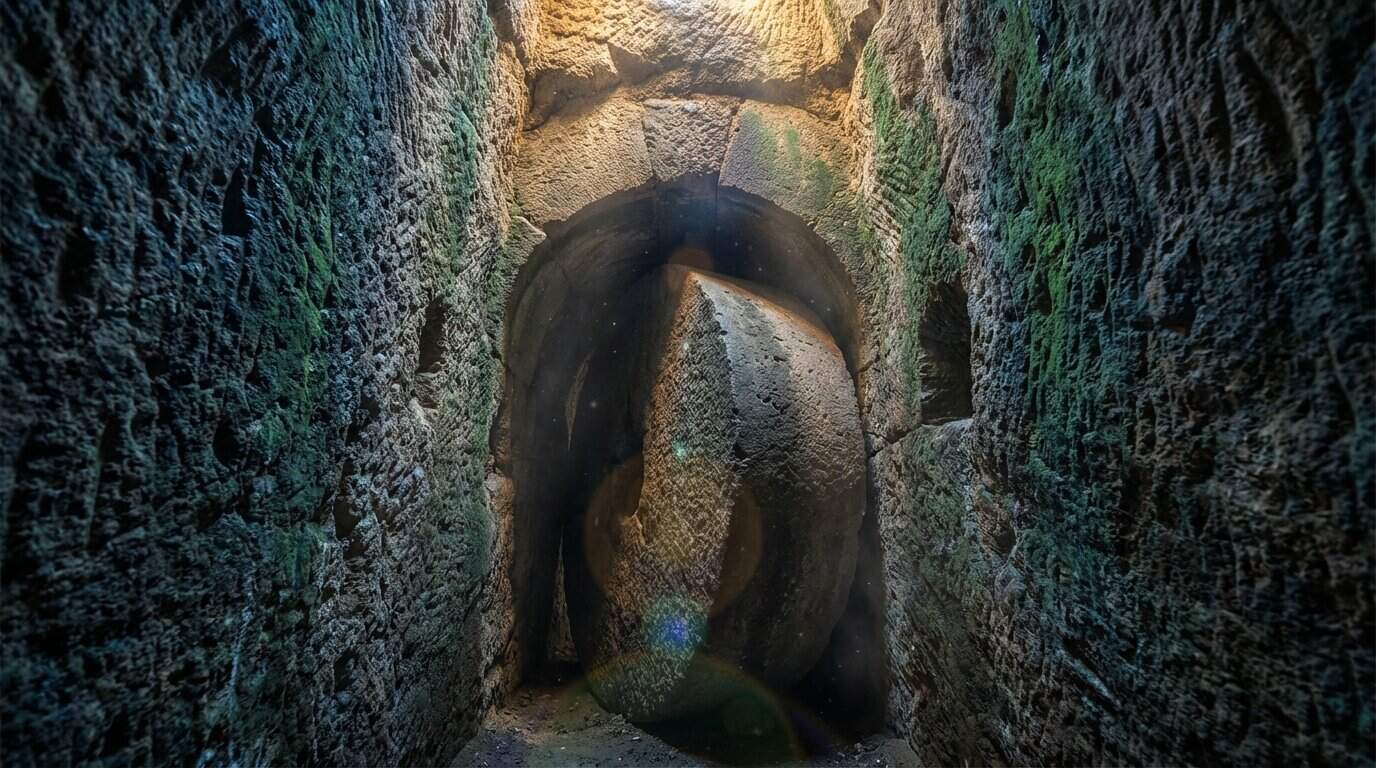
Historical records and archaeological studies suggest that the earliest levels of Derinkuyu were carved out by the Phrygians around the eighth century BCE. Recent reports from historical guides highlight that this massive subterranean complex descends over 85 meters into the earth, creating a sprawling refuge for ancient communities. Mainstream scientific consensus points to the constant threat of invading armies as the primary reason these early builders decided to move their entire lives underground. By digging deep into the soft volcanic rock of the region, they created a hidden fortress capable of keeping up to 20,000 people and their livestock alive without seeing daylight. The sheer effort required to excavate such a massive space tells a story of a society living in absolute terror of what was happening on the surface.
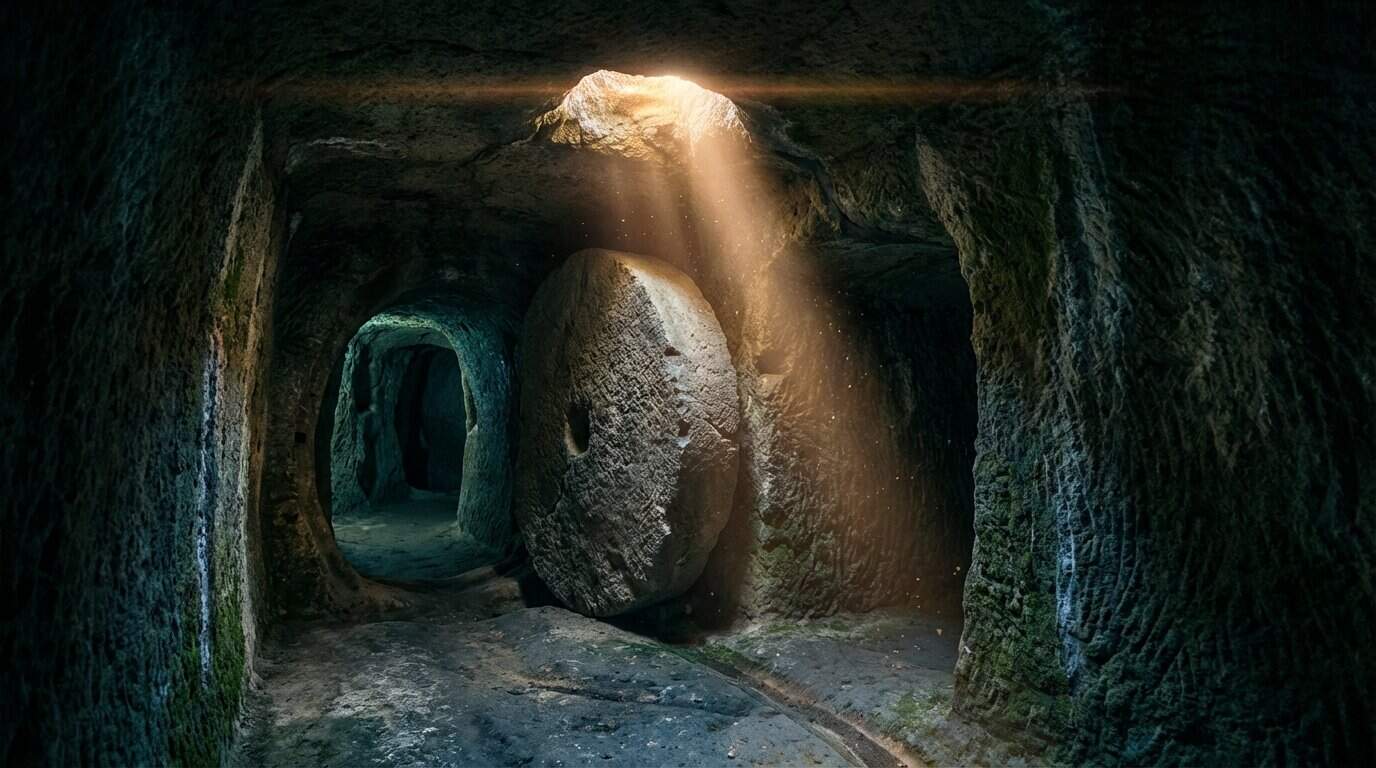
Centuries later, early Christians greatly expanded these tunnels to escape intense persecution and violent raids from passing empires. To protect themselves from these relentless surface attacks, the inhabitants engineered massive circular stone doors that could only be rolled shut from the inside. These ingenious defensive barriers allowed families to seal off entire levels of the city, much like the architectural features seen at other historical sites in Cappadocia. Historical documentation from the era paints a vivid picture of communities retreating into the dark, relying on complex ventilation shafts and deep wells to survive long sieges. It is fascinating to imagine thousands of people huddled together in the dimly lit caves, listening to the muffled sounds of enemy soldiers marching right above their heads.
While escaping human armies is the widely accepted explanation, the mind-boggling depth of Derinkuyu leaves plenty of room for alternative theories. Some researchers and curious minds wonder if these ancient people were actually hiding from something far more terrifying than a standard military invasion. The incredible depth and self-sustaining nature of the complex could suggest a desperate attempt to survive global cataclysms, extreme weather events, or even mysterious threats coming from the sky. When you look at the extreme measures taken to isolate this underground world, the idea of an unknown or otherworldly danger suddenly feels like a very real possibility. What do you think drove these ancient builders to dig so deeply into the earth, and could they have been protecting themselves from a threat we have yet to discover?
Fringe Theories Of Cataclysms And Extraterrestrials
Descending over 85 meters into the earth, the sheer scale of Derinkuyu leaves many wondering what could have driven ancient people to carve out such a massive subterranean fortress. While traditional historical documentation points to early Christians hiding from religious persecution, alternative researchers suggest the complex might be far older and built for a much more dramatic purpose. Some theorists propose that the intricate network was actually designed as a survival bunker to protect up to 20,000 people and their livestock from a sudden global cataclysm. According to certain ancient texts, humanity once faced a devastating global ice age that forced civilizations to seek refuge deep underground where the natural warmth of the earth could keep them alive. This chilling idea perfectly explains the advanced ventilation shafts and massive stone rolling doors, which seem built to seal out a hostile surface world rather than just a few passing armies.
Beyond extreme weather events, a more cosmic theory suggests that the residents of this underground marvel were hiding from threats that came from the sky. Proponents of the ancient astronaut theory argue that the sophisticated engineering required to excavate millions of cubic feet of solid rock points to the use of advanced, perhaps otherworldly, technology. They wonder if these ancient builders were actually seeking refuge from extraterrestrial conflicts or flying weapons that made the surface completely uninhabitable. The presence of deep water wells that intentionally do not connect to the surface supports the idea that the inhabitants were terrified of airborne toxins or attacks from above. When you walk through the narrow tunnels today, it is hard to ignore the lingering feeling that this incredible shelter was created by a civilization desperately hiding from an unimaginable terror.
Recent reports from archaeological experts continue to highlight Derinkuyu as a premier historical marvel, yet the true origins of its deepest levels remain cloaked in mystery. Mainstream science provides logical explanations for many features, but the staggering capacity of the complex keeps these fascinating alternative theories alive. Perhaps the truth lies somewhere in the middle, blending forgotten human ingenuity with a desperate response to a long-lost global disaster. As researchers continue to map out new and unexplored tunnels branching off from the main chambers, the world watches closely for new clues. What do you think truly drove these ancient people to abandon the sun and build a life completely underground?
The Impossible Scale of Derinkuyu Underground City
The sheer scale of Derinkuyu remains one of the greatest archaeological marvels of the ancient world. Descending over 85 meters into the earth, this massive subterranean complex was somehow engineered to keep up to 20,000 people, along with their livestock and food supplies, alive without seeing daylight. [Insert Image Here: A dimly lit, narrow stone tunnel winding deeper into the Derinkuyu underground city.] Mainstream historians continue to debate the timeline and exact reasons for its construction, often pointing to invading armies or religious persecution. However, the immense effort required to carve such a vast network out of solid rock suggests a motivation far more urgent than typical wartime defense.
When considering the extraordinary depth and complexity of these shelters, it is hard not to wonder if our ancestors were hiding from something much more terrifying. Some alternative researchers suggest that ancient humanity might have been seeking refuge from global cataclysms, extreme solar flares, or even extraterrestrial threats from the skies above. The idea that an entire civilization felt compelled to abandon the surface world and build a permanent life underground challenges everything we know about human history. While mainstream science looks for conventional answers, the silent stone walls of Cappadocia leave plenty of room for these extraordinary possibilities.
The mystery of this ancient underground world continues to capture the imagination of anyone who explores its depths. Perhaps the true reason for its creation is still waiting to be discovered hidden away in an unexcavated tunnel. We would love to hear your thoughts on this incredible subterranean puzzle. What do you believe drove thousands of ancient people to pack up their lives and hide so deep underground? Share your own theories and ideas in the comments below.
Frequently Asked Questions
1. How was the Derinkuyu underground city discovered?
In 1963, a local man in Turkey was doing a simple home renovation and knocked down a basement wall. Behind that wall, he found a massive, dark tunnel leading deep into the earth. This accidental discovery revealed the largest excavated subterranean world ever found.
2. How many people could live inside Derinkuyu at once?
The ancient builders designed this sprawling complex to safely house up to 20,000 people for months at a time. It was not just for humans, as the city also had dedicated spaces to keep livestock and store large food supplies. According to international news reports, whole communities could survive comfortably without ever seeing daylight.
3. How deep does the underground city go?
This breathtaking labyrinth plunges nearly 280 feet, or about 85 meters, beneath the rocky surface of Cappadocia. It features eighteen distinct subterranean levels carved directly into the volcanic rock. Navigating these depths continues to challenge our understanding of ancient human survival.
4. How did the residents get fresh air so far underground?
The city relied on a brilliant engineering marvel featuring 52 massive ventilation shafts. These shafts pushed fresh air deep into the underground depths, ensuring everyone could breathe easily. It remains a profound mystery how ancient people carved miles of perfect shafts without modern machinery.
5. Who actually built the Derinkuyu underground city?
Historians often believe early groups built it to hide from passing invaders. However, the sheer scale and staggering engineering of the site hint at a much older and more advanced civilization. The massive rolling stone doors and complex water wells leave many wondering if there is more to the story of who truly dug these tunnels.
6. How did the people living there protect themselves from enemies?
The architects carved massive rolling stone doors out of the volcanic rock to seal off the tunnels from the outside world. These heavy doors could only be opened and closed from the inside, providing a highly engineered sanctuary. This clever design kept the entire subterranean metropolis safe from any threats above ground.
7. How did they carve through the rock without modern tools?
The builders carved the entire city out of the soft volcanic rock of the Cappadocia region. While mainstream science suggests they used simple hand tools, the perfect precision of the ventilation shafts and living quarters raises fascinating questions. This incredible feat leaves behind whispers of an advanced past hidden just beneath our feet.