Number Stations Explained: The Creepy Spies on Shortwave Radio
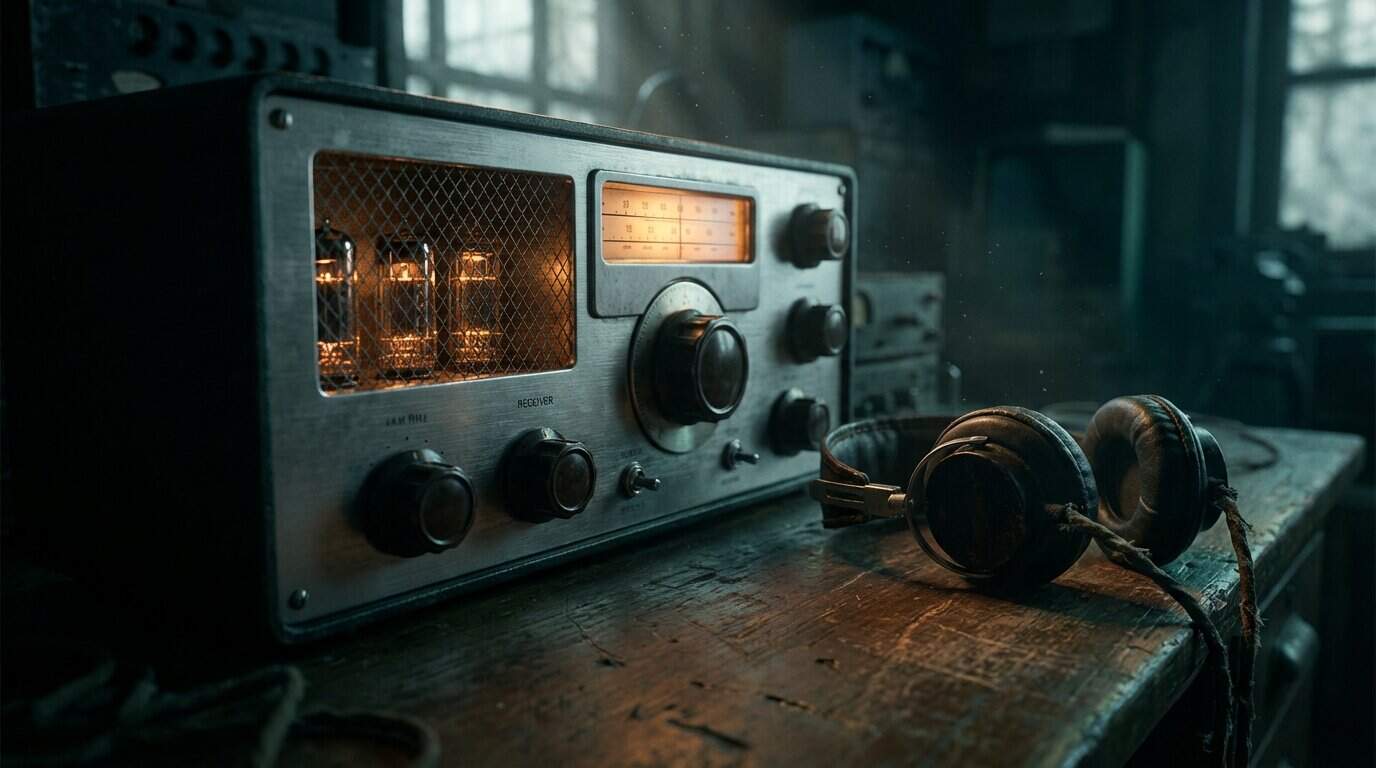
Late at night, a radio enthusiast might drift across a frequency filled with static, only to hear a mechanical voice reciting endless strings of digits. These eerie broadcasts have haunted the airwaves for decades. Curious listeners remain desperate to have number stations explained. While they sound like ghosts in the machine, these signals are widely believed to be the secret lifelines of spies operating deep within enemy territory.
Even with advanced digital tools available, these analog transmissions remain a perfect, unhackable communication method. Intelligence agencies likely rely on them because the coded messages can travel globally via the ionosphere without leaving a digital footprint for enemies to trace. A simple nursery rhyme or a buzzing tone could quietly command the fate of nations.
Key Takeaways
- Number stations utilize analog shortwave radio to transmit encoded messages to deep-cover spies, creating a secure communication channel that leaves no digital footprint.
- The security of these transmissions relies on one-time pads, a mathematically unbreakable encryption method that requires a unique physical key to decipher the message.
- Unlike modern digital tools, shortwave radio allows for anonymous, one-way communication that cannot be traced back to the recipient’s specific location.
- Intelligence agencies continue to operate these phantom stations today because they provide a fail-safe method of contact immune to cyber warfare and internet surveillance.
The Anatomy of a Shortwave Spy Signal
For anyone scanning the radio waves late at night, stumbling upon a number station feels like opening a door to a secret world. These transmissions often begin with a distinct identifier, such as a snippet of a folk song or a repeating mechanical tone. One of the most famous examples involved the cheerful melody of an English folk tune called “The Lincolnshire Poacher.” It played over and over before the real message began. This musical intro serves a specific purpose by alerting the intended recipient that a transmission is about to start. To the casual listener, it sounds like a ghostly broadcast from the past. To an operative in the field, it is a signal to get to work.
Once the identifying music fades away, the atmosphere shifts as a monotone voice begins to recite strings of numbers. These messages typically consist of five-digit groups read aloud in a synthesized or recorded voice that sounds deliberately emotionless. Intelligence agencies favor this method because it pairs with a one-time pad. This encryption technique is mathematically impossible to crack without the matching key. Even if a government intercepts the broadcast, the numbers remain meaningless gibberish to everyone except the spy holding the deciphering book. The simplicity of a human voice reading numbers effectively hides high-stakes intelligence right out in the open.
While modern spies have access to advanced cyber tools, shortwave radio remains the gold standard for anonymous communication. These high-frequency signals bounce off the ionosphere. This allows them to travel thousands of miles across the globe without the need for satellites or internet cables. This creates a secure one-way street where a handler can send instructions without leaving a digital footprint that counter-intelligence could trace. Because anyone with a cheap radio can tune in, it is impossible for authorities to determine exactly who is listening to the broadcast. This primitive technology offers a level of ghost-like invisibility that modern computers simply cannot match.
Unbreakable Encryption with One-Time Pads
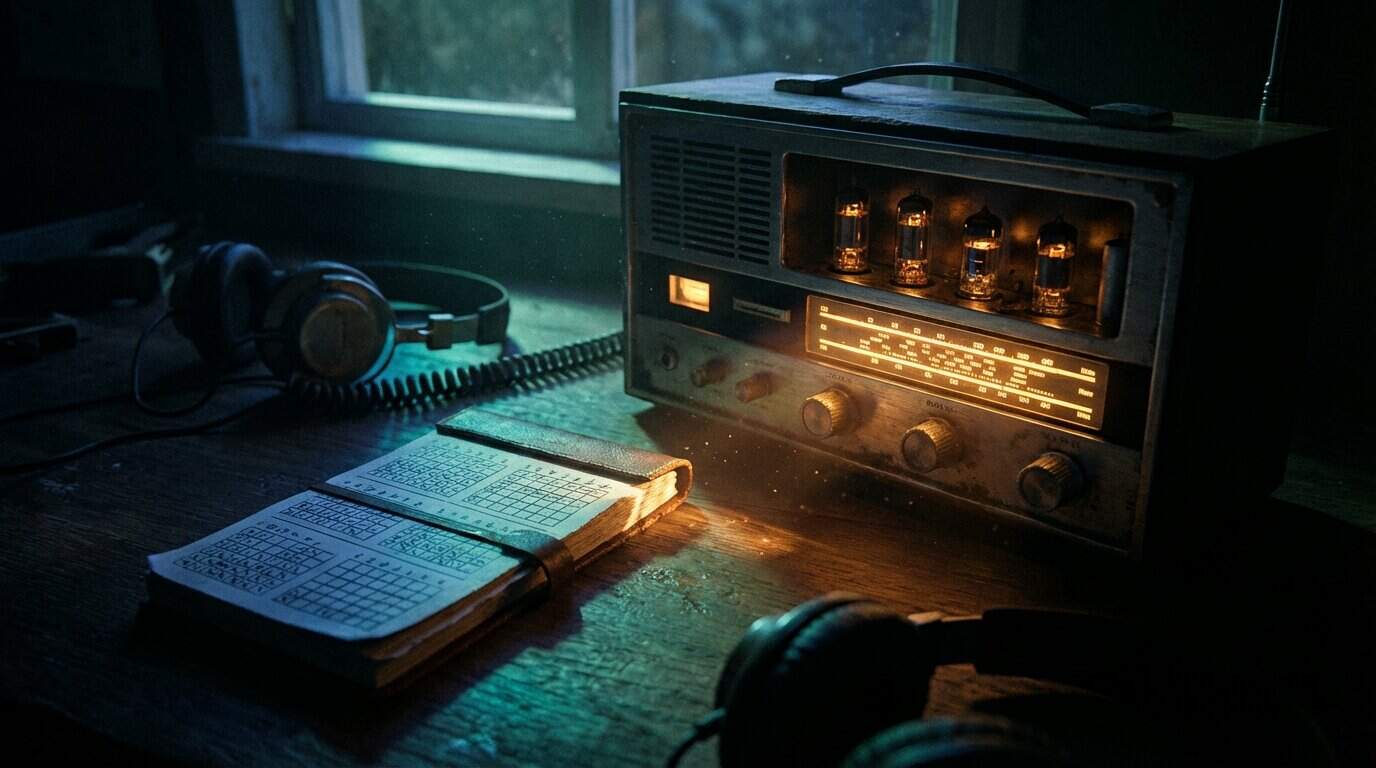
At the heart of these ghostly radio transmissions lies a surprisingly simple cipher known as the one-time pad. This encryption method is mathematically unbreakable because it requires a random key that is as long as the message itself. Agents in the field would receive a physical pad containing pages of random numbers that matched a specific broadcast schedule. To decipher the code, the spy simply added or subtracted the numbers heard on the radio from the numbers on their pad to reveal the hidden text. Once a page was used to decode a single transmission, it was destroyed immediately to prevent anyone from cracking the code later.
Broadcasting these codes over shortwave radio creates a perfect system of anonymity that modern technology still struggles to beat. Anyone with a radio can tune in and hear the mechanical voices reading strings of numbers, but the message remains meaningless without the unique key. This means an intelligence agency can communicate with a deep-cover operative without ever knowing exactly where that spy is located. While satellites and internet traffic leave digital footprints that counter-intelligence can trace, a one-way radio signal offers no path back to the receiver. The spy listens in silence from a safe location, writes down the numbers, and disappears back into the crowd without leaving a single clue.
Famous Phantoms from The Buzzer to Yosemite Sam
Among the static of the shortwave spectrum, few signals are as notorious as Russia’s UVB-76. Known affectionately as “The Buzzer,” this station has broadcast a monotonous tone since the height of the Cold War. It is occasionally interrupted by a Russian voice reading names and numbers. Listeners have also documented the eerie “Spanish Lady,” a mechanized female voice that rattled off digits in Spanish, and the bizarre “Yosemite Sam” station that played a clip from the cartoon character. While the “Spanish Lady” was suspected to be operated by Cuban intelligence, the true purpose of these specific broadcasts remains officially unconfirmed. These phantom signals create a chilling audio environment that suggests spy games are far from over.
The persistence of these analog ghosts might seem counterintuitive at first glance. Intelligence agencies likely favor shortwave radio because it offers a perfect blend of global reach and total anonymity. Unlike internet communications that leave digital footprints, a radio transmission cannot be traced back to the person writing down the code in a notebook. As long as the spy possesses the correct one-time pad to decipher the message, the system remains mathematically unbreakable. This low-tech reliability ensures that critical instructions can reach deep-cover agents regardless of modern cyber warfare or internet blackouts.
Number stations stand as a fascinating testament to the enduring nature of traditional espionage. They remind us that the most effective way to keep a secret is sometimes the simplest method available. While we may never know exactly what orders were sent through the static, the existence of these stations proves that shadow wars are still being fought on the airwaves. The next time you tune a radio and hear a strange pattern of beeps or voices, pause and listen closely. Do you believe you have ever intercepted a secret message meant for a spy in the field?
Why Spies Still Use Ghostly Signals
Number stations remain one of the most haunting and persistent remnants of the Cold War era. These ghostly shortwave transmissions utilize simple technology to send unbreakable codes to agents across the globe. While the internet offers speed, intelligence agencies likely prefer these radio waves because they leave no digital footprint to trace. A spy receiving a message needs only a basic radio and a one-time pad to decode instructions without fear of interception. It serves as a fascinating reminder that sometimes the oldest methods are still the most effective for keeping secrets.
Listeners who stumble upon these frequencies often describe the experience as deeply unsettling and surreal. The combination of cheerful folk tunes mixed with robotic voices reciting numbers creates a bizarre contrast that sticks in the memory. Although governments rarely admit to operating them, the precision and structure of the broadcasts suggest high-level organization. Enthusiasts continue to track these signals today. They document changes in schedules that hint at ongoing covert operations. The fact that these stations are still active suggests that the world of shadow diplomacy is very much alive.
Understanding number stations offers a rare glimpse into the hidden infrastructure of international espionage. They stand as silent sentinels on the radio dial, broadcasting to an audience of one while the rest of the world listens in confusion. Whether they are relics of the past or active tools for modern spies, the static-filled mystery keeps drawing people back to the shortwave bands. Have you ever tuned a radio and heard a mechanical voice reading out a string of numbers? Share your theories or experiences in the comments below as we continue to explore the unexplained corners of our history.
Frequently Asked Questions
1. What exactly are number stations?
Number stations are shortwave radio broadcasts that transmit coded messages using strings of numbers or letters. These eerie signals are widely believed to be secret communications sent by intelligence agencies to spies working undercover in foreign countries. Because they use analog radio waves, they can reach operatives globally without leaving a digital trace.
2. Why do spies use old radio technology instead of the internet?
Shortwave radio transmissions offer a level of security that modern internet communication cannot match. While digital footprints are easily tracked by counter-intelligence agencies, a radio signal received on a simple portable radio is virtually untraceable. This makes these analog broadcasts the perfect unhackable method for sending instructions to agents in hostile territory.
3. How are the messages decoded by the recipient?
The messages are typically encrypted using a technique called a one-time pad. This method requires the recipient to possess a unique key that pairs with the random string of numbers heard on the broadcast. Without this specific key, the mathematical randomness of the code makes it impossible for anyone else to decipher the hidden meaning.
4. What was the Lincolnshire Poacher station?
The Lincolnshire Poacher was a famous number station that used a cheerful snippet of an English folk song as its call sign. For decades, this distinct melody played before a synthesized voice began reading groups of five numbers. It served as a recognizable alert to specific agents that a new message was about to be transmitted.
5. Can ordinary people hear these spy broadcasts?
Yes, anyone with a shortwave radio receiver can potentially stumble upon these mysterious transmissions. Enthusiasts often scan the frequencies late at night to catch the mechanical voices or strange musical interludes drifting through the static. While the audio is public, the true meaning of the coded numbers remains a secret known only to the intended spies.
6. Why do the voices on number stations sound robotic or creepy?
The voices are often synthesized or pre-recorded to ensure perfect clarity and remove any emotional inflection. This mechanical delivery helps prevent misinterpretation of the numbers by the agent writing them down in less-than-ideal conditions. The lack of human emotion combined with the static of shortwave radio creates the eerie quality that fascinates listeners.
7. Do number stations still operate today?
Despite the advancement of satellite phones and encrypted apps, number stations continue to broadcast across the globe. Intelligence agencies likely maintain them as a reliable backup system that works even when internet infrastructure fails or is monitored. Dedicated radio hobbyists still report hearing fresh streams of numbers and new identifiers on the airwaves.