Inside Project MKUltra: The CIA’s Secret Mind Control Program Explained
The 1950s cast a long shadow over history, a time when Cold War paranoia gripped the world and secrets served as the ultimate currency. Behind closed doors, the Central Intelligence Agency launched a covert operation known as Project MKUltra in 1953. Directed by Allen Dulles and overseen by chemist Sidney Gottlieb, this program sought to decode the mechanics of human consciousness. Their goal went beyond gathering intelligence; they wanted to develop methods for mind control that could create programmable agents or force confessions from enemies. While it reads like the plot of a science fiction movie, historical documents confirm this was a very real and funded initiative.
The scope of this secret endeavor stretched far beyond a single laboratory or a few isolated experiments. Over the course of a decade, the project expanded into a massive network involving eighty institutions across the United States and Canada. Researchers at prestigious universities, hospitals, and even prisons unknowingly participated in what became one of the most controversial chapters in American history. Through nearly 150 different subprojects, scientists tested drugs like LSD and various psychological techniques on often unwitting subjects. This network remained hidden for years because the agency used front organizations to funnel money and mask their involvement.
Key Takeaways
- Driven by Cold War paranoia and fears of Soviet brainwashing, the CIA launched Project MKUltra in 1953 to develop mind control capabilities and truth serums.
- The massive operation infiltrated eighty institutions across North America, subjecting unwitting citizens, prisoners, and hospital patients to unethical experiments involving high doses of LSD.
- Specific subprojects like Operation Midnight Climax utilized safehouses and sex workers to secretly drug individuals and observe their behavior behind two-way mirrors.
- The program failed to produce reliable results and ended with a massive cover-up in 1973, where the CIA destroyed most records to hide the extent of the human rights violations.
Cold War Paranoia and Soviet Brainwashing Fears
To understand why the American government would experiment on its own citizens, we must look at the terrifying atmosphere of the early 1950s. During the height of the Korean War, the American public was shocked by news reports of captured soldiers confessing to war crimes they did not commit. Journalist Edward Hunter coined the term brainwashing to describe these strange events, suggesting that the Soviets and Chinese had discovered a way to hack the human mind. Intelligence officials genuinely believed that Communist forces possessed a secret psychological weapon capable of turning loyal patriots into robot agents. This intense fear created a desperate situation where the CIA felt they had to catch up at any cost.
CIA Director Allen Dulles refused to let the United States fall behind in this new race for psychological dominance. In April 1953, he officially authorized Project MKUltra to develop mind control techniques that could rival or exceed what the Soviets were allegedly doing. The agency claimed these efforts were defensive measures, but the program quickly evolved into an aggressive hunt for a way to manipulate human behavior. Dulles handed the reins to Sidney Gottlieb, a chemist who was willing to push ethical boundaries to find the ultimate truth serum. Under the cloak of national security, the agency began funding top-secret research that bypassed the laws protecting American citizens.
Sidney Gottlieb and the High-Dose LSD Experiments
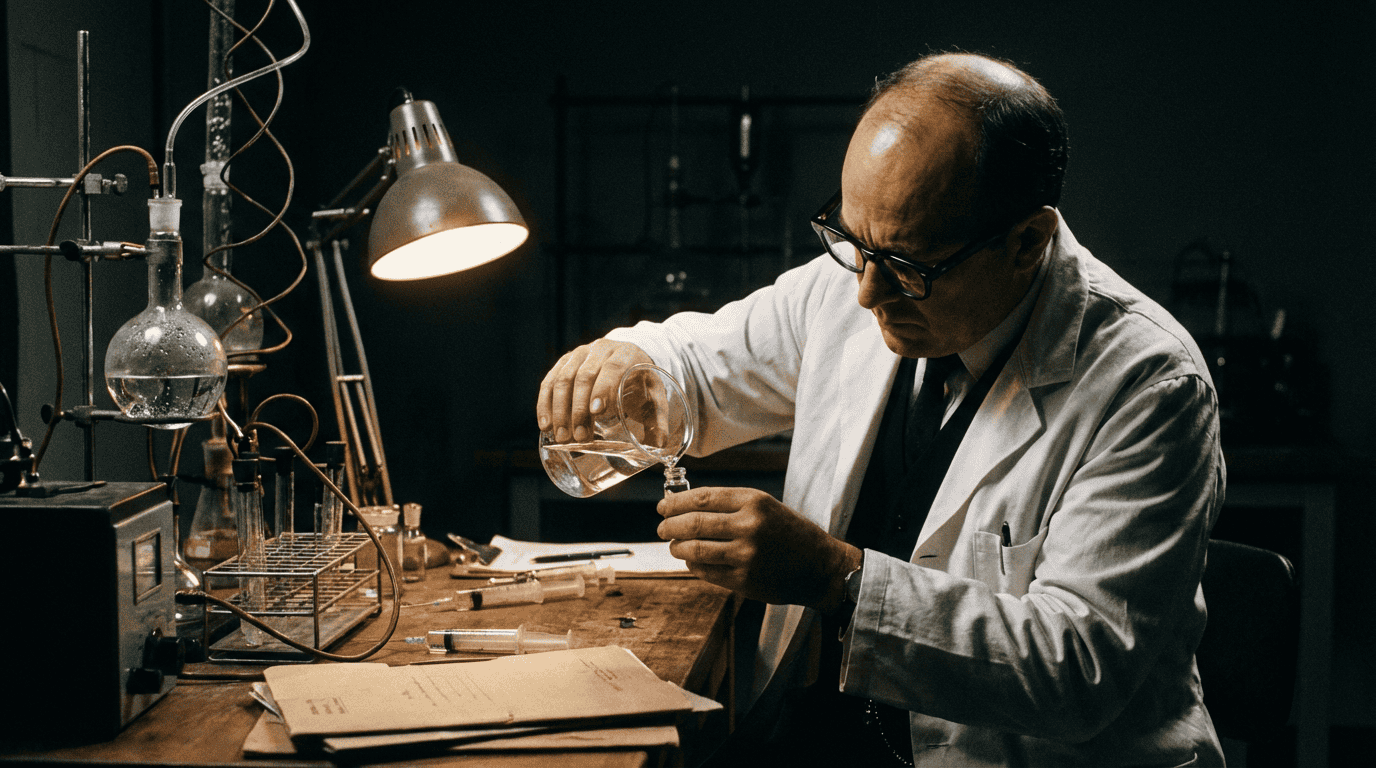
At the heart of the CIA’s most controversial program stood Sidney Gottlieb, a man often referred to as the agency’s “Poisoner in Chief.” As the head of the MKUltra program, he operated under the belief that a specific chemical cocktail could access the inner workings of the human mind and force anyone to tell the truth. His primary tool was LSD, a powerful psychoactive drug that was relatively new and misunderstood at the time. Gottlieb theorized that high doses of this substance could shatter a person’s existing personality and leave them open to new programming. Under the direction of CIA Director Allen Dulles, he set out to test this theory with virtually no ethical oversight.
The search for this mind-control tool led the agency into dark territory, targeting people who could not easily fight back or raise questions. Gottlieb and his team administered massive doses of LSD to prisoners, mental health patients, and even members of the general public without their knowledge or consent. In one notorious set of experiments conducted at the Addiction Research Center in Lexington, Kentucky, inmates were given the drug for seventy-seven consecutive days. These subjects were often offered harder drugs as a reward for their participation, completely unaware of the psychological damage they were risking. The goal was to see if the human mind could be completely wiped clean, but the results were often chaotic and traumatizing rather than useful.
Despite years of trials and thousands of human guinea pigs, the agency never found the reliable truth serum they desperately wanted. Gottlieb eventually concluded that the drug was far too unpredictable to be used effectively in field operations or covert interrogations. The hallucinations and erratic behavior caused by LSD made it impossible to extract consistent information from enemy agents or unwitting subjects. Recognizing the potential legal and moral fallout of these actions, Gottlieb ordered the destruction of most MKUltra files in 1973. This final act of secrecy left historians and researchers to piece together the full extent of these high-dose experiments from the few documents that survived.
Operation Midnight Climax and Safehouse Surveillance
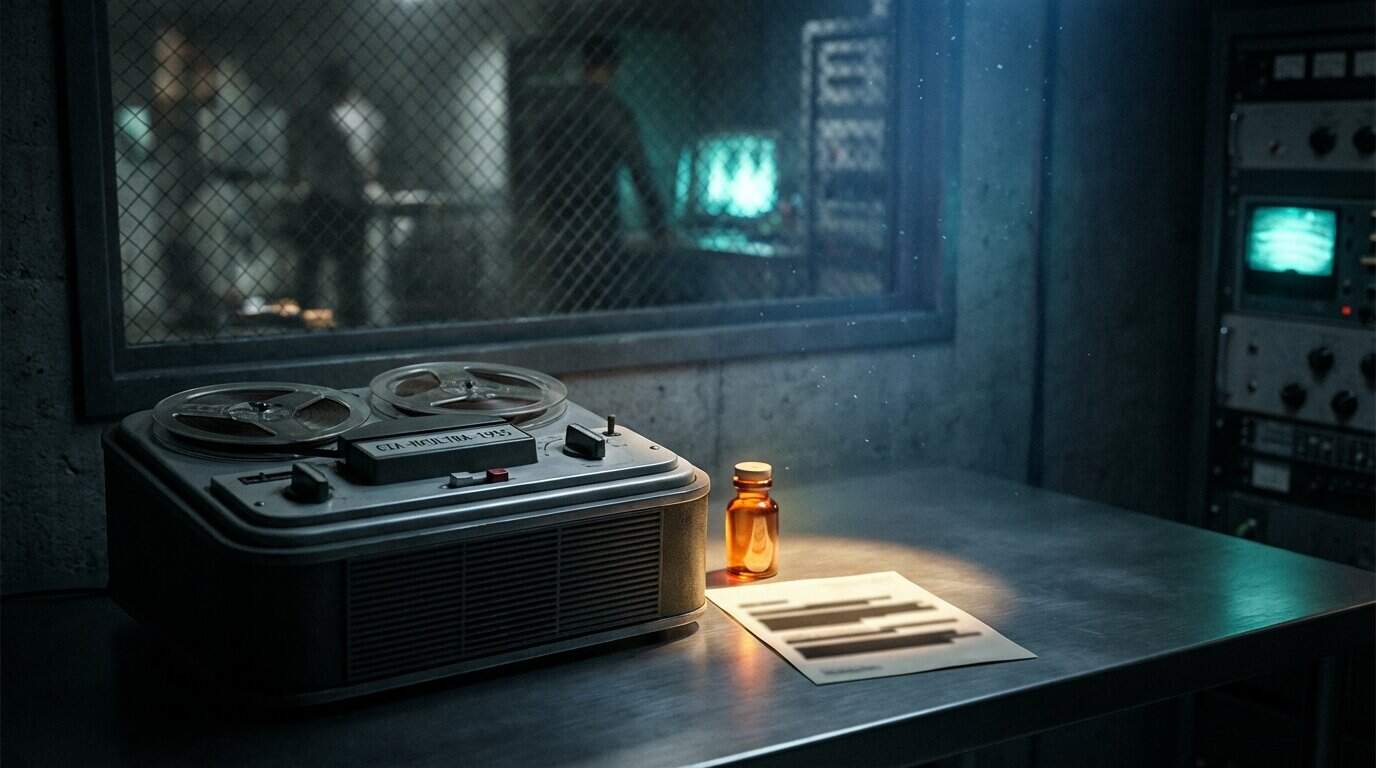
One of the most bizarre chapters of the MKUltra story is known as Operation Midnight Climax. Under the supervision of narcotics agent George Hunter White, the CIA established secret safehouses in San Francisco and New York City during the 1950s. These apartments were specifically designed to look like ordinary living spaces, but they hid a darker purpose behind the walls. Agents installed two-way mirrors and hidden microphones to record everything that happened inside without the occupants knowing. This setup allowed the agency to conduct experiments in a setting that felt completely natural to the unsuspecting victims.
To find subjects for these unauthorized tests, the operation hired sex workers to lure men back to the rigged apartments. Once inside the safehouse, the women would secretly slip LSD or other mind-altering substances into the men’s drinks. While the drugs took effect, CIA operatives sat behind the two-way mirrors to watch and take detailed notes on how the subjects behaved. Sidney Gottlieb believed that observing people in these compromised situations would reveal how to extract secrets or manipulate behavior. The use of sex workers ensured that the victims would be too embarrassed to report the incident to the police afterwards.
These experiments were far from rigorous scientific studies and often resembled chaotic parties funded by taxpayer money. George Hunter White famously wrote later that he enjoyed the work because it allowed him to play with human lives freely. The lack of consent was a major violation, as these citizens had no idea they were part of a government mind control test. Documents released years later confirmed that this surveillance continued for over a decade before the safehouses were finally closed. This specific operation remains a chilling example of how far the agency went to study the effects of psychedelics on the human mind.
The Church Committee and the Shredded Files

In 1973, CIA Director Richard Helms feared the program was about to be exposed and ordered the immediate destruction of all MKUltra files. He hoped this drastic move would bury the agency’s secrets forever and protect his team from government scrutiny. However, a cache of nearly twenty thousand financial records was mistakenly overlooked and later discovered in a records center in 1977. These surviving documents provided the Church Committee and the Rockefeller Commission with just enough evidence to expose these covert operations. Despite the massive purge of data, the truth began to leak out through the investigative work of dedicated journalists like Seymour Hersh.
The legacy of Project MKUltra serves as a chilling reminder of what happens when scientific curiosity overrides human rights and ethical boundaries. Innocent citizens, prisoners, and hospital patients were treated as disposable test subjects in a quest for total mind control. While the program officially ended decades ago, the destruction of so many records means we may never know the full extent of the suffering caused. This dark chapter forces us to ask if national security should ever justify the violation of personal freedom. If the government could keep such a massive secret for twenty years, one wonders what other classified projects might be operating in the dark today.
The Chilling Legacy of Project MKUltra
Project MKUltra remains one of the most disturbing examples of government overreach and unchecked power in American history. What began as a desperate attempt to keep pace with Soviet capabilities during the Cold War quickly spiraled into a nightmare of unethical human experimentation. Under the direction of the CIA and chemist Sidney Gottlieb, the program infiltrated universities, hospitals, and prisons across North America without detection. For over a decade, unsuspecting citizens were subjected to high doses of LSD and psychological torture in a futile quest for total mind control. The massive scope of these 149 subprojects reveals a terrifying willingness to sacrifice individual rights in the name of national security.
While the program officially ended in the 1960s, the full extent of the damage may never be fully understood or acknowledged. CIA Director Richard Helms ordered the destruction of most MKUltra files in 1973, leaving historians and researchers to piece together the truth from surviving financial records and witness testimonies. This deliberate erasure of history invites valid questions about what successful techniques might have been kept secret rather than discarded. It suggests that the known experiments could be just a fraction of the actual state-sponsored behavioral modification efforts. The confirmed reality of these events proves that sometimes conspiracy theories turn out to be historical facts.
Looking back at these events serves as a crucial reminder of the importance of transparency and ethical boundaries in scientific research. The dark legacy of MKUltra challenges the public to remain vigilant about how power is exercised in the shadows of government agencies. It forces us to ask difficult questions about the delicate balance between public safety and personal freedom in a modern world. If a program of this magnitude could remain hidden for so long, one has to wonder what similar projects might exist in the present day. Do you believe mind control research truly stopped with MKUltra, or has it simply evolved into something more subtle?
Frequently Asked Questions
1. What was the main goal of Project MKUltra?
Project MKUltra was a covert operation launched by the CIA in 1953 to decode the mechanics of human consciousness. Directed by chemist Sidney Gottlieb, the program aimed to develop mind control techniques that could create programmable agents or force confessions from enemies. It sought to turn science fiction concepts into real operational tools for intelligence gathering.
2. Why did the government start these experiments?
The initiative was born from the intense paranoia of the Cold War and the fear of Soviet brainwashing. During the Korean War, American officials were alarmed when captured soldiers confessed to crimes they did not commit. Intelligence agencies believed enemy forces had learned to hack the human mind, so they launched MKUltra to develop their own methods of mental manipulation.
3. Who was in charge of the MKUltra program?
The operation was directed by CIA Director Allen Dulles and overseen by the controversial chemist Sidney Gottlieb. Gottlieb served as the mastermind behind the search for chemical and psychological ways to control behavior. These leaders authorized the funding and direction that allowed the project to operate in the shadows for over a decade.
4. How extensive was the network of experiments?
The scope of MKUltra was massive and extended far beyond a single secret laboratory. It involved a network of eighty institutions, including universities, hospitals, and prisons across the United States and Canada. The CIA used front organizations to funnel money into these places, allowing them to run nearly 150 different subprojects without detection.
5. Did the people involved know they were being tested?
In many cases, the subjects of these experiments were completely unwitting participants who did not consent to the tests. Researchers at participating institutions administered drugs like LSD and used psychological tactics on people who had no idea they were part of a CIA program. This secrecy allowed the agency to test dangerous methods on citizens without immediate public scrutiny.
6. What specific methods were used in the experiments?
Scientists and researchers primarily tested the effects of powerful drugs like LSD to alter the state of the human mind. Beyond chemical experimentation, the project also explored various psychological techniques intended to break down resistance or program behavior. The goal was to find a reliable method to control an individual against their will.