Exploring Yonaguni Monument Origins: Nature Or Lost Civilization
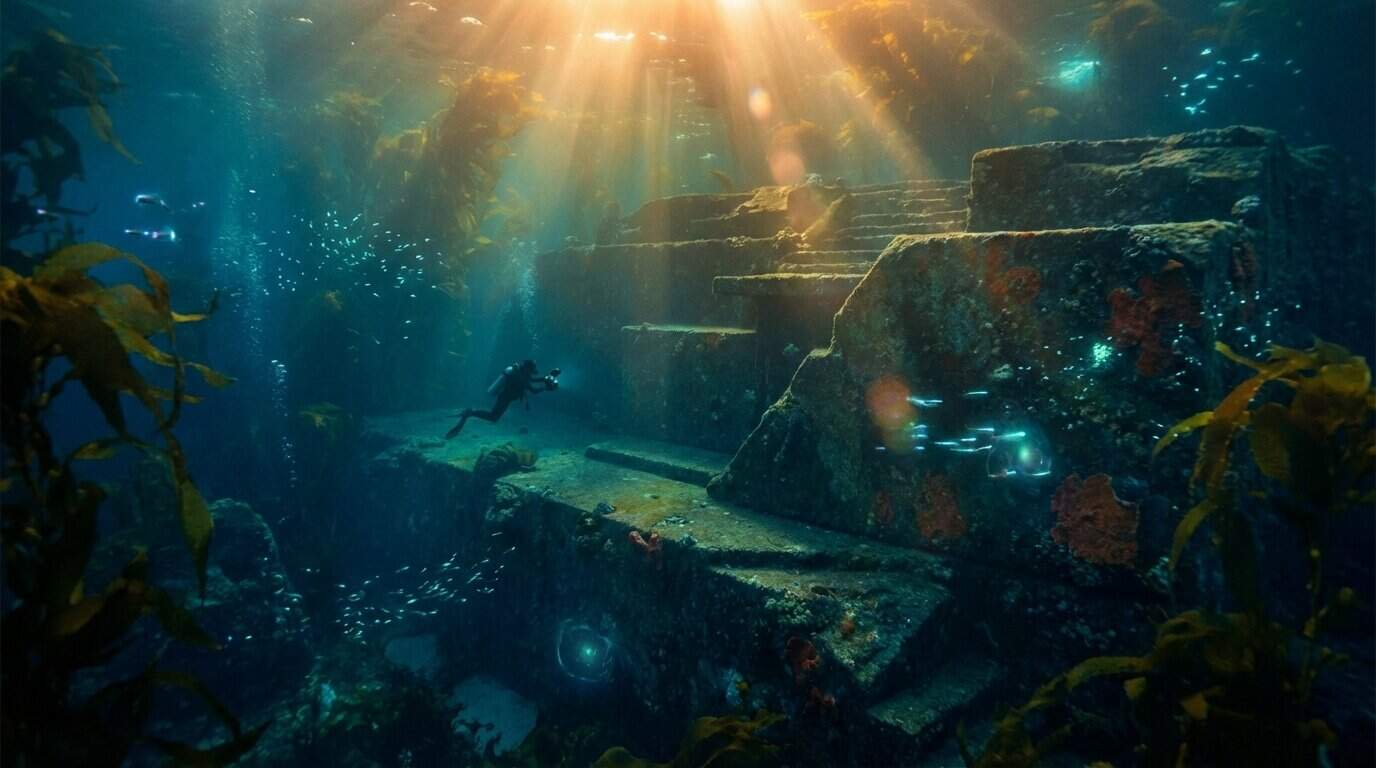
In 1986, a local diver named Kihachiro Aratake was searching for hammerhead sharks in the clear blue waters off the westernmost coast of Japan when he stumbled upon something breathtaking. Resting quietly beneath the waves was a massive, terraced stone structure that looked remarkably like the sunken ruins of an ancient city. This spectacular discovery immediately sparked a global debate over the true Yonaguni Monument origins. Was this towering underwater pyramid carved simply by ocean currents, or did it once belong to a forgotten civilization lost to the sea?
Stretching longer than a football field and rising nearly eight stories high from the ocean floor, the colossal sandstone formation features what appear to be perfectly straight edges, flat terraces, and even carved steps. While traditional geologists argue that the ocean naturally shaped these sharp angles over millions of years, the sheer scale and precise geometry of the site tell a different story to many who visit. As researchers continue to explore these mysterious underwater ruins, the tantalizing possibility remains that this site could be the legendary Atlantis of Japan, hiding thousands of years of untold human history just beneath the surface.
Key Takeaways
- Discovered in 1986 off the coast of Japan, the Yonaguni Monument is a massive underwater sandstone structure featuring striking right angles, flat terraces, and carved steps.
- Mainstream geologists attribute the monument’s precise geometric shapes to natural sandstone fracturing and the polishing effects of powerful ocean currents.
- A compelling middle-ground theory suggests an early civilization discovered a naturally terraced geological formation and deliberately modified it before rising sea levels submerged the site.
- If proven to be modified or built by ancient human hands, this colossal underwater formation would completely rewrite the historical timeline of early civilizations in the Pacific.
Traces Of An Ancient Megalithic Civilization
Kihachiro Aratake’s initial scouting trip for hammerhead sharks unveiled a breathtaking underwater mystery. Resting beneath the waves, a massive stone structure measuring roughly one hundred meters long and twenty-five meters high appeared to rise from the ocean floor like a forgotten fortress. This sheer scale immediately sparked thrilling theories that these submerged terraces were the actual remnants of an ancient, sunken city. Anyone who looks at photographs of the site can easily see why this bold idea took hold so quickly. The massive stone blocks feature striking right angles and perfectly flat surfaces that look incredibly deliberate.
Marine geologist Masaaki Kimura has spent decades studying the site and firmly believes these formations were carved by human hands. He points out the incredibly sharp edges and perfectly stepped terraces that seem to defy normal ocean erosion. Nature rarely creates such flawless geometric shapes, leading many observers to wonder if an advanced megalithic civilization once called this area home. The monument consists of medium to fine sandstone and mudstone, materials that ancient builders could have easily worked with using basic tools. Exploring these underwater corridors feels like wandering through the grand plazas and ceremonial stairs of a lost world.
Mainstream geologists often argue that the natural splitting of the stone created these boxy shapes, but the sheer concentration of perfect angles makes that hard for many to accept. The idea that an ancient culture carved these monumental steps before the sea swallowed them whole remains a deeply captivating possibility. It sits perfectly on the line between a bizarre natural wonder and a genuine archaeological breakthrough. As researchers continue to explore the warm waters of Yonaguni, the debate only grows more fascinating. Do you think these massive stone blocks are just a quirky trick of ocean currents, or could they be the ultimate proof of a forgotten megalithic empire?
Geological Forces And The Yaeyama Sandstone
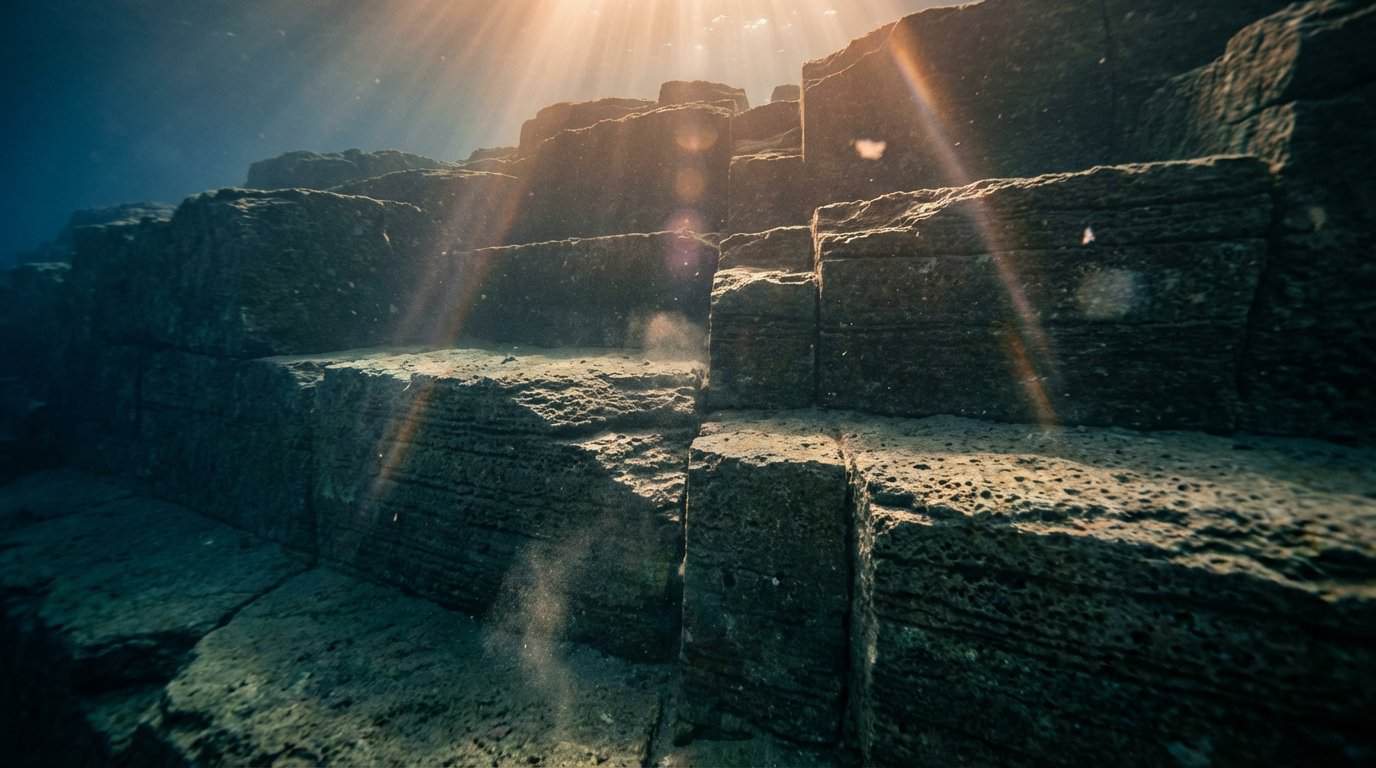
To understand the Yonaguni Monument, scientists often look first at the very ground it is made of. The massive underwater structure consists of medium to fine sandstone and mudstone belonging to the Yaeyama Group, which formed roughly twenty million years ago. Geologists studying the site note that sedimentary rock naturally fractures in straight lines, creating flat surfaces and sharp corners that look incredibly deliberate. When tectonic plates shift beneath the ocean floor, they create immense pressure that splits these ancient stones into perfect geometric shapes. Over countless millennia, these natural breaks can easily mimic the grand steps and towering terraces of a sunken temple.
Adding to this geological drama are the powerful ocean currents that constantly sweep through the waters off the coast of Japan. Researchers from the University of the Ryukyus have pointed out that these relentless underwater rivers act like a giant sculptor, washing away loose debris and polishing the remaining stone. While this scientific consensus offers a neat explanation for the smooth walls and distinct platforms, many observers cannot help but feel a lingering sense of doubt. The sheer scale and precision of the underwater monument make it hard to believe that random natural forces could carve something so perfectly suited for human use. This haunting perfection leaves researchers and curious minds wondering if nature simply provided a convenient canvas that an unknown civilization later modified for their own needs.
Ancient Human Modification Of Natural Rock
When the massive underwater structure was first spotted off the coast of Japan in 1986, the perfectly angled steps seemed too precise to be a random act of nature. However, geologists quickly pointed out that the sandstone and mudstone of the Yaeyama Group naturally fracture in straight lines. This leads to a fascinating middle ground that many researchers find incredibly compelling. Instead of an ancient civilization building the entire monument from scratch, an early culture might have simply discovered a naturally terraced geological formation and decided to claim it. They could have used the existing flat surfaces as a foundation, carefully carving and shaping the stone to suit their needs before the ocean eventually swallowed it whole.
Marine geologist Masaaki Kimura from the University of the Ryukyus has spent decades studying the site, and his observations strongly support the idea of human modification. He points to specific details like tool marks, drainage channels, and what appear to be carved retaining walls that do not easily align with natural erosion. The sheer scale of the site is staggering, measuring roughly one hundred meters long and twenty-five meters high, providing plenty of space for ancient people to gather or worship. Looking closely at the sharp corners and uniform steps, it is easy to imagine ancient builders smoothing out the rough edges of the natural rock to create functional platforms. This theory beautifully bridges the gap between strict geological science and compelling historical mystery, allowing for the natural geology of the area to coexist with the ingenuity of a lost culture.
The idea of a lost society reshaping a massive stone canvas right on the edge of the Pacific Ocean is a thrilling possibility. As sea levels rose at the end of the last ice age, this coastal monument would have slowly vanished beneath the waves, taking its secrets down with it. Today, the sunken terraces continue to challenge our understanding of human history and invite us to look much closer at the ocean floor. We have to wonder if there are other naturally formed monuments hidden in the deep that were once home to forgotten ancient communities. Do you think early humans possessed the skills to carve such a massive geological wonder, or is the ocean simply playing tricks on our eyes?
Carved by Nature or a Lost Civilization?
The Yonaguni Monument remains one of the most captivating underwater mysteries in the world today. It sits perfectly on the boundary between a natural geological wonder and the remnants of a forgotten ancient civilization. Scientific experts argue that strong ocean currents and natural fractures in the sandstone created these massive terraces over thousands of years. However, the striking visual evidence of sharp corners, flat surfaces, and perfectly straight edges makes it incredibly difficult to dismiss the idea of human involvement entirely. This ongoing debate between strict geology and lost human history is exactly what makes the submerged site so fascinating.
Even as researchers continue to study the rock formations, the allure of an ancient megalithic culture refuses to fade away. There is a powerful sense of wonder in the possibility that our ancestors shaped these massive stones before the oceans rose to claim them. If the structure was truly crafted by humans, it would force researchers to completely rewrite the timeline of history in the Pacific. Whether carved by the relentless ocean or carefully chiseled by ancient hands, the site stands as a breathtaking monument to the unknown. The truth might eventually be uncovered, but for now, the deep waters off the coast of Japan hold onto their secrets tightly.
Every explorer and history enthusiast eventually has to decide where they stand on this incredible debate. Do you think the Yonaguni Monument is simply a masterpiece of natural erosion, or do you believe it is the sunken ruins of a lost civilization? The ocean is vast and full of hidden wonders that constantly challenge our understanding of the past. Share your thoughts and theories in the comments section below. Let everyone know which origin story makes the most sense to you, and join the ongoing conversation about this extraordinary underwater puzzle.
Frequently Asked Questions
1. Who discovered the Yonaguni Monument and how?
A local diver named Kihachiro Aratake discovered the breathtaking site in 1986. He was exploring the clear waters off the coast of Japan in search of hammerhead sharks when he spotted the massive stone structure. The sheer scale of the underwater ruins immediately sparked a lifelong mystery.
2. How big is the Yonaguni Monument?
This colossal underwater formation stretches longer than a football field and rises nearly eight stories from the ocean floor. It measures roughly one hundred meters long and twenty-five meters high. The towering size makes it look like a forgotten fortress resting quietly beneath the waves.
3. What makes the Yonaguni Monument origins so mysterious?
The mystery lies in the precise geometry of the massive sandstone blocks. The structure features perfectly straight edges, flat terraces, and what appear to be carved steps. These striking right angles make it hard for many observers to believe that ocean currents alone could carve such a perfect city.
4. Could the Yonaguni Monument simply be a natural formation?
Traditional geologists argue that the ocean naturally shaped these sharp angles over millions of years. They believe strong underwater currents and natural rock fractures created the flat surfaces. However, the exact precision of the terraces leaves plenty of room for doubt among curious researchers.
5. Is it possible that the site is a sunken ancient city?
The tantalizing possibility remains that this site could be the legendary Atlantis of Japan. Many researchers suggest that an ancient megalithic civilization carved these steps and terraces thousands of years ago before the ocean swallowed them. Looking at the incredibly flat surfaces makes this bold idea feel very real.
6. Where exactly is the Yonaguni Monument located?
The mysterious structure rests beneath the waves off the westernmost coast of Japan. It sits quietly in clear blue waters that are famous for their large populations of hammerhead sharks. Visitors who explore these depths can witness the spectacular stone terraces firsthand.
7. What kind of rock makes up the Yonaguni Monument?
The colossal structure consists of massive sandstone blocks that rise dramatically from the ocean floor. Sandstone is known for breaking along clean lines, which fuels the debate between natural geology and ancient human construction. The sheer scale of this rock formation continues to fascinate scientists and historians alike.