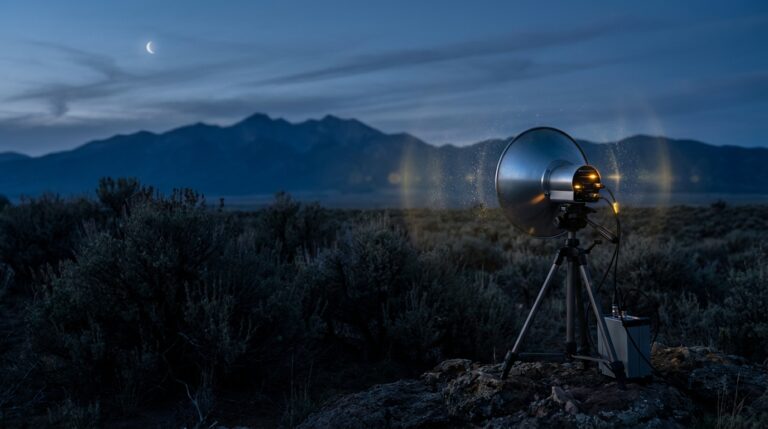
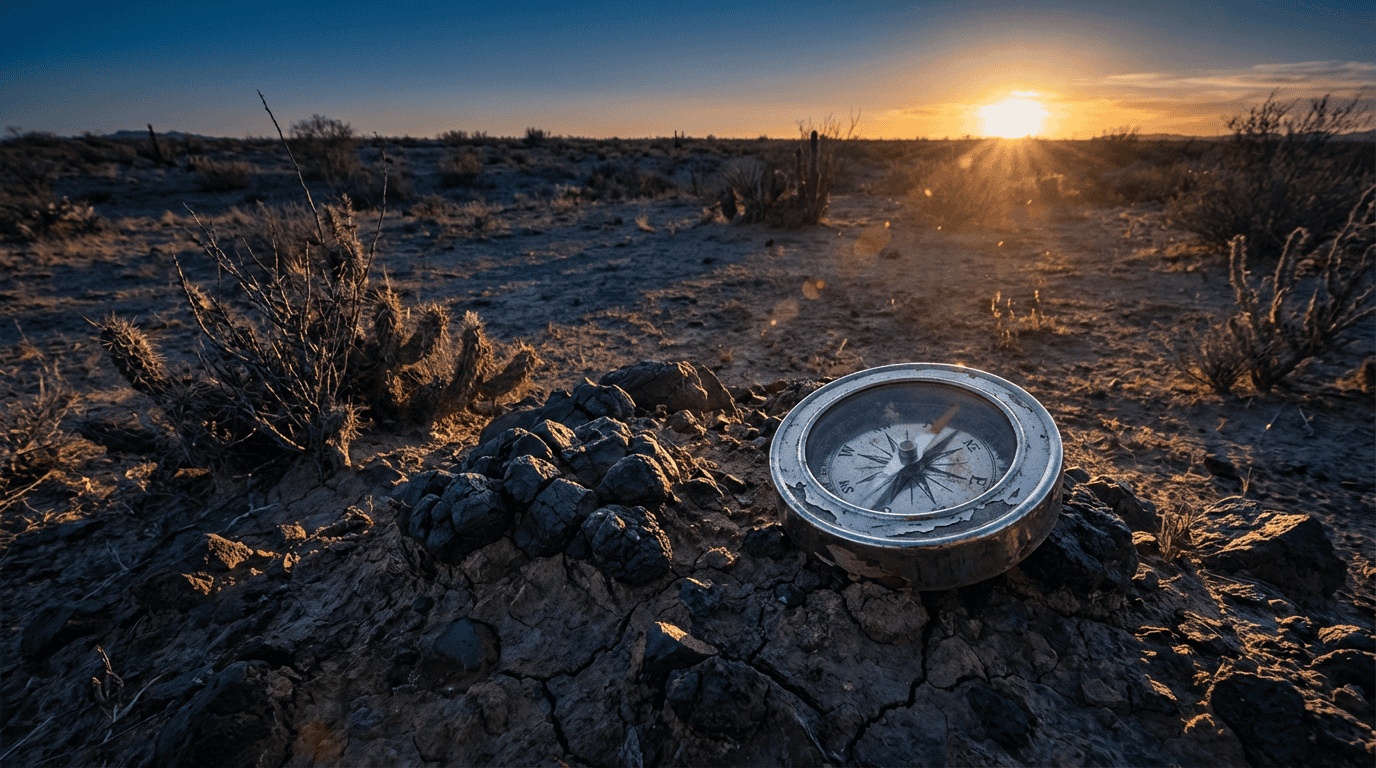
Exploring The Mysteries Of The Mapimi Silent Zone
Deep in the heart of the Chihuahuan Desert, where the borders of three Mexican states collide, lies a patch of land where the laws of physics seem to bend. Known as the Mapimi Silent Zone, this remote expanse has earned a reputation as the Bermuda Triangle of the Desert due to its uncanny ability to swallow radio signals and baffle compasses. For decades, travelers and locals have shared stories of a place where the air feels different and the modern world simply fades away into a static-filled void.
The mystery truly captured the world’s attention when a military missile veered hundreds of miles off course, landing directly in the center of this silent patch. While scientists point to natural magnetic anomalies and historical coincidences, the persistent reports of technical failures and strange lights suggest there may be more to the story. Exploring this region requires an open mind, as it sits at the fascinating intersection of documented history and the unexplained.
Key Takeaways
- The Mapimi Silent Zone in the Chihuahuan Desert acts as a natural electromagnetic ‘sponge’ where high concentrations of magnetite and uranium disrupt radio signals and compasses.
- Historical events, such as Francisco Sarabia’s 1930s flight failure and the 1970 Athena missile crash, provide documented evidence of the region’s ability to interfere with advanced technology.
- The area’s unique magnetic properties may be driving biological anomalies, resulting in unusual mutations in local flora and the survival of the rare Bolson tortoise.
- The intersection of military history, scientific mineral studies, and persistent local legends establishes the zone as a significant geographical mystery that challenges conventional physics.
From Pilot Reports To The Athena Missile
The legend of the Mapimi Silent Zone first began to take shape in the 1930s through the reports of pioneering Mexican aviator Francisco Sarabia. While flying over this remote stretch of the Chihuahuan Desert, Sarabia claimed that his instruments malfunctioned and his radio went inexplicably silent. This early account planted the seeds of a mystery that would eventually grow into a global phenomenon. Locals began to whisper about a strange area where the air seemed to swallow signals, creating a pocket of isolation in an increasingly connected world. These early stories established a foundation of curiosity that set the stage for much stranger events to follow.
The mystery reached a fever pitch in July 1970 when an Athena missile veered wildly off its intended course. Launched from Green River, Utah, the rocket was supposed to land in New Mexico but instead traveled hundreds of miles further south into the heart of the Mexican desert. The recovery mission was a massive undertaking that involved specialized technical and military teams, sparking intense local interest and international headlines. Because the missile was carrying small containers of radioactive isotopes, the high level of secrecy surrounding the cleanup fueled rumors of extraterrestrial influence. This government presence in such a desolate region turned a remote patch of dirt into a legendary hotspot for the unexplained.
Today, the Athena missile crash remains the most significant piece of historical evidence cited by those who believe the zone possesses unique magnetic properties. While scientific teams often point to the high concentrations of magnetite in the soil as a reason for radio interference, the sheer precision with which the missile found this specific silent spot remains a point of fascination. The intersection of military technology and pilot testimony has created a narrative that is hard to ignore, even for the most skeptical observers. It raises the question of whether the region truly acts as a natural magnet for both electronic signals and physical objects. Do you believe a simple mineral deposit could be responsible for pulling a missile so far off course, or is there something more profound hidden beneath the desert floor?
Magnetic Anomalies And Radio Dead Zones
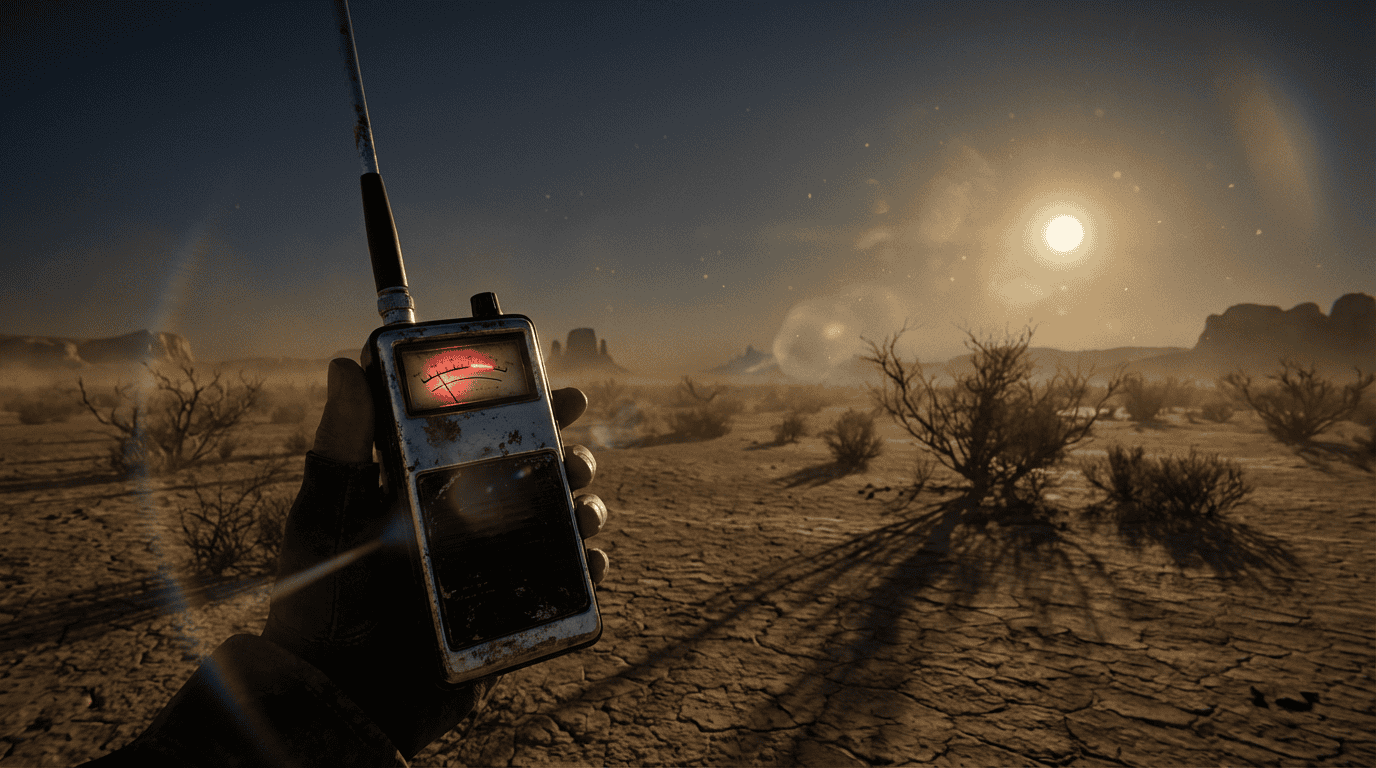
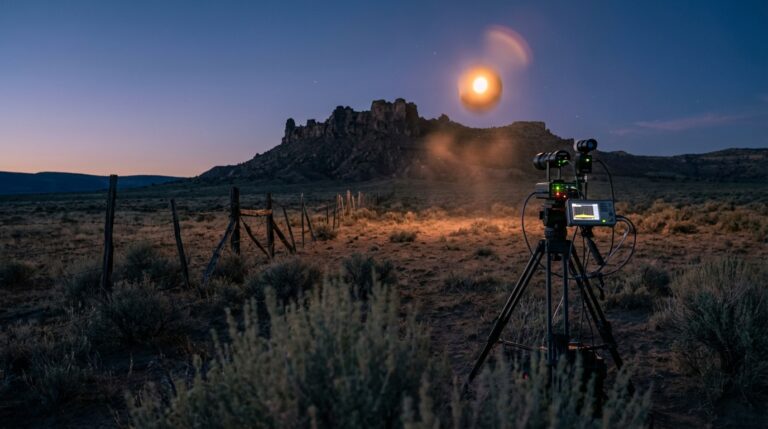
The heart of the Mapimi Silent Zone is famously characterized by a peculiar inability to transmit radio, television, or short-wave signals. Local researchers and visitors often report that handheld radios suddenly go quiet and compass needles spin wildly without warning. This phenomenon became a matter of international concern in 1970 when an Athena missile mysteriously veered off course and crashed directly into the region. While some experts point to the magnetic anomalies and high concentrations of magnetite and uranium in the soil as a natural explanation, the sheer consistency of these technical failures keeps the mystery alive. The ground itself seems to act as a giant sponge that absorbs electromagnetic waves, leaving travelers in a pocket of absolute electronic isolation.
Beyond the radio silence, the unique geology of the Chihuahuan Desert may be influencing life in ways that science is still trying to map. The region is home to unusual biological mutations, such as the Bolson tortoise which displays strange shell patterns and distorted growth compared to its relatives. Some theorists suggest that the same magnetic anomalies affecting technology are also interacting with the DNA of local flora and fauna. These subterranean forces create a landscape where the rules of physics and biology seem slightly tilted. Whether these mutations are caused by ancient meteorite strikes or the heavy mineral deposits in the earth, the result is a localized environment that feels truly otherworldly.
The intersection of history and science in this desert creates a compelling case for those who believe the zone is a natural gateway for strange energy. While various government and scientific agencies have conducted studies over the decades, a definitive answer for why signals die here remains elusive. Some investigators believe the area sits on a powerful geomagnetic node that naturally disrupts human-made frequencies. This creates a fascinating tension between the documented mineral wealth of the soil and the persistent legends of a silent world. Do you believe these radio dead zones are simply a result of iron-rich rocks, or could there be a more profound force at work beneath the desert sands?
Strange Mutations And Desert Wildlife Wonders
Beyond the radio silence and fallen missiles, the Mapimí Silent Zone hosts a collection of biological anomalies that challenge our understanding of desert life. Local researchers have long documented strange physical variations in the flora and fauna that seem unique to this specific patch of the Chihuahuan Desert. Some cactus species in the area exhibit unusual growth patterns, displaying vibrant purple hues or distorted shapes that are rarely seen in neighboring regions. While scientists often point to high levels of ultraviolet radiation or unique soil minerals as the cause, many visitors find it hard to ignore the eerie beauty of these desert adaptations. These visual transformations suggest that the environment itself is exerting a powerful influence on the genetic makeup of the local greenery.
The most famous resident of this mysterious landscape is the Bolson tortoise, a massive land reptile that was once thought to be extinct. This creature is remarkably resilient, surviving in a harsh climate where temperatures fluctuate wildly between the day and night. Interestingly, some observers claim that the wildlife in the zone displays behavioral quirks, such as heightened sensitivity to magnetic shifts or unusual migration paths. According to reports from the Institute of Ecology in Mexico, the tortoise serves as a vital indicator of the health of this delicate ecosystem. These ancient reptiles share their home with coyotes and birds that some locals believe have developed keener instincts to navigate the unexplained phenomena of the region.
Exploring the Silent Zone reveals a world where nature has taken a slightly different path than the rest of the planet. Whether these mutations are the result of the high concentrations of magnetite in the earth or something more mysterious remains a topic of spirited debate. Many naturalists argue that the isolation of the Mapimí basin has allowed for a distinct evolutionary bubble to form over thousands of years. This combination of rare species and strange physical traits keeps the area at the top of the list for both scientists and paranormal enthusiasts. What do you think is responsible for these desert wonders, and could the same forces that scramble radio signals also be reshaping the life forms that call this place home?
Final section: Conclusion
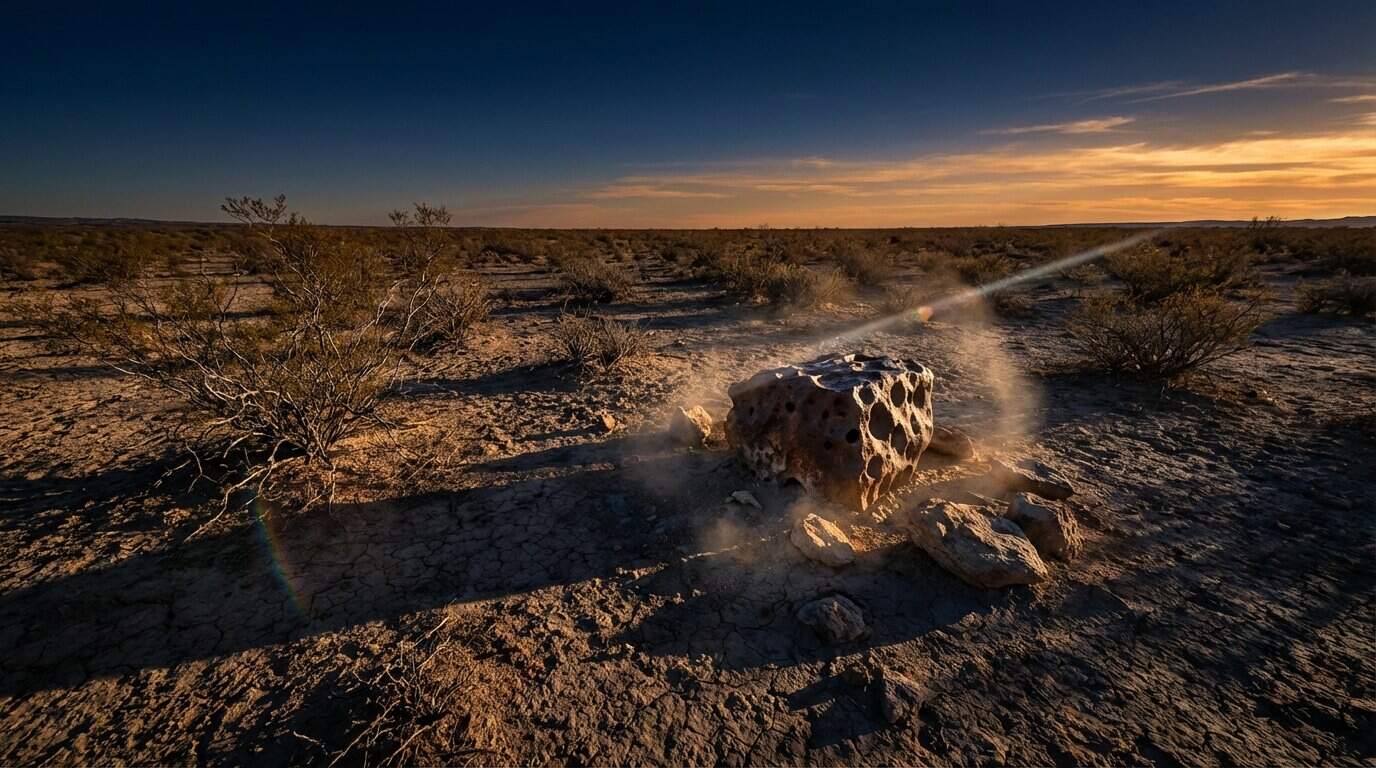
The Mapimi Silent Zone remains a fascinating blend of scientific oddity and desert folklore that continues to challenge our understanding of the natural world. While the 1970 missile crash brought the region into the global spotlight, the persistent reports of radio dead zones and unique biological mutations keep the mystery alive for modern explorers. Researchers have documented unusual growth patterns in the local cacti and strange shell pigmentations on the desert tortoises that call this arid landscape home. These physical anomalies suggest that something unique is happening within the soil or the atmosphere of the Chihuahuan Desert. Whether the cause is high concentrations of magnetite or something more profound, the area refuses to give up its secrets easily.
Exploring this remote Mexican wilderness requires a balance between grounded investigation and an appreciation for the unexplained. The history of technical failures, starting with Francisco Sarabia in the 1930s, provides a compelling foundation for the legends that have grown over the decades. It is easy to dismiss these stories as mere coincidences, but the sheer volume of testimony from pilots and locals alike points toward a genuine geographical anomaly. By looking at the intersection of historical accidents and scientific curiosities, we see a location that acts as a bridge between the known and the unknown. This desert patch serves as a reminder that our planet still holds pockets of mystery that defy simple explanations.
What do you think is responsible for the strange silence and biological shifts found within this section of the desert? Do you believe the presence of heavy minerals in the earth is enough to scramble radio waves and alter local wildlife, or is there a more complex force at play here? The Mapimi Silent Zone invites us to look closer at the world around us and question the boundaries of our scientific knowledge. Share your thoughts on whether this is a natural phenomenon or a true paranormal hotspot in the comments below. Engaging with these mysteries helps us better understand the incredible diversity and hidden wonders of the natural world.
Where Science and Mystery Meet the Soil
The Mapimí Silent Zone remains one of the most intriguing geographical anomalies in North America, blending historical fact with persistent local legends. From the mysterious radio failures reported by Francisco Sarabia to the dramatic crash of the Athena missile, the region has earned its reputation as a place where technology often fails. While many researchers point to the high concentrations of magnetite and uranium in the soil as a scientific explanation for these dead zones, the strange biological mutations found in local flora and fauna continue to spark curiosity. This unique combination of magnetic interference and peculiar natural growth keeps the area at the center of the conversation regarding paranormal hotspots.
Exploring the Chihuahuan Desert reveals a landscape where the line between scientific reality and the unexplained becomes blurred. Visitors and investigators often find themselves caught between the rational explanations of mineral deposits and the undeniable sense of mystery that permeates the Trino Point. Whether the silence is a purely geological phenomenon or something more profound, the zone serves as a reminder of how much of our world remains misunderstood. Maintaining a balance of healthy skepticism and open minded wonder allows for a deeper appreciation of this Mexican mystery.
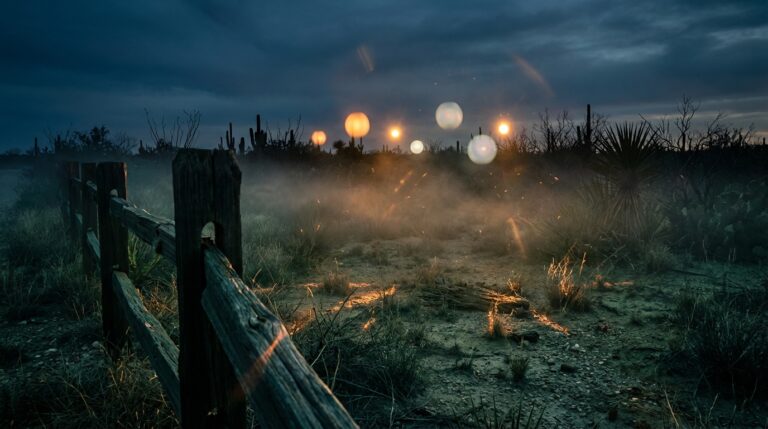
What do you think is responsible for the strange occurrences in the Silent Zone, and do you believe some mysteries are better left unsolved? Some people are convinced that the military recovery operations of the 1970s hid more than they revealed, while others see it as a natural laboratory for evolution. Sharing your thoughts on these desert anomalies helps keep the investigation alive for future explorers. The conversation surrounding Mapimí is far from over, as every new discovery adds another layer to its storied history. Much like the mysterious lights that appear across the border, these desert phenomena continue to baffle researchers and locals alike.
Frequently Asked Questions
1. Where exactly is the Mapimi Silent Zone located?
This mysterious patch of desert is found in the Bolson de Mapimi, located where the Mexican states of Durango, Chihuahua, and Coahuila meet. It sits within the vast Chihuahuan Desert, roughly 400 miles south of El Paso, Texas.
2. Why is it called the Silent Zone?
The area earned its name because radio, television, and short-wave signals often fail to transmit within its boundaries. Local legends and pilot reports suggest that a unique magnetic property in the soil creates a pocket where modern communication simply fades into static.
3. What happened during the Athena missile incident in 1970?
An Athena missile launched from Utah veered hundreds of miles off course and crashed into the heart of the zone. The recovery mission was so complex that specialized teams had to build a temporary rail line to haul out the debris and tons of contaminated desert soil.
4. Who was the first person to report these strange anomalies?
Pioneering Mexican aviator Francisco Sarabia first documented the phenomenon in the 1930s. He reported that his instruments went haywire and his radio died while flying over this specific stretch of wilderness.
5. Is there a scientific explanation for the equipment failures?
Scientists point to high concentrations of magnetite and uranium in the local geology as potential causes for compass and radio interference. These natural mineral deposits may create a magnetic shield that disrupts electronic waves in unpredictable ways.
6. Can tourists visit the Mapimi Silent Zone today?
Adventurous travelers can visit the region, though it remains a remote and rugged environment with very few amenities. Visitors often report a strange sense of stillness, but they should be prepared for their GPS and cell phones to become unreliable once they enter the zone.