
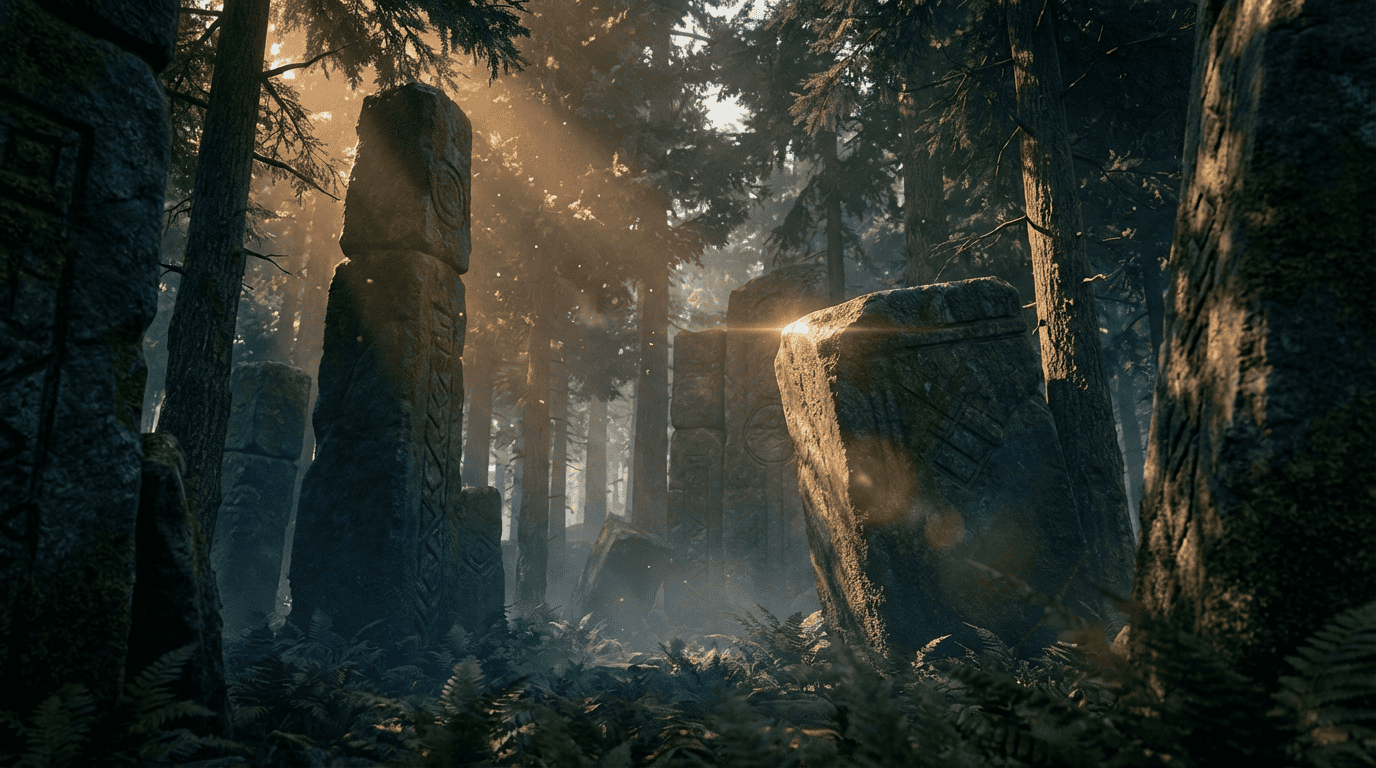
Exploring The Colossal Megaliths Of The Uhtsada Mystery Ruins
Deep in the rugged heart of modern-day Turkey, a shadow falls over the towering stone gates and ancient tunnels of what many seekers call the uhtsada mystery ruins. This legendary site, historically known as Hattusa, served as the iron-clad capital of the Hittite Empire before vanishing during the mysterious Bronze Age collapse. Today, visitors are drawn to its silent streets by stories of advanced engineering and strange artifacts that seem to defy their time.
The air around the ruins carries a heavy sense of history, anchored by the presence of a massive, polished green stone that remains an archaeological enigma. While mainstream science points to a collapse driven by war and climate shifts, the sheer scale of the megalithic masonry suggests a deeper story waiting to be told. Every carved lion and hidden chamber offers a clue to a civilization that rose to incredible heights only to be swallowed by the dust of the Anatolian plateau.
Key Takeaways
- The Uhtsada ruins in Russia and Turkey feature megalithic masonry with precision-fitted stones that challenge modern understanding of ancient engineering and tools.
- Advanced construction techniques, such as potential thermal stone softening or lost lifting mechanisms, allowed ancient builders to manipulate blocks weighing hundreds of tons with surgical accuracy.
- The intentional layout of these megalithic structures serves as a sophisticated celestial calendar, aligning with solar solstices and specific star patterns like Orion.
- The presence of identical polygonal masonry across distant regions like Russia and Peru suggests either a global exchange of architectural knowledge or a universal mastery of heavy stone.
Giant Stone Walls Of The Russian Wilderness
Tucked away in the remote reaches of the Russian wilderness, the Uhtsada ruins present a staggering display of ancient engineering that challenges our understanding of the past. These formations consist of massive granite blocks, some estimated to weigh hundreds of tons, stacked with a precision that seems impossible for primitive tools. The sheer scale of the walls creates a sense of awe, as the stones are fitted together so tightly that even a knife blade cannot pass between them. Unlike the more famous megaliths of Europe, these structures feature a raw, weathered texture that suggests they have stood against the elements for millennia. Researchers have noted that the geometry of the site appears intentional, pointing toward a level of planning that goes far beyond natural geological erosion.
The construction techniques used to move and stack these colossal stones remain one of the greatest mysteries of the region. Many of the blocks are rectangular and feature sharp, right-angled edges that defy the typical patterns found in nature. Local legends and independent researchers often point to the possibility of lost technology or advanced acoustic levitation used by a forgotten civilization. While mainstream geology sometimes attributes these formations to natural jointing in the granite, the presence of clear stacking and deliberate placement suggests a human hand was involved. This site offers a unique opportunity to study how ancient builders might have manipulated massive materials in ways that modern science still struggles to fully explain.
Beyond their physical weight, the Uhtsada ruins appear to be more than just simple defensive walls or dwellings. Some observers have identified potential astronomical alignments within the layout of the stones, suggesting they may have served as a celestial calendar or a ritual site. The orientation of certain gaps in the walls seems to track the movement of the sun and stars during the solar solstices, much like other famous megalithic sites across the globe. This connection to the cosmos hints at a sophisticated culture that prioritized the study of the heavens while mastering the earth. As we continue to peel back the layers of history in the Russian interior, the question remains whether we are looking at a natural wonder or the architectural signature of a lost era.
Lost Construction Techniques Of Ancient Builders
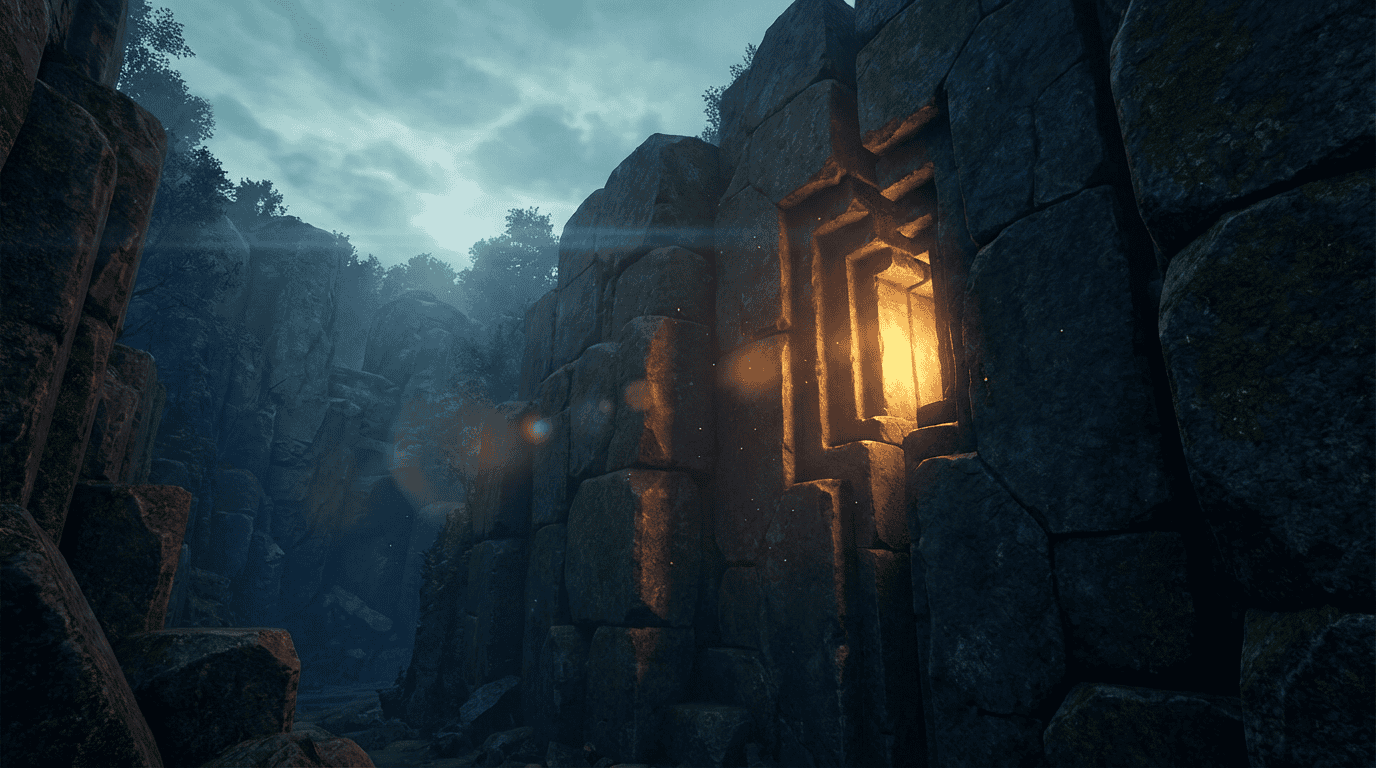
The megalithic ruins of the Uhtsada region in Russia showcase a level of precision that challenges our understanding of ancient engineering. These massive stone blocks are fitted together with such accuracy that even a thin blade cannot pass between them, mirroring the famous polygonal masonry found halfway across the world in the Peruvian Andes. Unlike the more familiar limestone structures of Europe, these Russian sites utilize incredibly hard local stone that would have required immense strength and specialized tools to shape. Researchers often point to these interlocking patterns as evidence of a shared architectural logic that prioritized seismic resistance and long term durability. The sheer scale of the individual stones suggests that these ancient builders possessed a sophisticated method for transporting and lifting weights that would baffle modern construction crews.
Comparing these northern marvels to the famous walls of Sacsayhuaman or the Great Pyramid reveals a global pattern of advanced craftsmanship. While mainstream history often views these regions as isolated, the similarity in construction techniques suggests a deeper connection or a universal solution to working with megalithic materials. Many independent researchers suggest that these stones were not merely carved but perhaps softened or molded through a lost thermal process, which would explain the tight, organic fit of the joints. Historical documentation from early Russian explorers noted that the alignments of these ruins often correspond with specific solar events, hinting that the site served as both a fortress and a celestial observatory. This dual purpose indicates that the builders were as skilled in astronomy as they were in heavy masonry.
The mystery of how these structures were assembled remains one of the most intriguing puzzles in modern archaeology. Without the presence of iron tools or wheels in the local archaeological record, the creation of such perfectly flat surfaces and complex angles seems almost impossible. Some theorists propose that sound frequency or advanced lifting mechanisms were utilized, though physical evidence of such technology remains elusive. We are left to wonder if these ruins represent a forgotten chapter of human history where technology developed along a completely different path than our own. What do you think was the primary goal of these ancient architects, and could such precision be achieved today without the help of modern engineering and heavy machinery?
Astronomical Alignments And Celestial Connections
The placement of the Uhtsada stones suggests that the ancient builders possessed a sophisticated understanding of the cosmos that rivaled modern observations. Researchers have noted that several of the largest megaliths align perfectly with the sunrise during the summer solstice, casting long shadows that point toward specific secondary structures. This precision implies that the site served as a massive celestial calendar, allowing the community to track the changing seasons with incredible accuracy. By observing the movements of the sun and moon against these heavy pillars, the architects could predict the best times for planting and harvesting. Such a complex layout shows that these people were not just survivors but keen scientists of the natural world.
Beyond the solar paths, some investigators believe the ruins mirror specific star patterns found in the northern night sky. Local legends and independent researchers often point to the constellation of Orion as a potential blueprint for the arrangement of the smaller stone clusters. While mainstream science continues to map the site, the possibility that these stones act as a terrestrial map of the heavens remains a compelling theory. This celestial connection suggests that the builders viewed their earthly home as a direct reflection of the divine order they saw above. If these stones truly represent the stars, it would mean the Uhtsada culture held a deep philosophical bond with the universe that influenced their entire way of life.
The sheer scale of these astronomical markers raises fascinating questions about the lost construction techniques used to achieve such exact angles. Moving stones of this magnitude requires more than just physical strength, it demands advanced geometry and a clear vision of the horizon. As we uncover more about how these stones interact with the light of the stars, we are forced to reconsider what ancient civilizations were truly capable of achieving. Every new discovery at the site challenges the idea that advanced engineering and scientific knowledge is a strictly modern invention. What do you think prompted these ancient people to dedicate so much effort to tracking the stars, and could there be a deeper message hidden in their alignments?
Unlocking the Secrets of Russia’s Megalithic Giants
The Uhtsada ruins stand as a silent testament to a lost chapter of human history, challenging our understanding of what ancient builders were truly capable of achieving. These massive stone structures in Russia offer a fresh perspective on megalithic architecture that exists far beyond the well known sites of Western Europe. The precision of the stone work and the sheer scale of the blocks suggest a deep knowledge of construction techniques that seem ahead of their time. As researchers continue to map the site, the possibility of intentional astronomical alignments adds another layer of intrigue to these hidden giants. Every discovery at this remote location serves as a reminder that the story of our ancestors is much more complex than the history books often suggest.
While modern science works to categorize and date these megalithic remains, the mystery of who built them and why continues to spark the imagination. These ruins do not just represent a feat of engineering, they represent a connection to a forgotten culture that viewed the landscape with profound significance. The blend of natural formations and deliberate craftsmanship creates an atmosphere where the line between the earth and human intervention becomes blurred. It is through exploring these lesser known sites that we can begin to piece together a more complete picture of our global heritage. The enduring silence of the stones invites us to look closer and listen to the stories they might still be trying to tell.
The journey through the Uhtsada mystery may end here for now, but the conversation regarding these ancient marvels is only just beginning. There is a certain magic in the unknown, and these Russian megaliths provide plenty of room for both scientific study and creative theorizing. Perhaps these stones served as a celestial calendar, or maybe they were a sacred sanctuary for a civilization we have yet to fully identify. We want to hear your thoughts on what these massive structures could have been used for thousands of years ago. Do you believe they were built using lost technology, or do you think they have a more traditional explanation that we simply have not uncovered yet?
Frequently Asked Questions
1. What exactly are the Uhtsada mystery ruins?
The Uhtsada mystery ruins refer to ancient, megalithic structures found in both the rugged landscapes of Turkey and the remote Russian wilderness. These sites feature massive stone blocks and precision engineering that belonged to the Hittite Empire and other unidentified ancient builders. They are famous for their giant walls and strange artifacts that seem to defy the technology available at the time of their construction.
2. Where are these mysterious ruins located?
One primary site is located at Hattusa in central Turkey, which served as the capital of the Hittite Empire. Similar megalithic formations associated with the Uhtsada name are also found deep within the remote mountains of the Russian wilderness. Both locations are known for their difficult terrain and breathtaking stone architecture.
3. How were the massive stones moved and stacked?
The exact method remains a mystery because the granite blocks weigh hundreds of tons and are fitted together with incredible precision. While mainstream researchers suggest large labor forces and simple tools, the tight fit between the stones suggests a highly advanced understanding of geometry and engineering. Many people believe these ancient builders possessed lost techniques that allowed them to manipulate heavy stone with ease.
4. What is the significance of the green stone found at the site?
The large, polished green stone at the Hattusa site is considered a legendary enigma by both tourists and archaeologists. It is a singular, beautifully carved piece of nephrite or serpentine that stands out from the surrounding masonry. Local legends and researchers alike wonder if it served a ceremonial purpose or acted as a gift from an ancient ally.
5. Why did the civilization at Hattusa disappear?
Historical records indicate the city was abandoned during the Bronze Age collapse, a period marked by mysterious migrations and societal shifts. While evidence of fire and warfare exists, some believe a combination of climate change and internal struggle caused the people to simply walk away. Their sudden departure left behind a silent ghost city that still guards its secrets today.
6. Are the Russian stone walls natural or man-made?
While some geologists argue that the formations are the result of natural weathering, the intentional geometry and stacked appearance suggest they are man-made. The blocks are shaped into rectangular forms and positioned in ways that mimic defensive walls or foundations. This creates a compelling case for ancient astronauts or an unknown, ancient civilization living in the Russian wilderness long ago.