Chasing The Living Dinosaur Of The Congo Basin
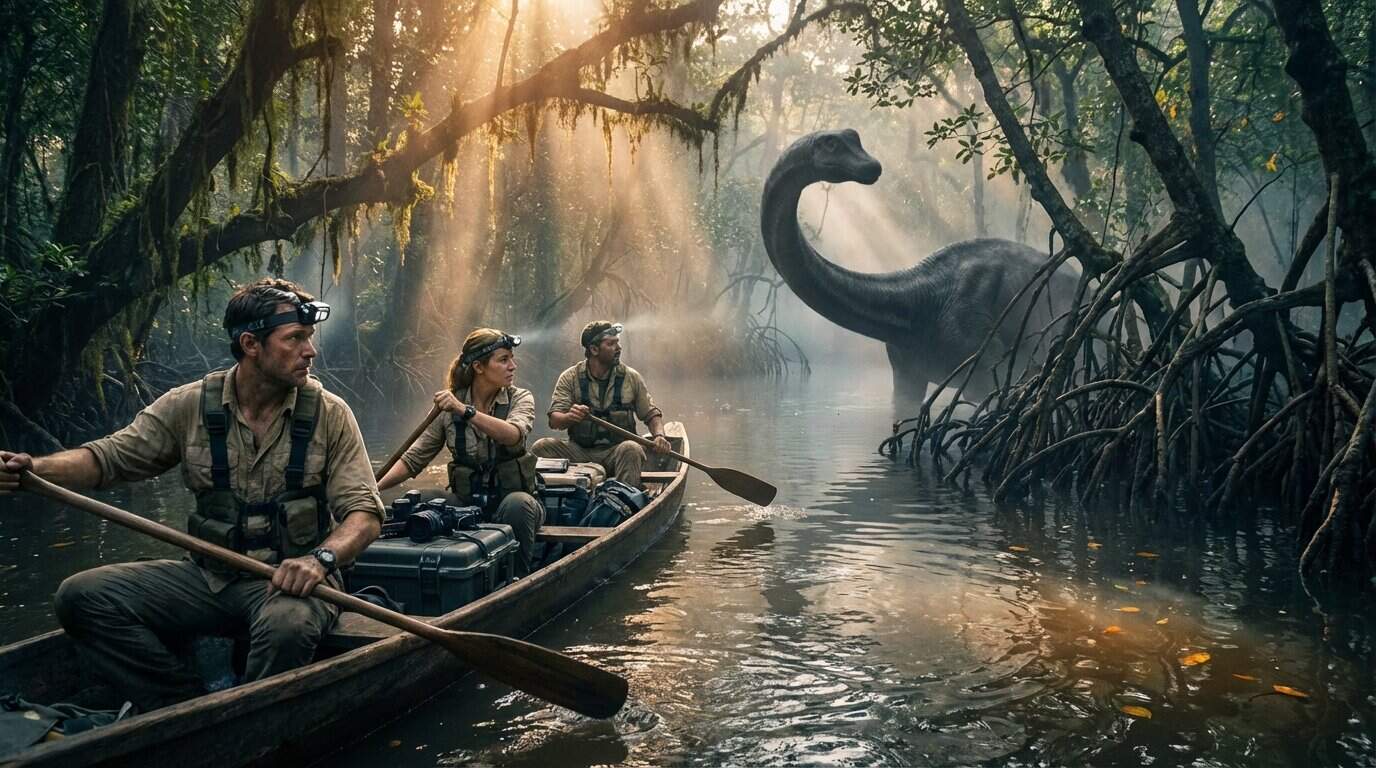
Deep in the heart of the Congo River Basin, a prehistoric shadow is said to glide beneath the surface of the murky Likouala swamps. For over a century, explorers have launched dozens of mokele mbembe expeditions in search of a creature the locals call “the one who stops the flow of rivers.” This legendary beast is often described as a living dinosaur, sporting a long, graceful neck and a massive body that defies modern biology.
While mainstream science remains skeptical, the sheer number of eyewitness accounts from the Republic of the Congo suggests something real is lurking in the impenetrable wetlands. These reports describe a territorial herbivore that is as elusive as it is dangerous, guarding its territory against even the largest hippos. The mystery of the Mokele-mbembe sits at the fascinating intersection of ancient folklore and the tantalizing possibility that a relic of the Jurassic era survived into the modern day.
Key Takeaways
- The Congo River Basin’s Likouala swamps remain one of the most impenetrable and unexplored regions on Earth, providing a plausible biological sanctuary for unidentified large species.
- Consistent eyewitness accounts from indigenous tribes and early explorers across three centuries describe a territorial, long-necked aquatic herbivore that matches the anatomy of a small sauropod.
- Documented evidence, including massive unidentified footprints and specific feeding habits related to the malombo plant, distinguishes the Mokele-mbembe from known animals like elephants or hippos.
- Modern cryptozoological expeditions to Lake Tele bridge the gap between ancient folklore and formal science by treating indigenous oral history as a credible baseline for biological investigation.
Early Explorers And The First Footprints
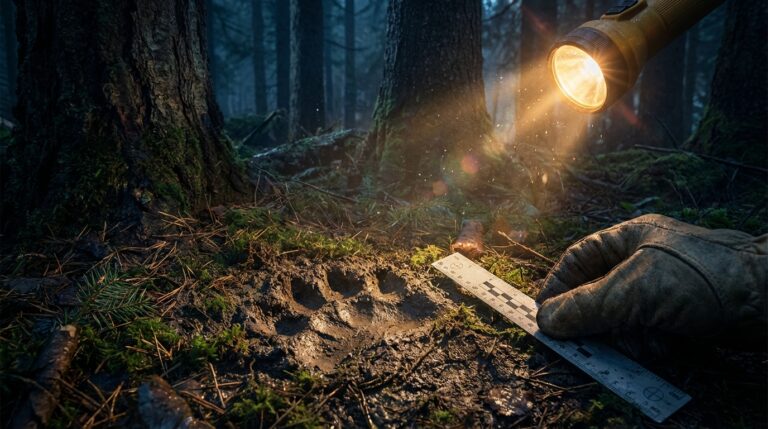
The mystery of Mokele-mbembe first reached Western ears through the records of French missionaries exploring the Congo Basin in 1776. These early travelers documented strange, massive footprints left in the river mud, noting that the tracks belonged to a creature that did not match any known animal like an elephant or hippopotamus. The local tribes spoke of a powerful being that lived within the water and possessed a long, flexible neck. These accounts provided the first written evidence of a legend that had already existed for centuries among the people of the Likouala swamp. The missionaries were struck by the consistent descriptions of a beast that seemed to belong to a prehistoric era rather than the modern world.
By the early 20th century, the search for the creature became more structured as professional explorers ventured into the dense jungle. In 1913, German Captain Freiherr von Stein zu Lausnitz was sent to survey the Cameroon region and returned with detailed reports of a creature the locals called Mokele-mbembe. His documentation described a brownish-gray animal with smooth skin, roughly the size of an elephant, featuring a long neck and a single large tooth or horn. Von Stein noted that the creature reportedly spent its days in river caves and only emerged to feed on the chocolate-colored fruits of the malombo plant. His findings transformed the legend into a formal pursuit for cryptozoologists, sparking a century of mokele mbembe expeditions into the heart of the Congo.
These early accounts established a fascinating pattern that continues to draw researchers to the region today. While skeptics often point to the lack of physical remains, the historical consistency of the descriptions from different tribes across hundreds of miles is difficult to ignore. The explorers of the 1700s and 1900s were not looking for dinosaurs, yet they recorded details that perfectly mirror the anatomy of a small sauropod. This blend of historical documentation and tribal oral history creates a compelling case that something unusual inhabits the deep waterways. Do you think these early explorers were truly tracking a relic from the past, or was there another animal they might have misidentified in the shadows of the jungle?
Modern Quests Into Lake Tele And Swamps
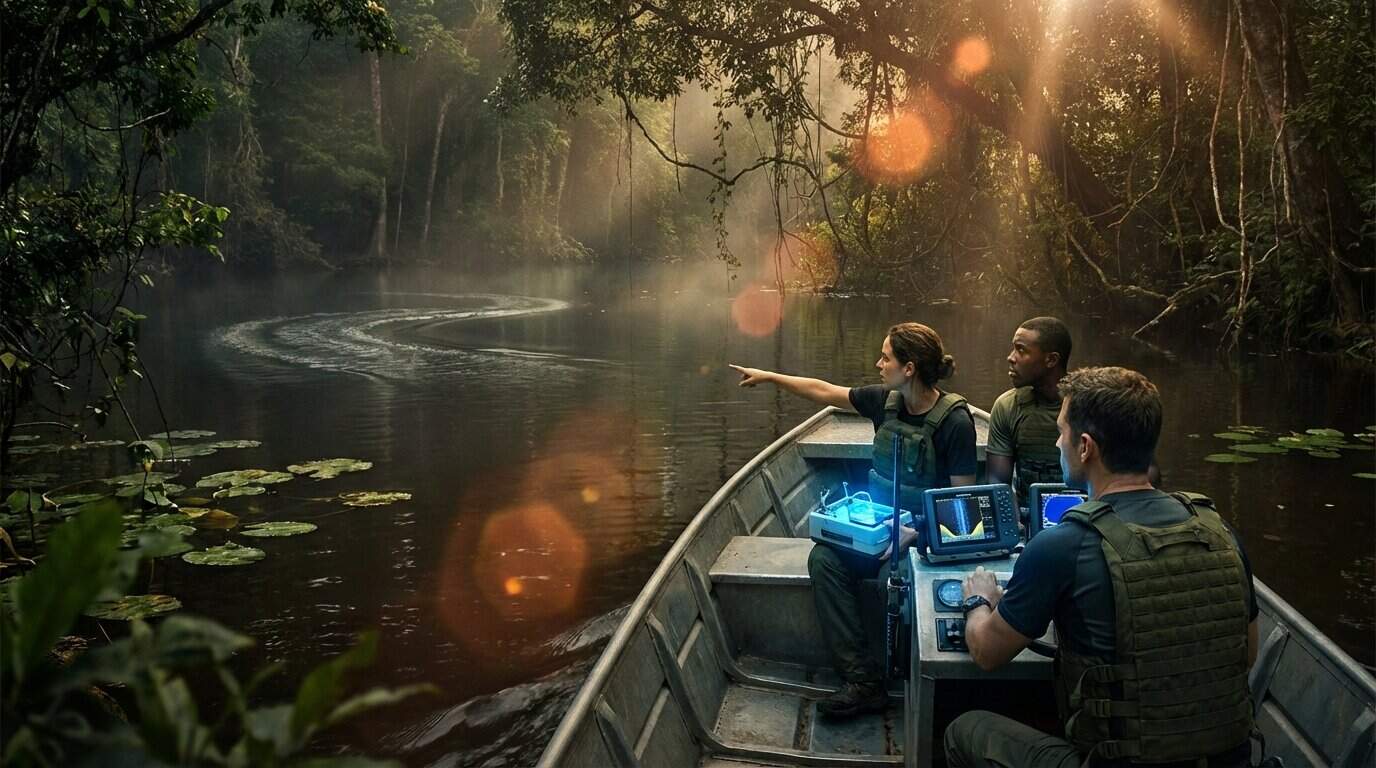
The 20th century saw a surge of interest in the Likouala swamp as explorers traded comfortable lives for the humidity and danger of the Congo Basin. Biologist Roy Mackal led several notable expeditions in the early 1980s, driven by a desire to find a living relic from the age of dinosaurs. He focused his efforts on the remote Lake Tele, a place where local legends of a long necked creature were most frequent. While Mackal did not capture a specimen, he collected numerous eyewitness accounts that described a beast with a heavy tail and a small head. His work helped transition the search from mere folklore into a serious cryptozoological investigation that respected the knowledge of indigenous tribes.
Following in these footsteps, researcher Bill Gibbons dedicated years to navigating the treacherous waterways and dense vegetation of the Republic of the Congo. Gibbons conducted several missions throughout the 1980s and 1990s, often interviewing villagers who claimed to have encountered the territorial animal while fishing. These expeditions faced extreme challenges, including malaria, political instability, and the sheer vastness of the unexplored swamps. Despite the lack of clear photographic evidence, Gibbons documented consistent descriptions of the creature’s diet and behavior. His findings suggested that if a sauropod like animal truly exists, it has found the perfect prehistoric sanctuary within these isolated wetlands.
These modern quests highlight a fascinating intersection between traditional zoology and the enduring mysteries of the natural world. Each mission into the heart of the jungle adds another layer to the history of the Mokele-mbembe, keeping the hope of a major discovery alive. While skeptics point to the lack of physical remains, the sheer size of the Likouala region makes it easy to believe that something large could remain hidden. The dedication of researchers like Mackal and Gibbons ensures that the search for the “one who stops the flow of rivers” continues to capture our imagination. Do you think a prehistoric survivor could still be hiding in the depths of the Congo, or is it a legend born from the shadows of the swamp?
Local Legends And Territorial River Encounters
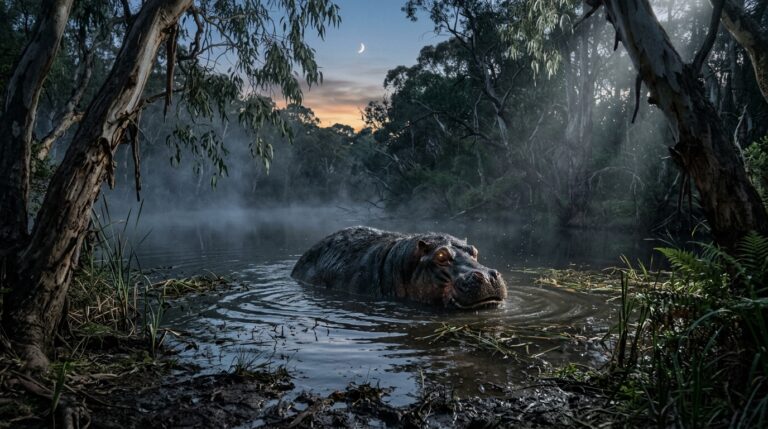
Indigenous tribes living along the banks of the Likouala swamp and the Congo River share a deep, historical connection with a creature they call Mokele-mbembe. These communities do not view the animal as a ghost or a myth, but rather as a physical, flesh and blood neighbor that shares their treacherous waterways. Much like the bunyip, local hunters often describe it as a creature that stops the flow of rivers, possessing a long neck and a body larger than a hippopotamus. While it is known to be a herbivore, the tribes warn that it is incredibly territorial and will not hesitate to defend its stretch of the river. This cultural consistency across different villages suggests that these sightings are based on a real, recurring presence in the deep jungle.
The creature is famously linked to the malombo plant, a specific type of river vegetation that bears a sweet, apple like fruit. According to accounts gathered by researchers like Dr. Roy Mackal, the Mokele-mbembe spends its days submerged in the water, surfacing primarily to feed on these plants. Despite its plant based diet, it is feared for its extreme aggression toward human intruders who enter its domain. Many local stories recount terrifying encounters where the beast surfaced suddenly to capsize fishing canoes with its powerful tail or massive head. These accounts serve as a practical warning for those navigating the dense river systems, as a run in with the creature often results in the destruction of the boat.
Witnesses frequently mention that while the creature may kill humans or hippos during a territorial dispute, it never consumes them. This specific detail reinforces the idea that the Mokele-mbembe is a protective herbivore rather than a typical predator. Much like the Pablo Escobar hippos in South America, these animals can become a dominant and dangerous force within an ecosystem they claim as their own. The fear it inspires is so great that some tribes have been known to build temporary fences to keep the animal away from their fishing grounds. Explorers who visit the region find that the descriptions provided by the indigenous people are remarkably consistent, even between groups that have had little contact with one another. These vivid stories of overturned boats and specific feeding habits continue to be the primary evidence that keeps the mystery of the Congo alive.
Scientific Skepticism Meets The Great Unknown
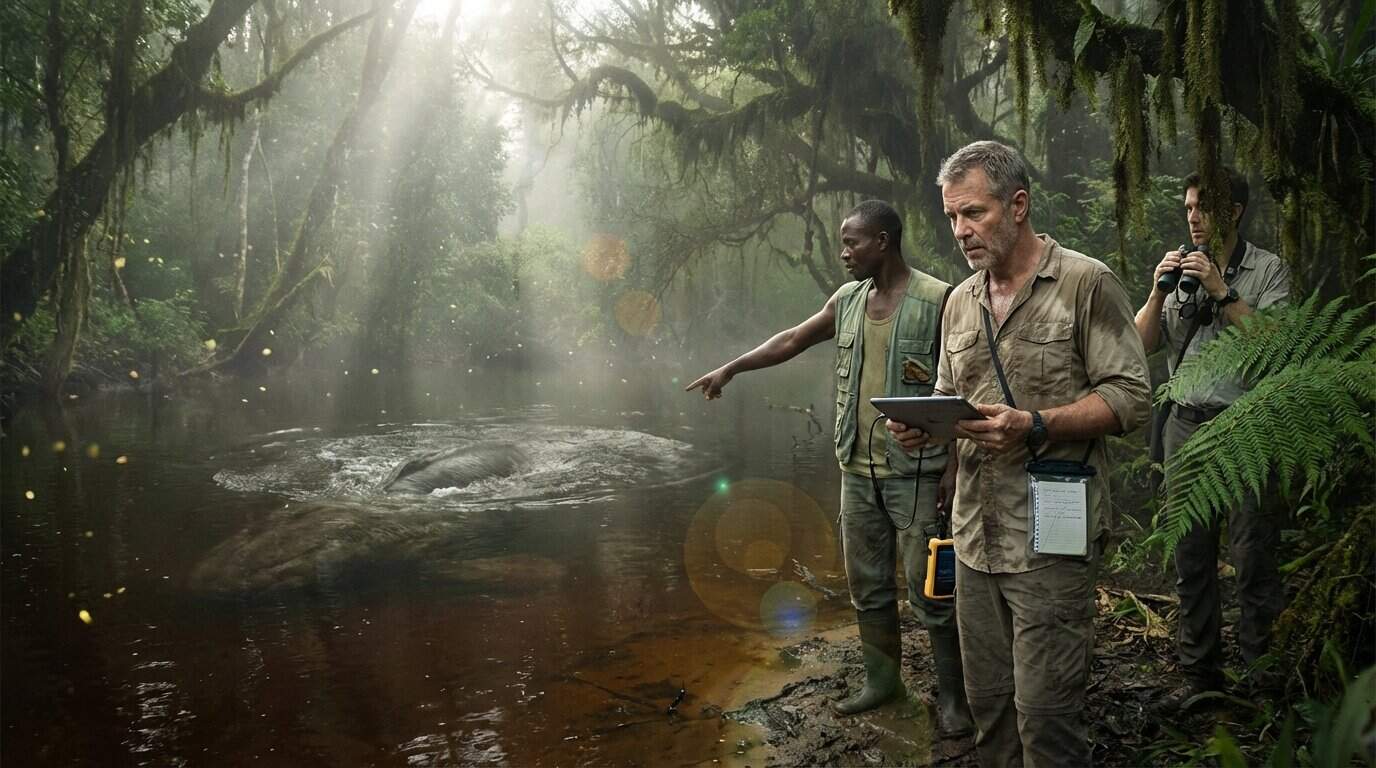
The dense jungles of the Congo Basin present a unique challenge to modern science because they remain one of the most unexplored regions on the planet. Many researchers argue that the vast Likouala swamp, with its deep waters and thick vegetation, could easily hide a large creature from the prying eyes of satellites and drones. While mainstream biology suggests that a dinosaur species would have needed a massive breeding population to survive for millions of years, the sheer isolation of Lake Tele keeps the mystery alive. Explorers often point out that new species are discovered in these remote pockets every year, which makes the idea of a prehistoric relic less of a fantasy and more of a biological possibility.
The lack of clear photographic evidence continues to be the primary hurdle for those seeking to prove the existence of the Mokele-mbembe. Even with over fifty formal expeditions launched since the early 20th century, the best evidence often consists of blurry shapes or rhythmic disturbances in the water. Skeptics frequently suggest that sightings might be misidentified elephants or hippos, yet local witnesses consistently describe features that do not match any known animal. These accounts, documented by researchers like Dr. Roy Mackal, describe a long-necked creature with a thick tail that behaves with extreme territorial aggression.
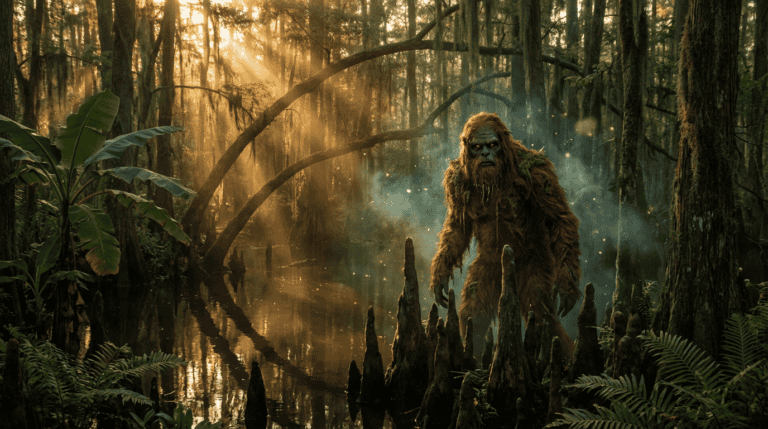
Ultimately, the search for this elusive beast serves as a bridge between documented history and the great unknown. Scientific skepticism is necessary to filter out myths, but it must be balanced with the humility to admit that we do not yet know everything about our world. Much like the Bigfoot evidence debate, the Congo River Basin is a place where the rules of the modern world seem to bend, allowing for the possibility that a living fossil still stops the flow of the rivers. What do you think it would take to finally prove the existence of such a creature in the heart of the jungle, or do you believe some mysteries are better left unsolved?
The Lasting Legacy of Congo’s Dino-Hunters
The enduring mystery of Mokele mbembe serves as a powerful reminder that our world still holds vast, unexplored corners where the laws of modern biology might be challenged. For over a century, explorers have trekked through the dense Likouala swamps, driven by the hope of catching a glimpse of a creature that time forgot. These expeditions represent more than just a search for a physical animal, as they embody the human spirit of curiosity and our desire to uncover the secrets of the natural world. Even without definitive photographic proof, the consistency of the local accounts and the sheer vastness of the Congo Basin keep the legend alive. The possibility of a prehistoric survivor lurking in the deep rivers remains one of the most captivating puzzles of our time.
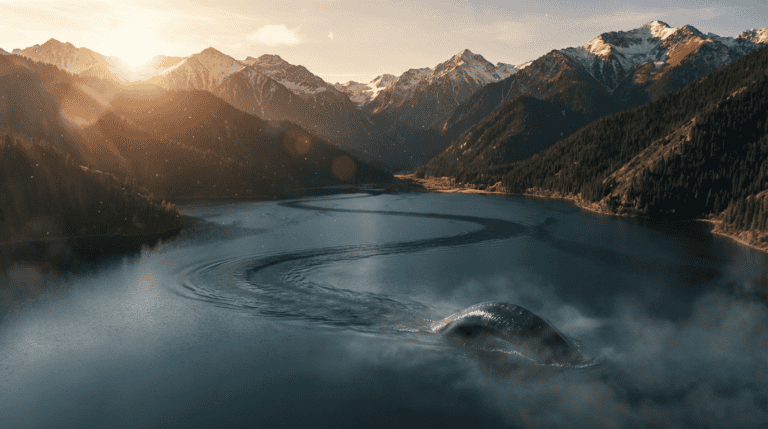
While skeptics may point to the lack of physical evidence, the sheer scale of the African jungle makes it easy to believe that something significant could still be hiding. Each new journey into the heart of the Congo adds a fresh chapter to a narrative that blends history, folklore, and the thrill of discovery. Whether Mokele mbembe is a biological reality or a cultural icon, its story encourages us to look at the wilderness with a sense of wonder and respect. The deep, murky waters of Lake Tele continue to guard their secrets, waiting for the next brave soul to venture into the unknown. Much like the mystery of the Lake Tianchi monster sightings, the search for these elusive beings highlights our fascination with what might still be hidden in the world’s most remote waters. Just as researchers ask Are Chupacabra Sightings Real? to understand modern cryptids, the search for a dinosaur in the remote reaches of the Congo continues to challenge our understanding of the natural world. Similar to the debate surrounding prehistoric survivors in other parts of the world, do you believe that a dinosaur could truly be hiding in the remote reaches of the Congo, or is this simply a legend born from the shadows of the trees?
Frequently Asked Questions
1. What exactly is the Mokele-mbembe?
The Mokele-mbembe is a legendary creature rumored to live in the remote Likouala swamps of the Congo River Basin. Locals describe it as a massive, long-necked herbivore that resembles a living dinosaur, specifically a sauropod. It is known as the one who stops the flow of rivers and is said to be extremely territorial.
2. When did the first expeditions to find the creature begin?
While legends existed for centuries, the first recorded evidence reached the Western world through French missionaries in 1776. These early explorers documented massive, mysterious footprints in the river mud that did not belong to elephants or hippos. Formal scientific surveys, such as the one led by German Captain Freiherr von Stein zu Lausnitz, began in the early 20th century.
3. Where do these expeditions usually take place?
Most searches focus on the Republic of the Congo, specifically within the vast and murky Likouala swamp region. This area is characterized by dense jungle and impenetrable wetlands that make modern exploration incredibly difficult. The creature is said to prefer deep water bends and hidden river caves.
4. Is there any physical evidence of the creature’s existence?
Expeditions have uncovered large, unidentified footprints and nesting sites that do not match known African wildlife. While mainstream science remains skeptical due to a lack of a specimen, the consistent eyewitness accounts from local tribes provide a compelling narrative. These reports often describe a beast that is powerful enough to drive away hippos from its territory.
5. Why do people believe a dinosaur could still exist in the Congo?
The Congo River Basin is one of the most untouched and biologically diverse places on Earth, often referred to as a prehistoric time capsule. Explorers believe the isolated nature of these wetlands could have allowed a relic species to survive undisturbed for millions of years. The mystery sits at a fascinating intersection of ancient folklore and the possibility of a hidden biological reality.
6. Are these expeditions dangerous for explorers?
Venturing into the heart of the Congo involves navigating extreme terrain, dense vegetation, and unpredictable river currents. Explorers must also contend with the creature’s reputation for being highly territorial and aggressive toward anything that enters its space. The combination of local wildlife and the harsh environment makes every journey a significant challenge.