Are Chupacabra Sightings Real? Unraveling the Mystery
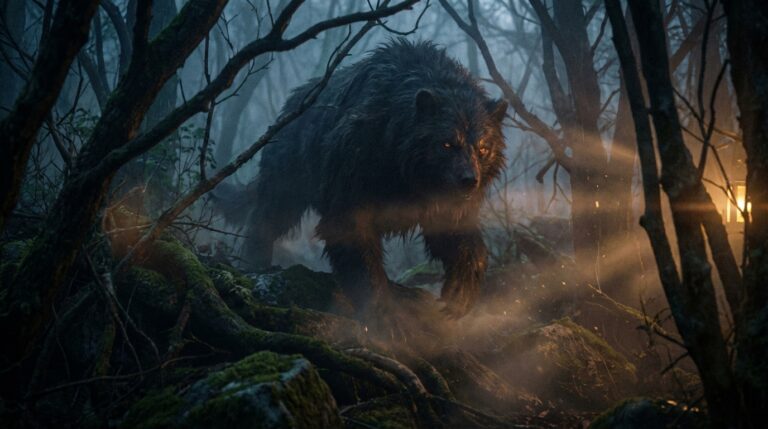
In the quiet town of Canóvanas, Puerto Rico, a terrifying mystery began to unfold in 1995. Farmers woke up to find their livestock dead with strange puncture marks on their necks and not a drop of blood left in their bodies. Eyewitnesses like Madelyne Tolentino described a creature that looked like nothing on Earth, standing on two legs with large red eyes and alien spines down its back. This was the birth of the legend known as the Chupacabra, which translates literally to “goat sucker.” As panic spread across the island, the world began to wonder if a new predator was hunting in the shadows.
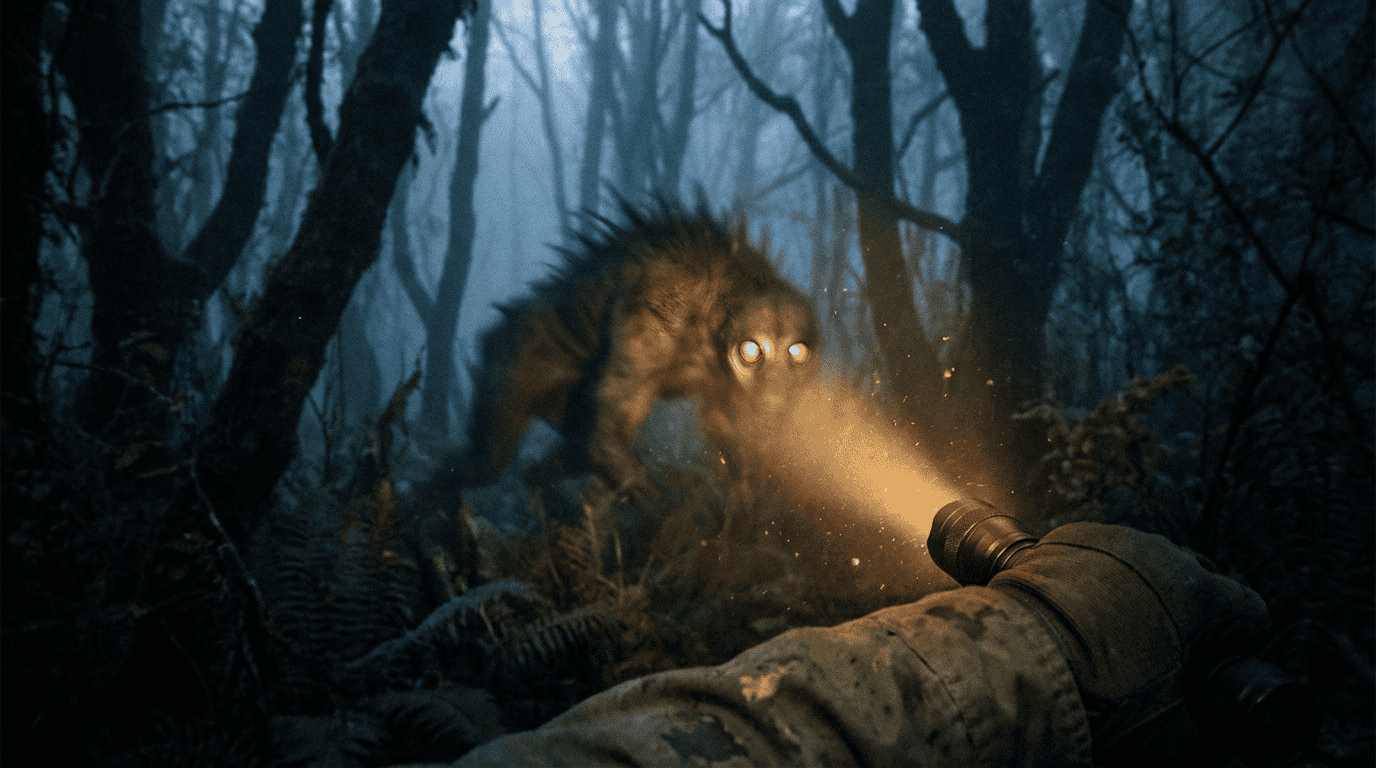
The terrifying stories did not stay isolated on the island for very long. Reports of similar attacks soon started appearing in Mexico, the southern United States, and even as far away as Russia. However, the description of the beast changed drastically as the legend moved north across the borders. Instead of a spiny alien, people in Texas and the American Southwest reported seeing a hairless, four-legged animal that resembled a strange, ugly dog. This confusing shift in appearance makes researchers question if we are dealing with a single creature or something entirely different.
Science has tried to provide logical answers for these bizarre and frightening encounters. Biologists often explain the four-legged sightings as coyotes or raccoons suffering from a severe skin disease called sarcoptic mange. While this explains the hairless appearance, it does not account for the surgical precision of the puncture wounds found on the victims. Many farmers insist that a sick dog would tear the prey apart rather than draining it completely of blood. Examining the evidence helps decide if these are just sick animals or a true monster hiding in the dark.
Key Takeaways
- The Chupacabra legend originated in Puerto Rico in 1995 with reports of a bipedal, alien-like creature draining the blood of livestock through precise puncture wounds.
- As the legend spread to the United States and Mexico, the creature’s description shifted from a spiny alien to a hairless, four-legged canine resembling a strange dog.
- Biologists attribute modern sightings to common predators like coyotes and raccoons suffering from sarcoptic mange, a disease that causes hair loss and altered behavior.
- Despite scientific explanations for the animal’s appearance, the surgical precision of the blood-draining attacks remains a mysterious inconsistency that keeps the legend alive.
The 1995 Puerto Rico Livestock Attacks
In 1995, the small town of Canóvanas, Puerto Rico, became the center of a terrifying mystery that would soon captivate the world. Local farmers started waking up to find their goats, chickens, and other livestock dead under strange circumstances. Unlike normal predator attacks, these animals were not eaten or dragged away into the brush. Instead, they appeared to be completely drained of blood through precise puncture wounds found on their necks. The bizarre nature of the killings led residents to suspect something far more sinister than a stray dog or wild cat was hunting in the night.
Panic grew quickly as specific eyewitness accounts started to circulate throughout the community. One of the most famous reports came from a local woman named Madelyne Tolentino, who described seeing a creature that looked nothing like a known animal. She claimed the beast stood on two legs and possessed large, glowing red eyes that struck fear into anyone who saw them. Witnesses also reported a row of distinct alien-like spines running down its back. This terrifying description helped coin the name El Chupacabra, which translates simply to the goat sucker.
Authorities were baffled as the number of dead animals continued to rise across the island without a clear culprit. Civil defense teams and police officers investigated the scenes but could not find a logical explanation for the surgical nature of the wounds. While skeptics suggested human cults or wild monkeys were to blame, the local community felt sure they were dealing with an unknown predator. The consistency of the reports made it difficult to dismiss the sightings as mere mass hysteria. This series of events in Canóvanas planted the seed for a modern legend that still puzzles cryptozoologists today.
Shifting Forms From Alien to Canine
The legend began in Puerto Rico during the mid-1990s with a creature that looked nothing like a dog. Eyewitnesses like Madelyne Tolentino described a terrifying beast that stood on two legs and had large, glowing red eyes. It reportedly had alien features, including distinct spikes running down its back and a kangaroo-like body shape. This early version of the chupacabra seemed to belong in a science fiction movie rather than the animal kingdom. For years, this bipedal monster was the standard image whenever people whispered about the mysterious predator.
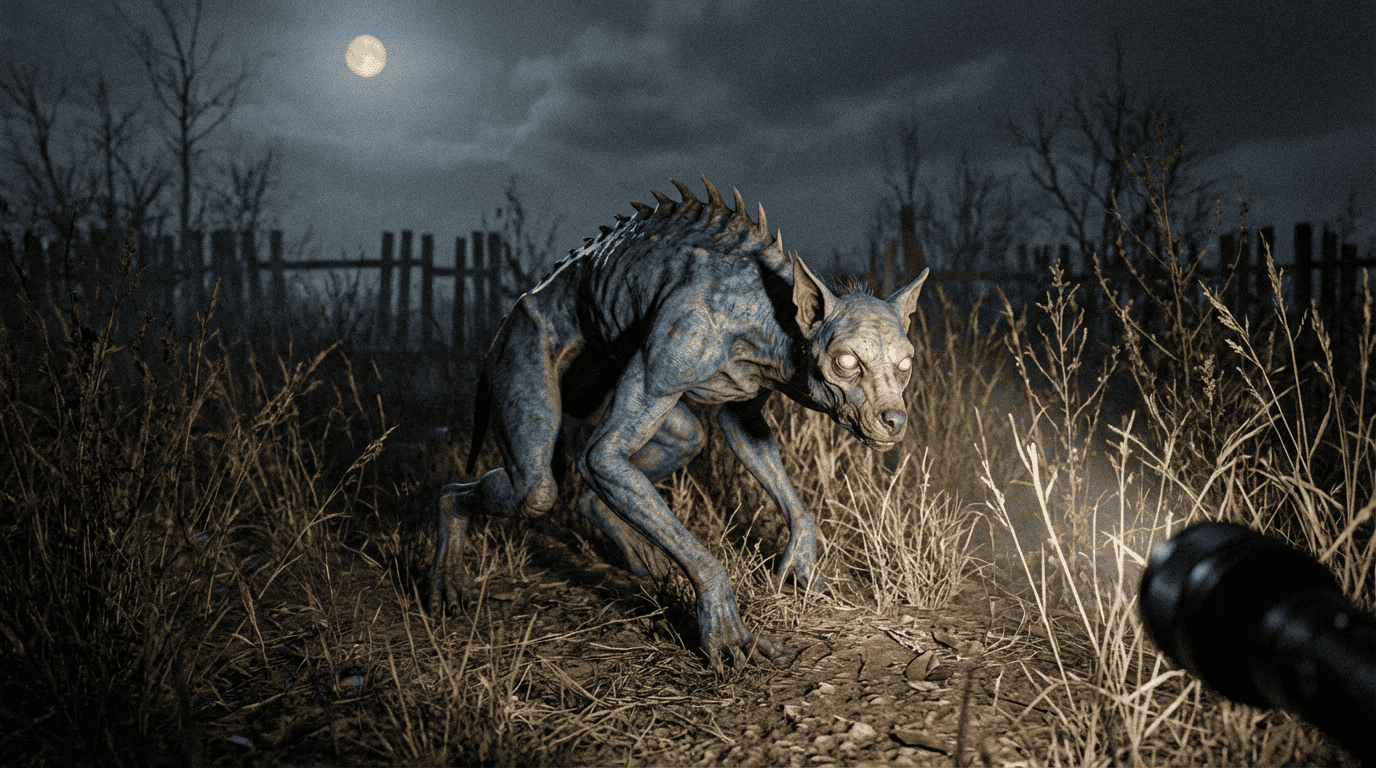
As the stories migrated to Mexico and the United States, the physical description of the beast underwent a bizarre transformation. Reports started describing a four-legged animal that looked more like a hairless coyote or a strange breed of dog. Ranchers in Texas and other southern states began finding strange carcasses that lacked fur and had grey, leathery skin. These creatures were often blamed for attacking livestock, just like their Puerto Rican predecessors. The glowing red eyes and alien spines had vanished, replaced by a mangy and malnourished appearance.
Biologists and wildlife experts have offered a logical explanation for these newer sightings by pointing to severe cases of sarcoptic mange. They suggest that coyotes or raccoons suffering from this parasitic skin disease lose their hair and look unrecognizable to the average observer. While DNA tests on some carcasses have indeed confirmed them to be common animals, many enthusiasts argue this does not explain the original sightings. The drastic difference between the spiny alien of 1995 and the hairless dogs of today remains a puzzling aspect of the lore. It leaves researchers wondering if we are dealing with two completely different phenomena under one name.
Sarcoptic Mange Explaining Modern Sightings
When biologists finally examined the bodies of alleged chupacabras found in Texas and Arizona, the DNA results told a surprising story. Instead of discovering an unknown alien species, genetic testing revealed that these frightening creatures were actually coyotes, dogs, or raccoons suffering from a severe condition called sarcoptic mange. This disease is caused by microscopic mites that burrow under the skin, leading to intense itching, total hair loss, and the formation of thick, scabby wrinkles. To a terrified witness spotting one of these animals in the headlights, the gray and leathery skin looks almost reptilian or otherworldly. The inflammation constricts the blood vessels near the surface, giving the animal a strange bluish tint that fuels the legend of the blue dog.
Beyond just changing their physical appearance, this parasitic infection drastically alters how these predators behave in the wild. Animals with advanced mange are often too weak and exhausted to hunt their typical prey like wild rabbits or deer. Desperate for an easy meal, they venture closer to human settlements to attack livestock such as chickens and goats that are trapped in pens. This change in hunting strategy aligns perfectly with the reports of mysterious predators targeting farm animals at night. While science explains the identity of the animal, seeing a hairless and emaciated predator lurking in the shadows remains a deeply unsettling experience for anyone.
Recent Texas Mysteries and the Amarillo Figure
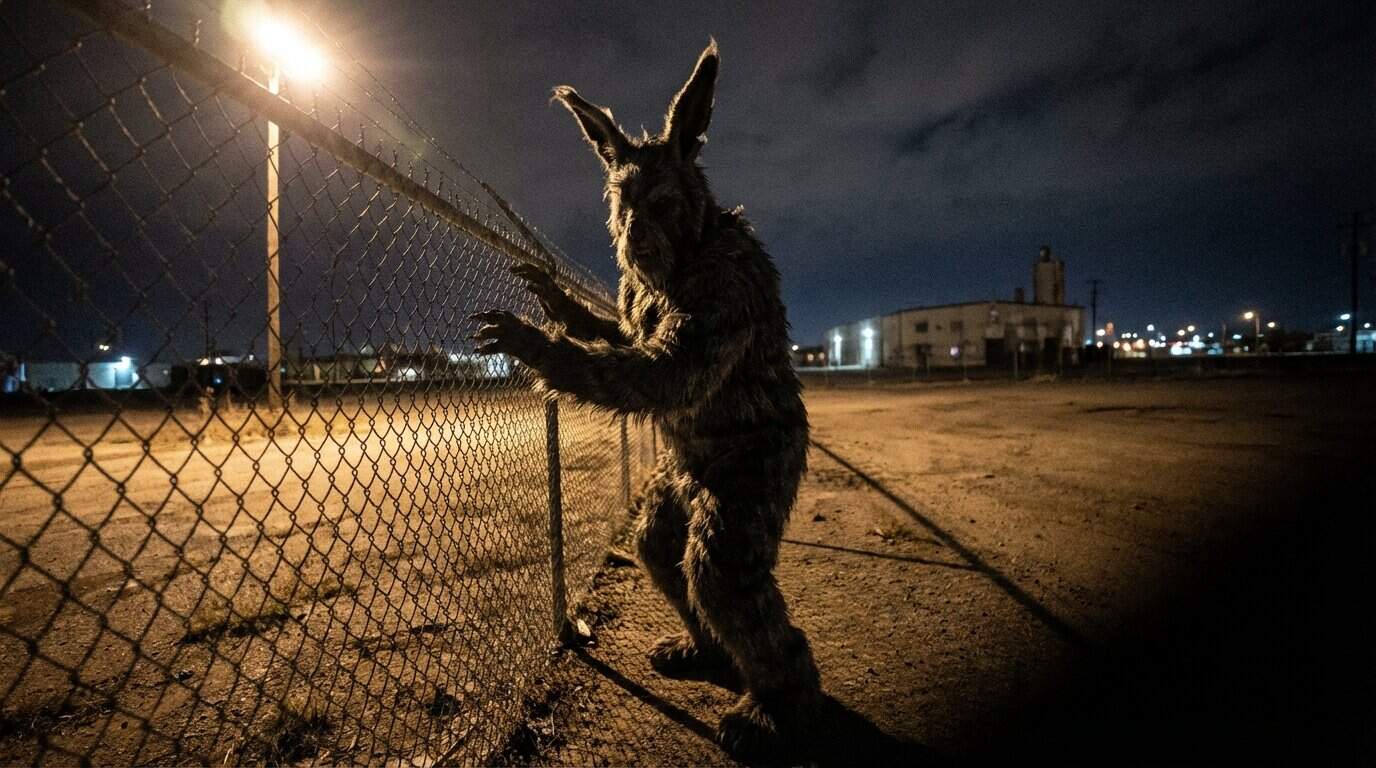
In the quiet hours of the night outside the Amarillo Zoo, security cameras captured something that defied easy explanation. The grainy image showed a strange, upright figure with pointy ears that looked too human to be a coyote but too animal to be a person. City officials released the photo to the public, asking for help identifying the mysterious visitor that some quickly labeled a modern chupacabra. While the city of Amarillo playfully referred to it as an Unidentified Amarillo Object, the internet exploded with theories ranging from a werewolf to the legendary goat sucker itself. It remains one of the most compelling pieces of recent footage because no obvious explanation has fully debunked the strange silhouette.
More recently in 2023, residents in a Houston neighborhood reported seeing a bizarre animal lurking near their homes. Photographs showed a hairless, grey-skinned creature with a long tail and large ears, reigniting the debate over whether chupacabra sightings are real. Wildlife experts usually attribute these sightings to coyotes or raccoons suffering from severe cases of sarcoptic mange, which is a skin disease that causes hair loss. Despite these scientific assurances, witnesses often insist the animal they saw moved differently and had physical proportions that did not match a sick dog. This persistent gap between expert analysis and eyewitness testimony keeps the legend alive across Texas.
The Enduring Mystery of the Chupacabra
The legend of the chupacabra has evolved significantly since those first terrifying nights in Puerto Rico. What started as a spine-chilling story about a reptilian alien has slowly transformed into sightings of strange, hairless dogs across the American Southwest. Biologists present a compelling case that these creatures are simply coyotes or raccoons suffering from severe cases of mange. Yet, this scientific reasoning does not always satisfy those who have witnessed the livestock carnage firsthand. The sheer number of reports keeps the debate alive between skeptical researchers and believers in the unknown.
Perhaps the truth lies somewhere in the shadowy middle ground between myth and reality. While mange explains the physical appearance of recent carcasses, it fails to account for the precise blood-draining attacks described by farmers. Nature is full of undiscovered species, and it is possible that something truly unique stalks the rural edges of civilization. Whether these are sick animals or a new predator waiting to be classified remains an open question for cryptozoology enthusiasts. The next time a mysterious shadow crosses the road, one has to wonder if the goat sucker is on the prowl.
Frequently Asked Questions
1. Where did the Chupacabra mystery start?
The legend began in the quiet town of Canóvanas, Puerto Rico, in 1995. Farmers discovered their livestock dead with strange puncture marks and no blood in their bodies. This terrifying event sparked a mystery that quickly spread across the world.
2. What does the Chupacabra look like?
Descriptions change remarkably depending on where the sighting takes place. Witnesses in Puerto Rico described a two-legged creature with alien spines and red eyes. In contrast, reports from Texas and the Southwest usually describe a hairless, four-legged animal that looks like a strange dog.
3. Why is it called the goat sucker?
The name Chupacabra translates literally to ‘goat sucker’ in Spanish. It earned this title because it attacks livestock like goats and sheep by draining their blood. The victims are often found with distinct puncture wounds on their necks.
4. Could the Chupacabra be a sick animal?
Science often explains the four-legged sightings as coyotes or raccoons suffering from sarcoptic mange. This severe skin disease makes animals lose their hair and look frighteningly different. However, many argue that a sick animal would not hunt with the surgical precision seen in these attacks.
5. Who is Madelyne Tolentino?
Madelyne Tolentino was an eyewitness in Puerto Rico who provided one of the first detailed descriptions of the creature. She reported seeing a bipedal beast with large eyes and spines, which looked nothing like a dog. Her story played a major role in defining the early image of the monster.
6. Are Chupacabra sightings only in Puerto Rico?
Reports of these attacks have moved far beyond the island to places like Mexico, the United States, and Russia. As the legend traveled north, the description of the creature shifted to look more like a canine. This suggests the mystery is widespread and evolving.
7. Why do people think the Chupacabra is real?
The physical evidence left behind on the victims convinces many that this is no ordinary predator. Normal predators tear their prey apart, but these victims are found intact and completely drained of blood. This strange method of killing keeps the possibility of an unknown creature alive.