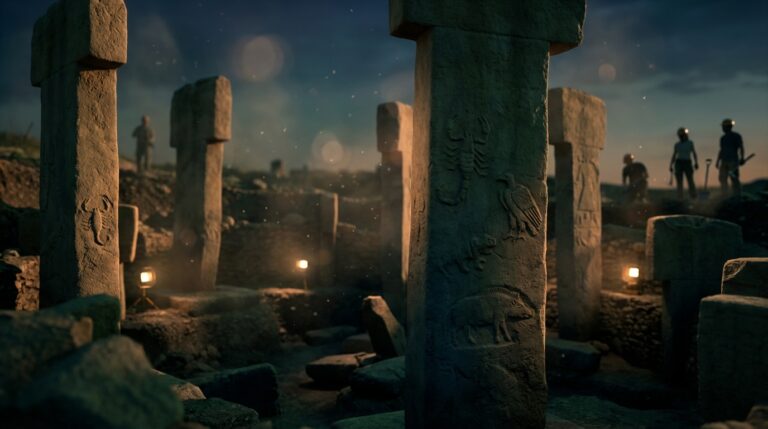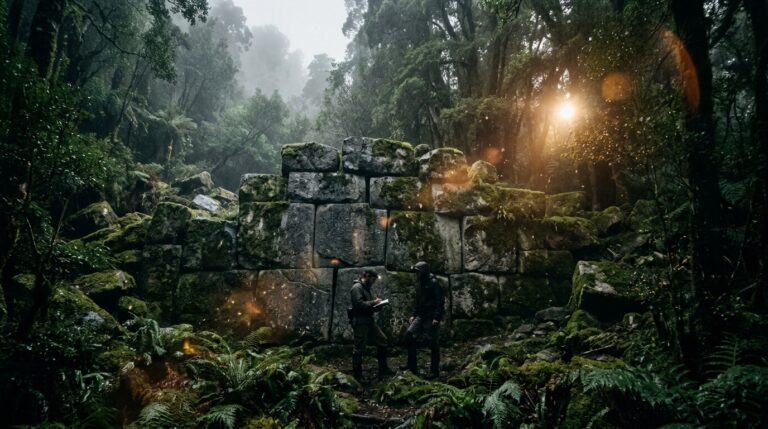

Hidden Civilizations And The Mysterious Origins Of Rondônia Artifacts
Deep within the dense, emerald canopy of the Brazilian Amazon, a silent transformation is rewriting the history of the Americas. For decades, the world viewed this vast wilderness as a pristine forest untouched by civilization, but recent discoveries point to a complex history that stretches back over 12,000 years. These stone tools and ancient relics suggest that the region was not just a backdrop for nomadic tribes, but rather a bustling cradle of innovation and early human life.
As researchers brush away layers of earth at sites dating back to the end of the last Ice Age, they are uncovering evidence of sophisticated societies that thrived long before the rise of the great Andean empires. These findings challenge previous assumptions about how the first people settled in South America and managed the land. From advanced agricultural techniques to mysterious lithic industries, the artifacts found in Rondônia whisper stories of a lost world that is only now beginning to step out from the shadows of the jungle.
Key Takeaways
- The Amazon was a bustling cradle of innovation and human migration for over 12,000 years, debunking the myth of the region as a pristine, untouched wilderness.
- Early inhabitants utilized sophisticated lithic craftsmanship and advanced agricultural techniques to master the tropical environment long before the rise of Andean empires.
- Massive geometric geoglyphs and earthworks reveal an ancient society with a deep understanding of geometry, large-scale engineering, and social organization.
- Rondônia serves as the site of some of the oldest ceramic innovations in the Americas, proving that early settlers established permanent, complex civilizations through mastery of clay and soil management.
Ancient Lithic Tools And Early Human Arrivals
The discovery of eleven thousand year old stone flakes and bifacial tools in Rondônia has transformed the understanding of how the first South Americans lived. These lithic artifacts serve as physical proof that the Amazon was not a vacant wilderness, but a bustling corridor of human migration during the transition from the Pleistocene to the Holocene era. Researchers have uncovered these early toolkits at various sites throughout the region, revealing a sophisticated level of craftsmanship that allowed pioneers to thrive in an evolving environment. According to archaeological findings reported by Cambridge University Press, these early inhabitants were far more than simple wanderers. They were skilled innovators who laid the groundwork for the complex societies that would eventually reshape the entire jungle.
These ancient stone tools suggest that the early settlers of Rondônia were masters of their environment long before the rise of known agricultural civilizations. By analyzing the wear patterns on these bifacial instruments, scientists can see how these pioneers adapted to the specific challenges of the tropical rainforest. This evidence challenges the old idea that the Amazon was too harsh to support large or advanced populations in such distant antiquity. Instead, the artifacts point toward a deep history of human ingenuity that predates European arrival by thousands of years. The presence of such diverse lithic industries indicates that Rondônia was likely a primary center for cultural exchange and technological development in the heart of the continent.
The sheer age and variety of these stone artifacts invite a reconsideration of what else might be hidden beneath the dense canopy of the modern jungle. If these early humans were already establishing complex toolmaking traditions eleven millennia ago, it suggests a much longer timeline for the development of the region’s famous geoglyphs and earthworks. Each flake of stone recovered from the earth acts as a silent witness to a time when the Amazon was a land of opportunity and expansion. These findings encourage a closer look at the soil of Rondônia for more clues about a shared human past. Do you think these early pioneers were already planning the massive geometric structures seen today, or did those come much later as their societies evolved?
Geometric Geoglyphs And Massive Earthwork Engineering
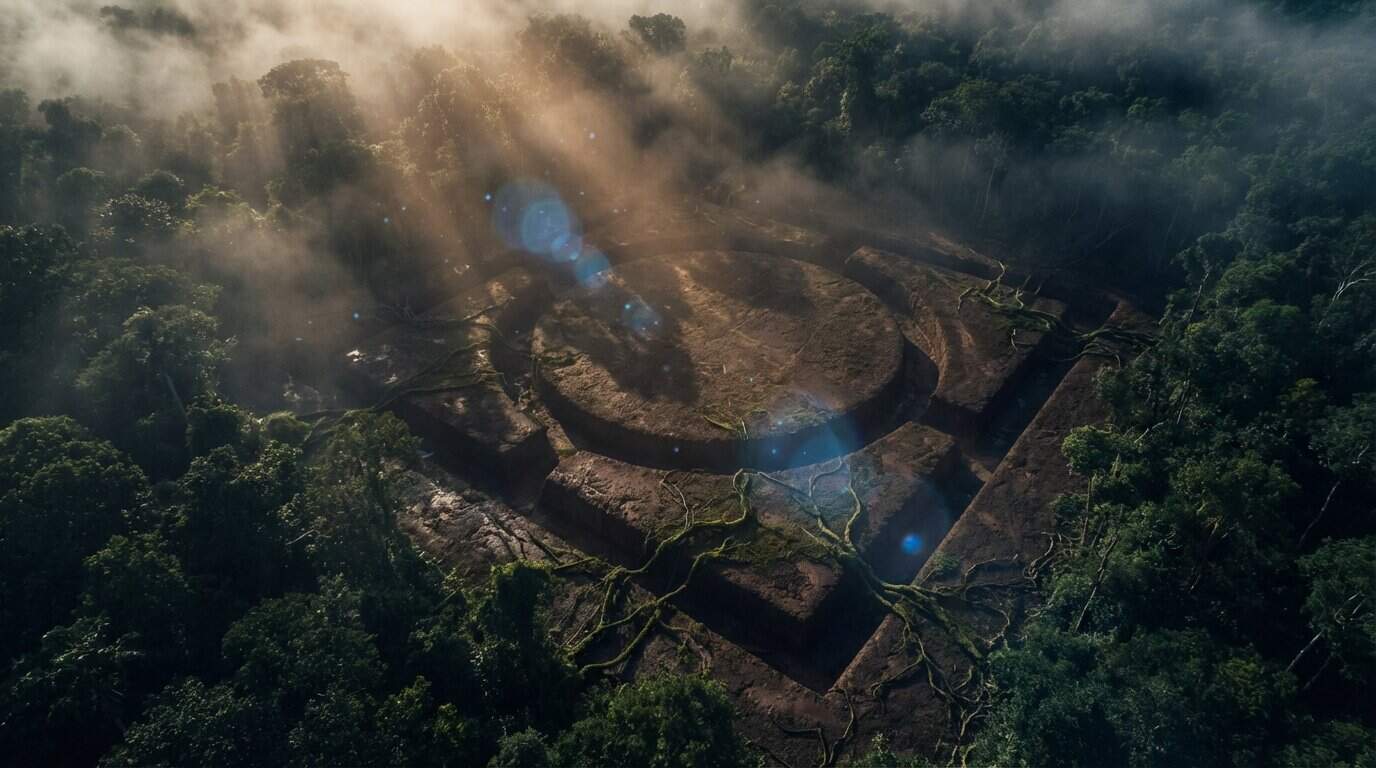
The discovery of massive geometric geoglyphs in the Amazon rainforest has overturned the old idea that this region was once a pristine wilderness untouched by human hands. As researchers clear away the dense canopy, they find giant trenches shaped like circles, squares, and hexagons carved directly into the earth. These structures, some measuring hundreds of feet across, suggest that ancient people possessed a deep understanding of geometry and large scale engineering. Evidence found by archaeologists like Denise Schaan and Martti Pärssinen indicates that these earthworks were created long before European arrival. The scale of these projects shows that a highly organized society once lived here, working together to reshape the very floor of the jungle.
These impressive earthworks were not just random holes in the ground but served as the foundation for a sophisticated way of life. By moving tons of soil without the help of modern machinery, these ancient builders created a landscape that could support large populations and complex social rituals. Some experts believe these sites were used for spiritual gatherings, while others suggest they may have been part of defensive systems or advanced water management. The precision of the angles and the depth of the ditches prove that these people were master architects of their environment. This discovery forces a rethink of the history of South America, moving away from the image of small wandering tribes toward the reality of a grand, settled civilization.
The origins of these artifacts and structures in Rondônia point to a legacy of innovation that lasted for centuries. Recent studies published in journals like Antiquity highlight how these communities managed the forest through sustainable farming and intentional design. Much like the massive ancient geoglyphs found in other parts of the continent, these geometric patterns remain visible from the air today, serving as a permanent map of a culture that thrived in harmony with the tropical ecosystem. It is fascinating to imagine what life was like within these massive earthen walls during their peak. What do you think was the primary purpose of these giant shapes, and could there be even larger structures still hidden beneath the thick Amazon green?
Ceramic Innovations And The Cradle Of Pottery
The discovery of ancient pottery in Rondônia has changed how researchers view the Amazon’s earliest inhabitants. While many once believed the jungle was too harsh for large societies, the artifacts found at sites like the Guajará-Mirim region suggest a different story. These ceramic pieces date back thousands of years, making them some of the oldest examples of pottery ever found in the Americas. This suggests that the people living here were not just wandering hunters, but were innovators who mastered the use of clay to store food and water. This shift toward creating durable vessels allowed these early groups to settle down and form the foundations of a complex civilization long before Europeans arrived.
As these early communities became more permanent, they began to reshape the landscape in ways that are still visible from the sky today. The development of pottery coincided with the construction of massive earthworks and geometric geoglyphs that stretch across the rainforest floor. These structures show that the people of Rondônia had a deep understanding of engineering and social organization. According to research published by institutions like the University of Exeter and various archaeological journals, these sites were likely ceremonial or social hubs. The scale of these earthworks challenges old ideas about the jungle, suggesting it was once a bustling center of human activity and architectural wonder.
The craftsmanship found in these Rondônia artifacts reveals a culture that valued both function and beauty. Each piece of pottery tells a story of a society that was learning to manipulate its environment through agricultural experiments and sustainable land management. By studying the chemical makeup of these ceramics, scientists have found links between these early settlers and the rich, fertile dark earth soil that allowed farming to flourish in the tropics. Much like ancient artistry found elsewhere in Central America, these relics demonstrate a profound connection between utility and symbolic expression. It is fascinating to imagine a hidden world of ancient cities and grand monuments tucked away beneath the canopy of the forest. What other secrets do you think are still buried beneath the roots of the Amazon, waiting to tell us more about our shared human history?
Unearthing the Secrets of an Ancient Amazonian Empire
The artifacts of Rondônia serve as a bridge to a forgotten past, inviting a new perspective on everything once assumed about the ancient Amazon. These massive earthworks and geometric geoglyphs suggest that the jungle was once home to a thriving, organized society rather than an untouched wilderness. By examining the sophisticated stone tools and pottery left behind, researchers are uncovering a story of human ingenuity that dates back over 11,000 years. This evidence challenges the traditional view of early South Americans as simple hunter-gatherers, revealing instead a culture of skilled engineers and farmers.
These ancient people did more than just survive in the wild, as they actively reshaped the landscape to suit their needs. The presence of dark, fertile soil and complex geometric mounds shows a deep understanding of the environment and a commitment to long-term settlement. Much like the discoveries at Göbekli Tepe, it is fascinating to imagine how these communities coordinated such massive construction projects without modern machinery or tools. Each new discovery in the region adds a piece to the puzzle of a civilization that flourished long before European contact.
As we look at these incredible structures, it is hard not to wonder what other secrets remain hidden beneath the thick canopy of the rainforest. The precision of the geoglyphs and the scale of the earthworks point to a level of social complexity that is still being fully understood by modern science. Much like ancient technology found in other parts of the world, these Amazonian feats suggest a mastery of the physical world that defies simple explanation. How do you think these ancient engineers managed to build such lasting monuments in one of the most challenging environments on Earth? We invite you to share your thoughts and theories on the origins of these remarkable builders and what their legacy means for our history today.
Frequently Asked Questions
1. What is the true origin of the Rondônia artifacts?
The origin of these artifacts traces back over 12,000 years to the end of the last Ice Age. These stone tools and relics were created by sophisticated early societies that thrived deep within the Brazilian Amazon long before the rise of the great Andean empires.
2. How old are the stone tools found in the Rondônia region?
Archaeological evidence shows that many of these stone flakes and bifacial tools are at least 11,000 years old. These findings, supported by research from Cambridge University Press, prove that humans were actively settling and innovating in the jungle during the transition from the Pleistocene to the Holocene era.
3. Did these ancient people live as simple nomadic tribes?
Evidence suggests these inhabitants were far more than simple wanderers. They were skilled innovators who utilized advanced agricultural techniques and complex lithic industries to manage the land and build a bustling cradle of civilization.
4. How do these discoveries change our view of Amazonian history?
These artifacts challenge the long held belief that the Amazon was a pristine wilderness untouched by human hands. They reveal that the region served as a vital corridor for human migration and a center for early human life and technological development.
5. What kind of craftsmanship is seen in the Rondônia lithic industries?
The early toolkits found at various sites show a high level of sophistication and craftsmanship. These tools allowed pioneers to adapt to a rapidly evolving environment and laid the groundwork for the complex societies that would eventually reshape the entire jungle.
6. Are there links between these artifacts and later South American empires?
While these societies flourished long before the famous Andean empires, they established the foundational social and agricultural structures of the region. The artifacts represent a lost world that is only now beginning to be understood through modern archaeological discovery.