Shadows In The Mountains: The Eerie Legends Of The Gadianton Robbers
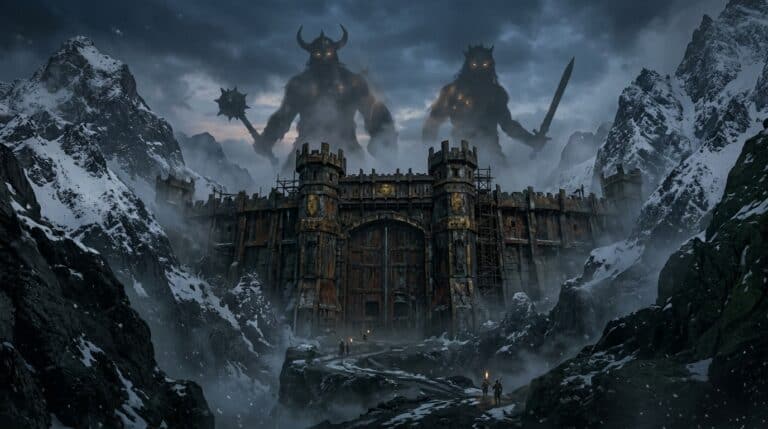
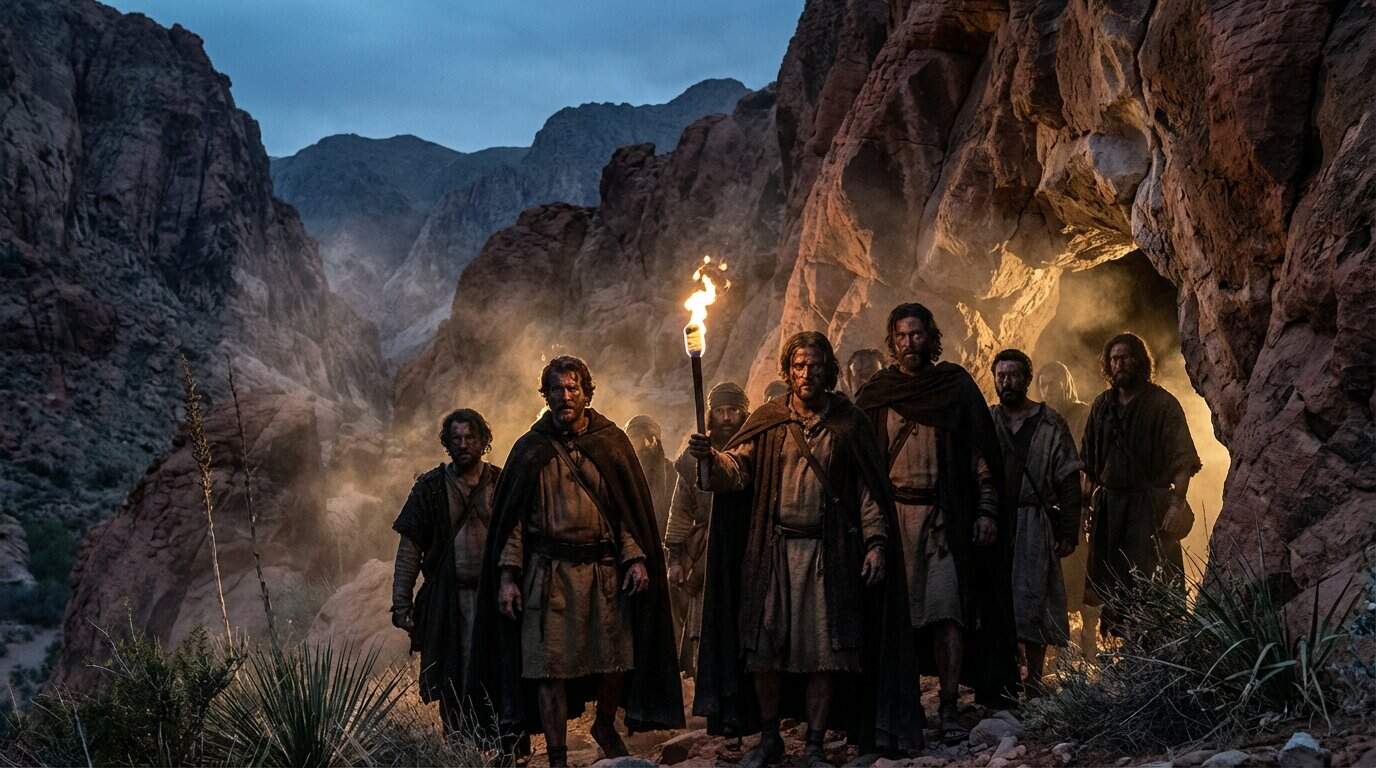
In the shadows of ancient history, a band of outlaws known as the Gadianton robbers began to take shape, bound by blood oaths and a hunger for absolute power. These were not typical street thieves; they were a highly organized shadow government that operated from hidden mountain strongholds and secret chambers. To the civilizations of the time, they represented more than just a crime wave, they were a persistent threat that could topple kingdoms from within.
While their story began in the pages of sacred text, the mystery of their influence has sparked centuries of debate among historians and legal scholars. Some see them as a cautionary tale of political corruption, while others wonder if these sophisticated secret combinations actually existed as a precursor to modern organized crime. Exploring their origins reveals a world where the line between a common criminal and a revolutionary soldier becomes dangerously blurred.
Key Takeaways
- The Gadianton robbers operated as a sophisticated shadow government and criminal syndicate rather than common thieves, using ritualistic oaths to infiltrate high-level political offices and judicial seats.
- Utilizing advanced guerrilla warfare and surgical hit-and-run tactics, these insurgents maintained absolute control from inaccessible mountain strongholds that functioned as a nomadic state.
- Historical and indigenous lore suggests the group transcended traditional criminality, possessing a near-supernatural ability to remain invisible through secret signs, hidden trails, and deep-seated psychological warfare.
- The legacy of these ancient secret combinations serves as a foundational blueprint for modern organized crime, illustrating how cyclical patterns of corruption can destabilize even the most powerful civilizations.
Ancient Roots And Secret Oaths Of Gadianton
The legend of the Gadianton robbers traces back to a sophisticated criminal syndicate that emerged in the ancient Americas around 50 BC. Founded by a man named Gadianton, this group was far more than a simple gang of highwaymen or petty thieves. They operated as a highly organized secret society, bound together by ritualistic oaths that were said to be passed down from ancient times to protect their members from the reach of the law. According to historical accounts found in the Book of Mormon, these individuals sought to gain political power and wealth through a strategic combination of murder and plunder. Their presence created a shadow government that often rivaled the official leadership of the land, blending the lines between organized crime and open insurgency.
What truly sets these figures apart in the realm of folklore is the supernatural aura that surrounds their secret works of darkness. Many researchers point out that the group relied on specific signs and words to recognize one another, creating a hidden network that spanned across vast territories. These were not mere civil offenders but were viewed as military threats who lived in the rugged wilderness and mountain strongholds. Scholars have noted that ancient legal distinctions classified them as robbers, a term reserved for organized outsiders who lived outside the protection of the law. This distinction suggests a group that functioned like a nomadic state, using terror and secrecy as their primary tools for control.
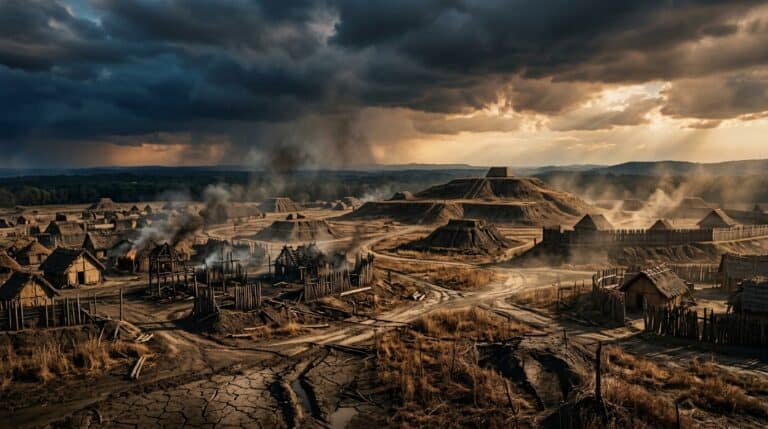
The enduring mystery of the Gadianton robbers lies in the possibility that their influence extended far beyond the pages of religious texts and into the actual physical world. Some fringe archaeological theories suggest that certain unexplained fortifications and hidden mountain retreats may have served as the bases for these elusive highwaymen. Their legacy is one of a secret combination that could infiltrate any level of society, from the lowest ranks to the highest judgment seats. This blend of historical documentation and indigenous lore paints a chilling picture of an ancient syndicate that mastered the art of invisibility. Do you believe such a sophisticated secret society could exist today without the public ever knowing, or are these simply cautionary tales from a distant past?
Guerilla Warfare From Secret Mountain Strongholds
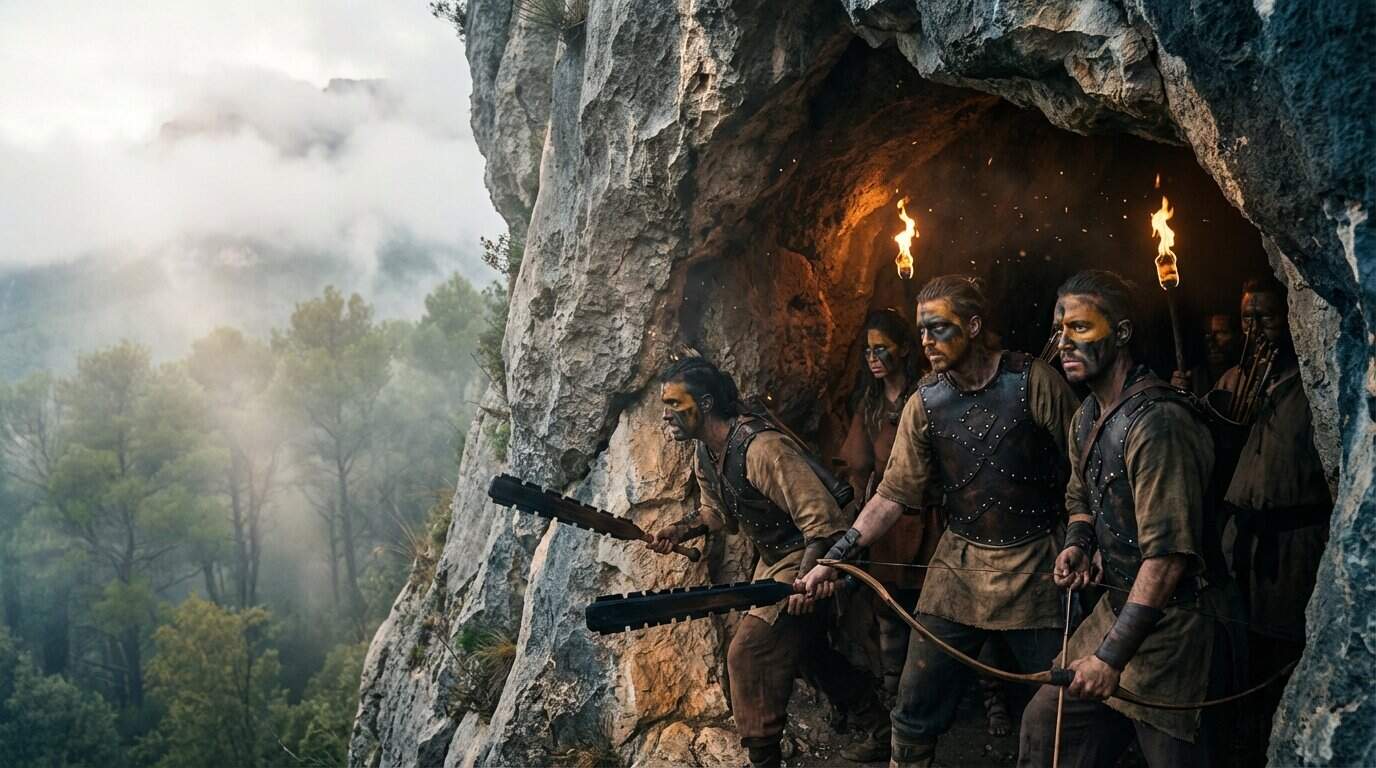
The legends of the Gadianton robbers often describe them as ghosts of the high country, appearing and vanishing into the jagged mountain peaks of the ancient Americas. These insurgents did not rely on traditional armies but instead utilized a sophisticated system of guerrilla warfare and hit and run tactics that left their enemies in a constant state of fear. According to accounts found in the Book of Mormon, they established secret strongholds in the most inaccessible parts of the wilderness where they could watch the valley floors below. This vantage point allowed them to strike passing caravans or isolated settlements with surgical precision before retreating into the shadows of the cliffs. Their ability to remain invisible while living in such harsh environments has led some fringe researchers to suggest they possessed a near supernatural knowledge of the terrain.
Life in these mountain hideouts required more than just physical strength, as it demanded a complex level of organization and loyalty. Indigenous lore and historical studies suggest that these groups operated more like modern guerrilla fighters than simple highwaymen. They used the natural caves and narrow canyons as defensive fortifications that were nearly impossible for larger, slower government forces to infiltrate. Because they were bound by secret oaths, their movements remained a mystery to the public, creating a reputation for them as an omnipresent threat that could be anywhere at any time. This blend of tactical brilliance and psychological warfare allowed them to destabilize entire civilizations from the safety of their rocky perches.
The enduring mystery of how these groups sustained themselves in the high country continues to spark curiosity among history enthusiasts today. Some theories suggest they utilized hidden caches of supplies and secret mountain trails that have long since been erased by time and erosion. Others wonder if their reputation for being invisible was bolstered by local legends of ancient camouflage techniques or even spiritual protection. While mainstream archaeology seeks physical evidence of these camps, the folklore paints a picture of a shadow society that lived on the fringes of the known world. Do you think these ancient insurgents were simply master tacticians, or is there a deeper, more mysterious reason they were never truly caught?
Supernatural Folklore And Indigenous Connections
Legends surrounding the Gadianton robbers often transcend the pages of religious texts, bleeding into the rugged landscapes of the American Southwest where ancient ruins whisper of a darker past. Local folklore in regions like the Four Corners suggests that these ancient highwaymen were more than just organized criminals, as many stories attribute their sudden disappearances to supernatural protection or dark rituals. Some fringe researchers and indigenous storytellers point to specific archaeological sites, such as abandoned cliff dwellings, as potential strongholds where these secret societies practiced their hidden traditions. These accounts often describe the robbers not as mere men, but as shadows that could move through solid rock or vanish into the desert heat. By blending historical descriptions of organized insurgency with local ghost stories, a narrative emerges of a group that was as elusive as it was dangerous.
The connection between these ancient outlaws and indigenous lore often centers on the idea of cursed ground and the lingering energy of secret oaths. Some interpretations of oral histories from tribes in the Great Basin and Colorado Plateau mention groups of malevolent figures who shared the same predatory characteristics as the Gadianton bands. These figures were said to use supernatural means to terrorize travelers and maintain control over vast territories without ever being caught by conventional forces. Modern explorers often report strange occurrences near suspected hideouts, including unexplained lights and the feeling of being watched by unseen eyes. While mainstream archaeology focuses on the material remains of these civilizations, the persistent legends of these supernatural robbers suggest a history that is far more complex and mysterious than we currently understand.
Do you believe the stories of the Gadianton robbers are based on physical historical groups, or could they represent a more spiritual or supernatural warning passed down through the ages?
Modern Echoes Of The Gadianton Legacy
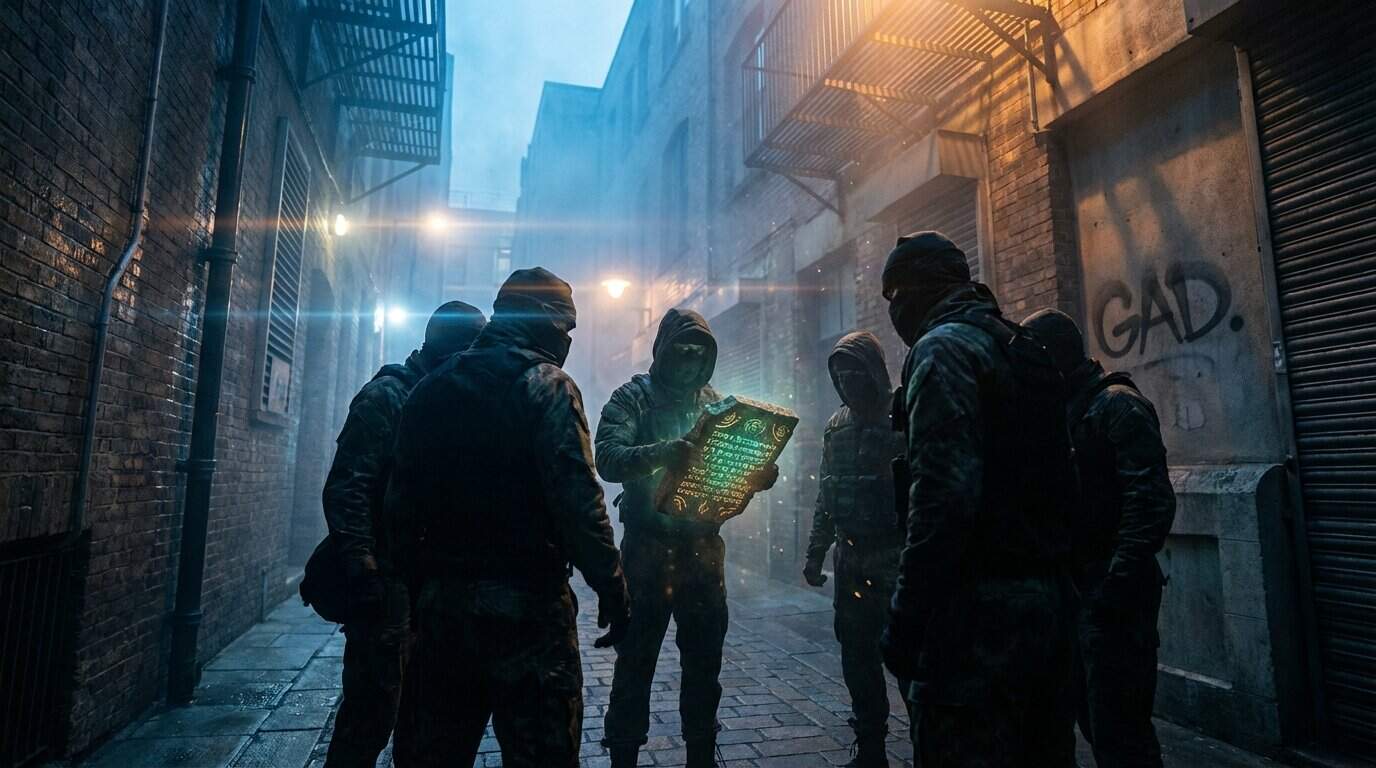
In the modern imagination, the Gadianton robbers have transitioned from ancient scriptural antagonists into a chilling archetype for the shadowy organizations that haunt our current headlines. Folklorists and fringe historians often point to the specific legal language used to describe these groups, noting that they were seen as organized military insurgents rather than simple street thieves. This distinction suggests a sophisticated network of hidden mountain strongholds and supernatural pacts that allowed them to vanish into the rugged American landscape. Today, these stories serve as a cautionary bridge between ancient history and contemporary fears of deep-seated corruption within powerful institutions. By blending historical documentation with indigenous lore about hidden highwaymen, the legacy of Gadianton remains a potent symbol of how secret societies can supposedly manipulate society from the fringes.
The enduring mystery of these ancient outlaws is often linked to archaeological anomalies found throughout the Americas, where hidden cave systems and strategic vantage points hint at a highly organized resistance. Researchers have explored how these groups functioned as a state within a state, utilizing secret oaths to ensure the absolute loyalty of their members. This narrative structure mirrors many modern conspiracy theories, suggesting that the patterns of power and plunder are cyclical rather than isolated to the past. Some enthusiasts even look for physical evidence of these works of darkness in the remote canyons of the Southwest, where petroglyphs and oral traditions speak of shadow people who lived by different laws. These echoes suggest that the Gadianton influence may not have been entirely erased by time, but instead evolved into a blueprint for hidden influence.
As we look at the intersection of myth and reality, the Gadianton legacy invites us to question how much of our history remains hidden behind closed doors and whispered promises. The idea that a group could maintain such total secrecy while exerting immense control over a nation continues to fascinate those who study the darker corners of human behavior. Whether viewed as a literal historical group or a symbolic warning about the nature of corruption, their story persists because it taps into a universal curiosity about what happens in the shadows. We are left to wonder if the ancient mountain passes still hold the secrets of those who once swore to live outside the light of the law. Do you believe these legends are based on a physical group of ancient American insurgents, or are they a timeless warning about the nature of human corruption?
Shadowy Legacies and Mountain Myths
Ultimately, the line between historical reality and ancient legend remains thin when discussing the Gadianton robbers. While the written records describe them as a highly organized political and military threat, the oral traditions of the Americas often hint at something even more mysterious. These accounts suggest a group of highwaymen who possessed knowledge of hidden mountain passes and used secret signs to evade capture for centuries. Whether they were a literal insurgent group or a symbolic representation of societal decay, their shadow lingers over the ancient American history.
Modern researchers continue to explore the connection between these accounts and the archaeological remains of fortified mountain outposts. Some theorists believe that the sophisticated tactics used by these groups mirror the guerrilla warfare seen in various indigenous cultures across the continent. By blending historical documentation with fringe theories about supernatural protection and hidden oaths, we find a narrative that refuses to be ignored. These stories remind us that the past is often filled with organized shadows that operated just outside the reach of the law, much like the Knights Templar who transitioned from public power to legendary secrecy.
As we look back at these ancient tales of mystery and subversion, it is clear that the legacy of the Gadianton robbers still sparks the imagination today. Their story serves as a cautionary tale about the power of secret organizations and the fragility of even the strongest civilizations. We invite you to weigh the evidence for yourself and consider how these legends might reflect real events from a forgotten era. Do you believe these robbers were a literal historical force, or are they a folkloric warning passed down through the ages?
Frequently Asked Questions
1. Who were the Gadianton robbers?
The Gadianton robbers were a highly organized criminal syndicate and secret society that emerged in the ancient Americas around 50 BC. They operated as a shadow government, using secret oaths and mountain strongholds to gain political power and wealth through strategic plunder.
2. What made this group different from typical outlaws?
Unlike common thieves, this group functioned as a sophisticated secret combination with a structure that mirrored a revolutionary army. They used ritualistic oaths passed down through generations to protect their members from legal consequences while infiltrating the highest levels of government.
3. Where can the primary historical accounts of these robbers be found?
The most detailed historical records of Gadianton and his followers are found within the pages of the Book of Mormon. These accounts describe their rise from a small band of conspirators to a massive insurgency that eventually threatened the survival of entire civilizations.
4. Did the Gadianton robbers have a specific leader?
The group was founded by a man named Gadianton, who was an expert in the craft of silver-tongued flattery and administrative manipulation. Under his leadership, the organization perfected the art of using murder and secrecy to seize control of the judicial system.
5. Are there modern parallels to these ancient secret societies?
Many historians and legal scholars view the Gadianton robbers as an ancient precursor to modern organized crime syndicates or political corruption rings. Their methods of operating from hidden chambers and using blood oaths to ensure loyalty are strikingly similar to the tactics used by sophisticated groups today.
6. What is the significance of the secret oaths mentioned in the legends?
The secret oaths were the backbone of the organization, designed to keep members’ identities hidden and protect them from the law. These rituals created a supernatural aura of darkness around their work, making the group feel like an untouchable threat to the public.