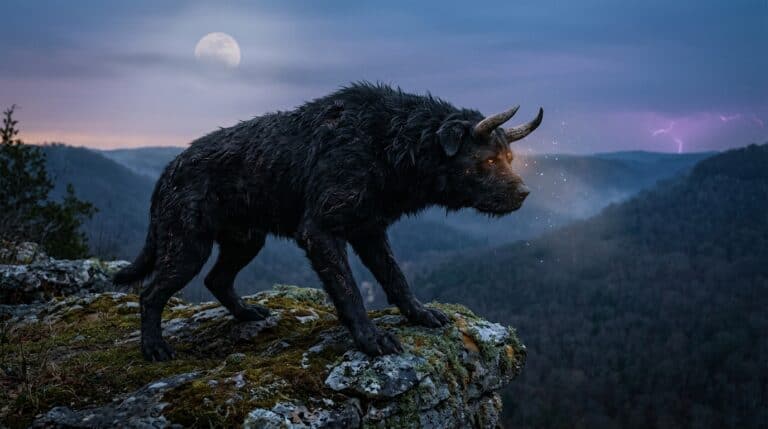
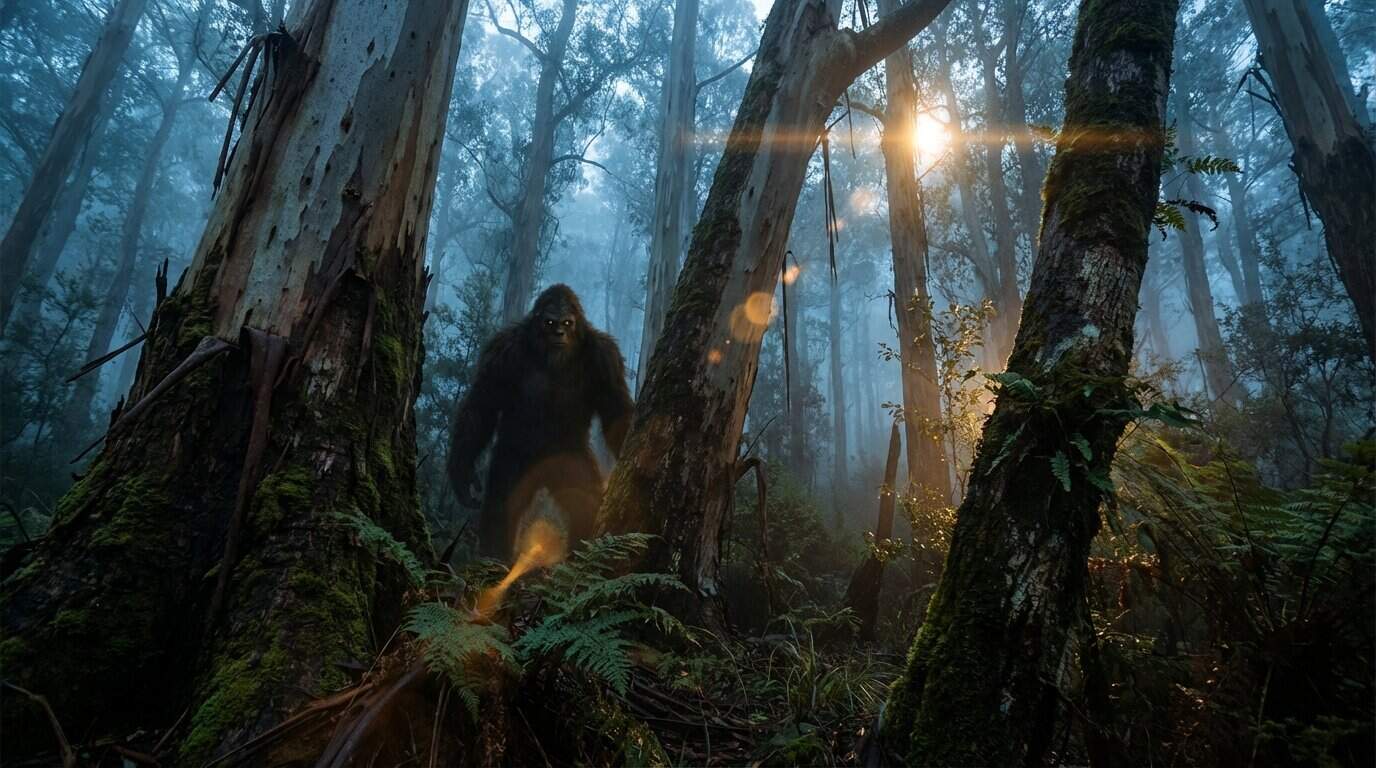
Shadows In The Outback: Exploring The Mystery Of Yowie Encounters Australia
Deep within the rugged expanse of the Great Dividing Range, a centuries-old mystery lurks in the shadows of the eucalyptus trees. While many travelers come for the scenery, a growing number of people share chilling stories of yowie encounters australia has hosted since the first European settlers arrived. These witnesses describe massive, hair-covered figures that vanish into the scrub, leaving behind nothing but heavy footprints and a lingering sense of awe.
Whether it is a towering six-foot giant or the smaller, more elusive forest dwellers of Indigenous legend, the phenomenon refuses to be ignored. These stories bridge the gap between ancient oral histories and modern-day sightings, suggesting that something unknown may still roam the wilderness. Exploring these accounts offers a fascinating look at a creature that challenges our understanding of the natural world while remaining deeply rooted in the spirit of the Australian bush.
Key Takeaways
- The Yowie is a deeply rooted figure in Australian history, bridging the gap between thousands of years of Indigenous oral traditions and documented colonial sightings dating back to the late 1700s.
- Witness reports identify two distinct types of hominids: the towering, territorial six-to-ten-foot giants and the smaller, more social four-foot beings known as Junjudee.
- Physical evidence such as massive bipedal footprints with unique anatomical features and complex vocalizations suggest the existence of an intelligent, unidentified primate adapted to the Australian wilderness.
- The Great Dividing Range and the Blue Mountains serve as primary hotspots where the vast, untamed geography provides sufficient cover for these elusive creatures to remain hidden from mainstream science.
Ancient Origins And Indigenous Oral Histories
Long before European sails appeared on the horizon, the First Nations people of Australia shared stories of elusive, hairy humanoids that inhabited the rugged wilderness. These Indigenous oral histories describe various types of beings, such as the Junjudee, which are often portrayed as smaller, mischievous spirits that stand around four feet tall. Historical records indicate these creatures were not merely myths but were treated as physical realities that lived alongside Indigenous communities. Elders passed down warnings about where these beings resided, ensuring that younger generations respected the boundaries of the natural world. This cultural foundation suggests that the Yowie is not a modern invention but a deeply rooted figure in the Australian consciousness.
While the Junjudee were known for their smaller stature, other legends speak of the more formidable and territorial Puttikan. These larger entities were said to be incredibly powerful, often guarding specific sacred sites or dense forest regions with fierce determination. Indigenous accounts frequently describe them as having immense strength and a piercing gaze that could strike fear into those who wandered too far into the bush. Unlike the playful nature sometimes attributed to smaller forest spirits, the Puttikan represented the raw and untamed power of the Australian landscape. These stories served as both a cultural record and a practical guide for surviving the vast, often dangerous interior of the continent.
The persistence of these legends across different tribal groups highlights a consistent pattern of sightings that spans thousands of years. From the coastal forests to the mountainous ranges, the descriptions of these hairy men of the wilderness remain remarkably similar. Researchers who study these phenomena point out that these ancient stories provide a historical framework that predates modern interest by millennia. By looking at these Indigenous oral histories, we gain a global perspective on the wild man phenomenon that connects Australia to similar mysteries found in North America and Asia. This rich cultural heritage invites us to wonder if there is a tangible biological truth behind the legends that have echoed through the Dreamtime.
From Colonial Sightings To Modern Reports
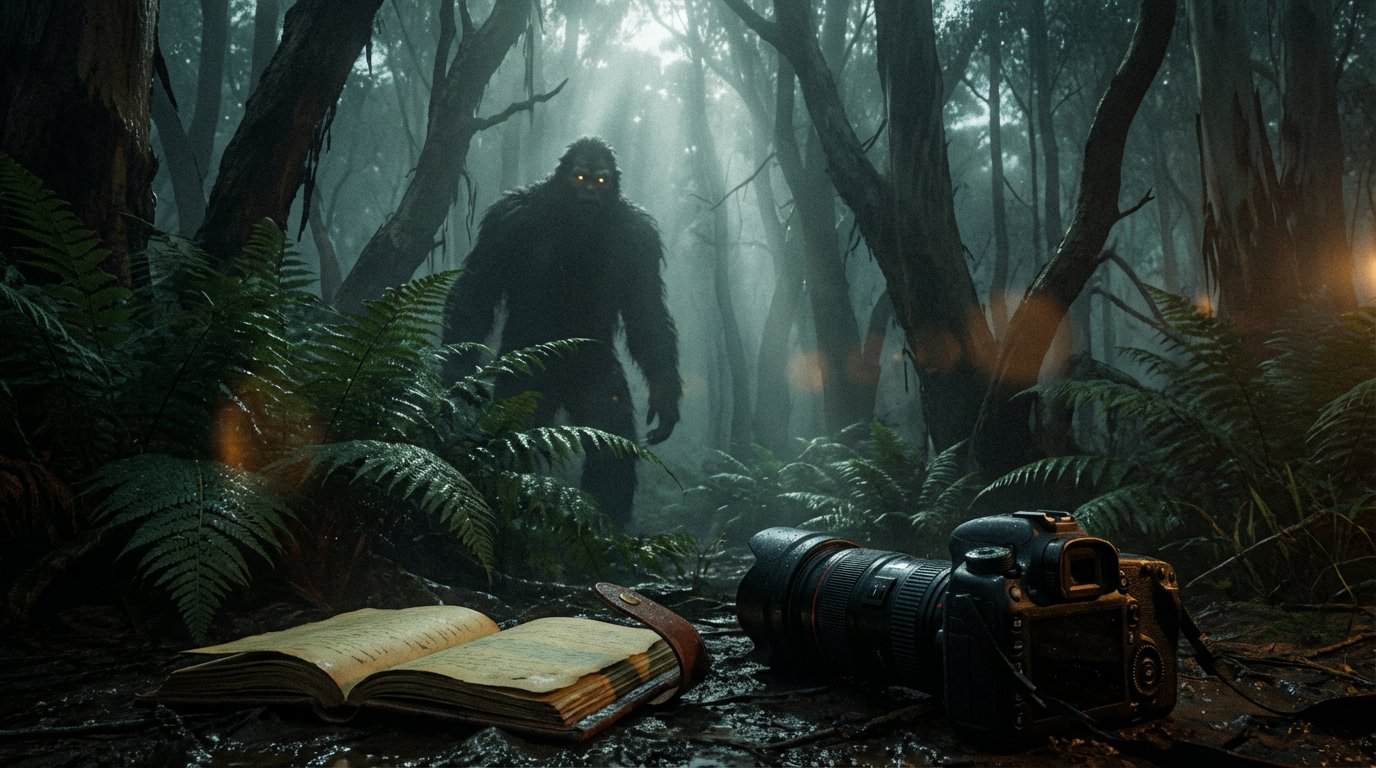
European settlers first began documenting their encounters with the hairy man of the woods as early as the late 1700s. While Indigenous Australians had already shared stories of these creatures for thousands of years, the newcomers were shocked to find a massive, ape-like figure roaming the rugged bushland. One of the earliest written accounts appeared in a Sydney newspaper in the 1800s, describing a terrifying encounter with a creature that looked like a cross between a man and a great ape. These early pioneers often felt like they were being watched from the dense eucalyptus forests, marking the beginning of a long history of documented sightings across the continent.
The 20th century brought even more detailed reports as Australians pushed further into the wilderness for recreation and work. In the 1970s, the Blue Mountains became a famous hotspot for activity, with hikers and locals reporting a towering, foul-smelling beast lurking near the cliffs. One of the most famous accounts involved a former local official who claimed to have seen the creature near Springwood. This specific era helped transition the Yowie from a campfire legend into a legitimate subject of interest for researchers and curious explorers alike.
Today, these historical accounts provide a fascinating timeline that mirrors the experiences of those who track similar creatures in North America. Modern researchers often look back at these colonial and mid-century reports to find patterns in where the creatures might be living today. From the remote corners of Queensland to the haunted peaks of the north, the consistency of these descriptions over hundreds of years is hard to ignore. Whether one is a skeptic or a believer, the sheer volume of historical documentation suggests that something unusual has been roaming the Australian wilderness since the very beginning.
Physical Characteristics Of Australia’s Great Hominid
While the Yowie shares many traits with the North American Bigfoot, witness reports from the Australian bush suggest a creature with its own unique physical identity. The most common sightings describe a massive hominid reaching heights between six and ten feet tall, possessing a barrel chest and shoulders so broad they seem to swallow the neck entirely. These giants are famously covered in thick, shaggy hair that often displays a distinct reddish or deep mahogany hue, setting them apart from the darker coats of their global cousins. Observers frequently note their exceptionally long arms, which can reach well below the knees, and a heavy, protruding brow that gives them an intimidating presence. This large variety is often viewed as a solitary wanderer of the deep wilderness, moving with a silent grace that belies its enormous weight.
In contrast to these towering giants, Australian folklore and modern sightings also describe two distinct types of the species known as the Junjudee. These smaller hominids typically stand between three and four feet tall, yet they are said to possess the same muscular build and reddish fur as their larger counterparts. Despite their shorter stature, these creatures are often reported to be more social, living in small family groups rather than roaming alone. They are incredibly agile and are known for their ability to vanish into the dense scrub in an instant. This diversity in size suggests a complex ecosystem where different types of the same mysterious primate have adapted to various Australian environments.
Regardless of their size, both varieties of Yowie are frequently described as being intensely territorial and protective of their space. Many encounters involve the creature using aggressive displays to warn humans away, such as deep, chest-vibrating growls or the rhythmic banging of sticks against trees. Some witnesses have even reported being followed through the woods, with the creature throwing large rocks or branches to ensure the intruder leaves its domain. These behaviors, documented by dedicated research groups, suggest a highly intelligent animal with a strong sense of boundaries. While they rarely cause direct harm, their imposing physical strength and clear warnings serve as a powerful reminder that something unknown may still rule the Australian wild.
Evidence And Theories From The Australian Bush
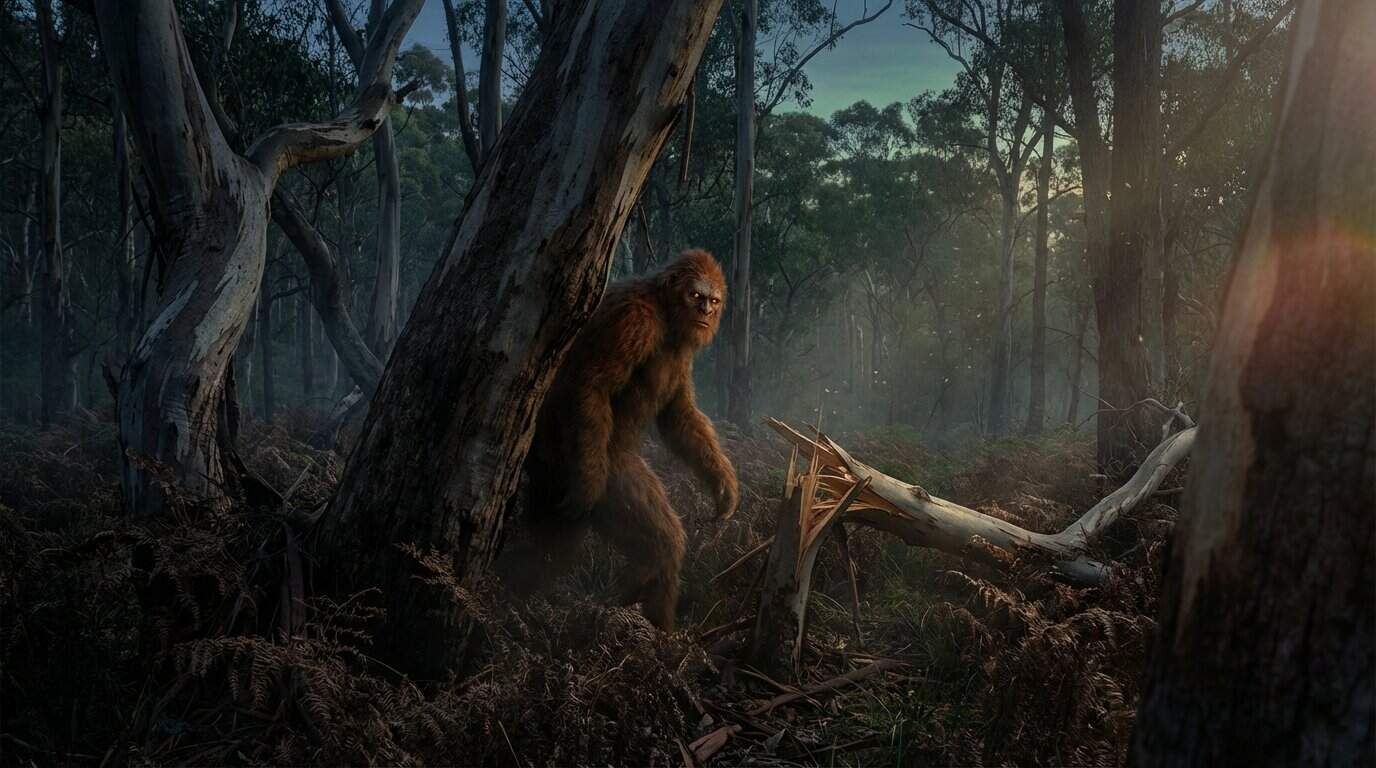
Deep in the rugged wilderness of the Australian bush, researchers and hikers often report physical evidence that challenges conventional zoology. Many witnesses describe hearing blood-curdling vocalizations that range from deep, guttural growls to high-pitched shrieks that echo through the dense eucalyptus canopies. In areas like the Blue Mountains and the Sunshine Coast hinterland, investigators have documented heavy rock-throwing incidents where large stones are hurled from the shadows by an unseen force. These territorial displays are remarkably similar to Florida Skunk Ape encounters, yet they occur in a setting dominated by vastly different plants and animals. These auditory and physical clues suggest a large, intelligent creature is actively monitoring those who venture too far into the scrub.
Beyond the sounds of the night, the soft earth of remote regions occasionally reveals massive, bipedal footprints that defy easy explanation. These tracks often measure much larger than a human foot and show a distinct lack of footwear, appearing in areas far from known hiking trails. According to independent researchers, these prints sometimes feature anatomical details like mid-tarsal breaks, which are not found in human anatomy but are consistent with a heavy, ground-dwelling primate. While skeptics might point to known animals like large kangaroos or wombats, the stride length and depth of these impressions suggest a creature of immense weight and upright stature. This physical data provides a fascinating bridge between ancient Indigenous oral traditions and modern-day sightings.
Theories regarding the origin of the Yowie often suggest that these creatures could be a relict species of hominid that migrated to the continent long ago. Some researchers propose that they are a localized branch of an ancient ancestor that found refuge in the vast, uninhabited stretches of the Great Dividing Range. The sheer size of the Australian wilderness provides plenty of cover for a small, elusive population to thrive without constant human contact. While mainstream science awaits a specimen, the consistent nature of these encounters keeps the mystery alive for those who have seen the shadows move. Have you ever heard a sound in the bush that you simply could not explain, or do you believe these tracks belong to a known animal?
The Enduring Legacy of Australia’s Wildman
The Yowie remains a powerful symbol of the Australian wilderness, bridging the gap between ancient Indigenous oral histories and modern day sightings. While North America has its Bigfoot and the Himalayas have the Yeti, the Australian equivalent carries a unique cultural weight that has persisted for centuries. From the early reports by European settlers in the 1700s to the high definition trail camera era, the consistency of these descriptions is hard to ignore. Whether it is a relic from a forgotten past or something science has yet to categorize, the creature is firmly embedded in the nation’s identity.
Exploring the dense bushland of the Blue Mountains or the remote forests of Queensland reminds us that much of the continent remains untamed and mysterious. The sheer scale of the Australian outback provides the perfect backdrop for a large, elusive hominid to thrive away from human eyes. While skeptics point to a lack of physical remains, the Bigfoot evidence debate mirrors the sheer volume of eyewitness testimony across generations suggests there is more to the story than just shadows and misidentified animals. This enduring legacy ensures that every rustle in the scrub or heavy footfall in the dark will continue to spark our collective imagination.
What do you believe is truly hiding in the deep gullies and ancient forests of the Australian bush? Have you ever had a strange encounter or heard a story from a local that made you question what we know about the natural world? We invite you to share your own thoughts, theories, or personal experiences in the comments below. By keeping an open mind and sharing these stories, we can continue to piece together the puzzle of Australia’s most famous resident of the fringe.
Frequently Asked Questions
1. What exactly is a Yowie?
The Yowie is a massive, hair-covered humanoid said to inhabit the rugged wilderness of the Australian bush. These creatures are described as towering figures with incredible strength that bridge the gap between ancient Indigenous legends and modern wildlife sightings.
2. How do the Junjudee differ from standard Yowie sightings?
Indigenous oral histories identify the Junjudee as a smaller, more mischievous type of hairy being standing about four feet tall. While the larger Yowies are often seen as territorial giants, the Junjudee are known as elusive forest dwellers that live deep within the scrub.
3. Where are the most common places to experience a Yowie encounter?
Many sightings occur within the dense eucalyptus forests of the Great Dividing Range along Australia’s eastern coast. These remote and rugged areas provide the perfect cover for a large creature to remain hidden from modern civilization.
4. Is there historical evidence of these creatures?
Oral traditions from First Nations people have documented these beings for thousands of years, long before European settlers arrived. Early colonial accounts also describe strange encounters with ape-like figures, suggesting a long and consistent history of yowie encounters australia has hosted across the continent. Much like The Bunyip, these entities are deeply woven into the fabric of the land’s folklore.
5. Are Yowies considered dangerous to humans?
Most accounts describe the Yowie as a shy and elusive creature that prefers to vanish into the shadows when spotted. However, legends of the larger Puttikan suggest they can be quite territorial, so it is always wise to respect the boundaries of the deep wilderness. Beyond the woods, travelers have also spent decades chasing the ghostly glow of other outback phenomena that defy explanation.
6. What should someone do if they find a large, mysterious footprint?
The best approach is to document the find with photos for scale and note the exact location within the bush. These physical traces are vital for researchers who study the intersection of myth and physical reality.