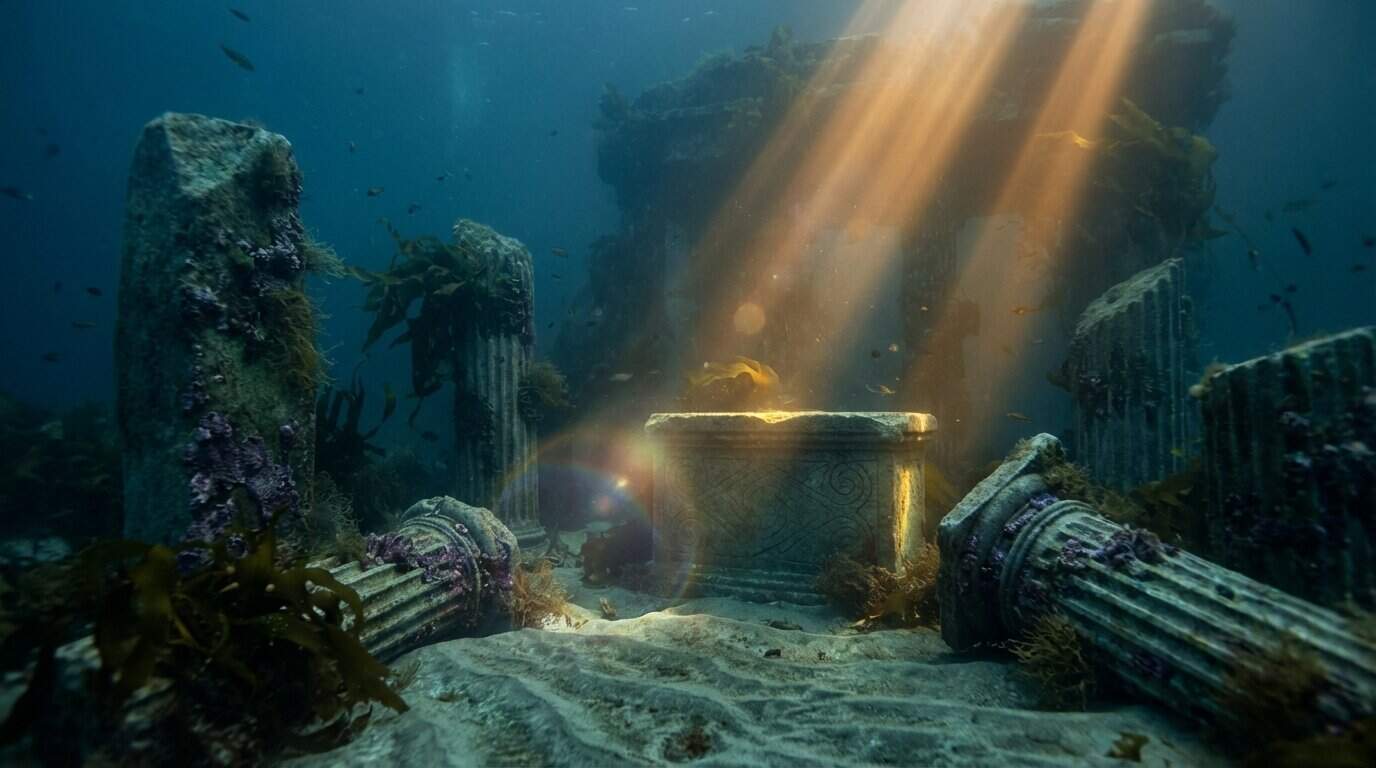
The Lost Secrets Of The Shkorpilovtsi Sunken City
Beneath the gentle waves of the Black Sea, a long-lost world is finally beginning to share its secrets. Recent archaeological discoveries off the coast of Bulgaria have brought the Shkorpilovo sunken city back into the light, revealing a sprawling network of ruins hidden just beneath the surface. For centuries, these stone walls and ancient foundations remained silent, but new investigations suggest this site was once a bustling center of life and trade.
The story of this submerged settlement dates back over 2,500 years to the era of bold Greek explorers and the expansion of Apollonia Pontica. Located near the mouth of the Kamchiya River, the site appears to have been a vital commercial hub that eventually vanished beneath the rising tides. Today, the mystery of how this thriving port was swallowed by the sea continues to captivate those who look past the horizon for glimpses of the ancient world.
Key Takeaways
- The submerged city of Shkorpilovo served as a vital 2,500-year-old commercial gateway, linking Mediterranean Greek trade networks with the resource-rich interior of Thrace.
- Archaeological evidence, including stacked amphorae and sophisticated stone foundations, confirms the site was a wealthy satellite port of Apollonia Pontica that facilitated the exchange of luxury oils and wine for local timber and metals.
- Modern multibeam sonar technology and 2024 underwater expeditions have revealed a complex urban layout and advanced maritime infrastructure that challenge previous assumptions about the scale of ancient Greek influence in the Black Sea.
- The city’s submergence resulted from a combination of gradual sea-level rise and sudden seismic activity, which effectively turned the oxygen-free depths of the Black Sea into a natural vault for preserving ancient artifacts.
Tracing The Greek Roots Of Apollonia Pontica
The story of Apollonia Pontica begins beneath the waves near Shkorpilovtsi, where the remains of a sunken city provide a silent testimony to ancient Greek ambition. Founded by settlers from Miletus around 610 BCE, this submerged site served as a vital colonial outpost on the edge of the known world. These early explorers did not just build a town, but they established a sophisticated gateway that linked the vast Mediterranean trade networks with the rugged interior of Thrace. Today, underwater archaeologists are uncovering stone structures and artifacts that suggest this was once a bustling port of call for weary sailors. The legend of this lost civilization offers a fascinating glimpse into how these pioneers transformed the Black Sea coast into a thriving hub of Greek culture.
Strategic positioning was the key to this city’s success as it acted as a bridge between two very different worlds. By settling near the mouth of the Kamchiya River, the Greeks were able to exchange wine, olive oil, and fine pottery for local Thracian resources like timber, grain, and precious metals. This commercial gateway created a unique cultural blend, where Hellenic traditions met the customs of the local tribes in a spirit of mutual benefit. Historians and researchers suggest that the city functioned as a critical engine for economic growth in the region. The submerged ruins still hold secrets about these early interactions, reminding us that the sea was once a highway for ideas and wealth.
As the tides continue to shift, the mystery of why this once great commercial center ended up beneath the surface remains a topic of intense study. Some theories point to rising sea levels or sudden seismic activity that may have reclaimed the coastline, dragging the marble and stone into the dark depths of the Black Sea. While scientific analysis provides us with technical data about the site’s layout, there is an undeniable sense of wonder in imagining the daily lives of the merchants who once walked these now silent streets. Exploring these Greek roots helps us understand the foundation of modern coastal life while leaving room for the unexplained mysteries of the deep. What other secrets do you think are still hidden beneath the sands of the Bulgarian coast?
Sunken Treasures Of The Black Sea Trade
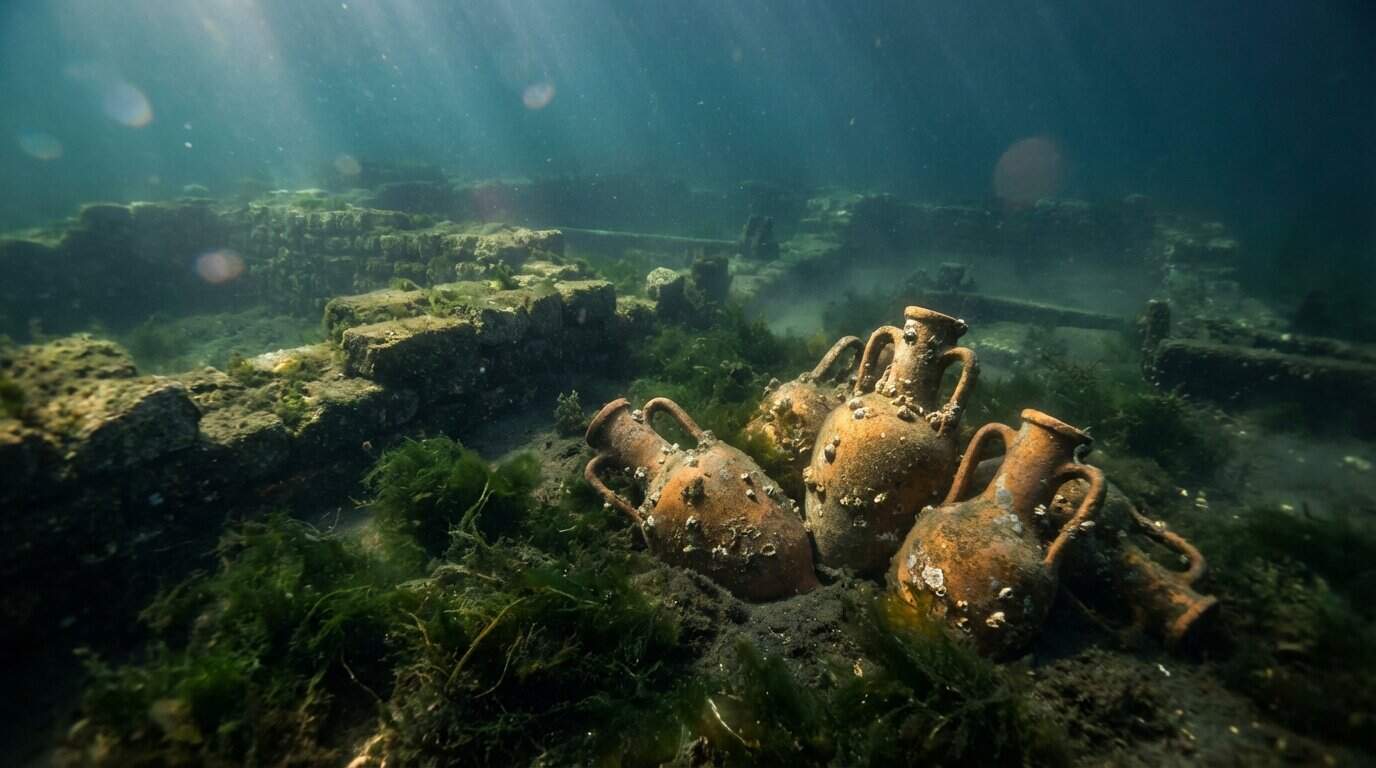
Beneath the gentle waves of the Black Sea, the submerged ruins near Shkorpilovtsi reveal a past where trade was the heartbeat of civilization. Divers and archaeologists have uncovered a wealth of artifacts that tell the story of a bustling commercial hub frozen in time by rising water levels. Among the most common finds are ancient amphorae, the sturdy ceramic jars used to transport liquid gold in the form of olive oil and fine wines. These vessels, often discovered still stacked as they were centuries ago, serve as silent witnesses to the vast network of merchants who navigated these treacherous waters. The presence of these containers suggests that the city was a vital link in the ancient Greek expansion, likely serving as a satellite port for the influential colony of Apollonia Pontica.
This sunken city acted as a sophisticated gateway between the Mediterranean world and the resource-rich lands of the interior. Merchants from distant shores arrived with luxury goods, eager to exchange their oils and wines for the raw materials found in abundance along the Bulgarian coast. Local traders offered high-quality timber for shipbuilding, golden grain from the fertile plains, and copper extracted from nearby mines. This economic synergy transformed the settlement into a wealthy enclave where diverse cultures met and mingled. The sheer volume of pottery and trade goods found on the seafloor hints at a level of prosperity that rivaled the most famous cities of the ancient world.
While science explains the submergence through gradual sea-level rise and seismic activity, the mystery of what remains hidden beneath the silt continues to fuel the imagination. Every new discovery of a bronze tool or a decorative fragment adds a piece to the puzzle of this lost underwater society. These treasures represent more than just physical wealth, as they provide a direct connection to the daily lives of people who thrived on the edge of the known world. As researchers continue to map the site, one cannot help but wonder if the most significant artifacts are still waiting to be found in the deep. What do you think was the most valuable item traded in these ancient markets, and could more lost cities be hiding along the coast?
Mapping Submerged Ruins With Modern Sonar
The 2024 expeditions led by the Centre for Underwater Archaeology have opened a new chapter in our understanding of the Black Sea’s hidden history. Using advanced multibeam sonar technology, researchers are now able to peer through the murky depths to visualize the complex layout of the Shkorpilovtsi ruins. These high-resolution scans act like a digital flashlight, cutting through centuries of sediment to reveal stone foundations and ancient port structures. Instead of relying on blurry shapes, the team can now see the precise geometric patterns of what was once a thriving maritime center. This technological leap allows experts to map the site with incredible accuracy without disturbing the delicate remains resting on the seabed.
Deep-sea divers equipped with modern gear are working alongside these robotic sensors to confirm the sonar findings on the ground. By combining these advanced diving techniques with digital mapping, the team has begun to uncover the skeletal remains of a city that likely served as a sister hub to Apollonia Pontica. The data reveals a bustling commercial center that may have been swallowed by rising sea levels or sudden seismic activity centuries ago. As these submerged streets and docks come into focus, the mystery of why this city vanished begins to feel more like a solvable puzzle. The expedition highlights how much of our ancestral story is still waiting to be discovered just a few hundred yards from the modern shoreline.
The discovery of such a sophisticated layout challenges previous assumptions about the reach of ancient Greek influence along this coastline. Every new map generated by the sonar equipment suggests a level of urban planning that rivals the great cities of the Mediterranean. While some skeptics view these ruins as simple fishing outposts, the sheer scale of the stone work points toward a much more significant lost civilization. These findings invite us to wonder what other secrets the Black Sea is guarding in its silent, oxygen-free depths. Given the incredible preservation found in these waters, could there be even larger cities waiting to be mapped by the next generation of explorers?
Rising Tides And The Mystery Of Submergence
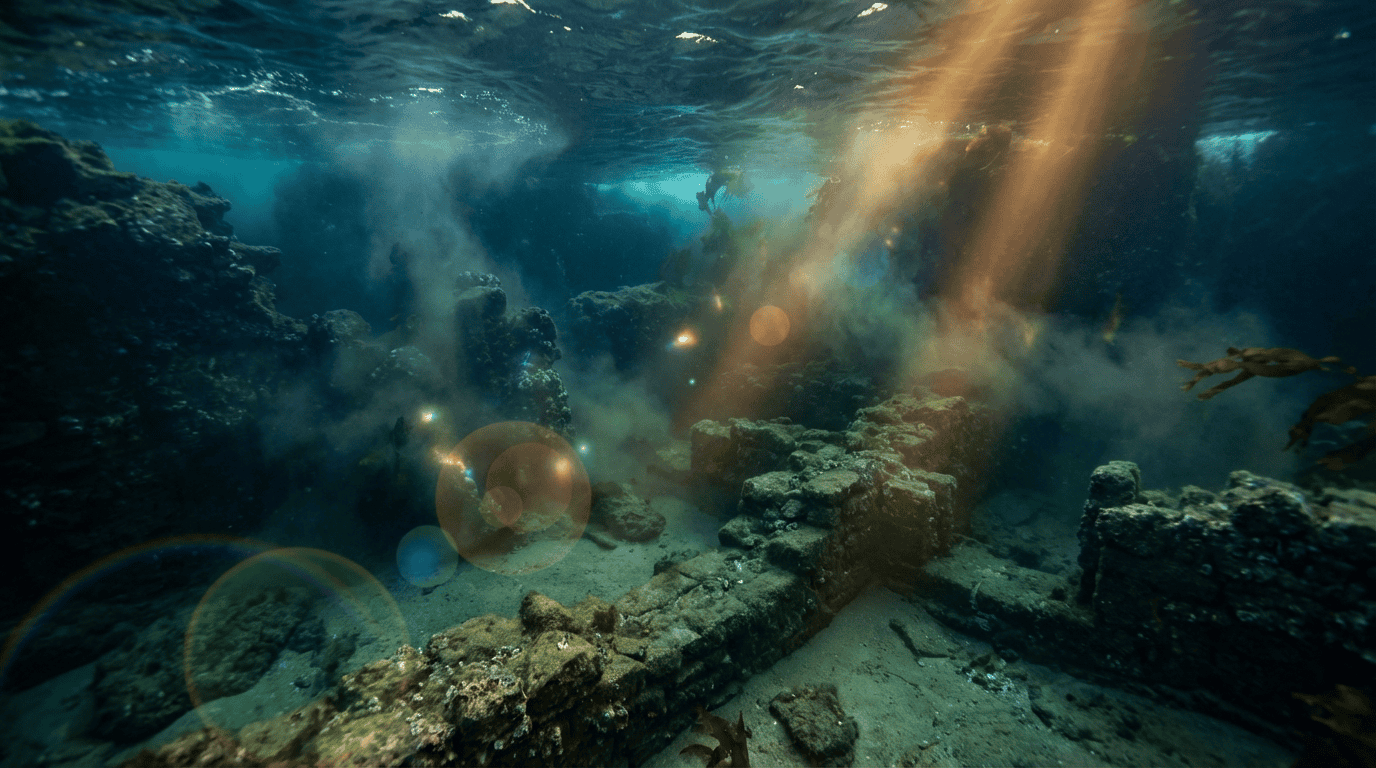
The rhythmic pulse of the Black Sea hides a secret that was once a vibrant center of trade and Greek culture. Centuries ago, the coastline near Shkorpilovtsi looked remarkably different, featuring a bustling port that served as a gateway for ancient mariners. Scientists believe that a combination of tectonic shifts and a steady rising tides eventually overwhelmed the stone walls and wooden docks. This environmental transformation did not happen overnight, but rather through a slow, relentless encroachment of the tide. Today, the foundations of this lost hub rest in a silent, watery grave, preserved by the very waves that claimed them.
Archaeologists exploring the depths have found evidence that suggests this site was a significant commercial satellite of Apollonia Pontica. Historical documentation from researchers at the Bulgarian Academy of Sciences indicates that the region experienced dramatic geological changes that forced residents to abandon their homes. While the scientific data points toward natural subsidence, local legends tell a more haunting story of a civilization swallowed by the sea in a single moment of misfortune. This blend of geological reality and folklore creates an atmosphere of mystery that continues to draw explorers to the Bulgarian coast. The submerged ruins serve as a stark reminder of how fragile human settlements can be when faced with the power of nature.
The discovery of amphorae and architectural fragments on the seabed provides a tangible link to the people who once walked these now sunken streets. These artifacts suggest a high level of sophistication and a deep connection to the wider Mediterranean world through maritime trade. As researchers continue to map the underwater landscape, they uncover more about how the environment shaped the destiny of this forgotten city. Each new find adds a piece to the puzzle of why such a prosperous location was lost to the depths. What do you think lies further out in the unexplored reaches of the Black Sea, waiting to be rediscovered by the modern world?
Uncovering the Ancient Secrets of Shkorpilovtsi’s Submerged Ruins
The rediscovery of the submerged ruins near Shkorpilovtsi provides a rare and fascinating window into the ancient world. These underwater remains serve as a physical bridge between the Greek settlers of Apollonia Pontica and the local Thracian tribes who once traded along these shores. As researchers uncover more of this bustling commercial hub, the history of the Black Sea becomes increasingly complex and vibrant. The site stands as a testament to the enduring legacy of ancient civilizations that thrived long before the rising tides claimed their streets. It is a powerful reminder that our modern coastline hides a much older version of human achievement beneath the waves.
Underwater archaeology continues to challenge what we thought we knew about the geography of the ancient world. The shifting sands and rising sea levels of the Black Sea have acted as a natural vault, preserving shipwrecks and stone foundations for over two thousand years. Every new expedition brings the possibility of finding another lost port or a forgotten temple tucked away in the deep blue. While the Shkorpilovtsi site is a significant breakthrough, it likely represents only a small fraction of the mysteries waiting to be solved. The ocean has a way of holding onto its secrets, but modern technology is finally allowing us to peer into the darkness, much like the ongoing evidence of Atlantis sought by researchers around the globe.
Do you think there are more lost cities waiting to be found along the Black Sea coast, or has the ocean finally given up its greatest secret? The sheer scale of the submerged landscape suggests that many more stories remain untold beneath the surface. Some believe that entire civilizations are still hidden in the deep, undisturbed by time or human hands, much like the Nan Madol mystery on the other side of the globe. Others argue that we have already found the most important hubs of the ancient Greek expansion, though some discoveries hint at ancient technology that we are only beginning to comprehend. Whatever the case may be, the search for these watery ghosts continues to capture the imagination of explorers and history buffs alike.
Frequently Asked Questions
1. What exactly is the Shkorpilovo sunken city?
The Shkorpilovo sunken city is an ancient archaeological site located beneath the waves of the Black Sea near the mouth of the Kamchiya River. It consists of sprawling stone ruins and foundations that once served as a bustling Greek commercial hub over 2,500 years ago.
2. Who founded this ancient submerged settlement?
Settlers from the city of Miletus established this colony around 610 BCE as part of the expansion of Apollonia Pontica. These bold explorers built the site as a strategic gateway to link Mediterranean trade routes with the local tribes of Thrace.
3. Why was the city’s location near the Kamchiya River so important?
The mouth of the Kamchiya River provided a perfect natural harbor for weary sailors and merchant ships. This positioning allowed the Greeks to easily exchange valuable goods like wine and olive oil for resources found deep within the rugged interior of the region.
4. How did this thriving port end up underwater?
The city eventually vanished beneath the surface due to rising tides and shifting geological conditions over many centuries. While the exact timeline of its descent remains a mystery, the Black Sea slowly reclaimed the stone structures that now sit silently on the seabed.
5. What kind of artifacts have archaeologists discovered at the site?
Underwater investigations have revealed ancient stone walls, foundations, and various artifacts that point to a sophisticated urban layout. These discoveries offer a fascinating glimpse into how the pioneers transformed the coastline into a thriving center of Greek culture.
6. Is it possible to visit the ruins today?
Access to the ruins is primarily limited to professional archaeological teams and research divers due to the delicate nature of the submerged structures. However, the ongoing discoveries continue to share the secrets of this lost world with the public through historical documentation and scientific reports.