The Baigong Pipes Mystery: Ancient Technology Or Natural Wonder
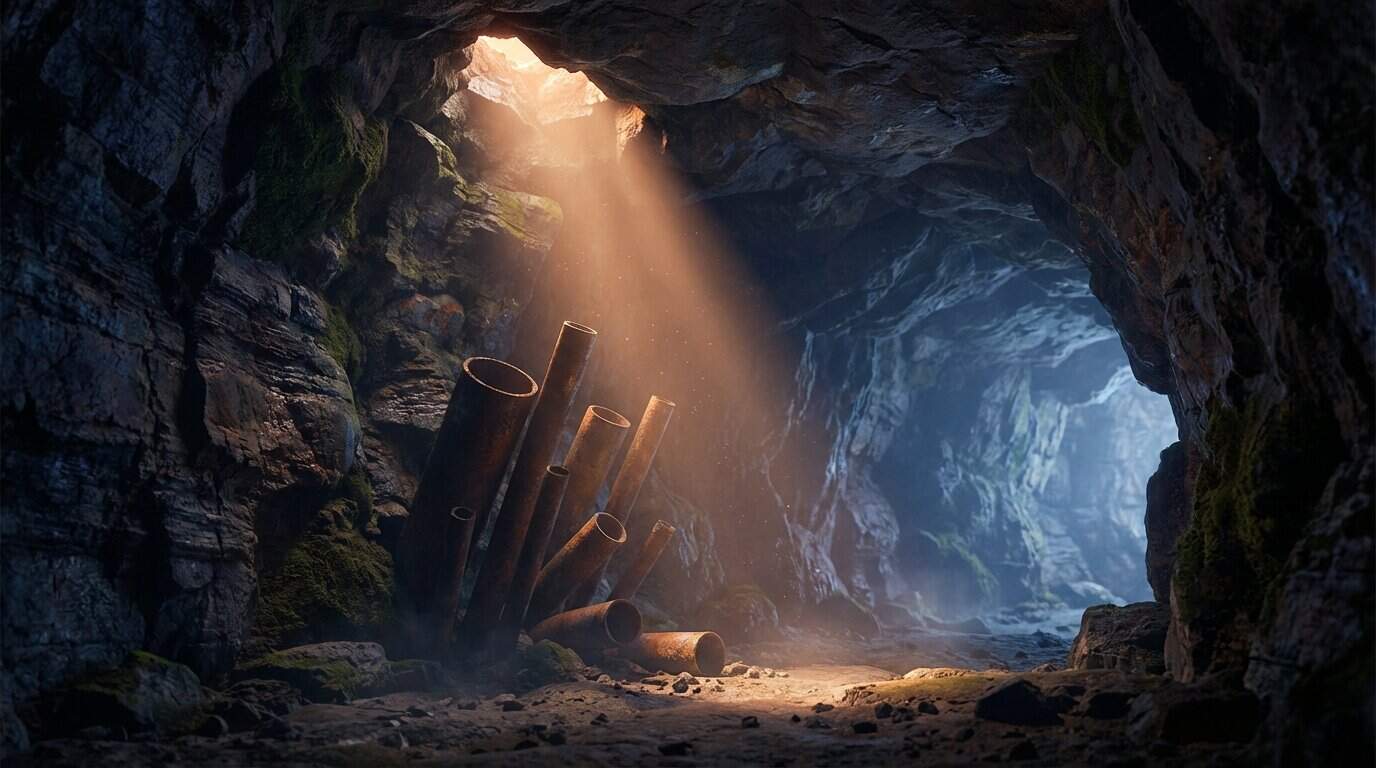
In the remote, windswept reaches of China’s Qinghai Province, a series of strange, metallic-looking tubes protrudes from the rocky caves of Mount Baigong. Known as the Baigong pipes mystery, these rust-colored structures range from the size of a tiny needle to the width of a large tree trunk. For decades, locals and explorers have wondered how these perfectly formed cylinders ended up embedded in ancient sandstone far from any modern civilization.
While some researchers suggest these pipes are the remains of a prehistoric laboratory or an ancient landing site, others look toward the earth for a natural explanation. The structures sit near the shores of a saltwater lake, looking every bit like a man-made plumbing system left behind by a forgotten era. Whether they are the work of ancient engineers or a rare geological fluke, the site challenges our understanding of what is possible in the natural world.
Key Takeaways
- The Baigong pipes are mysterious, rust-colored metallic cylinders embedded in ancient sandstone and lakebeds in China’s remote Qinghai Province, appearing to be an organized, prehistoric plumbing system.
- Chemical analysis reveals that while the structures are primarily iron and silica, approximately 8 percent of the material consists of unknown elements that defy standard laboratory identification.
- The leading scientific theory suggests the pipes are fossilized tree roots formed through pedogenic pseudo-morphism, where iron-rich groundwater replaced organic matter over millions of years.
- The site remains a significant ‘out-of-place artifact’ because the structures appear to be manufactured items found in geological layers far older than any recorded human civilization capable of such engineering.
The Enigma Of The Mount Baigong Caves
Deep within the remote terrain of China’s Qinghai Province, Mount Baigong hides a series of enigmatic features that seem to defy the natural world. Three distinct caves sit at the foot of the mountain, but only the largest remains accessible to those seeking answers. Inside this central cavern, explorers were stunned to find reddish-brown, tube-like structures protruding from the sandstone walls and floor. These tubes vary significantly in size, with some as thin as a toothpick while others reach a diameter of forty centimeters. The initial discovery sparked immediate excitement, as the organized layout and metallic appearance strongly suggested a complex, ancient plumbing system built by an advanced hand.
The mystery extends far beyond the dark interior of the caves and spills onto the shores of the nearby saltwater lake Toson. Scattered across the beach and submerged within the lakebed are more of these iron-gray pipes, some standing vertically and others lying in horizontal patterns. Explorers and researchers, such as those documented by local news agencies and scientific teams, noted that the pipes appear to be deeply integrated into the surrounding rock. This seamless connection between the machinery and the earth makes it difficult to determine where the natural geology ends and the potential technology begins. The sheer scale and precision of the site continue to fuel theories about a prehistoric civilization that may have mastered engineering long before recorded history.
As scientists began analyzing the chemical composition of these artifacts, the results only added more layers to the puzzle. While much of the material consists of ferric oxide and silicon dioxide, a significant percentage of the pipes remains unidentified. This strange chemical signature has led some researchers to wonder if the structures are truly out-of-place artifacts from an era of lost technology. Whether they are the remnants of a prehistoric laboratory or a unique geological fluke, the Baigong pipes mystery stands as a haunting reminder of how little we know about our planet’s past. Does this site represent a forgotten industrial achievement, or is nature simply playing a trick on our eyes?
Analyzing The Chemical Composition And Unknown Elements
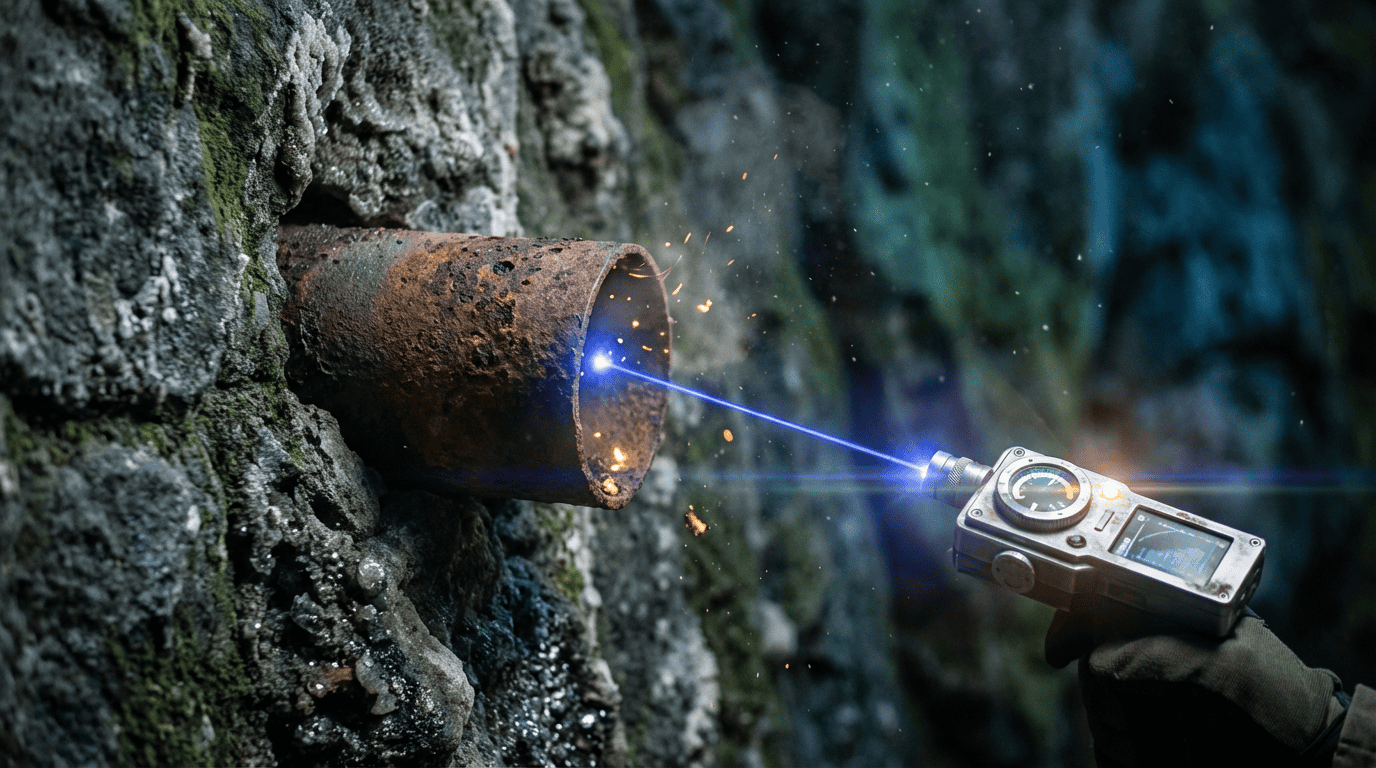
When researchers from the Beijing Institute of Geology took samples from the mysterious Baigong Pipes to their laboratory, the results were both fascinating and puzzling. The chemical analysis revealed that the structures are primarily composed of ferric oxide, calcium oxide, and silicon dioxide, which explains their metallic, rust-colored appearance. However, the most captivating part of the report was the remaining 8 percent of the material. This portion of the pipes consisted of unknown elements that the scientists could not readily identify using standard testing methods. This mysterious gap in the data has fueled decades of speculation about whether these tubes are truly natural or the remnants of an ancient, advanced technology.
The location of these structures adds another layer of intrigue to the scientific findings, as Mount Baigong sits in a remote and harsh environment. Historically, this region was considered uninhabited by any civilization capable of sophisticated metalwork or engineering. If these are indeed pipes, it would mean that a group of people possessed high-level technical skills long before the local population recorded such advancements. Some researchers suggest that the high concentration of silica and iron points toward a natural process, yet the uniform shape of the tubes remains difficult to explain through geology alone. This balance of hard data and physical anomalies keeps the mystery alive for those looking for traces of a lost prehistoric culture.
While many scientists lean toward the theory that these are fossilized tree roots or iron clastic formations, the unidentified 8 percent of the composition remains a significant question mark. It is rare to find such a large portion of a sample that defies classification in a modern laboratory setting. This lack of a definitive answer allows for a bridge between conventional earth sciences and the possibility of out-of-place artifacts. Much like the Baghdad Battery, which hints at a potential ancient power source, the chemical makeup of the Baigong Pipes continues to challenge our understanding of the ancient world. What do you think these unidentified elements might reveal about the true origins of these strange structures?
Ancient Astronauts Versus Fossilized Tree Roots
The discovery of these rust-colored tubes buried deep within the caves of Mount Baigong has led many to wonder if we are looking at the remnants of an ancient industrial site. Proponents of the ancient astronauts theory suggest that these structures are too uniform and strategically placed to be mere accidents of nature. They point to the high iron content and the way the pipes seem to vanish into the mountain as evidence of a sophisticated plumbing system or a launchpad built by a prehistoric civilization. If these are truly artificial, it would mean that an advanced group of people, or perhaps visitors from another world, were utilizing technology in remote China long before recorded history began.
Geologists offer a different perspective by looking at a process known as pedogenic pseudo-morphism, where nature mimics human engineering. Researchers from the Beijing Institute of Geology have analyzed the pipes and found that they contain organic plant matter, suggesting they might be fossilized tree roots. According to this theory, iron-rich groundwater could have seeped into the cavities left by ancient trees, gradually replacing the wood with minerals and creating a metallic shell. Over millions of years, these chemical reactions transformed simple roots into the sturdy, pipe-like cylinders that baffle explorers today.
While the geological explanation provides a grounded look at how the earth can create strange shapes, some mysteries still remain. Skeptics of the fossil theory argue that the extreme heat required to fuse these materials into such precise shapes is rarely found in standard soil processes. Furthermore, the sheer scale and distribution of the pipes across Lake Toson continue to fuel debates about whether nature alone could be responsible for such a complex layout. Whether these are the roots of an ancient forest or the plumbing of a lost city, the Baigong pipes stand as a fascinating bridge between the natural world and the possibility of a forgotten past.
Bridging the Gap Between Geology and Mystery
The Baigong Pipes remain one of the most intriguing puzzles in the world of out-of-place artifact discoveries, sitting at a crossroads where geology meets the unexplained. While some researchers point to the process of fossilized tree roots or specialized mineral formations to explain these rusty tubes, others find the sheer precision and metallic composition too deliberate to be accidental. The remote terrain of Qinghai Province serves as a silent witness to this mystery, offering just enough evidence to support scientific theories while leaving plenty of room for more adventurous possibilities. It is this delicate balance between the known and the unknown that keeps the legend of Mount Baigong alive for researchers and explorers alike.
History is often full of forgotten chapters, and these strange structures might just be the physical remains of a technology that predates our current understanding of the past. If these pipes are indeed the work of an ancient, advanced civilization, they challenge everything we thought we knew about the timeline of human development in East Asia. The possibility that a prehistoric group mastered the use of metal or irrigation in such a harsh environment is a thrilling prospect that demands an open mind. Much like the debate surrounding advanced technology in other parts of the world, whether they are a rare masterpiece of nature or a relic of a lost society, the pipes remind us that the earth still holds secrets waiting to be uncovered.
What do you think about the strange metallic tubes found at the edge of Lake Toson? Is it possible for nature to mimic such industrial shapes with such consistency, or do you believe we are looking at the remnants of a forgotten ancient project? Perhaps there is a hidden explanation that science has yet to fully grasp, bridging the gap between natural phenomena and intelligent design. We invite you to share your theories and join the conversation about what truly lies beneath the surface of Mount Baigong. Your perspective might be the one that helps piece together this fascinating archaeological puzzle.
Frequently Asked Questions
1. What exactly are the Baigong pipes?
The Baigong pipes are a series of reddish-brown, metallic-looking tubes embedded in the caves and lakebeds of Mount Baigong in China. These structures range from the size of a tiny needle to the width of a large tree trunk, appearing much like an ancient, organized plumbing system.
2. Where can these mysterious pipes be found?
These strange formations are located in the remote Qinghai Province of China, specifically within the caves of Mount Baigong. They also extend to the nearby shores and floor of Lake Toson, where they sit submerged or scattered across the beach.
3. Could these pipes be the work of an ancient civilization?
Many observers believe the organized layout and metallic appearance suggest they were built by advanced prehistoric engineers or even extraterrestrial visitors. The way they are embedded deep within ancient sandstone makes it difficult to explain how they were placed there without modern technology.
4. Is there a scientific explanation for how they formed?
Some researchers suggest a natural process where tree roots were replaced by minerals over millions of years, creating what look like metal pipes. This theory views them as fossilized remains rather than man-made objects, though the high iron content still puzzles many experts.
5. What are the pipes actually made of?
Initial tests show the pipes are composed mostly of iron, silicon dioxide, and calcium oxide. These materials give them a rusted, metallic look that contrasts sharply with the surrounding natural sandstone of the mountain.
6. Why is the site considered an out-of-place artifact?
The site is famous because the pipes appear to be manufactured items found in a geological layer that is far older than human history. This creates a fascinating mystery that challenges the traditional timeline of when ancient technology first appeared on Earth, much like the London Hammer which was found encased in ancient rock.