The Strange Legacy Of Pablo Escobar Hippos In Colombia
Deep in the lush heart of the Colombian countryside, an unexpected legacy of the 1980s drug trade continues to roam the Magdalena River. What started as a billionaire’s whim at a private zoo has transformed into a massive environmental mystery involving the famous pablo escobar hippos. These three-ton giants are the descendants of four animals left behind after the kingpin’s fall, and they have since claimed the South American jungle as their own.
While the giraffes and zebras from the estate were easily relocated, these stubborn hippos proved far too dangerous to move and were left to the elements. Without any natural predators like lions or crocodiles to keep them in check, their numbers have exploded, creating a situation that feels more like a movie plot than reality. Locals now live alongside these African transplants, balancing the thrill of hosting a unique species with the growing challenges of an ecosystem pushed to its limits.
Key Takeaways
- The absence of natural predators and seasonal droughts in Colombia has allowed a small group of escaped hippos to explode into a wild population of hundreds, creating an unprecedented invasive species crisis.
- These animals act as ‘ecological engineers,’ physically reshaping the Magdalena River and altering water chemistry through waste that fuels harmful algae blooms and threatens native species.
- The management of the herd is hindered by a complex conflict between environmental scientists warning of ecological collapse and local communities who view the hippos as cultural icons and tourist attractions.
- Relocation and sterilization efforts remain prohibitively expensive and dangerous, forcing authorities to weigh the controversial option of culling to protect the South American ecosystem.
From Private Menagerie To Wild Legend
When the gates of Hacienda Nápoles finally fell into ruin following the death of Pablo Escobar in 1993, a strange new chapter of natural history began. Most of the exotic residents of the private zoo, such as giraffes and zebras, were easily captured and relocated to traditional sanctuaries. However, four hippos consisting of one male and three females proved far too aggressive and heavy for the authorities to handle at the time. Left to their own devices in the lush Colombian wetlands, these four founders found a paradise that lacked the droughts and predators of their native Africa. What started as a billionaire’s eccentric hobby soon transformed into a self-sustaining population that began to claim the Magdalena River as its own.
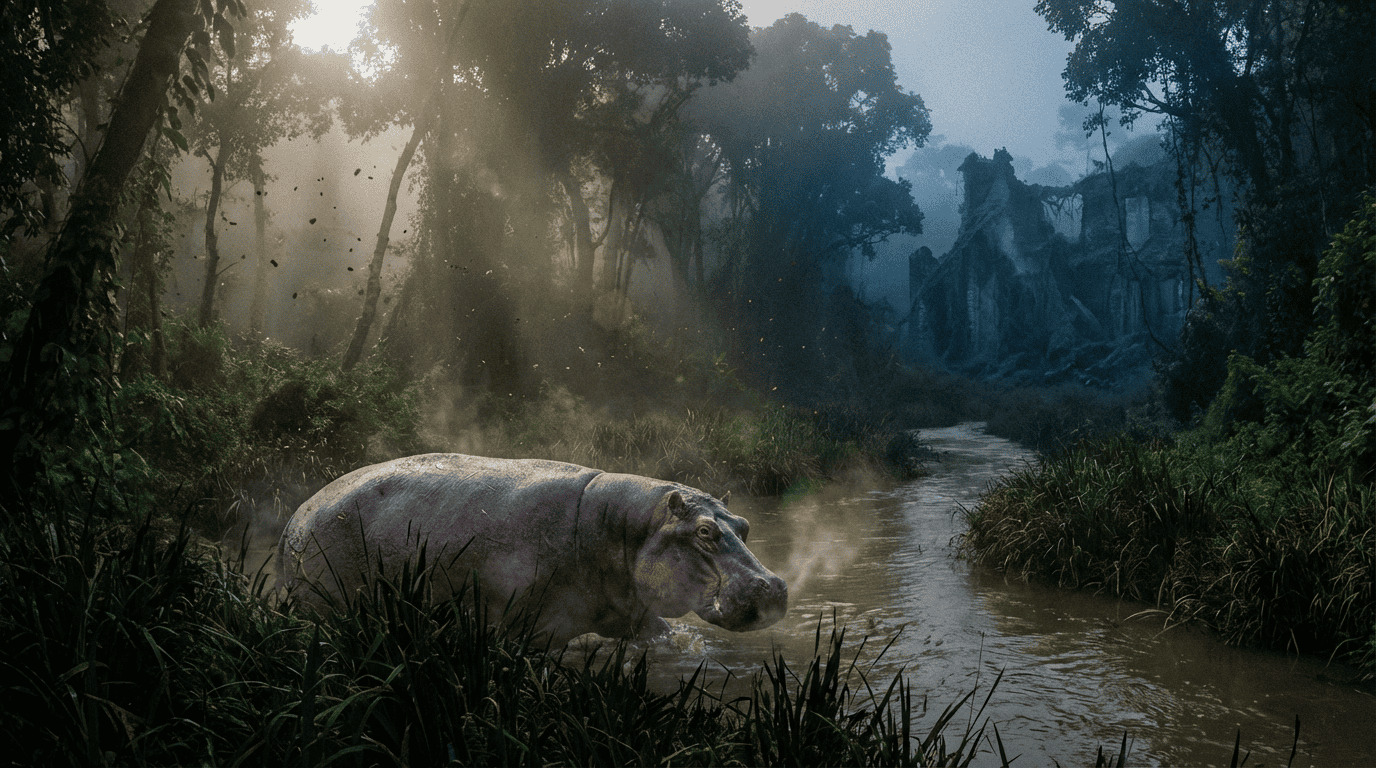
Local residents began reporting surreal sightings of these massive African beasts appearing through the morning mist in places they simply did not belong. These accounts often blurred the line between reality and modern folklore as the animals moved like ghosts through the jungle waterways. According to reports from Smithsonian Magazine, the hippos have since multiplied into a wild dynasty that some experts estimate could number in the hundreds. They have become a living legend in the region, representing a bizarre intersection where the remnants of a criminal empire meet the unstoppable force of nature. This expansion has created a unique ecological mystery that continues to baffle scientists and captivate the imagination of the public.
The transition from captive zoo animals to wild icons has turned the hippos into a symbol of the unexpected consequences of human ambition. While they are technically an invasive species, they have woven themselves into the cultural fabric of the local communities who now live alongside them. Some see them as a dangerous nuisance, while others view them as a mystical addition to the surroundings that draws curious travelers from around the globe. As they continue to drift further from their original home at the estate, they serve as a reminder of how quickly a man-made anomaly can become a permanent part of the wild. Do you believe these animals are a natural disaster in the making, or have they earned their place as a new legend of the Colombian wilderness?
The Magdalena River Ecosystem Transformation
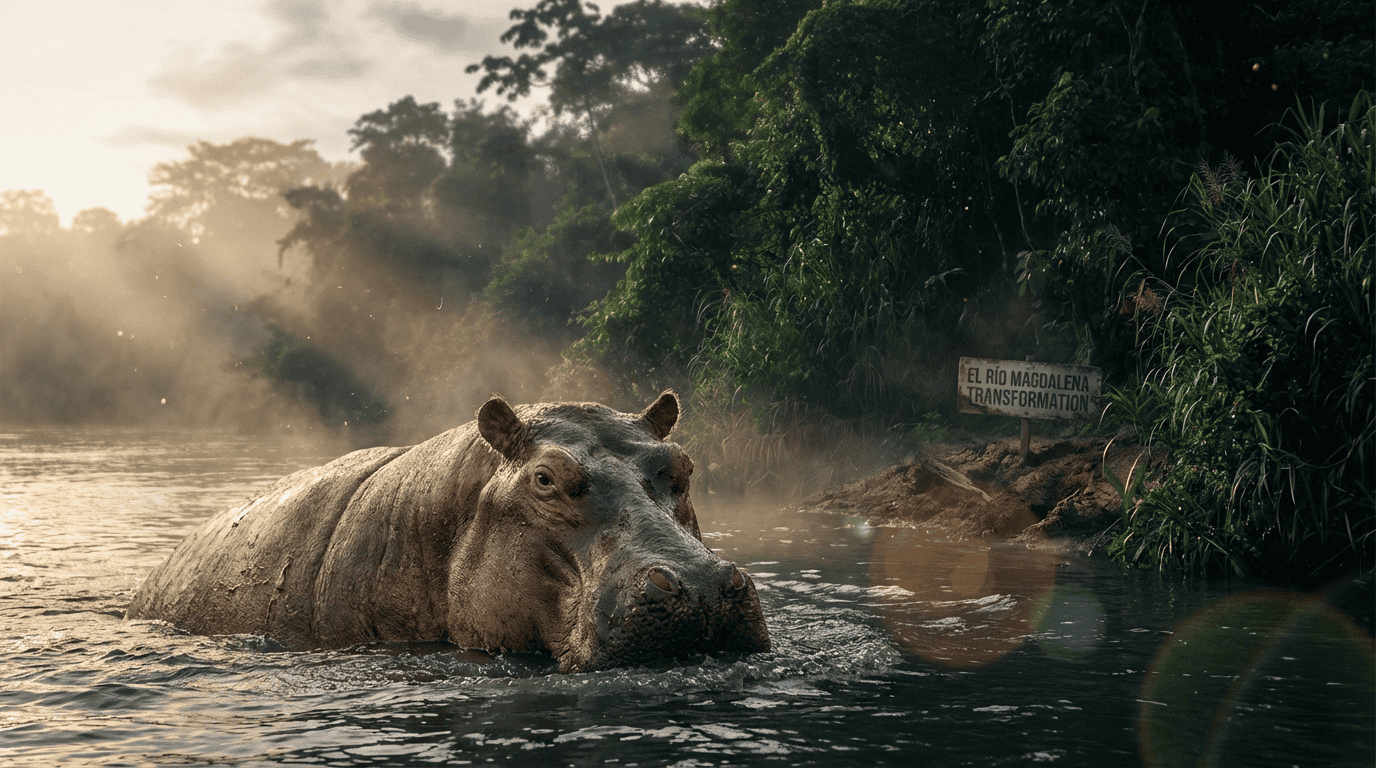
The Magdalena River has become an accidental paradise for these African giants, providing a lush environment that lacks the natural droughts and predators found in their native lands. Since escaping the ruins of Hacienda Nápoles, the hippos have treated the Colombian waterways like a private buffet, grazing on endless greenery and growing at an accelerated rate. Local fishermen now share the riverbanks with creatures that seem to have stepped out of a prehistoric era, creating a surreal blend of tropical jungle and African savanna. This rapid adaptation has turned the river into a living laboratory where a modern legend is physically reshaping the earth.
As these massive animals move through the shallow waters, they act as ecological engineers by carving out deep paths that change the flow of the river. Their presence isn’t just a visual anomaly, as researchers from organizations like the Smithsonian have noted that their waste is fundamentally altering the water chemistry. By depositing massive amounts of nutrients into the river, they are fueling algae blooms and changing the oxygen levels for local fish. This transformation is a strange example of how a few runaway animals can rewrite the rules of an entire ecosystem in just a few decades.
Beyond the biological changes, the hippos have drifted into the realm of local folklore, appearing like ghosts in the morning mist to startled villagers. Many residents view them with a mix of fear and reverence, seeing them as a living legacy of a dark chapter in history that refuses to fade away. These cocaine hippos represent a bridge between reality and the supernatural, as they are often spotted in places where they simply should not exist. Their massive footprints in the mud serve as a daily reminder that the line between a controlled zoo and a wild, untamed legend is thinner than we think.
Modern Folklore And The Cocaine Hippo Mystery
What began as a drug lord’s eccentric hobby has transformed into a living legend that wanders the misty banks of the Magdalena River. After the fall of Hacienda Nápoles, these massive creatures transitioned from captive curiosities into the protagonists of local folklore. Residents of nearby villages often share stories of silver-backed giants appearing out of the darkness, blending the reality of an invasive species with the aura of a ghost story. These sightings have created a unique cultural atmosphere where the line between a biological hazard and a mythical guardian becomes blurred. The hippos are no longer just animals, but symbols of a past era that refuses to be forgotten.
Local communities have developed a complex relationship with these cocaine hippos, treating them with a mix of reverence and cautious fear. While scientists at institutions like the Smithsonian Magazine warn of the ecological dangers, many locals see the animals as a source of wonder and even protection. Tales circulate of hippos appearing in town squares at night, behaving more like neighborhood mascots than wild African beasts. This sense of mystery is heightened by the way the hippos seem to move through the Colombian environment with an eerie ease. They have become a modern urban legend, representing a strange intersection of human history and natural unpredictability.
The persistence of the herd suggests that some mysteries are born from the most unlikely circumstances. Despite numerous attempts to manage the population, the hippos continue to thrive and expand their territory into the unknown. This resilience has fueled theories that the animals have adapted in ways that defy standard zoological expectations. Every splash in the river and heavy footprint in the mud adds a new chapter to this unfolding narrative of modern folklore. Does the presence of these giants represent a permanent change to the land or a temporary echo of a chaotic history?
Managing An Unprecedented Invasive Species Crisis
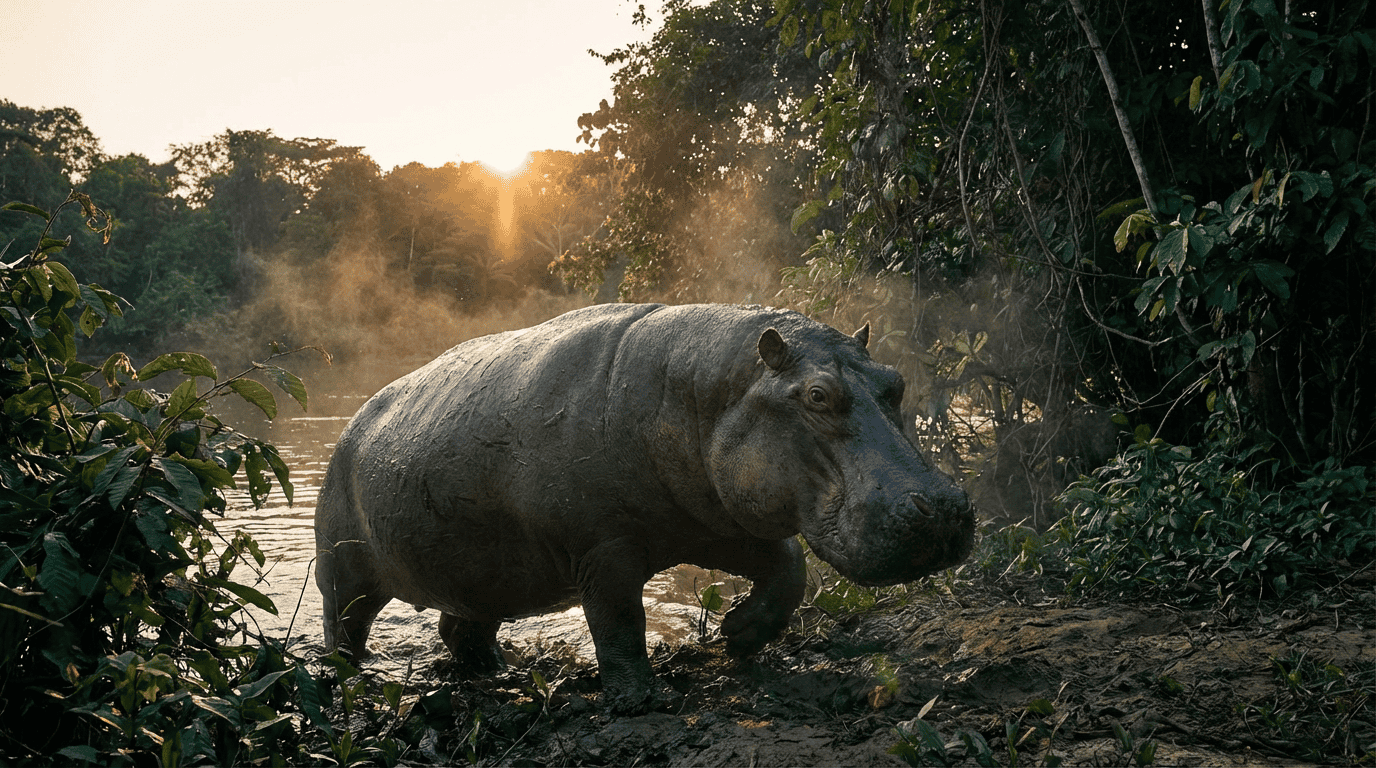
The transformation of Hacienda Nápoles from a drug lord’s playground into an ecological battlefield represents one of the strangest chapters in modern natural history. After the fall of the Escobar empire, the original four hippos were left to fend for themselves in the lush Magdalena River basin. Without natural predators or the droughts that limit their population in Africa, these cocaine hippos began to multiply at an alarming rate. Today, the Smithsonian Magazine reports that their numbers have exploded into the hundreds, turning a wealthy man’s eccentricity into a nationwide invasive species crisis. Locals now recount surreal stories of these massive beasts wandering into town squares, blurring the line between a biological invasion and a living urban legend.
Government authorities find themselves caught between the demands of animal rights activists and the urgent warnings of environmental scientists. While some see the hippos as a charming local mascot that draws tourists, researchers note that their waste is drastically altering the oxygen levels in Colombia’s waterways. This change threatens native species like manatees and turtles, creating a ripple effect through the entire ecosystem. Programs for sterilization efforts and relocation have proven incredibly difficult and expensive due to the sheer size and aggressive nature of the animals. As reported by El País, the decision to cull some of the herd remains a deeply controversial topic that pits the survival of an environment against the life of a charismatic intruder.
This situation has birthed a new kind of folklore where the ghost of a criminal past literally haunts the riverbanks of the present. Many residents have developed a strange kinship with the hippos, viewing them as a permanent part of the regional identity rather than an invasive threat. Much like the stories of Australia’s mysterious swamp dweller, these creatures have become ingrained in the local imagination. This cultural attachment makes management even more complex, as any attempt to remove the animals is met with public outcry. It raises a fascinating question about how we define what is natural in a world reshaped by human ambition. Do you think these animals should be protected as a unique part of Colombia’s modern history, or must they be removed to save the original wilderness?
The Legacy of Colombia’s Cocaine Hippos
The story of the cocaine hippos serves as a powerful reminder of how human ambition can permanently alter the natural world. What began as a drug lord’s eccentric display of power has transformed into a living legend that blurs the line between reality and folklore. These massive creatures have claimed the Magdalena River as their own, creating a surreal environment where African megafauna roam South American jungles. Their presence challenges our traditional understanding of nature, proving that even a few misplaced animals can rewrite the ecological history of an entire region.
Local communities now live in a world where these giants are both a source of wonder and a constant shadow of danger. Tales of strange sightings and close encounters have woven the hippos into the cultural fabric of the area, turning a biological crisis into a modern myth. Scientists and residents alike struggle to balance the survival of these charismatic animals with the protection of the native environment. This situation forces us to confront the unintended consequences of human interference and the heavy responsibility that comes with managing a legacy that was never meant to exist.
As this population continues to grow, the search for a solution becomes more urgent and complex. Some advocate for relocation or sterilization, while others wonder if the hippos have become a permanent, if accidental, part of the local identity. There are no easy answers when dealing with creatures that have become symbols of both historical excess and natural resilience. How would you handle this unique ecological challenge if the decision were in your hands? We invite you to share your thoughts on whether these animals should be protected as a new local wonder or managed as a threat to the land.
Frequently Asked Questions
1. How did the hippos first arrive in Colombia?
The original four hippos were brought to Colombia in the 1980s as part of a private zoo at Hacienda Nápoles. After the fall of the drug kingpin’s empire, these massive animals were left behind because they were too heavy and dangerous for authorities to relocate.
2. Why has the hippo population grown so quickly in the jungle?
The Colombian wetlands provide a perfect environment with constant water and plenty of food. Unlike in Africa, these hippos face no natural predators and no seasonal droughts, allowing them to thrive and multiply without any natural checks.
3. Are the hippos dangerous to the local people?
While locals often see them as a unique curiosity, hippos are naturally territorial and aggressive animals. As they wander into towns and fishing areas along the Magdalena River, the risk of dangerous encounters between humans and these three ton giants increases.
4. What happened to the other animals in the private zoo?
Most of the exotic residents like giraffes and zebras were easily captured and sent to traditional sanctuaries or zoos. Only the hippos were left to roam free, eventually escaping the crumbling estate to claim the surrounding river system as their own.
5. How many hippos are roaming the Magdalena River today?
From just one male and three females, the population has exploded into a massive herd that continues to grow each year. Scientists estimate there are now dozens of these African transplants living wild in the South American countryside.
6. What is being done to manage the hippo population?
Authorities are currently exploring various solutions, including sterilization and relocation to sanctuaries in other countries. It is a complex challenge because the hippos have become a symbol of the region and a major draw for curious travelers, much like the enduring scientific puzzles surrounding other legendary creatures. This search for answers in the jungle mirrors the historical quest for El Dorado, where myth and reality often collide in the South American wilderness.