The Ozark Howler Legend of the Deep Woods
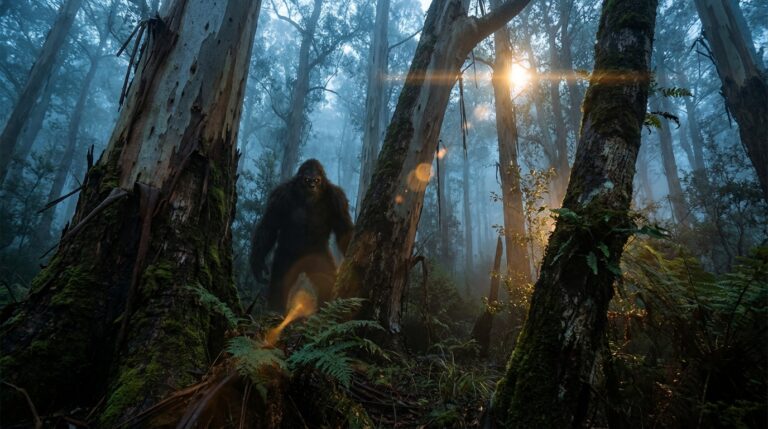
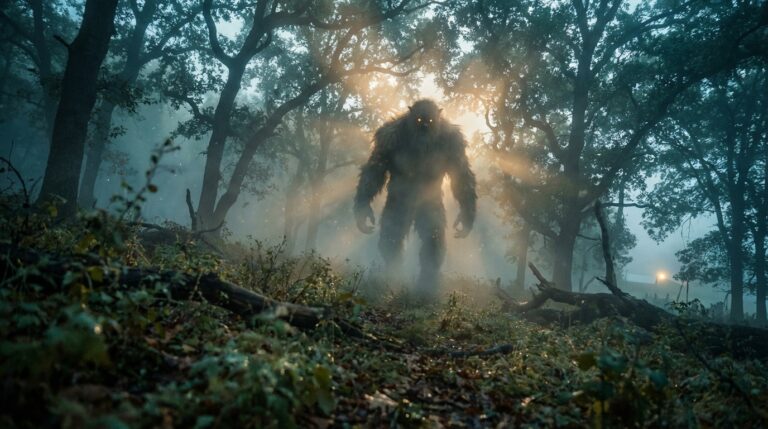
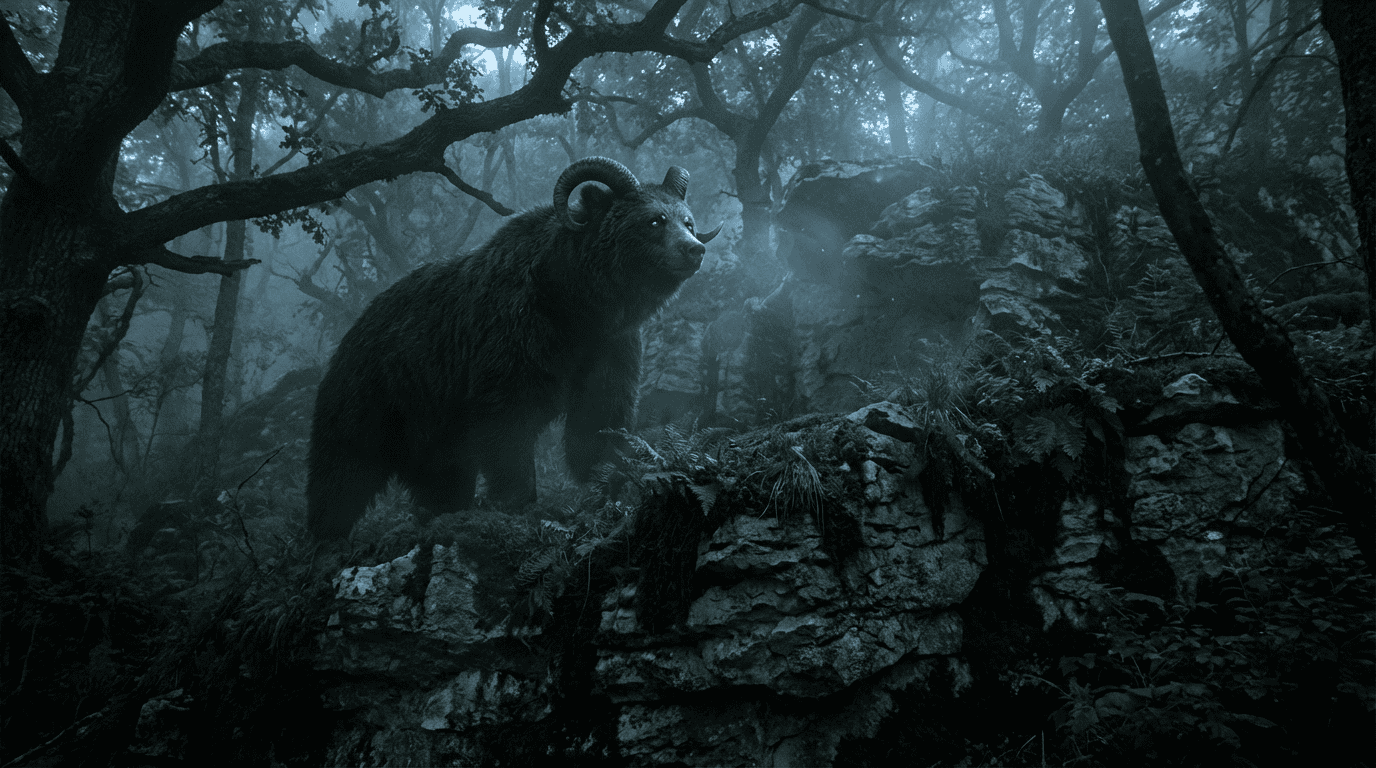
Deep within the rugged hollows of the Ozark Mountains, a chilling sound often pierces the midnight silence. Local residents have whispered about the Ozark Howler for generations, describing a beast that defies the laws of nature. This massive, shadow-colored creature is said to resemble a stocky black bear, but with a terrifying twist: a pair of thick horns and glowing red eyes.
While some dismiss the stories as campfire tales, the consistency of the sightings across Missouri and Arkansas suggests something more tangible. Witnesses describe an unearthly cry that sounds like a haunting mix of a wolf’s howl and a human scream echoing through the timber. Whether it is a misidentified predator or a prehistoric survivor, the mystery of the Nightshade Bear continues to haunt the deep woods.
Key Takeaways
- The Ozark Howler is a unique regional cryptid characterized by a massive bear-like build, shaggy black fur, prominent ram-like horns, and glowing red eyes.
- The creature is primarily identified by its unearthly vocalization, which sounds like a haunting fusion of a wolf’s howl and a human scream.
- The legend originated from 19th-century Scots-Irish settlers who likely adapted ancient European folklore, specifically the spectral Cù-Sìth, to the unfamiliar predators of the American wilderness.
- Despite scientific skepticism attributing sightings to misidentified bears or cougars, consistent modern reports suggest the mystery of the horned predator remains a living part of Ozark identity.
Physical Traits of the Horned Predator
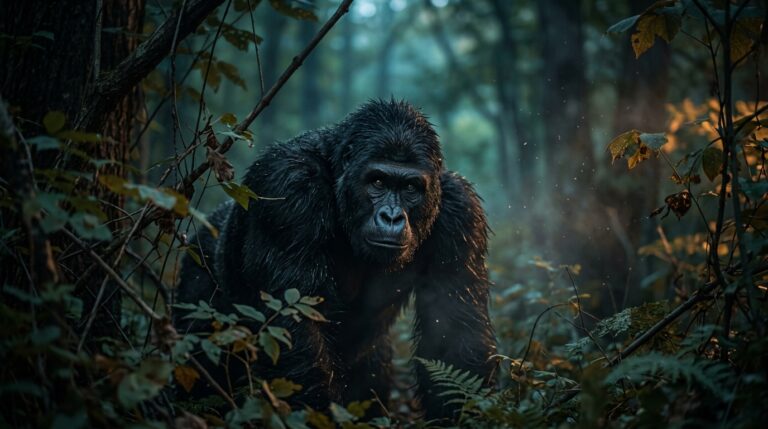
The Ozark Howler is most frequently described as a massive, stocky beast that shares the powerful build of a mature black bear. Its body is draped in thick, shaggy fur that ranges in color from deep charcoal to a midnight black, allowing it to vanish easily into the shadows of the Arkansas timber. Witnesses often report that the creature stands low to the ground on sturdy limbs, giving it an appearance of immense strength and agility. This heavy frame is usually the first thing people notice before the more supernatural features of the predator come into focus. Legends from researchers at Unlock the Ozarks suggest that this physical presence is enough to intimidate even the most experienced woodsmen who encounter it in the brush.
What truly sets this unique regional cryptid apart from any known animal is the pair of prominent, ram-like horns protruding from its head. These curved features give the beast a terrifying silhouette that defies conventional zoology, blending the traits of a predator with those of a mountain goat or elk. Many accounts also highlight its glowing eyes, which are said to burn with an eerie red or orange light when caught in a lantern’s glare. According to researchers at Legends of Windemere, these striking visual details have solidified the Howler’s place as a unique fixture in regional folklore. This combination of thick fur, sharp horns, and luminous eyes creates a portrait of a predator that feels both ancient and otherworldly.
While some skeptics suggest these sightings might be misidentified predator encounters such as lynxes or bears, the specific anatomical details reported by locals tell a more complex story. The sheer size and muscular neck of the creature do not match the leaner profile of a typical mountain lion or bobcat. Instead, the Howler is described as a heavy-set guardian of the deep hills, moving with a deliberate and heavy gait through the undergrowth. Its physical traits seem designed for the rugged terrain of the Ozark Mountains, where it can navigate steep bluffs and dense forests with ease. Whether it is a relic of a prehistoric species or a modern myth, the physical description of the horned predator remains remarkably consistent across generations of oral history.
Chilling Echoes of the Nightshade Bear
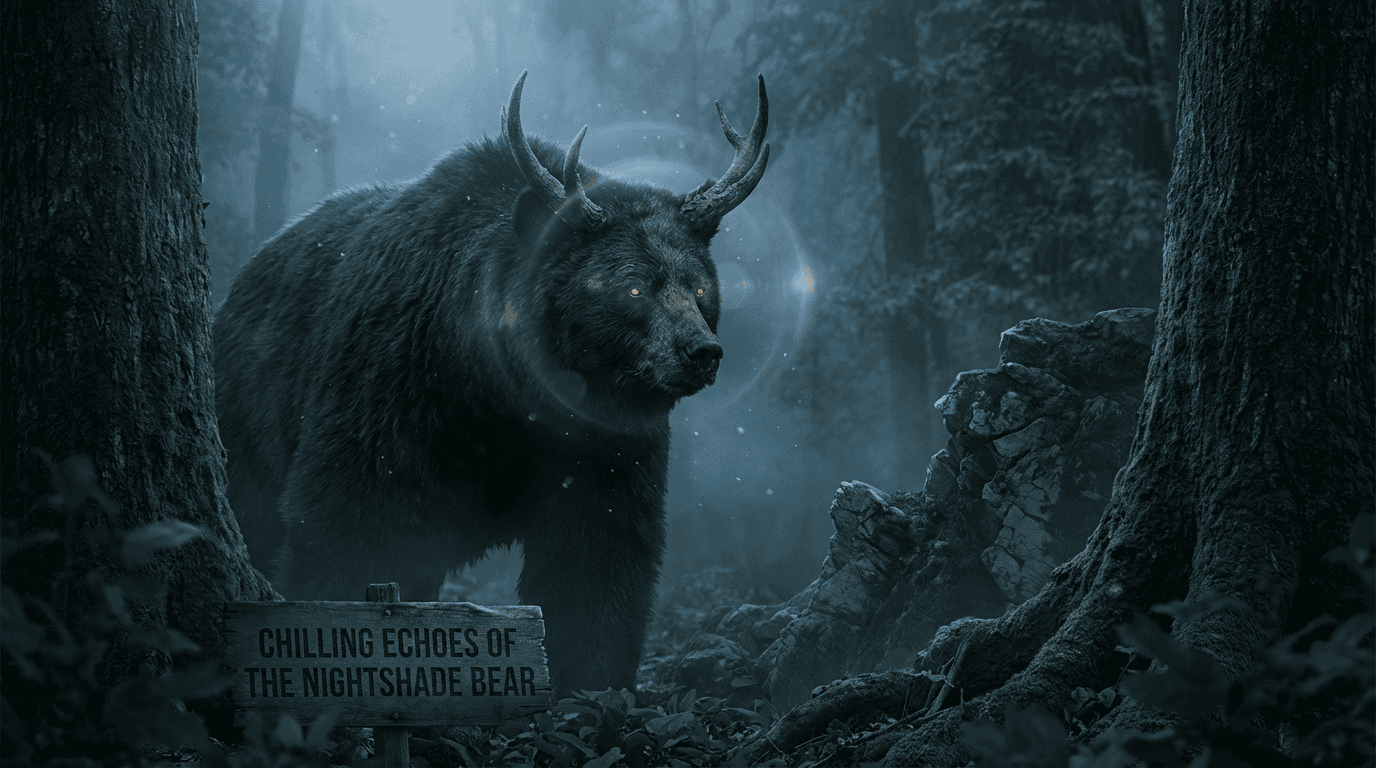
The Ozark Howler earned its name from the bone-chilling vocalizations that echo through the deep hills of Arkansas and Missouri. Witnesses often describe the sound as a terrifying fusion of a wolf’s mournful howl and the piercing scream of a distressed human. According to local lore documented by researchers at Unlock the Ozarks, this unearthly cry is so distinct that it can freeze a seasoned hunter in their tracks. The sound carries for miles across the rugged hills, signaling the presence of a predator that defies traditional classification. Many residents believe the howl is a territorial warning meant to keep intruders away from the creature’s secluded mountain domain.
While some skeptics suggest the noise is merely the bugle of an elk or the screech of a mountain lion, those who have heard it firsthand insist it is something far more ancient. The Nightshade Bear possesses a vocal range that feels unnaturally heavy, matching its stocky, bear-like frame and shaggy black fur. Historical accounts from the region suggest that the creature’s cry has remained consistent for generations, weaving itself into the very fabric of Ozark mythology. This auditory phenomenon serves as the primary evidence for a beast that is rarely seen but frequently heard. The sheer power of the vocalization suggests a large lung capacity and a physical structure unlike any known animal in the American South.
Exploring the remote hollows of the Ozarks requires a brave heart when the sun begins to set and the shadows stretch long. Much like the ancient roots of other forest spirits, the legend of the Howler serves as a reminder that the wilderness still holds secrets that science has yet to fully map out. Whether the sound is a biological anomaly or a remnant of a prehistoric species, it continues to spark curiosity and fear in equal measure. These chilling echoes invite us to wonder what else might be hiding in the dark woods just beyond the campfire’s light. Have you ever heard a sound in the forest that you couldn’t quite explain, or do you believe these cries are simply the voices of known animals playing tricks on our ears?
Ancient Roots and Scots-Irish Folklore
The legend of the Ozark Howler is not a modern invention but a story with deep roots extending back to the early 1800s. When Scots-Irish settlers migrated to the rugged hills of Arkansas and Missouri, they brought more than just their belongings and music. They carried ancient oral traditions that spoke of terrifying spectral beasts dwelling in the misty highlands. These pioneers found the dense, limestone-riddled forests of the Ozarks to be a mirror of the wild regions they left behind in Europe. It was in this isolated wilderness that the tall tales of their ancestors began to blend with the reality of North American predators.
Many folklorists believe the Howler is a direct descendant of the spectral Cù-Sìth, a mythological hound from Scottish folklore known as a harbinger of death. In the old country, this creature was said to possess a silent, predatory nature punctuated by three bone-chilling barks that could be heard for miles. Settlers likely projected these fears onto the unfamiliar sounds of the American frontier, such as the screams of cougars or the growls of black bears. Over generations, the glowing eyes and dark shaggy coat of the Highland phantom evolved into the horned, bear-like monster described in local Ozark accounts. This transition highlights how immigrant folklore adapts to new environments, turning an old-world omen into a distinct regional mystery.
While skeptics might view these stories as mere campfire tales, the consistency of the descriptions across two centuries suggests a lasting cultural impact. Historical documentation from researchers at Unlock the Ozarks points to early journals where travelers described a creature that was neither wolf nor bear. These settlers lived in a world where the line between the natural and the supernatural was often blurred by the shadows of the deep woods. By linking the Howler to the ancient Cù-Sìth, we can see how the creature serves as a bridge between European mythology and American cryptid lore. This connection invites us to wonder if the settlers were truly seeing something new or if an ancient shadow simply followed them across the ocean.
Modern Sightings and Enduring Mystery
Recent accounts from the deep hills of Arkansas and Missouri suggest that the Ozark Howler is far from a forgotten relic of the past. Hikers and hunters continue to report sightings of a massive, shaggy beast with glowing eyes lurking in the thick brush of the Ozark plateau. These witnesses often describe a creature that defies easy classification, possessing the thick build of a bear but topped with unmistakable, ram-like horns. One notable report from the early 2000s near the Buffalo National River involved a family who claimed to hear a bone-chilling cry that sounded like a mix between a wolf and a human scream. Such encounters keep the local community on edge and ensure the legend remains a living part of the region’s identity.
Scientists and wildlife experts often look toward more grounded explanations to solve these persistent mysteries. They suggest that sightings are real but might actually be misidentified black bears or large cougars, both of which are known to inhabit the rugged terrain. The strange, terrifying howl could potentially be the vocalization of an elk or a mountain lion, which can sound remarkably like a person in distress. However, many locals argue that these natural explanations do not account for the specific descriptions of horns or the sheer size of the predator. This tension between documented biology and eyewitness testimony creates a fascinating gap where the unknown continues to thrive.
The Ozark Howler remains a captivating piece of American mythology that invites us to wonder what truly lurks in the shadows of the deep woods. Whether it is a remnant of an undiscovered species or a powerful manifestation of regional folklore, the creature represents the wild and untamed spirit of the hills. Every new footprint found in the mud or strange sound heard at midnight adds another layer to this enduring mystery. As long as the woods remain vast and unexplored, the story of this horned predator will continue to haunt the imagination of those who venture into the dark. What do you think is hiding in the Ozark brush, a real animal or a legendary ghost?
Following the Sound
A report becomes easier to assess when it includes details beyond the words “strange noise.” The time, weather, distance, and direction of a call can help separate a sound heard nearby from one carried across a valley. A recording may also reveal whether the cry rises and falls like a wolf howl, breaks into a high-pitched scream, or carries the hollow, ringing quality of an elk bugle. Echoes in steep Ozark hollows can distort familiar calls, making an animal sound larger or closer than it is. That does not settle every account, but it shows why witnesses can sincerely hear something extraordinary without agreeing on what made it.
Descriptions of a bear-sized body, horns, and black shaggy hair are equally worth documenting carefully. In low light, branches, ears, and shadows can create shapes that seem like horns; a bear moving through brush may appear to have a different outline with each step. Eye shine can look red or orange when a light catches an animal’s eyes, though that color alone does not identify a species. Wildlife agencies and a state game and fish commission generally rely on clear photographs, tracks, physical remains, or repeated observations before treating a report as evidence of an unknown animal. So far, the legend’s most striking details remain part of eyewitness accounts rather than a confirmed biological record.
A Legend Across State Lines
The Ozark Howler is most strongly tied to Missouri and Arkansas, but stories of strange, dark animals can travel well beyond the range of a single local legend. Reports from Oklahoma and Texas may reflect similar encounters with bears, big cats, or unfamiliar sounds, as well as the spread of Ozark folklore through family stories and online retellings. A sighting described elsewhere does not automatically establish that the same creature lives there. It does, however, show how people use familiar regional legends to make sense of an unexpected shape or cry in the woods.
Comparisons with known wildlife can sharpen the question without closing it. A cougar is a large, powerful cat, but it has no horns; its calls can sound like a scream, especially to someone hearing one at night. The red wolf offers another point of comparison because wolves are part of North America’s wildlife history and have distinctive vocal behavior, but a wolf’s howl does not explain reports of a bear-like, horned body. Each possible match accounts for only part of the story. The Howler’s legend persists in the space between those recognizable details and the features witnesses say they cannot explain.
Keeping those distinctions clear allows the mystery to remain intriguing without confusing folklore with confirmed wildlife. A careful account notes what was seen or heard, what conditions might have affected perception, and which details are remembered later through retelling. If a physical trace is found, its size and location matter more than a dramatic description alone. Such observations could help establish whether an encounter involved a known animal, an unusual combination of ordinary sights and sounds, or something that still lacks a convincing explanation.
The Enduring Mystery of the Horned Predator
The Ozark Howler remains one of the most captivating mysteries hidden within the dense forests of Arkansas and Missouri. This legendary predator fills a unique gap in regional mythology by blending the traits of a shaggy black bear with the imposing horns of a ram. Its presence is defined by a chilling, unearthly cry that echoes through the deep hills, sounding like a haunting mix of a wolf and a human scream. While some skeptics view it as a mere tall tale, the consistency of the sightings suggests that something formidable stalks the shadows of the Ozarks.
Exploring the legend requires a balance between historical folklore and modern curiosity about the natural world. These stories remind us that the wilderness still holds secrets that science has yet to fully categorize or explain. These stories remind us that the wilderness still holds secrets that science has yet to fully categorize or explain. Whether the creature is a misunderstood animal or a true cryptid, it continues to spark the imagination of those who venture into the woods. The Nightshade Bear serves as a powerful symbol of the untamed spirit of the American South.
What do you believe is truly hiding in the remote corners of the Ozark Mountains? Some think the Howler is a surviving prehistoric species, while others believe it is a guardian of the deep woods. We would love to hear your thoughts or see any evidence you might have gathered from your own travels. Join the conversation below and share whether you think this horned beast is a flesh and blood animal or a ghost of the hills.
Frequently Asked Questions
1. What does the Ozark Howler actually look like?
Witnesses describe the creature as a massive, stocky beast with thick black fur similar to a bear. Its most terrifying features are the large, ram-like horns on its head and eyes that glow with an eerie red or orange light.
2. Where are the most common sightings of this creature?
Reports of the Ozark Howler are concentrated deep within the rugged hollows and timber of the Ozark Mountains. Sightings frequently occur across the remote wooded regions of both Missouri and Arkansas where the terrain is densest.
3. What kind of sound does the Ozark Howler make?
The beast is known for an unearthly cry that pierces the midnight silence of the woods. This chilling sound is often described as a haunting mixture of a timber wolf’s howl and a terrified human scream.
4. Is the Ozark Howler just a misidentified black bear?
While the creature shares the powerful build and dark fur of a black bear, its prominent horns and glowing eyes defy conventional zoology. These unique physical traits suggest that the legend may involve something more mysterious than a common predator.
5. How long has the legend of this horned predator existed?
Local residents have shared stories of the Ozark Howler for many generations, passing the tales down as part of regional folklore. The consistency of these sightings over the decades suggests a long history of encounters in the Arkansas wilderness.
6. Why is the creature sometimes called the Nightshade Bear?
This nickname comes from the animal’s ability to vanish effortlessly into the deep shadows of the forest. Its charcoal colored fur and nocturnal habits make it a master of camouflage in the dark mountain hollows.