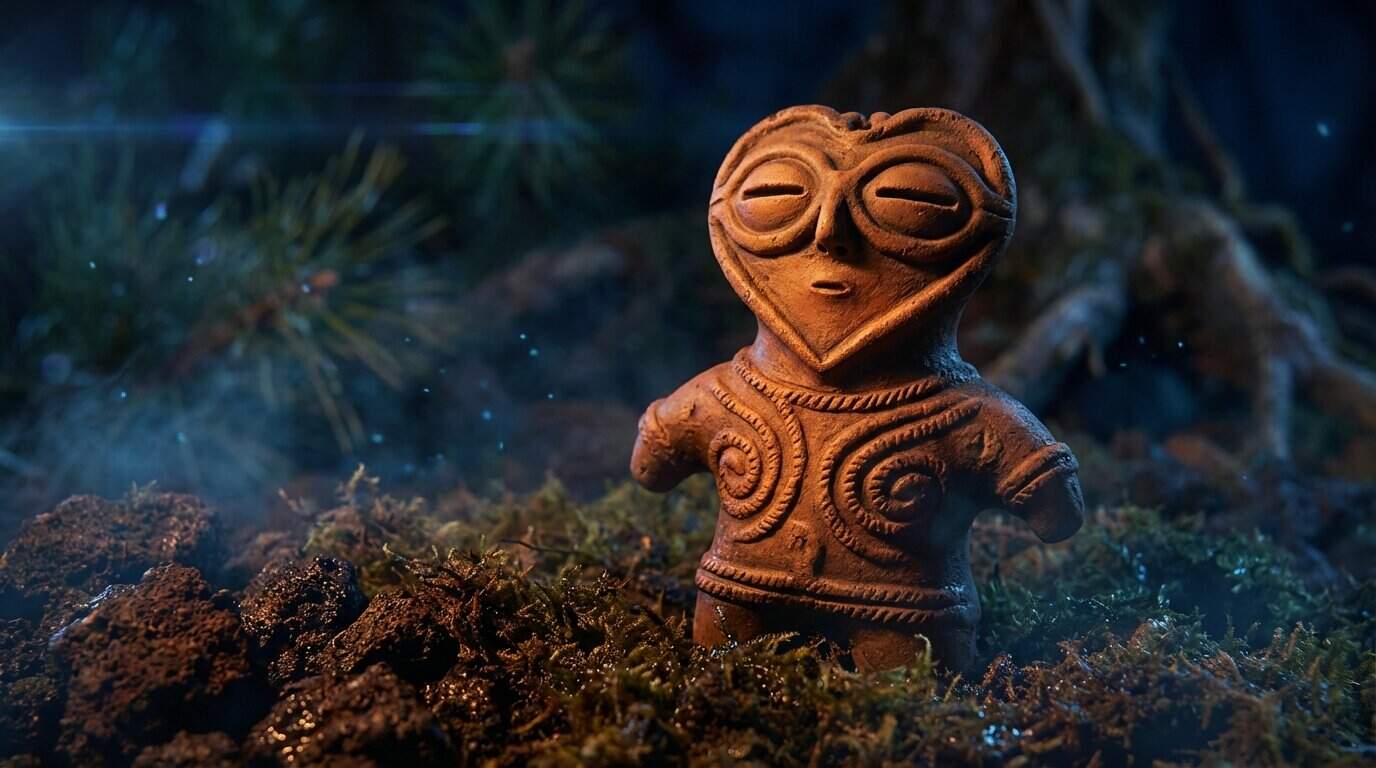
The Ancient Mystery of Dogu Figurines and the Astronaut Connection
Deep in the ancient forests of prehistoric Japan, the Jōmon people crafted thousands of strange, clay figures that continue to baffle archaeologists today. These small, humanoid sculptures, known as Dogū, feature oversized goggle eyes, intricate tattoos, and exaggerated proportions that seem almost otherworldly. The enduring mystery of dogu figurines lies in their purpose, as most were found intentionally broken and scattered across ritual sites. For centuries, these silent sentinels have guarded the secrets of a civilization that lived in harmony with the land long before the rise of modern history.
While some researchers view them as simple fertility charms or healing dolls used to absorb physical pain, others see something far more complex in their elaborate designs. From the famous Jōmon Venus to the hollow, burnished figures of the north, each piece displays a level of artistry that suggests a deep spiritual significance. Because they were created over a span of nearly 10,000 years, they offer a rare window into the evolving psyche of early humanity. Whether they represent ancient goddesses or visitors from another realm, these earthen figures remain one of the world’s most captivating archaeological puzzles.
Key Takeaways
- The Jōmon people of prehistoric Japan created over 15,000 Dogū figurines characterized by otherworldly features like oversized goggle eyes, intricate cord markings, and exaggerated proportions.
- Most Dogū were intentionally shattered in ritualistic acts, likely serving as ‘healing dolls’ intended to absorb physical ailments or spiritual burdens from their creators.
- The technical complexity and ‘pressurized suit’ appearance of the Shakoki-dogu figurines fuel a persistent debate between mainstream archaeological views of ritual fertility symbols and fringe theories suggesting prehistoric extraterrestrial contact.
- Spanning nearly 10,000 years of production, these clay figures represent a remarkably consistent shared vision and a sophisticated level of craftsmanship that challenges our understanding of hunter-gatherer societies.
Clay Guardians and the Ritual of Intentional Breaking
Archaeologists have uncovered more than 15,000 Dogu figurines across Japan, yet finding one in a single piece is a rare event. Most of these clay sculptures were intentionally broken, with limbs and torsos scattered across ancient settlements. Researchers at sites like the Kamegaoka ruins suggest this was not an act of destruction, but a deliberate ritual of intent. One popular theory proposes that the figurines acted as vessels for physical ailments, where breaking a specific limb would magically heal a corresponding injury in a human. This practice of intentional breaking hints at a deep connection between the physical clay and a spiritual or biological reality we are only beginning to understand.
The physical appearance of these artifacts adds a layer of mystery that many find difficult to explain through simple artistic expression. The famous Shakoki-dogu, or goggle eyes figurines, feature oversized, bulging eyes and ribbed suits that look remarkably like modern pressure garments. These features have led some researchers to classify them as out of place artifacts, suggesting they may represent visitors from beyond our world. While traditional historians view the patterns as cord markings or tattoos, the technical precision of the hollow bodies and complex vents remains an anomaly. The Jomon people may have been documenting actual encounters with beings who required specialized suits to survive in Earth’s atmosphere.
Despite the wealth of data provided by the Tokyo National Museum and other institutions, the true purpose of the Dogu remains an open question. Their sudden appearance and the specific, repetitive nature of their design suggest a shared vision that spanned nearly 10,000 years. Whether they were protective guardians, healing charms, or depictions of ancient astronauts, the ritual of breaking them suggests they had fulfilled a vital mission. We are left to wonder if the shattering of these clay figures was meant to release a trapped energy or to hide a secret from the future. What do you think motivated the Jomon people to create and then systematically destroy these strange, humanoid figures?
Goggle Eyed Giants and the Ancient Astronaut Theory
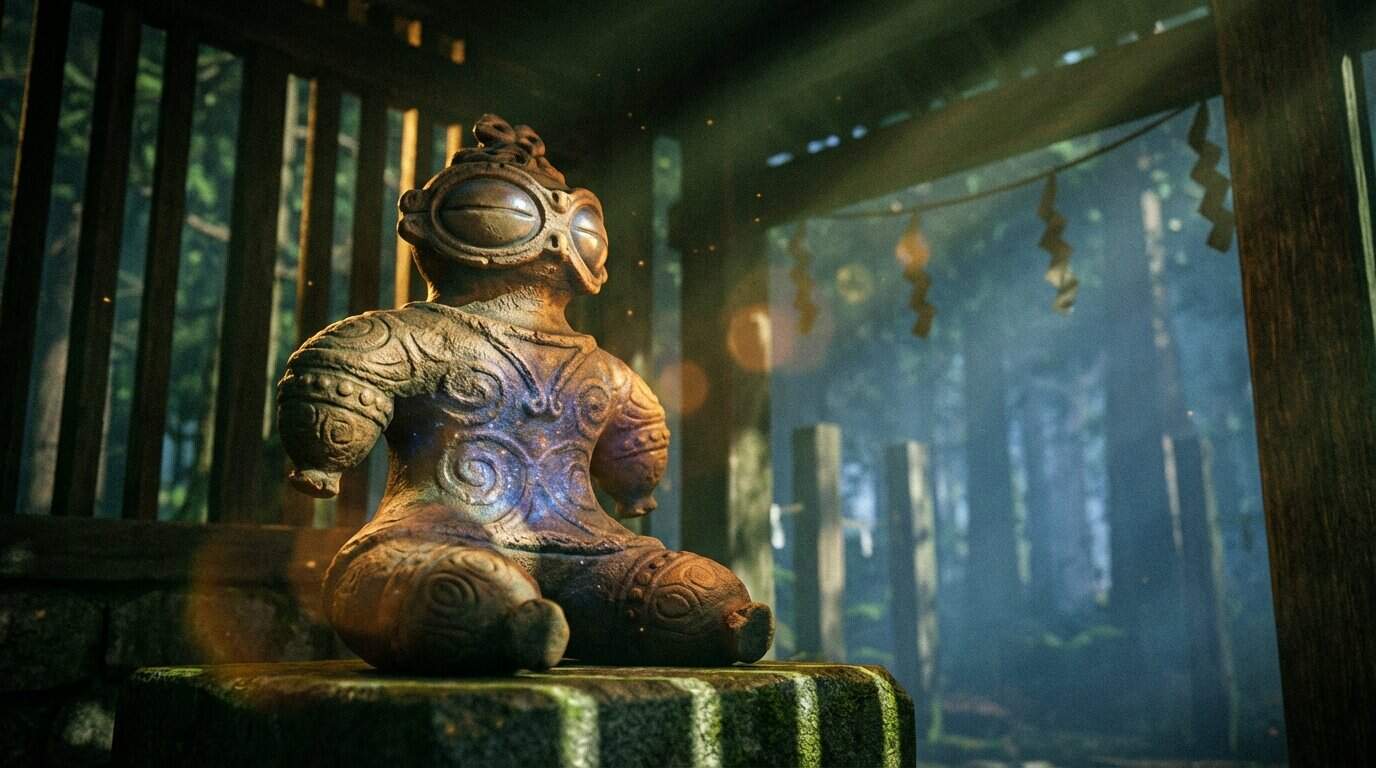
The Shakoki-dogu figurines stand out as some of the most puzzling artifacts ever recovered from Japans prehistoric Jōmon period. These clay figures feature oversized, bulging eyes that look remarkably like modern snow goggles or mechanical lenses. Their bodies are covered in intricate, raised patterns that many theorists suggest resemble the seams and valves of a pressurized spacesuit. While traditional archaeologists often view these designs as ritualistic tattoos or heavy clothing, the sheer complexity of the patterns hints at something more technological. It is hard to ignore how these figures seem to depict a being prepared for an environment far harsher than the forests of ancient Japan.
Proponents of the ancient astronaut theory, such as Erich von Däniken, have long pointed to these figurines as evidence of extraterrestrial contact. They argue that the hollow, bulbous limbs and helmet-like heads represent the gear of visitors from another world. If an ancient artist encountered a traveler wearing protective equipment, they would likely use clay to capture those strange, metallic details as best they could. This interpretation transforms the dogu from a simple fertility symbol into a historical record of a high-tech encounter. The fact that many of these figures were found intentionally broken only adds to the mystery of their original purpose.
Even when we look at the scientific data from sites like Kamegaoka, the precision used to create these hollow figures remains impressive for a culture existing thousands of years ago. These artifacts represent a massive leap in artistic style that seems to appear out of nowhere in the archaeological record. Whether they were meant to be gods, healers, or travelers from the stars, they continue to challenge our understanding of human history. We are left to wonder if these clay giants were born from a vivid imagination or if they were modeled after someone who actually descended from the clouds. Do you think these figures represent a spiritual vision, or are we looking at a prehistoric record of an alien visitor?
Scientific Facts Versus the Out of Place Artifact Debate
Mainstream archaeology generally views the Dogu as ritualistic fertility symbols or talismans used by the Jomon people to ensure healthy childbirth and community prosperity. Researchers like those at the Tokyo National Museum point to the exaggerated hips and breasts as evidence of their connection to a mother goddess figure. Many of these clay sculptures were intentionally shattered, suggesting they may have functioned as effigies used in healing ceremonies to absorb physical ailments. The intricate cord markings and tattoos found on their surfaces reflect the high level of craftsmanship achieved during this early period of Japanese history. While this functional perspective explains their abundance, it often struggles to account for the highly specific and unusual physical details that set these figures apart from other ancient human representations.
The debate takes a fascinating turn when considering the shakokidogu, or goggle-eyed figurines, which appear to wear attire that is far ahead of its time. Proponents of the ancient astronaut theory, such as Erich von Daniken, argue that the bulbous eyes and ribbed body suits resemble pressurized space suits and technical equipment. These artifacts are frequently cited as out of place because their design elements do not seem to align with the primitive tools available to a hunter-gatherer society. Skeptics maintain these are merely stylized ritual masks, yet the presence of what look like valves, filters, and mechanical seams continues to fuel speculation about prehistoric encounters. This intersection of archaeological fact and fringe possibility leaves us to wonder if the Jomon were recording spiritual visions or perhaps documenting visitors from another world.
What do you think these mysterious clay figures were meant to represent to the ancient Jomon people? Do you see them as simple symbols of life and health, or could they be evidence of a much more complex history involving advanced technology?
Ancient Goggles and the Space Suit Mystery
The dogu figurines remain some of the most captivating out of place artifacts ever pulled from the earth. While mainstream archaeology views them as fertility symbols or ritual tools for healing, their mechanical appearance continues to challenge our understanding of Jomon technology. These earthen figures bridge a massive gap between the primitive tools of ancient Japan and the sophisticated imagery of modern space suits. It is difficult to ignore how the goggle eyes and pressurized suit designs mirror the equipment of a cosmic traveler. Whether they represent spiritual guardians or visitors from the stars, they serve as a physical link to a history we are still trying to decode.
Exploring the mystery of these figurines requires a delicate balance between scientific facts and the daring possibilities of the ancient astronaut theory. The sheer volume of these sculptures suggests that the Jomon people were documenting something they considered vital to their world. If these creators were truly witnessing advanced beings, the dogu might be the most durable records of extraterrestrial contact in human history. They invite us to look past the clay and see a potential map of our cosmic past hidden in plain sight, much like the Nazca Lines of Peru. These silent witnesses remind us that the line between ancient mythology and interstellar reality may be thinner than we ever imagined.
What do you think these strange figures were meant to represent to the Jomon people? Do the exaggerated features of the shakokidogu point toward a spiritual ritual, or are they a primitive attempt to document a high tech encounter? We invite you to share your thoughts and theories in the comments below as we continue to piece together this historical puzzle. Your perspective helps keep the spirit of discovery alive as we search for the truth behind these ancient anomalies. Joining the conversation is the first step toward uncovering the secrets that have been buried in the soil for thousands of years.
Frequently Asked Questions
1. What exactly are Dogu figurines?
Dogu are small, clay humanoid sculptures created by the Jomon people of prehistoric Japan over a period of nearly 10,000 years. These figures are famous for their stylized features, including large goggle-like eyes and bodies covered in patterns that look like tattoos or ancient armor.
2. Why are almost all Dogu figurines found broken?
Most researchers believe the Jomon people broke these figures on purpose during spiritual rituals. One leading theory suggests they were used as healing dolls, where a person would transfer their pain or illness into the clay and then break the corresponding limb to fix the problem.
3. Do Dogu figurines represent ancient goddesses?
Many of these figures, such as the famous Jōmon Venus, show exaggerated feminine traits that suggest they were symbols of fertility or motherhood. They likely served as protective spirits or earth goddesses meant to ensure the survival and health of the community.
4. Could these figures be evidence of ancient visitors?
The strange, otherworldly appearance of the figures has led some to wonder if they represent visitors from beyond our world. While most archaeologists focus on spiritual and cultural origins, the intricate designs and helmet-like heads continue to fuel curiosity about what the Jomon people actually saw.
5. How many of these clay figures have been discovered?
Archaeologists have uncovered more than 15,000 figurines across various sites in Japan, particularly in the northern regions. Despite this high number, finding a complete and unbroken figure is incredibly rare due to the ritualistic nature of their use.
6. What makes the eyes of the figurines so unique?
The oversized, bulging eyes are a signature trait of the Shakoki-dogu style found at sites like the Kamegaoka ruins. These features might represent ritual masks, snow goggles used by northern tribes, or a specific artistic way to depict a connection to the spirit world.
{
“@context”: “https://schema.org”,
“@type”: “Article”,
“headline”: “The Ancient Mystery of Dogu Figurines and the Astronaut Connection”,
“description”: “Uncover the mystery of Japan’s ancient Dogu figurines. Were these clay figures ritual tools or proof of ancient astronauts? Explore the Jōmon enigma today.”,
“url”: “https://mysteriousrealms.com/the-ancient-mystery-of-dogu-figurines-and-the-astronaut-connection/”,
“mainEntityOfPage”: {
“@type”: “WebPage”,
“@id”: “https://mysteriousrealms.com/the-ancient-mystery-of-dogu-figurines-and-the-astronaut-connection/”
},
“image”: [
“https://mysteriousrealms.com/wp-content/uploads/2025/12/the-ancient-mystery-of-dogu-figurines-and-the-astr-1767200649895.jpg”
],
“datePublished”: “2025-12-31T12:04:10+00:00”,
“dateModified”: “2026-01-30T21:36:32.526181+00:00”
}