The Digital Evolution Of Slenderman Sightings History
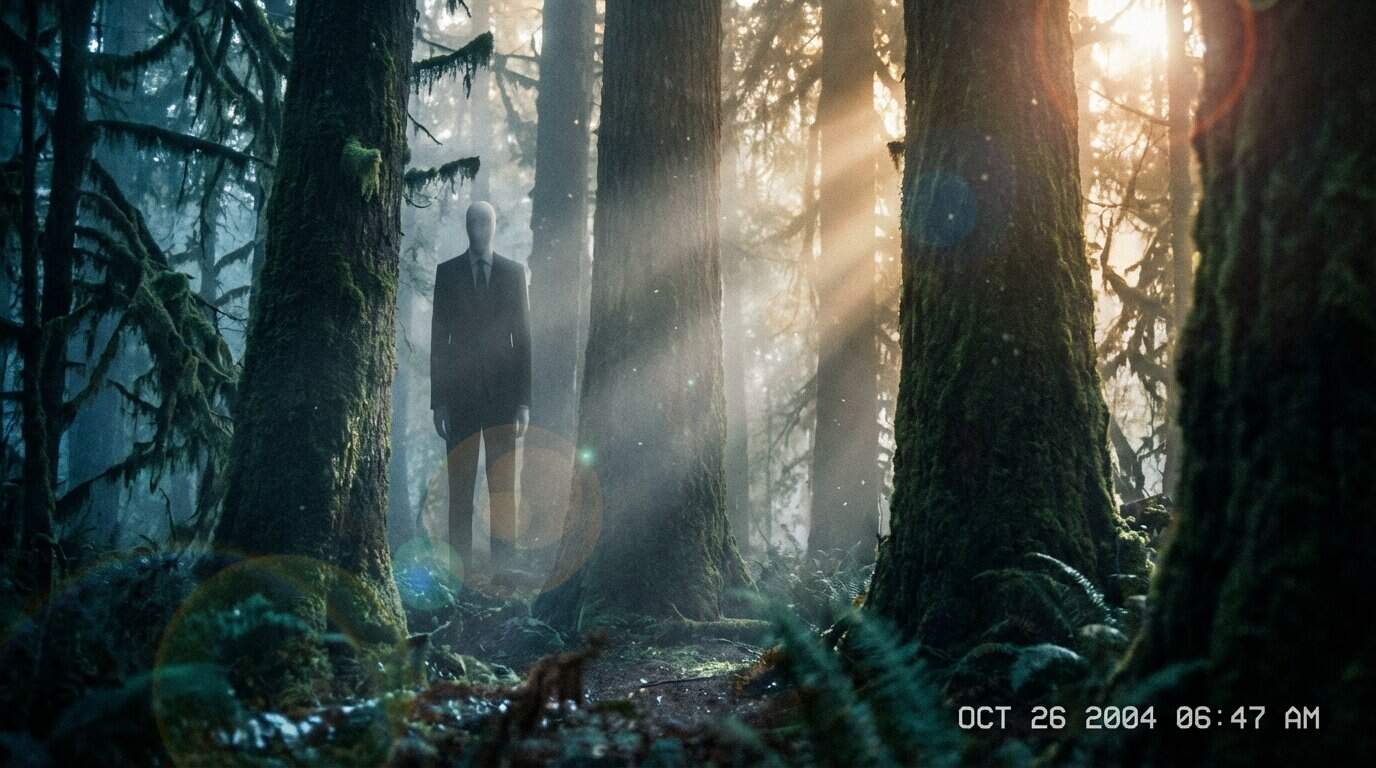
A tall, faceless figure in a dark suit stands motionless among the trees, watching from the shadows. While many believe this entity has haunted the woods for centuries, the official Slenderman sightings history actually began with a few chilling photographs posted to an online forum in 2009. These images, depicting a blurry silhouette lurking near groups of children, sparked a global phenomenon that blurred the lines between internet fiction and modern folklore.
The legend quickly took on a life of its own as people across the world began reporting their own terrifying encounters with the Tall Man. From grainy security footage to frantic eyewitness accounts, the stories suggest a being that can warp reality and vanish in the blink of an eye. Whether these sightings are the result of a viral myth coming to life or something more ancient hidden in our collective psyche remains a profound mystery.
Key Takeaways
- The Slender Man myth originated on June 10, 2009, when Eric Knudsen created digital images and a fabricated historical backstory for a ‘Something Awful’ forum contest.
- Digital folklore creators successfully retrofitted the entity into history by linking it to 16th-century woodcuts and the Pied Piper legend to give the modern invention a sense of ancient authority.
- The transition from static images to immersive ‘found footage’ web series like Marble Hornets blurred the lines between internet fiction and physical reality for a global audience.
- The ‘Tulpa effect’ suggests that intense collective belief and mental focus may have transitioned the character from a digital creepypasta into a manifested thought-form in the physical world.
From Something Awful To Stirling City
The legend of the Slender Man began on a specific date in digital history when Eric Knudsen, known by the alias Victor Surge, posted two edited photographs to the Something Awful forums on June 10, 2009. These black and white images featured a tall, faceless figure in a suit standing ominously behind groups of children. To give the images a sense of weight and history, Knudsen included a fabricated caption claiming the chilling photographs were recovered from a library fire in Stirling City. This backstory alleged that fourteen children had vanished on the day the photos were taken in 1986. By blending modern photo editing with a fake historical tragedy, Knudsen successfully tapped into the collective fears of a new generation.
This creative experiment quickly spiraled into a global phenomenon as other users began adding their own layers to the myth. The community expanded the lore by creating new sightings, fake police reports, and even woodcut illustrations that suggested the entity had existed for centuries. This collaborative storytelling method transformed a simple Photoshop contest entry into a modern urban legend that felt ancient and grounded in reality. While the Stirling City library fire was a complete invention, the narrative was so compelling that many readers began to wonder if there was a grain of truth hidden in the static. The line between fiction and reality started to blur as the character transitioned from a forum post to a reported paranormal entity.
The rapid evolution of this myth highlights how digital folklore can mirror the traditional oral traditions of the past. Even though we can trace the exact moment of its creation, the Slender Man became a shared cultural nightmare that many people claimed to see in the real world. These reported sightings often involve a tall, thin figure lurking in the woods or outside bedroom windows, mirroring the imagery first established by Knudsen. It raises fascinating questions about how the human mind processes modern myths and whether a thought can become so powerful that it manifests in our physical environment. Looking back at these early digital origins, one might wonder if a modern internet creation can eventually become a real world mystery.
Backdating The Myth To Medieval Times
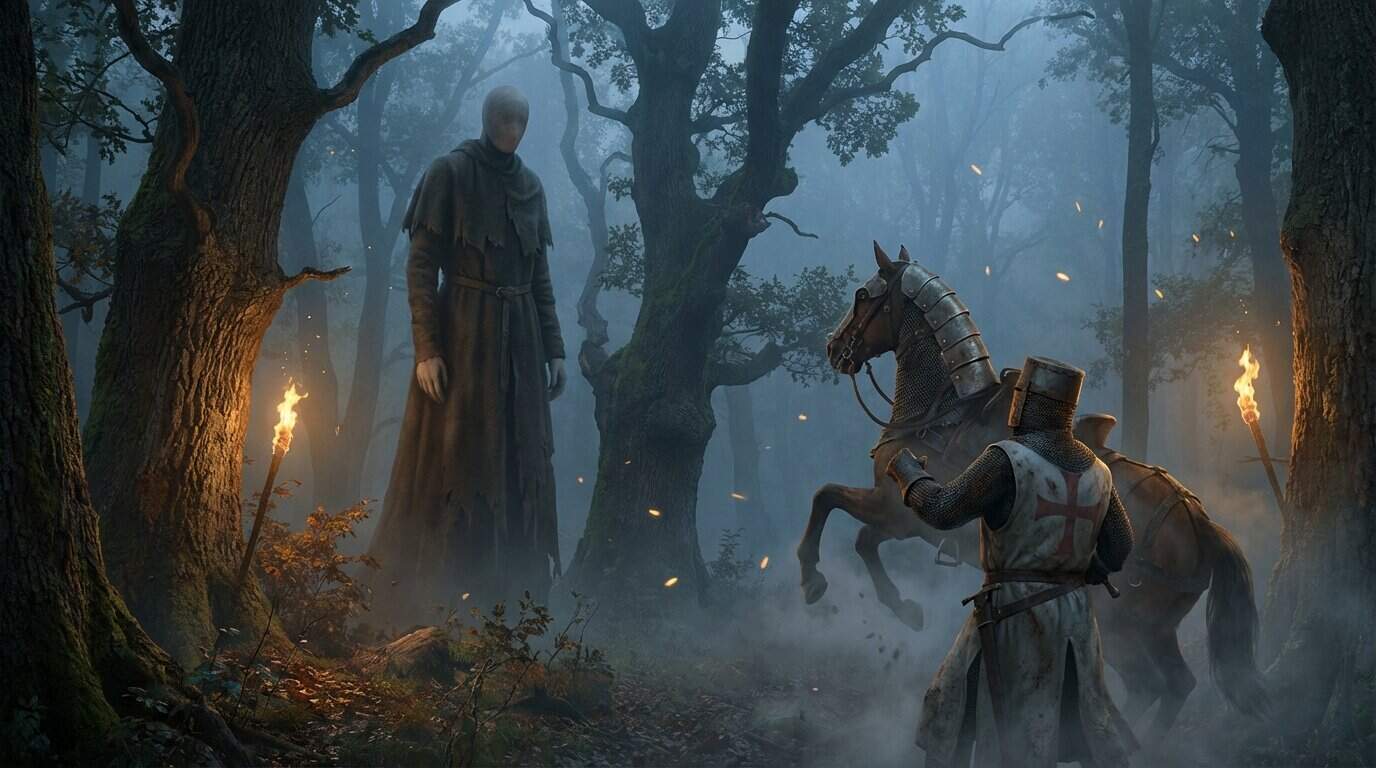
The legend of the Slenderman grew rapidly because early contributors cleverly wove him into the fabric of ancient history. By photoshopping the figure into 16th-century woodcuts, creators suggested that this modern entity had actually been haunting humanity for hundreds of years. One of the most famous examples involves a figure known as Der Ritter, or The Knight, which appeared in old illustrations as a skeletal being with multiple arms. This clever backdating made the character feel less like a digital invention and more like a rediscovered primal fear. Fans argued that these old artworks were proof of sightings long before the internet existed.
This process of retrofitting the myth even reached into the famous tale of the Pied Piper of Hamelin. Some theorists proposed that the Piper was actually an early recorded version of the Slenderman because both figures were known for leading children away into the unknown. By linking the character to established folklore, the community created a sense of historical weight that fascinated a younger generation of readers. These connections were often presented as genuine historical research on forums like Something Awful and various creepypasta wikis. This blending of new media with ancient legends allowed the mystery to feel grounded in a dark, forgotten reality.
While the character was originally created by Eric Knudsen in 2009, these fabricated historical links highlight how modern myths are born. The community used the aesthetic of the past to give the Slenderman a sense of permanence and authority. This technique of digital folklore shows how easily a story can evolve when people collaborate to build a shared universe. It raises interesting questions about how many older legends might have started as simple stories that grew through similar embellishment. These historical links make the Slenderman feel more like a real-world phenomenon rather than just a creative art project.
Modern ARGs And Real World Tulpa Effects
The digital evolution of Slenderman took a massive leap forward through the lens of found footage web series like Marble Hornets. These YouTube projects transformed a static image into a dynamic, stalking entity that felt dangerously close to reality. By using low quality video and shaky camera work, creators made it seem as though this faceless figure was hiding in the background of everyday life. This immersive storytelling encouraged fans to look over their own shoulders, blurring the lines between a manufactured legend and an actual physical threat. As these videos went viral, the character moved from a simple forum post into a shared cultural nightmare that felt increasingly tangible.
As the myth grew, many enthusiasts began applying the Tulpa effect to explain why people were reporting real world encounters with a fictional being. This concept suggests that if enough people focus their collective mental energy and belief on an idea, that idea can manifest into a physical or semi physical entity. While Eric Knudsen originally created the character for a Photoshop contest, the sheer volume of global attention potentially gave the legend a life of its own. Believers in this theory argue that Slenderman may have transitioned from a digital creepypasta into a thoughtform that haunts the physical world. This shift highlights how modern folklore can evolve rapidly through the power of collective human consciousness.
The transition from screen to street has led to numerous claims of sightings in forests and suburban neighborhoods across the globe. These reports often mirror the aesthetic established by the early YouTube ARGs, featuring a tall, suit wearing figure with no discernible facial features. Much like the real story behind other suit-wearing urban legends, skeptics point to the power of suggestion and the brain’s tendency to find patterns in the dark, known as pareidolia, as the likely cause for these experiences. However, the persistent nature of these sightings keeps the mystery alive for those who wonder if we have accidentally thought a monster into existence. It remains a question of whether a digital character can become real through collective belief, or if this is simply a case of the imagination playing tricks.
From Digital Folklore to Modern Myth
The legend of Slender Man serves as a fascinating example of how folklore has migrated from campfires to computer screens. While its origins are tied to a specific 2009 Photoshop contest by Eric Knudsen, the character quickly broke free from its digital chains to become a global phenomenon. This faceless figure represents a new era of storytelling where the line between fiction and reality becomes blurred through collective participation. By layering fake historical documents and grainy photos onto the internet, a community of creators turned a simple image into a living myth. The speed at which this entity entered the public consciousness shows that the modern world is still very much hungry for monsters.
Even though the history of these sightings began as a creative exercise, the psychological impact on those who follow the lore is undeniably real. This digital ghost story taps into primal fears of the unknown and the feeling of being watched by something that does not belong. The mystery persists because it allows everyone to add their own chapter to the narrative, making the legend feel personal and immediate. It proves that a myth does not need centuries of tradition to feel ancient or terrifying. When thousands of people share the same vision of a tall, suited figure, the boundary between an internet meme and a true urban legend begins to disappear.
What is it about this faceless entity that continues to capture the collective imagination so many years later? Some believe that modern technology has simply given us a new way to document the same shadows that have haunted humanity since the beginning of time. Others argue that the internet itself acts as a digital tulpa, where intense focus and shared belief can almost bring a character to life. Much like the internet’s unsolved mystery involving complex puzzles and hidden recruitment, the Slender Man phenomenon demonstrates how digital spaces can host deep, layered narratives. The perspective on why this specific legend resonates so deeply in a high tech world is a subject of constant debate. Is the Slender Man just a clever piece of fiction, or could the power of shared thoughts be manifesting something truly strange in the dark?
Frequently Asked Questions
1. When did the first Slenderman sightings actually begin?
The official history of the figure started on June 10, 2009, when Eric Knudsen shared two haunting images on the Something Awful forums. While the photos looked like old relics from a 1980s tragedy, they were actually the result of a creative digital experiment that quickly captured the world’s imagination.
2. Who is Victor Surge and what was his role in the legend?
Victor Surge is the online alias of Eric Knudsen, the creator who first introduced the world to this tall and faceless entity. By blending edited photographs with chilling backstories about missing children, he provided the initial spark that transformed a forum post into a modern piece of digital folklore.
3. Is there any historical evidence of the Slenderman before 2009?
While the specific character was created in 2009, many enthusiasts point to ancient woodcuts and German fairy tales about forest spirits as potential ancestors to the myth. These historical connections suggest that the Tall Man might be a modern retelling of fears that have existed in the human psyche for centuries.
4. What happened during the 1986 Stirling City library fire?
The story of the Stirling City library fire was a fictional backstory created to give the original Slenderman photographs a sense of dark history. By claiming fourteen children vanished on the day the photos were taken, the legend gained a layer of realism that helped it spread across the internet as if it were a true cold case.
5. Why do people continue to report sightings of a fictional character?
The power of modern folklore lies in how it blurs the lines between imagination and reality, leading some to believe the character has become a Tulpa or a thought-form brought to life by collective focus. Others suggest that the tall, dark silhouette is a common sight during sleep paralysis or high-stress situations in the woods, much like other paranormal visitors reported throughout history.
6. Can the Slenderman really warp reality or vanish instantly?
Eyewitness accounts often describe the figure as having the ability to appear and disappear in the blink of an eye, a phenomenon sometimes called Slender-walking. These reports suggest the entity operates outside of our normal understanding of space and time, making him an elusive and terrifying predator.