The Unsolved Mystery of Dyatlov Pass Theories
In the winter of 1959, nine skilled hikers vanished into the frozen wilderness of the Ural Mountains, leaving behind a mystery that has haunted the world for decades. When rescuers finally found their campsite, they discovered a tent sliced open from the inside and bodies scattered across the snow. Some were missing clothing while others bore inexplicable internal injuries. Today, dyatlov pass theories continue to swirl as researchers and armchair detectives try to piece together why these experienced trekkers fled into a subzero night without their boots.
Recent scientific breakthroughs suggest a freak slab avalanche might be the culprit, yet many find it hard to ignore the stranger details of the case. From whispers of secret military tests to the haunting idea of a silent wind that drives people mad, the tragedy at Kholat Syakhl refuses to be easily explained. While the official files may be closed, the blend of cold facts and chilling possibilities keeps this mountain mystery alive in the public imagination.
Key Takeaways
- A delayed slab avalanche triggered by a combination of tent placement and heavy wind-deposited snow provides the most plausible scientific explanation for the hikers’ internal injuries and sudden flight.
- The unique topography of Kholat Syakhl may have generated infrasound, a low-frequency sound wave capable of triggering intense physical dread and irrational panic in the experienced trekkers.
- Persistent evidence of radiation on clothing and reports of glowing aerial spheres suggest the possibility of secret Soviet military testing or parachute mine experiments in the region.
- The hikers’ decision to flee without boots or heavy clothing likely resulted from a combination of immediate environmental terror and paradoxical undressing caused by severe hypothermia.
The Science of the Delayed Slab Avalanche
For decades, the idea of an avalanche seemed impossible because the slope of Kholat Syakhl appeared too gentle to trigger a massive slide. However, recent research published in Communications Earth and Environment suggests that a specific combination of factors created a hidden trap for the hikers. When the team cut into the snow to pitch their tent, they inadvertently weakened a layer of packed snow that was already under immense pressure. Strong winds continued to deposit heavy, icy crystals onto the ridge above them throughout the evening. This added weight acted like a ticking time bomb, slowly straining the snow until it reached a breaking point hours after the hikers had crawled into their sleeping bags.
The resulting delayed slab avalanche was not a mountain wide disaster, but rather a concentrated block of heavy snow that slid directly onto the tent. This impact explains the severe internal injuries found on some members, which investigators previously thought could only be caused by high speed vehicle collisions or explosions. Johan Gaume and Alexander Puzrin used advanced computer modeling to show how a relatively small slab could strike with enough force to crush ribs and skulls while the victims were lying down. In the darkness and confusion, the survivors likely feared a second, larger slide was coming at any moment. This terrifying possibility forced them to cut their way out of the fabric and flee into the subzero temperatures without their boots or heavy coats.
While this scientific breakthrough provides a logical explanation for the initial injuries, it still leaves room for curious minds to wonder about the final moments of the group. The theory bridges the gap between a freak natural accident and the desperate, frantic behavior of the experienced hikers. It accounts for the physical trauma while respecting the expertise of the team, suggesting they were victims of a rare geological phenomenon rather than simple errors in judgment. Even with these sophisticated models, the haunting image of the group walking into the dark remains a powerful piece of the puzzle. Does this mechanical explanation finally put the ghost stories to rest, or do you think there is still a missing piece to the story that science cannot capture?
Military Testing and Secret Soviet Experiments
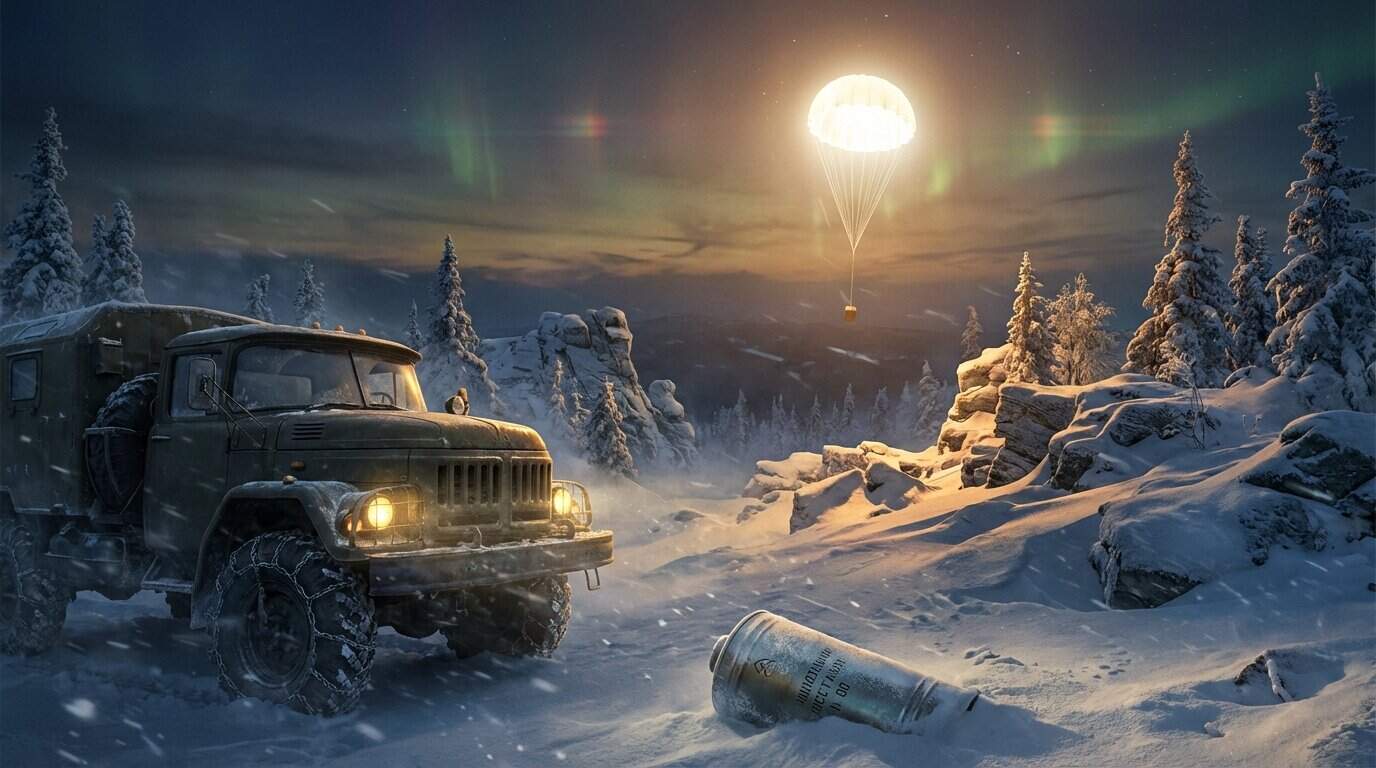
The presence of glowing orange spheres in the night sky and unusual traces of radiation found on the hikers garments sparked immediate suspicion among investigators and family members alike. Local witnesses reported seeing strange aerial lights during the same timeframe the group went missing, leading many to believe a secret military operation was underway in the Ural Mountains. Some researchers suggest the group may have accidentally pitched their tent in a restricted testing range for experimental Soviet rocketry or missiles. If a weapon malfunctioned or exploded overhead, it could explain the sudden, panicked flight from the tent without proper clothing. This theory provides a chilling alternative to natural disasters, suggesting the hikers were simply in the wrong place at the wrong time.
A particularly compelling branch of this theory involves the potential use of parachute mines, which were being developed and tested by the military during that era. These devices explode above the ground, creating a massive pressure wave that can cause internal injuries similar to those found on several of the victims without leaving external marks. Such a blast would explain why the hikers fled in terror and why their injuries appeared more consistent with a high pressure impact than a typical fall. Skeptics often point to the lack of official debris found at the site, but proponents of this idea believe the Soviet government would have been quick to scrub the area of any incriminating evidence. Much like the efforts involved in unraveling the Tunguska event, the secrecy of the Cold War era makes it plausible that sensitive documents regarding the incident remain locked away in hidden archives.
Do you think the strange lights and radiation were signs of a secret weapon, or could there be a more grounded explanation for these anomalies? Many people find it hard to believe that nine experienced hikers would abandon their only shelter without a powerful, external threat forcing their hand. While recent scientific studies lean toward a natural avalanche, the military narrative remains a cornerstone of the Dyatlov Pass mystery for a reason. It bridges the gap between the physical evidence found on the mountain and the suspicious behavior of the authorities during the initial investigation. We would love to hear your thoughts on whether a government cover up is the missing piece of this tragic puzzle.
Internal Panic and the Infrasound Phenomenon
The wind howling across the slopes of Kholat Syakhl might have carried more than just a freezing chill on that fateful night. Some researchers, including author Donnie Eichar, propose that the local topography of the mountain acted as a massive instrument for creating infrasound. As the wind rushed over the dome shaped peak, it could have formed Karman vortex streets, which are swirling patterns of air that produce low frequency sound waves. These waves are below the range of human hearing, but they can have a profound and terrifying physical impact on the body. This phenomenon is often linked to feelings of intense dread, nausea, and even blurred vision, potentially turning a quiet night in the tent into a scene of sudden, overwhelming horror.
If this wall of silent sound hit the campsite, the hikers would have felt an immediate sense of impending doom without knowing why. Scientific studies suggest that infrasound can trigger a primitive fight or flight response, causing the heart to race and the mind to spiral into a state of pure panic. In such a disoriented condition, the group might have felt the walls of the tent were closing in or that a physical threat was looming directly over them. This would explain why they chose to cut their way through the fabric from the inside rather than using the zipper. Fleeing into the darkness was not a rational choice, but a desperate attempt to escape an invisible force that made their only shelter feel like a death trap.
This theory offers a compelling look at how the environment itself could have psychologically broken even the most experienced trekkers. While a slab avalanche remains a leading scientific explanation for the physical injuries, the infrasound theory accounts for the strange, frantic behavior that led the group to abandon their gear. It suggests that the mountain literally drove them into the cold, stripping away their logic and replacing it with a primal need to run. As we look at the evidence, we have to wonder if the strong katabatic winds hold the secret to the Dyatlov Pass incident and their final moments of madness. Do you think a natural acoustic phenomenon is enough to make a seasoned expert give up their only chance at survival?
Science and the Lingering Mystery
While modern science points toward a natural disaster, the human elements of the story ensure these Dyatlov Pass theories will continue to spark debate. Recent computer modeling suggests that a delayed slab avalanche likely forced the group to flee their tent in the middle of the night. This explanation accounts for the severe internal injuries and the frantic exit that left the hikers exposed to the freezing elements. Even with this evidence, the image of nine experienced explorers cutting their way out of a tent remains a haunting cinematic puzzle. The cold reality of the Ural Mountains provides a logical framework, yet it cannot fully quiet the lingering questions about their final moments.
The narrative of that fateful night is filled with strange details that keep alternative theories alive in the public imagination. Some researchers still point to the possibility of secret military tests or the disorienting effects of infrasound caused by the wind. These fringe ideas persist because they speak to the deep sense of dread found in such a remote and unforgiving environment. Every piece of evidence, from the missing clothing to the strange positioning of the bodies, invites a new layer of speculation. It is this blend of scientific probability and inexplicable human behavior that has turned the incident into an enduring legend.
Sixty years later, the mystery of Kholat Syakhl continues to pull at our curiosity and demand answers. Whether you believe in a sudden shift of snow or something more clandestine, the tragedy remains a powerful testament to the dangers of the unknown. The transition from a peaceful camping trip to a desperate struggle for survival is a story that refuses to be forgotten. Each new investigation brings us closer to the truth, yet the legend only seems to grow larger with time. After considering the evidence and the many theories presented, which explanation do you find most convincing for what happened on that lonely mountain pass?
Frequently Asked Questions
1. What exactly is the slab avalanche theory?
This theory suggests that the hikers unknowingly weakened the snowpack when they cut into the slope to pitch their tent. Hours later, the weight of wind-blown snow caused a heavy block of ice and snow to slide down and crush the tent while the group slept. This explains why they cut their way out from the inside and fled in a state of panic or injury.
2. Why were the hikers missing their clothes and boots in subzero weather?
The hikers likely fled the tent in a desperate rush to escape what they thought was an immediate threat, such as a collapsing slope or a military accident. Once in the woods, some may have experienced paradoxical undressing, a known symptom of severe hypothermia where the brain tricks the body into feeling hot even as it freezes. This tragic confusion leads victims to remove their protective clothing in their final moments.
3. Is there any evidence that military testing caused the tragedy?
Witnesses from a nearby hiking group reported seeing strange orange spheres in the sky on the night the group disappeared. Some researchers believe the hikers may have wandered into a secret weapons testing range where a parachute mine or an experimental rocket caused the sudden chaos. Traces of radiation found on some of the clothing continue to fuel the idea that the Soviet military was involved in a cover-up.
4. How could the hikers suffer internal injuries without any external bruises?
The heavy, blunt force of a slab avalanche can cause massive internal damage, such as broken ribs or skull fractures, without leaving marks on the skin. Similar injuries are often seen in car accident victims or people caught in high-pressure underwater events. The snow acted like a heavy hammer, crushing the hikers through the fabric of their tent as they lay on the hard ground.
5. What is the ‘silent’ wind theory mentioned in the mystery?
This theory focuses on infrasound, which is a low-frequency sound wave created by specific wind patterns around the shape of the mountain. These sound waves are inaudible to the human ear but can trigger intense feelings of dread, panic, and nausea in the brain. It is possible the hikers were driven into a sudden, uncontrollable madness that forced them to abandon their campsite.
6. Why did the official investigation take so long to reach a conclusion?
The original Soviet investigation was closed quickly and the official files were kept in secret archives for decades, which naturally sparked rumors of a conspiracy. While the Russian government reopened the case in 2019 and pointed to natural causes, many people find the explanation too simple for such a complex scene. The mix of missing documents and unusual physical evidence keeps the debate alive among independent researchers, much like the questions surrounding secret mind control programs from the same era.